
I was brushing my teeth last Tuesday when I saw it. A tiny, annoying shadow between my two bottom front teeth. They were crossing over. Just a millimeter, but enough to make my heart sink. I spent three years in braces as a kid and I felt like I had been betrayed by my own jaw. My biggest mistake? I assumed that once the braces were off, my teeth were locked in place forever. I was wrong. The reality is that our teeth are on a slow-motion journey toward the center of our mouths, a phenomenon known as mesial drift. Today, I am going to share exactly how you can halt this movement and why [maintaining oral health](https://gentlesmiledentist.com/maintaining-oral-health-expert-advice-for-a-lifetime-of-healthy-teeth) is about more than just avoiding cavities; it is about preserving the structure of your smile for your sixties, seventies, and beyond. Have you noticed your bottom teeth starting to bunch up lately, or am I the only one who panics at the sight of a new overlap?
Your Teeth Are Actually Moving Toward the Middle
The truth is that your jawbone loses density as you age, and your teeth naturally want to drift forward. It is not just you, and it is not necessarily because you did something wrong. According to the American Association of Orthodontists, our dental arches naturally narrow as we get older, which forces those bottom teeth into a crowded, jumbled mess. This is why [how to keep your teeth from shifting after wearing braces](https://gentlesmiledentist.com/how-to-keep-your-teeth-from-shifting-after-wearing-braces) is a topic that matters just as much at forty as it does at fourteen. I ignored the signs for years, thinking it was just a cosmetic quirk, but crowded teeth are significantly harder to clean. If you let them overlap too much, you are setting yourself up for plaque buildup that even the best [teeth cleaning secrets](https://gentlesmiledentist.com/teeth-cleaning-secrets-achieve-a-bright-smile-in-under-30-minutes) cannot easily fix.
Is wearing a retainer every night actually worth the hassle?
Most people cringe at the thought of a nighttime retainer. I get it. It feels like a step backward into high school. But if you want to stop the drift, a retainer is your only real defense. Some folks opt for a fixed version, though you will need to learn [how to prevent your permanent retainer from trapping food particles](https://gentlesmiledentist.com/how-to-prevent-your-permanent-retainer-from-trapping-food-particles) to keep your gums healthy. Without some form of retention, your teeth will continue their migration. It is a simple choice: a little bit of plastic at night or a lot of expensive [cosmetic dentistry](https://gentlesmiledentist.com/transform-your-smile-the-impact-of-cosmetic-dentistry-in-2025) down the road to fix a crooked bite. In the next section, we will look at the specific habits that accelerate this shifting and the simple tools you can use to keep everything exactly where it belongs.
Stop Your Retainer from Turning into a Petri Dish
If you have a removable retainer, your first job is keeping it clean enough to actually want in your mouth. Think of your retainer like a sponge; if you do not rinse it immediately after taking it out, those saliva enzymes harden into calculus—the same gunk the dentist scrapes off your teeth. I used to just toss mine in a drawer, and within a month, it smelled like a locker room. Now, I use a dedicated soaking solution every single morning. If you opted for the permanent route, your challenge is different. You need to master the art of the floss threader. I learned the hard way that how to prevent your permanent retainer from trapping food particles is the only way to avoid the localized gum inflammation that actually encourages teeth to loosen and shift even further.
Look Out for These Stealthy Movement Triggers
Your teeth do not just move because they feel like it; they respond to pressure. Think of your tongue as a low-grade bulldozer. If you have a tongue thrust habit where you press your tongue against your front teeth when you swallow, you are effectively performing DIY orthodontics in the wrong direction. Similarly, the connection between grinding your teeth and frequent migraines is often the first sign that your bite is under siege. Grinding, or bruxism, wears down the chewing surfaces of your teeth, changing how they interlock and giving them wiggle room to migrate. Last summer, I went on a camping trip and forgot my retainer case. I figured three days without it would not matter. When I got back and tried to snap that plastic tray in, it felt like I was trying to squeeze into jeans I wore in middle school. The pressure was intense—a throbbing reminder that the drift never sleeps. That one weekend of neglect showed me just how fast my jaw wants to revert to its old, crowded ways.
Why Your Hygienist Sees Things You Dont
Professional intervention is not just about looking for cavities. During a checkup, your dentist is looking for wear facets—flat spots on your teeth that indicate shifting or an uneven bite. This is where how regular teeth cleaning can prevent major dental issues comes into play. When plaque builds up between crowded teeth, it causes bone loss. Less bone means less foundation to hold the tooth in place, accelerating the drift. If you have already noticed that your smile has narrowed or that one tooth has hopped over its neighbor, do not panic. You do not necessarily need another two years of metal brackets. Exploring cosmetic dentistry innovations you cant miss this year can reveal faster ways to realign or mask the shift. For example, why your smile looks narrow and how veneers fix it is a common conversation for adults who want to reclaim their alignment without the teenage brace face experience.
Let’s dig deeper into why simply ‘trying hard’ at your oral hygiene routine isn’t always enough to prevent your teeth from shifting. One of the most persistent beliefs in family dentistry is that if you brush vigorously, you are doing a better job. In reality, I have seen patients with pristine habits who still suffer from significant dental migration because they have essentially ‘scrubbed’ their gums away. It is a frustrating paradox: the reason your gums recede even if you have good habits is often linked to the mechanical force of the brush itself. When you wear down the gingival tissue and the underlying bone through aggressive cleaning, you lose the ‘anchors’ that keep your teeth from drifting toward the center of your mouth.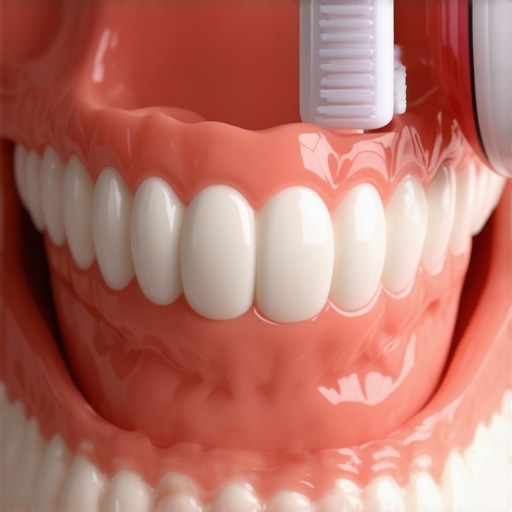
Stop Brushing Like You Are Scrubbing a Tile Floor
The contrarian truth that most people miss is that your enamel is not an indestructible shield; it is a finite resource. If you use a hard-bristled brush, you are performing a slow-motion abrasion of your smile’s foundation. According to research published in the Journal of Clinical Periodontology, the physical force of brushing is a primary driver of non-carious cervical lesions, which create gaps and allow teeth to tilt. This is where family dentistry tips that make oral care effortless and effective suggest switching to an ultra-soft brush and focusing on a circular motion rather than a horizontal saw-like action. Have you ever fallen into this trap of over-brushing? Let me know in the comments.
Is a Deep Cleaning Actually Necessary or Just a Professional Upsell?
Advanced readers often ask if scaling and root planing (deep cleaning) is truly required when they don’t have visible cavities. The answer lies in the ‘pocket depth’ between your tooth and gum. When these pockets exceed 4mm, your standard toothbrush cannot reach the bacteria living there. If left untreated, these bacteria dissolve the bone, making tooth shifting inevitable. Understanding how regular dental cleanings can save you money in the long run is about recognizing that a deep cleaning is a structural intervention, not just a cosmetic one. It stabilizes the ‘dirt’ around the roots to ensure your teeth don’t start the slow-motion journey toward overcrowding.
The Trap of Post-Coffee Brushing
One of the biggest ‘oops’ factors I see involves the timing of your routine. Many people brush immediately after their morning coffee or an acidic fruit smoothie to prevent stains. This is a massive mistake. Acid softens your enamel temporarily. If you brush while the enamel is in this ‘vulnerable’ state, you are literally brushing your tooth structure away. It is better to rinse with water and wait thirty minutes for your saliva to remineralize the surface. This is a core part of oral health myths debunked: what you need to know in 2025. If you have already thinned your enamel this way, you may need to look into the safest way to whiten teeth if you have thin enamel to avoid extreme sensitivity. By avoiding these advanced mistakes, you aren’t just cleaning your teeth; you are protecting the very architecture of your face.
Since we have established that aggressive brushing is a no-go, let us talk about the specific kit I use to keep my teeth in place. I am a bit of a gearhead when it comes to my bathroom counter because, frankly, the stakes are too high to rely on a five-dollar manual brush. If you are still using that raggedy plastic string and expecting it to manage the tight gaps of crowded teeth, you are fighting a losing battle. I switched to a high-pressure water flosser three years ago, specifically because I could not reach the gaps under my lingual wire without a ten-minute struggle. It was a game-changer for my oral health. According to a study published in the Journal of the American Dental Association (JADA), interdental cleaning tools like water flossers can be significantly more effective at reducing gingivitis than string flossing alone when used consistently. This is not just about comfort; it is about preventing the bone loss that lets your teeth start their slow-motion journey toward the center of your mouth.
The Two Tools That Actually Save My Smile Daily
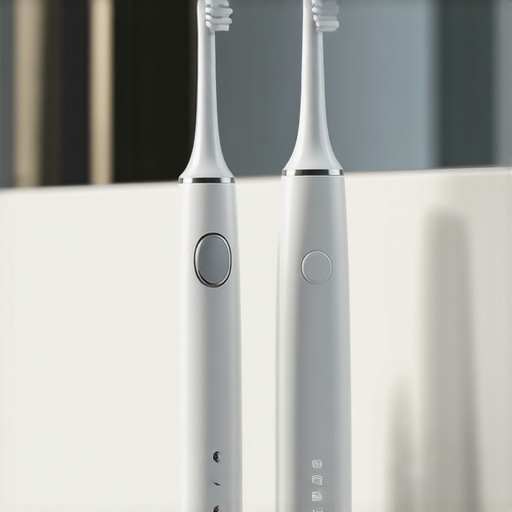
The first item in my arsenal is a smart electric toothbrush with a pressure sensor. This is the only way I managed to stop my gums from receding further. When the light flashes red, it tells me I am being too aggressive, which is the number one thing you must avoid to keep your tooth anchors strong. I also swear by a high-quality water flosser. It is the most effective way I have found for how to prevent your permanent retainer from trapping food particles without the daily frustration of threaders. If you are dealing with sensitive areas, following gentle teeth cleaning best practices for sensitive gums while using these tools ensures you are cleaning the biofilm without stripping away your protective enamel. I have found that consistency with these two items beats any ‘deep cleaning’ emergency visit every single time.
How can I maintain my dental alignment for the next thirty years?
Maintenance is a marathon, not a sprint. The key is to realize that your retainer is a lifetime commitment, but your cleaning habits are what protect the foundation. You need to combine mechanical cleaning with structural awareness. Every night, I do a quick ‘tongue check’ to make sure I am not resting my tongue against my front teeth, which is a subtle form of pressure that causes drift. Beyond that, maintaining oral health requires a professional eye to catch those ‘wear facets’ I mentioned earlier. If you start to see tiny chips or thinning edges, you might be looking at how to get a natural smile using porcelain inlays to restore the chewing surface and lock your bite back into a stable position. Do not wait until you have a full overlap to take action; small adjustments now prevent major shifts later.
Stop The Drift With High-Tech Monitoring
Looking ahead, the future of family dentistry and maintenance is going digital. I predict that within the next five years, we will all have access to smartphone apps that use AI to scan our smiles weekly and alert us to sub-millimeter shifts before they are visible to the naked eye. We are already seeing cosmetic dentistry trends that transform your smile this year focusing more on ‘prejuvenation’—preventive measures that stop aging signs before they start. By mastering the ultimate guide to teeth cleaning techniques and benefits today, you are essentially future-proofing your jawbone. If you have already experienced some shifting, do not lose heart. Modern methods for how to keep your teeth from shifting after wearing braces are more discreet and effective than ever. My best advice? Go buy a water flosser tonight and commit to using it for thirty days. You will be shocked at how much firmer your teeth feel in your gums once that hidden inflammation is gone.
The Hardest Lesson I Learned About My Shifting Teeth
For a long time, I thought that my orthodontic journey ended the day my braces came off. I was wrong. The biggest realization for me was that your mouth is a dynamic, living system that never stops changing. I learned that ignoring my retainer for even a week was like trying to pause a river; the pressure is always there. Another lightbulb moment? Realizing that maintaining oral health isn’t just about the teeth themselves, but about the bone and gums that act as their foundation. If you don’t treat the surrounding tissue with respect, the teeth will inevitably lose their ‘anchor’ and start to crowd. Finally, I accepted that aging naturally narrows the dental arch, meaning we have to be more proactive in our 40s than we ever were in our teens.
My Personal Daily Defenses for a Rock-Solid Smile
#IMAGE_PLACEHOLDER_E#
I don’t leave my smile to chance anymore. Here are the tools and strategies that have actually kept my bottom teeth from bunching up again:
- A Pressure-Sensing Electric Brush: This is non-negotiable. Learning why your gums recede faster if you use a hard-bristled brush changed my entire approach. I now use a brush that warns me when I am being too rough, preserving the bone and gingiva that keep my teeth in place.
- The High-Pressure Water Flosser: This tool is my secret weapon for how to prevent your permanent retainer from trapping food particles. It reaches where strings cannot and keeps inflammation from loosening the teeth.
- Strategic Professional Cleanings: I stopped viewing these as optional aesthetics. Seeing how regular dental cleanings can save you money in the long run helped me realize that a pro can catch microscopic shifting before it becomes a visible mess.
Take Control of Your Dental Future Today
It is never too late to start defending your smile. Whether you are fourteen or sixty-four, the habits you build tonight will dictate how your smile looks a decade from now. You do not have to be perfect, but you do have to be consistent. By staying informed on oral health myths debunked: what you need to know in 2025, you can avoid the common traps that lead to expensive corrective work later in life. Your smile is a vital part of your identity—keep it exactly where you want it. Have you noticed your teeth moving even though you finished braces years ago? Let me know below!