
I’ll never forget the Tuesday night I stood in my bathroom, staring in horror at my reflection. I had just finished a week-long smile makeover marathon, and while my teeth were undeniably brighter, my gums looked… well, exhausted. They were pale, slightly shriveled, and seemed to have pulled back an extra millimeter, exposing the yellow-ish roots I’d been trying to hide. I felt a cold knot of dread in my stomach. Had I literally bleached my gums away in pursuit of a Hollywood smile? It’s a terrifying sight, especially when you realize that the science behind teeth whitening often prioritizes the enamel while leaving the soft tissue to fend for itself.
The Scary Gap Between Your Teeth and Gums
If you’re seeing more of your tooth than you used to after a whitening session, you aren’t going crazy. I’ve been there, and I’ve made the exact mistake that most DIY-ers make: I thought more is better. I used to overlap the strips onto my gums, thinking it would ensure I didn’t have a yellow line at the top. Big mistake. That high-concentration hydrogen peroxide isn’t meant for soft, fleshy tissue; it’s meant for hard enamel. When that chemical sits on your gums, it causes a localized inflammatory response that can make the tissue look like it has shriveled or receded. According to the American Academy of Periodontology, chemical burns from whitening agents are one of the leading causes of temporary gum irritation and blanching. This doesn’t always mean you’ve lost the gum forever, but it’s a massive wake-up call. Today, I’m going to walk you through exactly why this happens, how to distinguish between temporary blanching and actual permanent recession, and how you can still get a bright smile without sacrificing your gum health.
Is this whitening damage actually permanent?
This is the question that kept me up at night. The good news? Usually, it’s not. But if you keep repeating the same habits—like ignoring the most common mistakes people make with whitening strips—you could be looking at a real problem. My early blunder taught me that oral health myths like no pain, no gain are dangerous when it involves peroxide. Have you ever finished a whitening treatment only to feel like your gums were literally cringing away from your teeth? [image] You aren’t alone, and it doesn’t mean your journey to a brighter smile is over. If you already have sensitivity, you might need to look into the safest way to whiten teeth if you have a receding gum line before you try another box of strips. Let’s dig into what’s actually happening under the surface.
Stop the chemical creep before it starts
Think of your gums like delicate silk and whitening gel like industrial bleach. You wouldn’t pour bleach on silk without a protector. When using strips, one of the most common mistakes people make with whitening strips is letting the strip overlap the gum line. I used to do this religiously, thinking I was getting a ‘fuller’ white. Instead, I was just pickling my tissue. The goal is to isolate the enamel. This means you might need to trim your whitening strips with a pair of scissors before applying them. If the strip is too tall, it’s going to ride up onto your gums, and that’s where the trouble begins.
Create a physical wall with a simple hack
Last summer, I decided to test a DIY barrier technique. I took a Q-tip, dipped it in a tiny bit of petroleum jelly, and carefully painted a thin line across the top of my teeth exactly where they meet the gum. It acted like a sealant. When the whitening gel inevitably moved—as it always does when you talk or swallow—it hit the oil-based barrier and slid right off instead of soaking into my gums. It was a messy experiment, and I ended up with a bit of a greasy chin, but for the first time in years, my gums didn’t turn that ghostly, painful white after a session. If you feel like your gums are already compromised, understanding the reason your gums recede even if you have good habits is crucial before you apply any more chemicals.
Why custom trays are your gum’s best friend
Professional kits are different for a reason. When you look at cosmetic dentistry innovations you can’t miss this year, you’ll see that custom-molded trays are still the gold standard for safety. These trays have ‘scalloped’ edges that follow your unique gum line perfectly, keeping the whitening agent locked onto the enamel and away from the soft tissue. 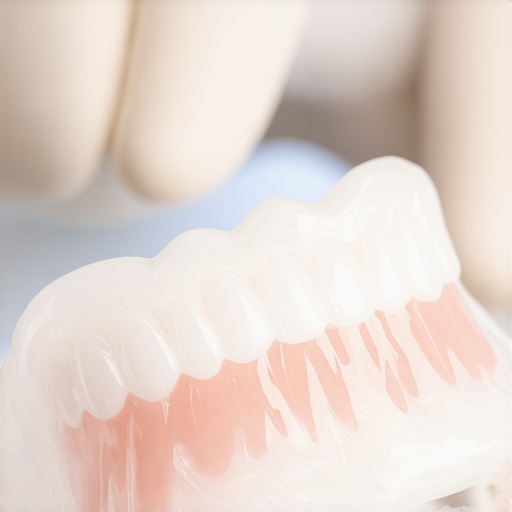 This precision is why dentists prefer them over one-size-fits-all products. If you’re serious about long-term oral health, utilizing a tray that matches your anatomy is the safest way to whiten teeth if you have thin enamel or sensitive gums.
Dial back the peroxide percentage
Peroxide is powerful, but it’s a double-edged sword. Most drugstore strips use a high concentration to get fast results, but that’s like using a sledgehammer to hang a picture frame. If you have a history of irritation, look for products with a lower percentage—around 6% to 10% carbamide peroxide—and wear them for shorter bursts. It’s a marathon, not a sprint. If your gums are already feeling the burn, switching to gentle teeth cleaning best practices for sensitive gums can help the recovery process. This means swapping to a soft-bristled brush and avoiding abrasive toothpastes until the inflammation completely subsides. Adding chemical irritation on top of existing sensitivity will only accelerate tissue loss, so patience is your best tool here.
Most people think a blindingly white smile is the ultimate sign of health, but I’ve learned the hard way that this is one of the most persistent oral health myths debunked in recent years. If your teeth start looking bluish or ‘clear’ at the edges, you aren’t getting cleaner—you’re losing your enamel density. This is what experts call translucency, and it’s a sign that you’ve overdone the peroxide. According to a study in the Journal of Dentistry, excessive peroxide exposure can significantly decrease enamel microhardness, making teeth more porous and ironically more prone to future staining.
The Translucency Trap You Didn’t See Coming
We often equate ‘white’ with ‘clean,’ but the truth is that healthy teeth have a natural, ivory-toned depth. When we blast them with chemicals too frequently, we strip away the mineral structure that reflects light. If you’ve noticed your teeth look ‘greyish’ in certain lighting, it’s likely because the light is passing through the tooth rather than bouncing off it. This is the safest way to whiten teeth if you have thin enamel: stop before you lose that natural opaque look. 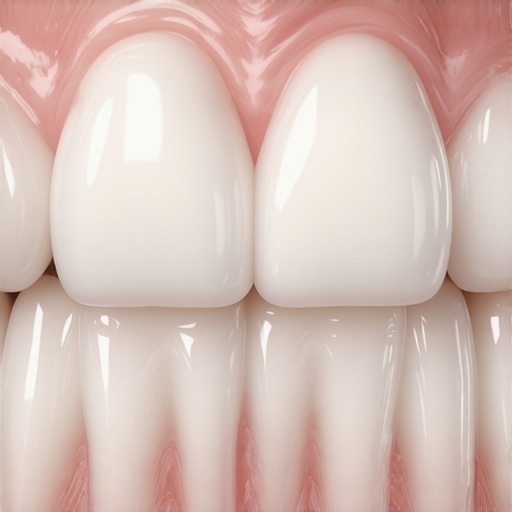
How can you tell if your enamel is becoming dangerously thin?
Check the biting edges of your front teeth in a mirror with a flashlight behind them; if they look like frosted glass or have a jagged, see-through appearance, it’s a definitive warning sign.
Why Whitening Before Cleaning Is a Financial Disaster
Here is the ‘oops’ factor most people ignore: whitening teeth that haven’t been professionally cleaned is like painting a house without power-washing the walls first. If you have any tartar or plaque buildup, the whitening agent will only penetrate the ‘clean’ areas, leaving you with a patchy, uneven result. Worse, the peroxide can trap bacteria under the gum line, exacerbating the reason your gums recede even if you have good habits. I used to think I could skip the hygienist and just bleach my way to beauty, but how regular dental cleanings can save you money in the long run becomes obvious when you realize you’re wasting expensive kits on top of calcified plaque. Before you start your next kit, ensure you’ve followed the ultimate guide to teeth cleaning techniques and benefits to prep the surface. Have you ever fallen into this ‘white-at-all-costs’ trap? Let me know in the comments below, because I’d love to hear how you balanced sensitivity with your results while maintaining oral health.Maintaining that crisp, post-whitening glow isn’t just about what you do in the dentist’s chair; it’s about the gadgets sitting on your bathroom counter. I’ve personally swapped my standard manual brush for an ultrasonic model that hits 40,000 vibrations per minute. Why? Because manual brushing often misses the micro-crevices where coffee stains love to hide. If you’re serious about maintaining oral health, you need a tool that does the heavy lifting for you. I also swear by my Waterpik on the ‘massage’ setting. It doesn’t just clear debris; it stimulates blood flow to the gums, which is essential for preventive tips for long-lasting dental health for families.
How do I maintain my whitening results over time?
The secret isn’t more peroxide; it’s managing your ‘re-staining’ rate. I follow the ‘Sip and Swish’ rule—every time I have coffee or wine, I follow it with a swig of water. It sounds simple, but it prevents the pigments from settling into your enamel. For those who want to level up, look into smile bright revolutionary teeth cleaning techniques for 2025. I’ve found that using a nano-hydroxyapatite toothpaste actually helps ‘plug’ the pores in your teeth, making them less susceptible to stains while rebuilding mineral density. Dr. Howard Farran, a prominent voice in the dental community and founder of DentalTown, often emphasizes that the best dentistry is less dentistry—meaning, if you maintain the foundation, you won’t need the expensive fixes later. 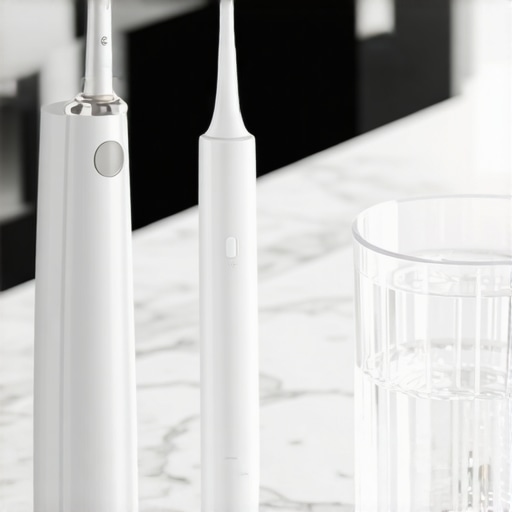 When you look at cosmetic dentistry trends that transform your smile this year, there’s a massive move toward ‘bio-emulation.’ We are moving away from the ‘bathroom tile’ white look and toward materials that mimic the natural light-reflecting properties of real teeth. I predict that within the next five years, we’ll see AI-integrated toothbrushes that can detect early-stage cavities via optical sensors before they even show up on a traditional X-ray. This tech-forward approach is also how regular dental cleanings can save you money in the long run. You catch the small stuff before it becomes a root canal. If you’re currently dealing with sensitivity, please look at gentle teeth cleaning best practices for sensitive gums before jumping into your next whitening cycle. My advanced tip for you this week: try the petroleum jelly barrier I mentioned earlier, but use it with a custom tray for 15 minutes twice a week instead of a full hour once a month. The lower exposure time with higher frequency yields better results with zero gum ‘blanching.’
What Nobody Tells You About the White-at-all-Costs Mindset
Looking back at that Tuesday night scare, I realized I was treating my mouth like a science project instead of a delicate ecosystem. Here are the truths I live by now: First, pain is never progress. If a strip stings, it is a signal to stop immediately before permanent damage occurs. Second, oral health myths debunked in recent studies show that the whitest teeth aren’t always the strongest; health has a depth that bleach can’t mimic. Finally, your gums are not like skin; they don’t just ‘heal’ back to their original position once they recede. Ignoring the most common mistakes people make with whitening strips is the fastest way to turn a temporary cosmetic fix into a lifelong sensitivity issue.
The Gear That Actually Saved My Enamel
I’ve cleared out the harsh chemicals and replaced them with tools that focus on the foundation. I trust my ultrasonic toothbrush because it removes surface stains without the aggressive friction that compromises gentle teeth cleaning best practices for sensitive gums. I also rely on the ultimate guide to teeth cleaning techniques and benefits as my roadmap for daily care. If you haven’t switched to a toothpaste containing nano-hydroxyapatite, you are missing out on the best way to remineralize your teeth after they’ve been stripped by peroxide. These tools don’t just give me a bright smile; they give me one that doesn’t ache every time I drink a glass of cold water.
Start Prioritizing Health Over Just the Shade
At the end of the day, a beautiful smile is a healthy one. Don’t let the pressure of social media filters push you to use products that leave your gums looking pale or shriveled. By maintaining oral health through patience and professional-grade methods, you’ll get results that last a lifetime rather than just a few days of brightness. The secret is consistency, not concentration. Have you ever noticed your gums changing color or feeling ‘shrunk’ after using a whitening kit? Let me know in the comments below so we can talk about the best way to recover.