
I vividly remember the day I decided to stop smiling for photos. It was my cousin’s wedding, and in every single shot, I looked like I was all gums and no teeth. I felt like a horse, to be honest. I spent most of my twenties perfecting a ‘smize’ that didn’t involve showing any enamel because I was so self-conscious. I even made the massive mistake of trying to ‘contour’ my own gum line with over-the-counter whitening strips, thinking the burn meant it was working. It wasn’t; it was just damaging my tissue and leaving me with a sore mouth. I thought the only way out was a scary, bloody surgery involving scalpels and weeks of soup-only meals. I was wrong. Today, I want to show you how we can shift that ‘curtain’ of gum tissue away and reveal the beautiful teeth hiding underneath—all without invasive surgery.
Why You Can Skip the Hospital Gown This Time
When people think about changing their gum line, they usually envision a scene from a medical drama. But the world of cosmetic dentistry trends has moved way past the old-school cutting and stitching methods. We aren’t just talking about a minor tweak; we are talking about a total confidence overhaul. For most of my life, I believed that my smile was just ‘built that way’ and I had to live with it. It turns out, your gums are often just slightly overgrown or your lip muscle is a bit too enthusiastic. We can fix those things with tools like lasers and Botox rather than a surgeon’s knife. This shift toward enhancing confidence with cosmetic dentistry means you can walk in with a ‘heavy’ smile and walk out a few minutes later ready for a selfie. It matters because your smile is your calling card, and hiding it is exhausting. According to a study published in the Journal of Clinical & Diagnostic Research, excessive gingival display—the fancy term for a gummy smile—affects about 10% of adults, often causing significant social anxiety. You aren’t alone, and you certainly aren’t stuck.
Is a non-surgical fix actually worth the hype?
I get it—skepticism is healthy. You’re probably wondering if a laser can really do the job of a scalpel or if the results will just disappear in a month. I felt the same way until I saw the precision of modern laser technology. Unlike the blunt trauma of surgery, these methods are incredibly targeted. Have you ever avoided a dental procedure because you were terrified of the recovery time? Tell me in the comments if that fear of ‘going under the knife’ has held you back. We’re going to dive into exactly how these gentle techniques work and why they might be the best investment you ever make for your self-esteem. We can even look at how contouring and veneers can work together to create that Hollywood balance without the Hollywood hospital bill.
Let a Precision Laser Reshape Your Smile Safely
When I finally sat in the chair to address my ‘gummy’ look, I was bracing for the worst. I expected a long recovery and plenty of Ibuprofen. Instead, my dentist introduced me to the dental laser. Think of this tool as a high-tech eraser. Rather than cutting through tissue like a traditional scalpel, the laser uses a concentrated beam of light to gently vaporize excess gum tissue. The beauty of this method is that it seals the area as it moves, which means there is almost zero bleeding and no need for stitches. I remember the oddest part was the smell—it was slightly like a campfire, which sounds strange, but it was far better than the mechanical whirring of a drill. In less than fifteen minutes, my ‘short’ front teeth looked elongated and balanced. This is a core part of how we use laser technology to not just treat disease, but to artistically sculpt the frame of your smile. 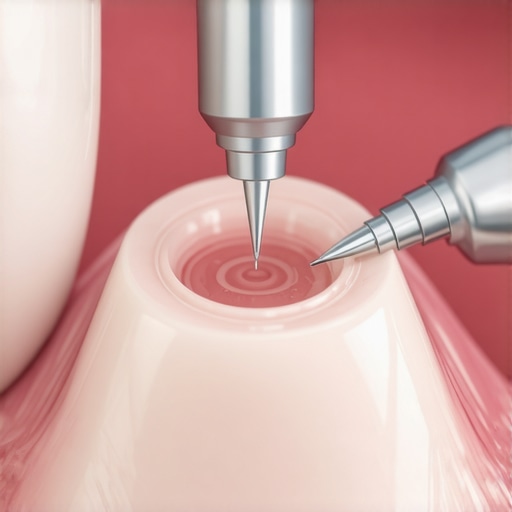
Stop Your Lip from Retracting Too Far
Sometimes the issue isn’t actually your gums at all; it’s an overactive muscle in your upper lip. If your lip hikes up like a stage curtain every time you laugh, you’ll show more gum than you’d like regardless of how much tissue is there. This is where cosmetic dentistry innovations have borrowed a trick from the world of aesthetics: Botox. By injecting a tiny amount of neuromodulator into the muscles that lift the lip, we can ‘relax’ the pull. It doesn’t freeze your face or make you look like a different person; it simply ensures that when you laugh, your lip rests right at the top of your teeth. It’s a five-minute fix that lasts for months and requires absolutely no downtime. I’ve seen patients who were terrified of their own laughter suddenly find the freedom to be loud and expressive again.
Simple Hygiene Habits That Protect Your New Look
Once you’ve reshaped that gum line, you have to protect the investment. Gums are living tissue, and if they get inflamed, they can swell back over the teeth you just revealed. I learned this the hard way by being lazy with my flossing a month after my procedure. My gums got puffy and red, hiding the very work I’d just paid for. To avoid this, you need to master teeth cleaning techniques that keep the sulcus—the space between the tooth and gum—free of debris.
Avoid the Chemicals That Cause Irritation
I used to think that the more a mouthwash ‘stung,’ the more it was working. That’s a total myth. In fact, using harsh, alcohol-based products or falling for common mistakes with whitening strips can actually cause your gums to recede or become chronically irritated. If you want to maintain that crisp, clean gum line, focus on teeth cleaning secrets like using a soft-bristled electric brush and non-abrasive paste. You are looking for a ‘gentle polish’ rather than a ‘heavy scrub.’ By keeping the bacteria at bay without traumatizing the tissue, you ensure that your newly revealed smile stays sharp and symmetrical for the long haul.
I used to think that as long as I saw a little bit of blood while flossing, I was just ‘getting the gunk out.’ It’s a common misconception that aggressive cleaning is effective cleaning. In reality, everyone says that more brushing equals better health, but in my experience, too much pressure is the leading cause of ‘recession by choice.’ You might think you are being thorough, but you could actually be scrubbing your enamel away. This is one of the most significant oral health myths debunked for patients who wonder why their teeth are suddenly sensitive despite their hard work. Identifying the reason your gums recede even if you have good habits is the first step toward saving your smile from your own toothbrush.
Don’t Fall for the ‘Natural’ Whitening Trap
I’ve seen a massive surge in people trying to whiten their teeth at home using ‘natural’ methods like baking soda or charcoal. This is a classic ‘oops’ factor that leads to permanent damage. These substances are often way too abrasive for your tooth structure. I’ve had patients come in with thinning enamel and exposed dentin because they were trying to save a few dollars on professional treatments. The danger of using baking soda to whiten your enamel every day is that once that protection is gone, it doesn’t grow back. Instead of reaching for the kitchen cupboard, look into family dentistry tips that make oral care effortless and safe. 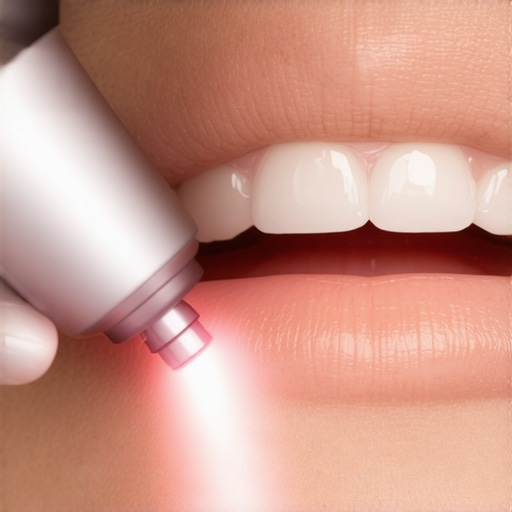
Can a deep cleaning actually damage your teeth if done too often?
This is a question I get from my most health-conscious patients. While professional cleanings are essential, ‘over-scaling’ without clinical necessity can occasionally lead to increased sensitivity if the practitioner is too aggressive near the root surfaces. This is why we focus on gentle teeth cleaning best practices for sensitive gums. A study published in the Journal of Periodontology suggests that systemic factors, such as high stress and hormonal shifts, can trigger inflammatory responses in the gums that mimic the signs of poor hygiene. This means that even if you are doing everything ‘right’ at the sink, your body might still be struggling. Have you ever fallen into the trap of over-brushing or using harsh DIY whiteners? Let me know in the comments below.
Why Your Biology Might Be Fighting Your Toothbrush
The nuance that most people miss is that oral health isn’t just about what you do; it’s about how your body responds to bacteria. For some, the inflammatory response is hyper-active, leading to puffy gums even with low plaque levels. This is where advanced tools like how oral sedation makes deep cleanings feel effortless come into play, allowing us to manage that inflammation without causing the patient distress. We are moving toward a more personalized approach in cosmetic dentistry innovations where we look at your genetic predisposition before deciding on a treatment plan. Protecting your smile is about balance, not brute force.
Stop Fighting Your Gums with String
I’ve experimented with almost every gadget on the market, but the game-changer for me wasn’t the most expensive electric brush—it was the specialized ‘perio’ tips for my water flosser. If you’ve invested in laser contouring or veneers, standard string floss can sometimes feel like you’re trying to clean a delicate watch with a hacksaw. I use a water flosser with a tapered soft-rubber tip specifically because it reaches into the sulcus—the tiny pocket where your tooth meets the gum—without mechanical trauma. This is a vital part of maintaining oral health because it flushes out biofilm that your toothbrush simply cannot touch. The Clinical Research Associates (CRA) Foundation reports that high-frequency vibration in modern electric toothbrushes can actually stimulate blood flow in the gingiva, which significantly aids the healing process after any cosmetic gum procedure.
How do I maintain my new smile over time?
The secret to longevity isn’t just about what you do once a day; it’s about the cumulative effect of small habits. Many people assume that once the laser work is done, the job is over. However, your gums are dynamic. To keep them from ‘creeping’ back or receding, you need to implement preventive tips for long-lasting dental health, such as using a pH-balanced mouth rinse. Most commercial rinses are surprisingly acidic, which can erode the very enamel you’ve worked so hard to show off. By switching to a neutral or slightly alkaline rinse, you create an environment where bad bacteria can’t thrive. This proactive approach is one of the top 5 secrets to maintaining perfect oral health that I share with everyone who asks how my teeth stay so white and my gums so pink. 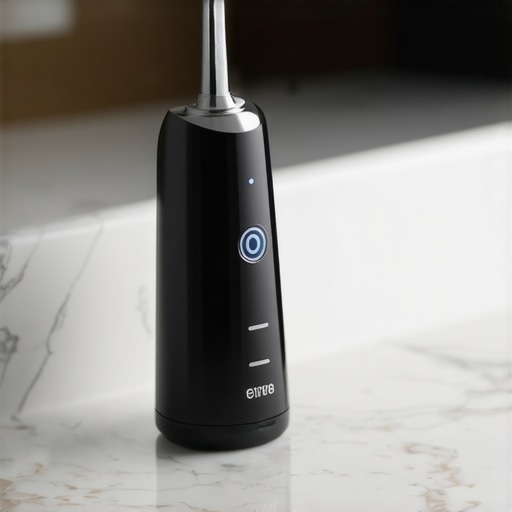
Why Your Bathroom Mirror is About to Get Smarter
Looking ahead, the future of oral care is moving away from manual guesswork and toward bio-integrated tech. I predict that within the next five years, we will see ‘smart’ mirrors equipped with infrared sensors that can detect early-stage gingivitis before you even see a drop of blood. This shift toward revolutionary teeth cleaning techniques will allow us to adjust our habits in real-time. We are already seeing the beginning of this with AI-guided toothbrushes that map your mouth. It might sound like overkill, but understanding exactly where you are missing plaque can be the difference between a simple checkup and an expensive deep cleaning. Remember, how regular dental cleanings can save you money is a lesson best learned before a problem arises. Consistency with these tools ensures that regular teeth cleaning remains a quick tune-up rather than a major repair. If you want to take your routine to the next level, swap your standard flosser tip for a soft-bristle ‘perio’ tip this week and notice how much less ‘angry’ your gum line looks by next Monday.
The Truth About Gums I Wish I Knew Sooner
Reflecting on my journey, the biggest “lightbulb moment” was realizing that my gums weren’t the enemy—my lack of understanding was. I spent years thinking that if I just scrubbed harder, my smile would look cleaner, but I was only causing harm. Here are a few things I learned the hard way:
- Force is the enemy of beauty: Aggressive cleaning doesn’t lead to health; it leads to recession and irritation.
- Your body talks through your gums: Inflammation is often a sign of stress or pH imbalance, not just a missed flossing session.
- Consistency beats intensity: A gentle, daily routine is far more effective than a monthly “deep scrub” at home.
By shifting my mindset, I was finally able to have oral health myths debunked and embrace a routine that actually worked.
My Daily Toolkit for a Gummy-Free Smile
I don’t believe in cluttering the bathroom cabinet with every gadget on the market. Instead, I rely on a few specific tools that protect my laser-sculpted gum line. First, a water flosser with a specialized soft rubber tip is non-negotiable for reaching the sulcus without trauma. Second, I’ve swapped my harsh mouthwashes for pH-balanced rinses to avoid the impact of acidic sparkling water on your smiles longevity. Finally, a soft-bristled electric toothbrush with a pressure sensor ensures I never overdo it. This simple setup is the foundation of maintaining oral health for a lifetime. When you invest in your smile, these tools become your best friends.
Your Smile Is Worth the Step Forward
You don’t have to hide your laughter behind your hand anymore. Whether it’s through laser contouring or simple muscle relaxation, the tools to reveal your best self are more accessible and gentler than ever. Don’t let the fear of a scalpel stop you from pursuing the confidence you deserve. Take the time to consult with a professional and see how regular dental cleanings can save you money in the long run while keeping your cosmetic results perfect. Your future self—the one smiling in every photo—will thank you for starting today. Have you ever avoided a smile makeover because you were afraid of the recovery time? Let me know in the comments below!