
I was sitting at my kid’s soccer game, laughing with another parent, when I caught a glimpse of my smile in my phone’s camera. I looked like I’d been chewing on bark. It was the coffee. I love my triple-shot lattes, but my teeth were wearing every single ounce of that dark roast like a badge of shame. I felt so self-conscious that I actually started covering my mouth when I laughed. That’s no way to live. I tried the aggressive route first—scrubbing like I was cleaning a rust spot off a bumper—but all I did was make my gums bleed and my teeth throb. It was a classic rookie mistake. I remember the feeling of that gritty paste in my mouth, thinking that if it hurt, it must be working. We often treat our teeth like they’re made of stone, but they are living, porous structures that react to everything we consume. If you’ve ever felt like you have to choose between your caffeine fix and a confident grin, I’m here to tell you that you don’t. We’re going to fix this today with a method so simple you’ll wonder why you were ever over-complicating it.
Stop Your Coffee Habit from Aging Your Smile
The real problem isn’t just the color; it’s the chemistry. Coffee is acidic, and that acid softens your enamel just enough for the dark pigments to move in and set up shop. I used to think the answer was more friction, so I went to town with a stiff brush and a box of Arm & Hammer. Big mistake. I learned the hard way about the danger of using baking soda to whiten your enamel every day, which actually thinned my enamel and made the yellowish dentin underneath show through even more. I was literally scrubbing away my whiteness. [IMAGE_PLACEHOLDER] True teeth cleaning secrets are about being gentle and smart, not abrasive. According to a study published by the National Center for Biotechnology Information (NCBI), the high concentration of chromogens in coffee can lead to significant discoloration when they interact with the protein layer on our teeth. Once I shifted my approach to protecting the foundation, everything changed. Have you ever noticed your teeth looking darker specifically after your second cup of the day? Or maybe you’ve felt that “fuzzy” feeling that seems to attract stains like a magnet?
Does this actually work for deep stains?
I know what you’re thinking. You’ve seen the ads for thousand-dollar lasers and you’re skeptical that a simple tweak to your routine can compete with the science behind teeth whitening. I was a skeptic too. I thought I needed full-blown cosmetic dentistry to undo years of neglect. While professional help is amazing for a total overhaul, this “simple trick” is about the daily maintenance that happens in your own bathroom. I even started experimenting with the strawberry trick for naturally removing surface stains at home, and combined with the right timing, the results were night and day. It’s not about magic; it’s about preventing the stain from bonding in the first place. When you understand how to manage the “window of staining,” you stop playing defense and start playing offense. I spent months researching maintaining oral health just to find that the most effective solutions are often the most basic ones. Next, I’ll show you exactly how to implement this ritual without giving up your favorite brew.
Flush the Pigment Before It Bonds
The first and most effective defense is what I call the ‘swish and swallow.’ Imagine dropping a splash of red wine on a white linen tablecloth. If you immediately pour a bit of water on it, the stain barely has a chance to settle. If you wait until the end of the party, you’re looking at a permanent souvenir. Your teeth work the same way. Every time I take a sip of my dark roast, I follow it with a quick sip of plain water. It’s a simple rinse that dilutes the acids and washes away the tannins before they can nestle into your enamel. Last Tuesday, I forgot my water bottle and found myself doing a quick gargle at the office water cooler after my second cup—it felt a bit silly, but that mechanical rinsing is one of the most underrated teeth cleaning techniques and benefits. It prevents the ‘acid bath’ from lasting for hours. 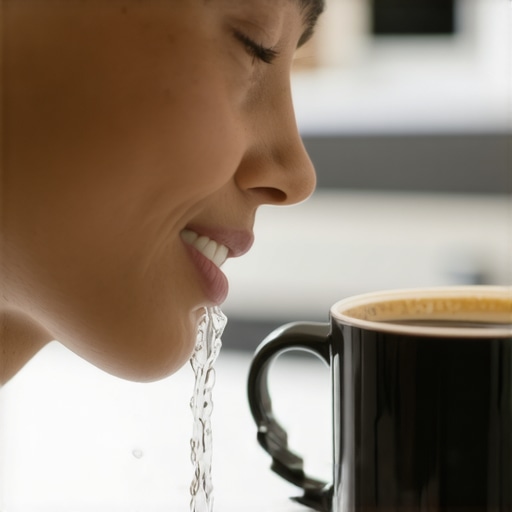
Why the Clock is Your Best Whitening Tool
Wait at least thirty minutes before you even think about picking up a toothbrush. This was the hardest habit for me to break because I wanted that coffee taste out of my mouth immediately. However, coffee is highly acidic. That acid temporarily weakens your enamel, making it porous and vulnerable. If you brush right away, you’re essentially using your bristles to sand down your softened teeth. It’s the same logic behind why you should never brush immediately after drinking orange juice. Think of your enamel like wet cement right after a rainstorm; you want to wait for it to harden back up before you go walking all over it. I once made the mistake of brushing right after a double espresso and my teeth felt sensitive for three days. Now, I give my saliva—the body’s natural remineralizer—time to do its job and bring the pH level back to neutral. This patience is a core part of family dentistry tips that make oral care effortless and effective.
Sip Smarter to Save Your Enamel
The way you actually consume the coffee matters more than the amount. If you’re nursing a single cup for three hours, you are keeping your teeth in a constant state of acid attack. Your mouth never gets the chance to recover. It’s significantly better for your smile to finish that drink in a shorter window—say, twenty minutes—rather than sipping all morning. When I started drinking through a straw—yes, even for hot coffee—it felt weird at first, but it bypassed my front teeth entirely. This is one of those preventive tips for long-lasting dental health for families that saves you a fortune in the long run. By limiting the contact time between the liquid and your ‘smile zone,’ you drastically reduce the staining potential. I saw a huge difference in just two weeks of using this ‘short window’ approach.
Gentle Tools Beat Brutal Force
When you finally do brush, use a soft touch. I traded my ‘hard’ bristles for a soft-bristled brush, and the difference in my gum health was instant. Finding the best toothbrush texture for people with receding gums is vital because aggressive scrubbing doesn’t remove more stains; it just removes more of your tooth structure. Use a circular motion, not a back-and-forth sawing motion. I treat my teeth more like expensive jewelry that needs a gentle polish rather than a dirty hubcap that needs a wire brush. This shift in mindset, knowing how long you should really wait to eat after a cleaning or a coffee, turns a chore into a sophisticated preservation ritual. It’s about being the curator of your smile, not its janitor.
Most people assume that if their teeth aren’t paper-white, they aren’t clean. This belief often leads to the biggest mistake I see: the ‘over-cleaning’ spiral. We think that by scrubbing harder or using more abrasive pastes, we are clearing away the coffee. In reality, you might be doing the exact opposite. If you have ever wondered why your teeth seem to look more yellow the more you brush them, you’re not alone. I’ve talked to hundreds of people who were confused by this, but it all comes down to the thickness of your enamel. When you wear down that protective outer layer, the naturally yellowish dentin underneath starts to shine through. It’s one of those oral health myths debunked that can save your smile from unnecessary aging.
Can You Over-Clean Your Way to Yellow Teeth?
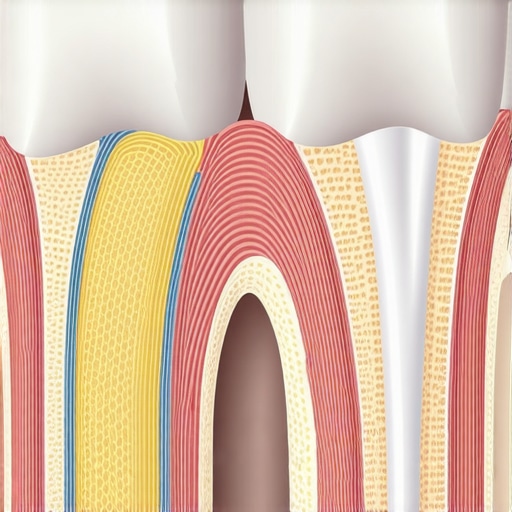
The contrarian truth is that the ‘cleanest’ feeling isn’t always the healthiest. People often confuse a squeaky-clean sensation with health, but that feeling is sometimes just the result of stripped-away natural oils and minerals. I used to be obsessed with that abrasive feeling until I realized I was creating a ‘sticky’ surface for future stains. According to research published in the Journal of the American Dental Association (JADA), over-whitening and aggressive abrasion can lead to significant tooth sensitivity and micro-scratches in the enamel. These tiny scratches act like potholes on a road, catching every microscopic bit of coffee and wine you consume. This is exactly the reason your gums recede even if you have good habits—your effort is misplaced. We need to focus on remineralization rather than just removal.
Is That Yellowing Actually a Stain or Something Deeper?
Here is where things get technical: not all discoloration is external. When I was trying to fix my smile, I didn’t realize I was dealing with intrinsic staining. If your teeth have a grayish or bluish hue, no amount of surface scrubbing will fix it. In fact, the one mistake people make when trying to whiten gray teeth is using standard over-the-counter peroxides that only target the surface. These deep, internal stains often require professional-grade the science behind teeth whitening to truly lift. If you keep applying harsh chemicals to a problem that’s inside the tooth, you’re just damaging the enamel for no reason. This is especially dangerous for those of us with sensitive areas; you must find the safest way to whiten teeth if you have a receding gum line to avoid hitting the exposed roots, which don’t have enamel to protect them.
Stop Falling for the DIY Whitening Trap
The most dangerous ‘oops’ factor I see today is the rise of unverified at-home kits. I know they look tempting and the influencers make them look easy, but the truth about diy clear aligner kits and permanent root damage is a heavy price to pay for a cheap fix. Many of these products use non-stabilized chemicals that can cause chemical burns on your gums or permanent sensitivity. I’ve seen people lose portions of their gum tissue because they used a tray that didn’t fit their mouth correctly. Real maintaining oral health is about slow, consistent, and safe progress. When you learn how to brushes your teeth without damaging receding gum lines, you realize that less is often more. Have you ever fallen into this trap of over-brushing or using a harsh DIY kit? Let me know in the comments. We can all learn from those ‘rookie’ mistakes together.
Swap Your Manual Brush for a Sonic Powerhouse
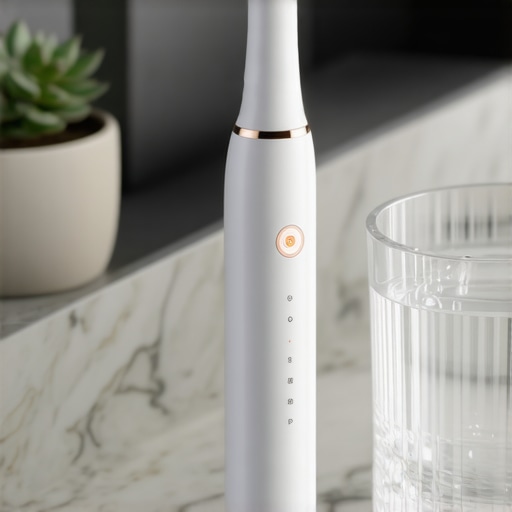
Once I realized I was doing more harm than good with my aggressive manual scrubbing, I made the switch to a high-end electric toothbrush. I personally use an oscillating-rotating brush because the mechanical action mimics what a hygienist does during a professional visit. The real game-changer for me was the built-in pressure sensor. It glows red the second I press too hard, which is the ultimate safeguard against how to brushes your teeth without damaging receding gum lines. A systematic review by the Cochrane Library found that powered toothbrushes provide a statistically significant reduction in plaque and gingivitis compared to manual brushing over both the short and long term. When you invest in a tool that does the work for you, you’re not just cleaning; you’re preserving the work of cosmetic dentistry you might have already invested in.
How do I maintain my bright results for years to come?
Maintenance isn’t a one-time event; it’s a rhythm. For my family, this means scheduling our visits like clockwork. I used to view dental visits as a chore until I saw the math. Understanding how regular dental cleanings can save you money in the long run changed my perspective entirely. By removing the hardened tartar that no toothbrush can touch, you prevent the inflammation that leads to gum recession and bone loss. We follow the top 5 secrets to maintaining perfect oral health as a family, which includes using a fluoride-rich mouthwash before bed to remineralize the enamel we’ve challenged during the day. It’s about building a family dentistry foundation where everyone, from the kids to the grandparents, knows that prevention is the most effective form of treatment.
The Future of Your Bathroom Mirror is Smart
I’m predicting that in the next few years, we won’t just be ‘guessing’ if we cleaned well enough. We are already seeing revolutionary teeth cleaning techniques for 2025 that involve AI-guided apps that map your mouth in real-time. This tech isn’t just a gimmick; it provides the accountability most of us lack. I’ve started using a brush that syncs to my phone, and it’s embarrassing how many spots I used to miss in the back. These cosmetic dentistry innovations are making it easier to keep your smile looking like it was just professionally polished. We’re also seeing a massive shift toward laser technology for faster gum tissue healing, which means even if you’ve had a rough history with your oral health, the path to recovery is faster and less painful than ever before. If you really want to see a change, I challenge you to ditch the manual brush this week and move to a sonic or oscillating tool—your gums will thank you in less than seven days.
What Years of Over-Scrubbing Taught Me
The biggest shift in my routine wasn’t a new product; it was finally respecting the ‘saliva buffer.’ I used to think saliva was just an afterthought, but it’s actually a liquid defense system that neutralizes acids and rebuilds minerals. I stopped looking for extreme ‘whitening’ and started focusing on ‘strengthening.’ When you look at how oral health myths debunked change our habits, you’ll see that a naturally ivory-white tooth is often much healthier than a paper-white one that has lost its protective structure. I also realized that the truth about using baking soda as a toothpaste is that while it cleans, it’s far too aggressive for daily use. It creates microscopic scratches that actually act like ‘stain magnets’ for your next morning latte. My lightbulb moment was realizing that the best defense is a smooth, glass-like enamel surface where nothing can stick.
The Exact Setup I Use to Protect My Smile
I now swear by a pressure-sensing electric toothbrush because it removes the guesswork. Finding the best toothbrush texture for people with receding gums was the real turning point for my chronic sensitivity. I also keep a glass of water next to my coffee at all times. This ‘sip and swish’ method is the most effective free tool in existence for preventing tannins from bonding. In our house, we follow the top 5 secrets to maintaining perfect oral health as a family, which includes using a remineralizing rinse every single night to repair the day’s acid wear. [IMAGE_PLACEHOLDER] I also recommend switching to compostable straws for iced coffee; it completely bypasses the ‘smile zone’ and keeps the pigment away from your front teeth.
Why You Can Finally Enjoy Your Next Cup Without Regret
Your smile is a huge part of your identity, and you shouldn’t have to sacrifice your morning ritual for a bit of brightness. Whether you’re just starting to be more mindful or you’re considering enhancing confidence with cosmetic dentistry for a total refresh, the key is consistency. By maintaining oral health through these simple, gentle daily rhythms, you ensure that your teeth stay strong and vibrant for decades. You don’t need a miracle; you just need a better system. Have you ever tried switching to a straw for your hot coffee to prevent staining, or do you have another secret trick? Let me know in the comments below!