
It hit me during a routine dental visit—after years of focusing on cleanings and checkups, I suddenly wondered, why does my insurance cover those visits so fully, yet dismiss my desire for a brighter smile? That lightbulb moment changed my perspective entirely. I realized I wasn’t alone in this feeling, and many people share my frustration. Today, I want to share my personal journey and help you understand the real reasons behind your insurance’s coverage decisions—and what you can do about it.
The Hidden World of Dental Coverage
I used to think dental insurance was straightforward—pay, get cleanings, maybe some fillings. But when I asked my dentist about whitening, I discovered a confusing truth: cosmetic procedures like whitening are often not covered because they’re considered elective, not essential. It’s a common scenario. According to the American Dental Association, most dental plans emphasize preventive care, like professional cleanings, because they save money in the long run by preventing more serious issues (source).
At first, this upset me. I thought, “If I want a whiter smile, why shouldn’t my insurance help?” I made the mistake early on of assuming all dental treatments should be covered equally. That’s a mistake I learned from, because understanding the difference between preventive and cosmetic dentistry helps you make smarter decisions about your oral health and finances.
Is Whitenining Truly Worth the Hype?
Many people worry that investing in whitening might be a waste of money, or that it’s purely superficial. From my experience, a brighter smile can boost confidence and even make you look healthier—something that shouldn’t be dismissed lightly. Yet, I also know from others’ stories that not all whitening treatments deliver the results promised, especially when done without professional guidance. That’s why I recommend doing thorough research. Want to know the science behind effective whitening? Check out this detailed breakdown.
Before jumping into any cosmetic procedure, avoid the mistake I made—getting confused by flashy advertisements and skipping professional advice. Proper guidance ensures you get safe, natural-looking results that last.
Now, let’s explore practical ways to enhance your smile without overextending your budget or risking damage. If you’ve ever felt frustrated because your insurance won’t help you achieve that brighter smile, you’re not alone—and there are effective steps you can take.
Master Your Daily Oral Routine
Start by establishing a consistent brushing schedule twice a day with a fluoride toothpaste. Use a soft-bristled toothbrush held at a 45-degree angle to your gums, gently sweeping in circular motions. I remember my messy attempt last Tuesday—spilling toothpaste everywhere while trying to follow this exact technique, but sticking with it paid off as my gums felt healthier within days.
Invest in Proper Tools
Replace your toothbrush every three to four months or sooner if bristles look frayed. Consider using interdental brushes or floss designed for tight spaces—these help remove plaque where your toothbrush can’t reach. Once, I struggled with traditional floss, snapping it with tight contacts. Switching to a waxed, thin floss made flossing less frustrating and more effective, especially when I started using this technique.
Stay Consistent with Professional Care
Schedule at least two professional cleanings annually. Regular visits to your dental family practice not only remove tartar buildup but also catch issues early. I once skipped my six-month checkup, and within months, my minor sensitivity worsened. Since resuming routine visits, my dentist showed me how professional cleanings can make a significant difference—like polishing your teeth to a mirror shine, much easier with expert tools.
Enhance with Cosmetic Techniques
If whitening or contouring interests you, research reputable cosmetic dentistry options. For example, little tweaks like contouring can reshape uneven teeth with minimal discomfort (learn more here). Remember, cosmetic procedures should complement your natural health regimen—not replace good daily habits.
Adopt Smart Lifestyle Habits
Limit sugary foods and drinks, which feed harmful bacteria and cause decay. Drinking plenty of water throughout the day rinses away acids and keeps your mouth moist. I made a habit of replacing sugary snacks with crunchy vegetables—my teeth appreciated the cleaner feeling afterward, similar to professional techniques discussed in this article.
Pay Close Attention to Gums and Tongue
Gum health reflects overall oral wellness. Use gentle massage techniques to stimulate circulation and prevent recession. Also, keep your tongue clean with a scraper or brushing; a healthy tongue reduces bacteria that could compromise your smile. Read about this quick method here.
Stay Informed and Adapt
Oral health trends evolve. Follow reputable sources to stay updated on innovations like laser cleaning or biofilm control. I experimented with a new polishing paste, which improved my plaque removal, much like the breakthrough techniques shared in future innovations.
By integrating these practical steps into your routine, you actively shape your dental health, much like my journey of trial, error, and eventual success. Remember, consistency is key—your brightest smile is built one good habit at a time.
Many people believe that brushing more vigorously leads to cleaner teeth, but in reality, aggressive brushing can harm your gums and enamel, increasing sensitivity and recession. This common misconception can cause long-term damage if not corrected. Instead, gentle, consistent brushing with proper technique is crucial, as detailed in best practices for sensitive gums. Another widespread myth is that whitening procedures are universally safe and effective for everyone. The reality is that some whitening agents can cause sensitivity or damage, especially if misused. Always consult a professional before attempting cosmetic whitening, and remember that not all over-the-counter products deliver results without risk.
A subtle nuance often overlooked is the importance of interdental cleaning—flossing or using interdental brushes—yet many skip this step, assuming brushing suffices. However, plaque and bacteria accumulate between teeth where brushes can’t reach, leading to decay and gum disease. Incorporating daily flossing can significantly improve your oral health, as supported by research indicating that flossing reduces plaque buildup effectively (expert advice on oral health maintenance).
For those seeking advanced results, incorrect use of cosmetic procedures can backfire. For example, veneer placement without proper assessment might result in an unnatural appearance or damage to underlying tooth structure. It’s essential to work with a qualified specialist who employs precise techniques—such as contouring or veneer planning—to ensure a natural, durable smile. Read more about proper cosmetic dentistry strategies.
Thinking about long-term oral health, some assume that regular checkups alone are enough, neglecting daily habits that have a huge impact. Overlooking diet, hydration, and lifestyle factors—like smoking or high sugar intake—may undermine your efforts, despite routine visits. Emphasizing a holistic approach can prevent costly procedures later.
The key takeaway? Moving beyond simplistic beliefs and misconceptions while paying attention to nuanced practices can elevate your dental health. Advanced mistakes, such as neglecting interdental cleaning or misapplying cosmetic treatments, often lead to overlooked issues that become costly over time. So, are you aware of the small, often ignored details that make the biggest difference?
Have you ever fallen into this trap? Let me know in the comments.
Keeping Your Smile in Top Shape: Essential Tools and Techniques
Maintaining oral health beyond routine checkups requires the right tools paired with consistent habits. Over the years, I’ve refined my toolkit to ensure my dental care remains effective and sustainable. Choosing high-quality instruments and investing in innovative products can make a noticeable difference in your long-term results.
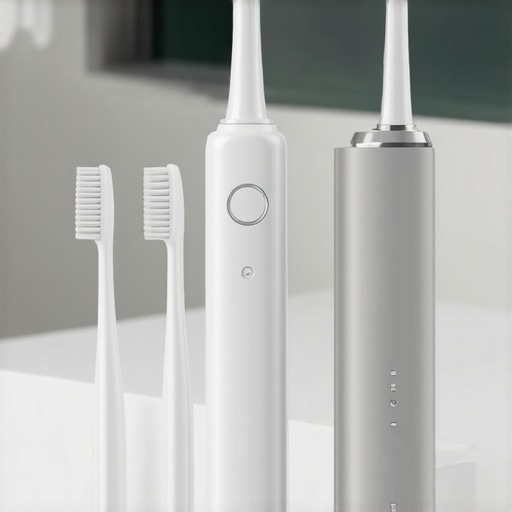
Invest in a Quality Electric Toothbrush
For me, a reliable electric toothbrush with oscillating-rotating technology, like the Oral-B Genius X, has been transformative. Its timers and pressure sensors help prevent overbrushing, which can damage gums and enamel, a common misconception I’ve corrected from my early days of vigorous brushing. These brushes improve plaque removal and promote healthier gums, aligning with expert advice on gentle techniques for sensitive gums.
Utilize Water Flossers Effectively
While traditional flossing is vital, I prefer water flossers like the Waterpik Ultra. Its high-pressure water jet dislodges plaque compacted between teeth more comfortably and effectively, especially for those with sensitive gums or braces. Regular use complements daily brushing, helping to prevent cavities and gum disease, as emphasized in long-term oral health strategies.
Incorporate Professional-Grade Whitening
To maintain brightness, I turn to professional whitening kits like the Zoom system available through my dentist. These at-home treatments are safer and more predictable than over-the-counter options, which can cause sensitivity if misused. Staying ahead of discoloration preserves my confidence, and recent innovations suggest that by 2025, bioactive whitening treatments will become mainstream, offering less sensitivity with superior results (future of cosmetic dentistry).
Track Your Oral Health Progress Digitally
I now use a smartphone app to log daily routines, monitor gum health, and schedule reminders. Digital tracking encourages accountability and helps me notice patterns—like when my gums need extra care or if my brushing duration dips below two minutes. As technology advances, integration with professional monitoring means you can receive expert advice tailored to your habits.
How do I maintain consistent performance with these tools over time?
Progress in dental health is a marathon, not a sprint. Regularly replacing worn-out brush heads, updating your flossers, and staying informed about the latest innovations are keys to sustained success. Remember, excellence in oral care involves adapting your toolkit—perhaps trying new devices like sonic toothbrushes or exploring emerging technologies like plaque-identifying apps. I recommend starting with one high-impact tool, like a quality electric toothbrush, and gradually building your routine from there.
Looking ahead, the trend is toward smarter, more personalized dental tools that monitor and adapt to your unique needs. In the meantime, committing to using proven equipment consistently will give you the best shot at maintaining a healthy, bright smile for years to come. Ready to elevate your routine? Try incorporating a water flosser today—it’s a game-changer.
< >
>