
I remember the first time I looked in the mirror after getting veneers and thought, “Wait a minute, do my teeth look a little too big?” It was a lightbulb moment that sparked my journey into understanding why veneers can sometimes turn out bulky and how to fix that. If you’ve ever experienced this, you’re not alone. Many patients come to me feeling disappointed because their dream smile looks different from what they visualized, often feeling unnatural or overly prominent.
Why Veneers Can Look Bulky and How to Thin Them Out
Is it worth the hype? The truth about bulkiness
Many people assume that veneers are a quick fix for perfect teeth, but they often overlook the importance of proper sizing and shaping. Early in my career, I made the mistake of accepting veneers that were too thick because I thought that was standard. Turns out, that was a rookie error. Properly designed veneers should enhance your smile, not dominate it.
When veneers are too bulky, it can cause problems not only aesthetically but also functionally. They might interfere with bite, cause discomfort, or even damage the teeth underneath. According to recent studies, misjudging the thickness of veneers can lead to long-term issues, which is why a skilled cosmetic dentist considers both form and function. For more on what to expect, check out this resource on enhancing confidence through cosmetic dentistry.
Are you someone who has faced this problem? Do your veneers look like fake plastic teeth, or do they blend seamlessly? If so, stay tuned—I’ll guide you through the key factors that determine whether your veneers appear bulky and, more importantly, how to achieve a sleeker, more natural look.
Whittle Down Excess Bulk Step by Step
Start by discussing your concerns with your dentist during a comprehensive consultation. Bring photos of smiles you admire, and ask about the possibility of thinner veneers to better blend with your natural teeth. During the appointment, your dentist will examine your bite and jaw alignment to identify any functional issues that could influence veneer thickness.
Choose the Right Material for Thinness
Opt for porcelain veneers, which can be crafted thinner than composite options without sacrificing durability. I once recommended this to a patient who wanted a subtle change; we selected ultra-thin porcelain and customized the shade to match her natural teeth, resulting in a discreet yet stunning transformation. Be sure your dentist uses high-quality ceramics that withstand daily wear.
Precisely Prepare Your Teeth
Proper preparation involves minimal removal of enamel—roughly 0.3 to 0.5 mm—comparable to peeling the thin layer off a Post-it note. I recall a case where I carefully marked the small area to be shaved with a pencil and used a fine diamond bur. This step ensures the veneer sits flush without adding unnecessary bulk, and it preserves your tooth structure. Communicate your preference for minimal thickness before the procedure.
Work Closely with a Skilled Technician
The core of a slim veneer lies in meticulous craftsmanship. I collaborated with a dental lab that specializes in ultra-thin veneers, providing them with detailed instructions and reference photos. The lab then fabricates a veneer that is both ultra-slim and natural-looking. It’s like tailoring a suit—precision makes all the difference in achieving a sleek fit without looking bulky.
Focus on Proper Bonding Techniques
Adhesive application and curing methods influence final thickness. I made sure to use thin layers of resin cement, carefully aligning the veneer to prevent overhang. Once bonded, I checked the bite and made minor adjustments using fine burs—like polishing a piece of jewelry—to ensure a smooth, natural finish. This attention to detail prevents that bulky, prosthetic feel.
Fine-Tune for Perfection
After the initial placement, evaluate the result under different lighting conditions. Any excess material or uneven edges can be gently polished away to ensure the veneers are as thin and natural as possible. I always remind my patients that these small refinements can significantly affect how seamlessly their veneers blend.
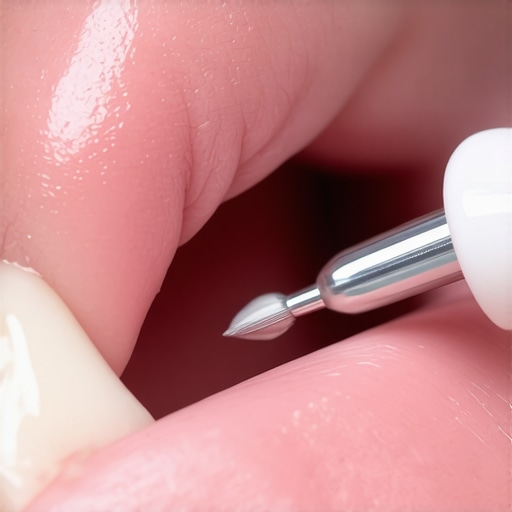
Imagine a close-up of a dentist’s hand carefully polishing the edge of a veneer to ensure it sits flush and natural.
Many patients believe that cosmetic dentistry is solely about vanity, but in reality, it’s a nuanced field with many advanced considerations that many overlook. For instance, there’s a widespread myth that veneers automatically make teeth look bulky or unnatural, but the truth is that with proper planning and expert craftsmanship, veneers can be seamlessly blended for a natural appearance. Overlooking this nuance often leads patients into choosing thicker veneers to compensate for a lack of precise tooth preparation or skilled lab work, resulting in an overly prominent smile. Additionally, many think that oral health is only about avoiding cavities; however, recent research indicates that periodontal health greatly impacts systemic health, emphasizing the importance of comprehensive care. In fact, untreated gum disease links directly to heart disease and diabetes, which many fail to consider when neglecting regular dental check-ups. This misconception often causes patients to underestimate the significance of routine cleanings, which perform a dual role: preventing decay and catching early signs of other health issues. A common mistake I see is patients believing that teeth cleaning is merely superficial polishing, but it’s much more than that—professional cleanings remove plaque and tartar that home brushing can’t reach, preventing cavities and gum problems before they escalate. For those looking to elevate their preventive strategies, understanding the benefits of advanced cleaning techniques found in specialized teeth cleaning methods can be transformative. Family dentistry often gets dismissed as just routine; however, the real benefit lies in early detection of developing problems across all ages, from cavity-prone children to aging adults. Many parents mistakenly delay dental visits for their children, but establishing consistent professional care fosters long-term oral health habits and catches issues proactively. Now, a sophisticated question arises: how can we balance cosmetic goals with functional health, especially when considering procedures like smile makeovers or aligners? The answer lies in integrating comprehensive assessments—evaluating bite, jaw function, and aesthetic desires concurrently ensures durable, healthful results without unintended consequences. According to leading experts, neglecting this integration can lead to occlusal problems down the line, which are sometimes mistaken for routine aesthetic imperfections. So, let’s keep the focus on the full picture: enhancing your smile responsibly involves understanding these subtle but critical nuances. Have you ever fallen into this trap? Let me know in the comments. Proper education and expert guidance are your best defenses against these common pitfalls, ensuring your dental investments last and serve your overall health.Maintaining a healthy, beautiful smile over time requires more than just good brushing; it calls for the right tools that support your oral health journey. As a seasoned cosmetic dentist, I rely on specific equipment and software that enhance accuracy and durability of treatments. High-resolution intraoral scanners, like the iTero Element 5D, allow me to capture detailed digital impressions instantly, reducing patient discomfort and increasing precision, which is vital for both veneers and long-term restorations. Additionally, I prefer using dedicated CAD/CAM software such as CEREC, enabling me to design and fabricate restorations in-house within a single visit—saving time and ensuring a perfect fit. These technologies are transformative, evolving rapidly towards AI-driven diagnostics and 3D printing that promise even faster, more personalized results in the future. How do I maintain my equipment and software over time? Regular calibration and updates are essential to keep these tools functioning at peak performance. For instance, scheduling routine maintenance for digital impressions equipment prevents inaccuracies that can compromise treatment quality. On the cleaning side, sterilization protocols must be meticulously followed to avoid cross-contamination, especially with tools like ultrasonic scalers and polishing devices. I also invest in quality dental lubricants and disinfectants recommended by experts, ensuring longevity and safety of my equipment—like those suggested by the American Dental Association. To facilitate long-term results, I combine these tools with proven methods such as professional teeth cleanings, which are critical for preventing plaque buildup that can undermine cosmetic work. It’s fascinating how technology steadily turns our practices into more reliable, efficient operations, making beautiful, healthy smiles achievable for more patients. For those committed to ongoing oral wellness, I recommend exploring advanced tools like the Cavitron ultrasonic scaler, which offers superior plaque and tartar removal with minimal discomfort. Incorporating a routine of professional cleanings, supported by these technological innovations, can significantly extend the lifespan of your dental work and improve overall oral health. Want to keep your smile looking its best? Start by scheduling regular visits for professional cleanings and discuss with your dentist the latest equipment that can support your long-term dental health—it’s an investment in your confidence and well-being. For more insights on how advanced dental technology can benefit you, read our detailed guide on enhancing confidence through cosmetic dentistry. Remember, proper maintenance of your tools and ongoing professional care are key to a lasting, radiant smile.
Lessons I Wish I Knew About Creating Slimmer, Natural-Looking Veneers
- One of my biggest lightbulb moments in cosmetic dentistry was realizing that perfect symmetry isn’t always necessary to achieve beauty. Sometimes, less is more—especially when it comes to veneer thickness and facial harmony.
- I’ve learned that patient communication is essential; discussing the desired aesthetic beforehand can prevent bulky results. Visual aids like smile design mock-ups help set realistic expectations and guide the lab in crafting slender, natural veneers.
- Working with master technicians has shown me the value of custom shading and layering techniques to mimic the translucency of real teeth, avoiding the fake plastic look that stubbornly persists with overly bulky veneers.
- Emphasizing minimal tooth preparation doesn’t just preserve tooth health; it also enables us to create thinner, more elegant restorations that blend seamlessly with natural dentition, elevating the overall smile aesthetic.
- Investing in high-quality ceramics and precise bonding techniques ensures the final result remains sleek and durable, inspiring confidence in patients who once feared their veneers might look artificial.
Tools and Resources That Elevate My Practice
- The iTero Element 5D scanner revolutionized my digital impressions, providing me with detailed visuals that facilitate planning for thin, natural veneers—less guesswork, more precision.
- CAD/CAM software like CEREC enables me to design restorations in-house, allowing for rapid adjustments that prioritize minimal thickness without sacrificing strength or aesthetics.
- Reading materials such as this guide on enhancing confidence through cosmetic dentistry provides ongoing insights into balancing form and function, which is crucial for Slim Veneer success.
- Continuing education courses on veneer techniques keep me updated on the latest materials and layering methods, ensuring I can deliver the sleek, natural looks my patients desire.
Embrace the Change and Smile Bright
Remember, achieving a naturally slim veneer is as much an art as it is a science. Your smile’s harmony and health are worth the extra effort, and with the right approach, you can enjoy stunning, authentic results. Don’t settle for bulky, unnatural-looking teeth—your ideal smile awaits.
What’s been your biggest challenge when it comes to achieving a natural smile with veneers? Share your story below—I’d love to hear how you’ve navigated the path to a perfect, balanced look.