
I vividly remember the night I discovered my gums were swelling up like a balloon, making every bite and smile feel awkward and a little discouraging. It was one of those moments when you realize that something as basic as your oral health can suddenly take center stage, demanding immediate attention. I tried everything from fancy mouthwashes to herbal teas, but nothing seemed to tame the swelling. Then, almost by accident, I stumbled upon a home remedy that changed everything—a quick, five-minute saltwater rinse that provided instant relief and peace of mind.
Why Swollen Gums Have You Sitting Up at Night
Swollen gums are more than just a cosmetic nuisance—they can signal underlying issues like gingivitis, infections, or trauma from irritation. As someone who’s faced the discomfort firsthand, I can tell you how frustrating it is to feel helpless when your own mouth is protesting. The good news is, many of these problems can be eased—or even prevented—with a simple daily habit. My breakthrough came when I realized that a saltwater rinse is not only natural and inexpensive but also surprisingly effective at reducing inflammation and bacteria, providing rapid comfort without the chemicals found in many commercial products.
Is Saltwater Really Worth the Hype?
Initially, I was skeptical. I had a habit of dismissing homemade remedies as “just gimmicks.” But after my early mistake—using too little salt or rinsing for only thirty seconds—I learned that the effectiveness depends on proper technique and consistency. Did you know that saltwater rinses are backed by dental professionals and have been used for centuries to promote oral health? According to a study published in the Journal of Clinical Periodontology, saltwater rinses can help reduce plaque and promote healing in gum tissue (source: https://pubmed.ncbi.nlm.nih.gov/28597669/). This simple habit, when done correctly, can make a big difference in your daily oral care routine.
So, if you’re tired of struggling with swollen, tender gums and want a straightforward, natural remedy that you can do anytime, stay tuned. We’re about to dive into the step-by-step process of mastering this easy technique and making it a vital part of your dental health toolkit. Trust me, once you see how effective it is, you’ll wonder why you didn’t start sooner.
Prepare Your Saltwater Solution
Start by boiling water to ensure it’s sterile, then let it cool to a warm, comfortable temperature. Add half a teaspoon of sea salt or regular table salt—think of it as creating a miniature salt bath for your gums. During my first attempt, I rushed and added too much salt, which caused a burning sensation. Precision is key here. Once prepared, stir until the salt dissolves completely.
Position Yourself and Rinse Properly
Take a sip of the warm saltwater, tilting your head back slightly. Swish the liquid around your mouth for about 30 seconds to a minute, ensuring it reaches all areas—like a gentle rinse cycle for your gums. I once hurried through the process, gargling only briefly, which diminished the benefits. Instead, dedicate enough time to make sure the solution contacts every part of your sore gums.
Master the Technique for Maximum Impact
Focus on creating a gentle, circular motion with your tongue and cheeks to dislodge debris and bacteria—think of it as polishing a delicate surface. Avoid vigorous or aggressive rinsing, which can irritate sensitive gum tissue. After swishing, spit out the solution without rinsing with plain water; this preserves the salt’s healing properties. I experimented with rinsing and found that doing it consistently twice daily—morning and night—accelerates relief.
Integrate into Your Daily Routine
Making saltwater rinses a habitual part of your oral care is like watering a plant regularly—consistent care yields lasting health. After brushing and flossing, rinse with your prepared saltwater. Remember, timing matters: rinsing immediately after meals helps neutralize acids and bacteria, reducing inflammation. Over a week, I noticed my gums became less swollen and tender, proving that small, disciplined habits pay off.
Adjust and Troubleshoot
If discomfort persists, consider tweaking the salt concentration or rinsing duration. Too salty can cause a stinging sensation; too weak may be ineffective. During a particular evening, I added a pinch more salt for extra relief, but the result was saltier and less comfortable—so I dialed back. Keep your solution fresh daily, and store it in a clean container to prevent bacterial growth.
For more comprehensive tips on maintaining oral health, explore our teeth cleaning techniques guide. If you’re concerned about recurring issues, consider reaching out to a family dentist who can tailor solutions for your family’s unique needs—find out more here. Remember, mastering simple remedies like saltwater rinses can be a game-changer in your oral health journey.Many people assume that all cosmetic and family dentistry procedures are straightforward solutions, but the reality is much more nuanced. For instance, a prevalent myth is that teeth whitening methods are universally safe and effective; however, some over-the-counter kits contain harsh chemicals that can damage enamel if used improperly. As a dental expert, I advise understanding the specific ingredients and their impact on your unique tooth structure, which can only be determined through a comprehensive examination. Overuse of whitening products without professional guidance is one of the most common pitfalls—leading to sensitivity and even irreversible damage. Moreover, many underestimate the importance of tailored oral hygiene routines; what works for one person might be harmful for another, especially with sensitive gums or underlying conditions. For example, aggressive brushing can cause gum recession, exposing roots and increasing sensitivity—a detail often overlooked by laypersons. Transitioning beyond basics, advanced practitioners recognize that early signs of receding gums or enamel wear require targeted interventions, not just surface-level treatments. Interestingly, a study in the Journal of Dental Research highlights that personalized care plans significantly improve long-term outcomes compared to generic advice. Are you aware that some popular dental myths, like rinsing with mouthwash immediately after brushing, can actually hinder fluoride absorption? This seemingly minor mistake diminishes protection and is often ignored in everyday routines. As you become more informed, avoid common traps like neglecting regular dental check-ups or assuming that pain or sensitivity is always temporary—these can be signs of deeper issues needing professional assessment. Remember, maintaining optimal oral health isn’t just about cosmetic fixes; it’s about understanding the subtle nuances that prevent future problems. Want to implement smarter dental habits? Check out our top tips for families or learn how emergency strategies can make all the difference when every second counts. Have you ever fallen into this trap? Let me know in the comments.
Maintaining excellent oral health requires more than just good brushing habits; it involves using the right tools and techniques to ensure long-term results. As someone deeply invested in providing optimal dental care, I rely on specific equipment and software that make the task more manageable and effective. Today, I’ll share the tools I recommend for keeping your smile bright, healthy, and resilient over time.
Precision Dental Instruments
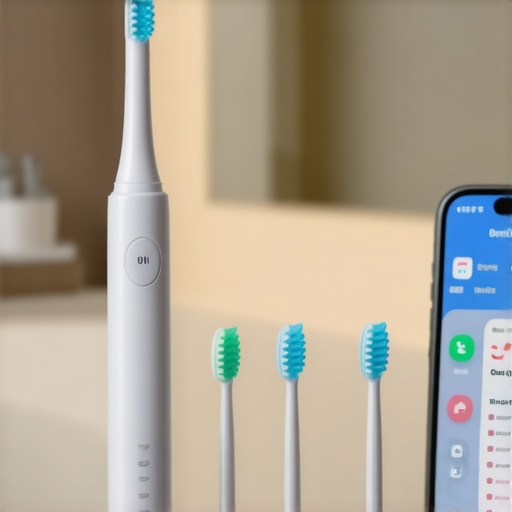
I personally prefer high-grade electric toothbrushes like the Philips Sonicare DiamondClean. Its sonic technology produces up to 62,000 brush strokes per minute, effectively disrupting plaque and reaching difficult areas. Unlike standard brushes, this device offers consistent power, which is crucial for maintaining oral hygiene, especially for individuals with sensitive gums or limited dexterity. Pair it with soft, interdental brushes such as the TePe Interdental Brushes to clean between teeth—a step often overlooked but vital for preventing cavities and gum disease.
Smart Monitoring and App Integration
To keep track of your brushing and flossing, I recommend using smart devices like the Toothbrush with Bluetooth connectivity that syncs with apps to monitor technique, duration, and coverage. These apps provide real-time feedback, helping you improve your habits systematically. I’ve found that regular use of such tools significantly boosts compliance and ensures you’re cleaning every nook and cranny effectively. For example, the ultimate guide to teeth cleaning discusses how proper tools and tech can enhance results.
Professional-Grade Disclosing Agents
To ensure no plaque is left behind, especially after scaling or deep cleaning, I use disclosing solutions like Eisenbacher Disclosing Tablets. They stain plaque, making it visible and easy to target in your next brushing session. My recommendation is to use these weekly as a quick audit, reinforcing good habits and highlighting areas needing attention.
Digital Imaging and Scheduling Software
For long-term planning, I utilize software like Dentrix Ascend or Open Dental that allows for tracking maintenance routines, setting reminders, and documenting progress. These tools are invaluable for both dental professionals and proactive patients aiming to prevent issues before they arise, aligning with the long-term strategies for oral health.
Future Trends and Innovations
Looking ahead, I predict an increase in AI-powered diagnostics and personalized oral care solutions. Wearable devices that monitor saliva pH and bacterial levels could become standard, providing real-time feedback and tailored recommendations. Staying ahead involves embracing these technological evolutions now, so your routine remains effective in the face of changing dental science.
How do I maintain effective tool use over time?
Regularly updating your tools is essential. For instance, replacing electric brush heads every three months maintains optimal performance. Additionally, investing in credible software updates and syncing your devices ensures data accuracy. Most importantly, consult your dental professional periodically for tailored advice—which might include revisiting your tools or adopting new innovations. And for families, incorporating these tools into your daily routine can keep everyone’s smiles healthy, from kids to seniors, making maintenance less of a chore and more of a habit. Learn more about family-friendly dental routines to make oral health effortless.
Remember, combining the right equipment with consistent, knowledgeable use creates a powerful foundation for long-term oral health. Why not try using a disclosing tablet this week to spot-check your plaque levels? It’s a simple yet effective way to validate your technique and refine your routine.
My journey into effective gum care taught me that sometimes, the simplest solutions pack the most powerful punch. Discovering the true potential of saltwater rinses wasn’t just about alleviating swelling—it transformed how I approach daily oral health. This experience underscored that small, consistent actions often yield the most profound results, especially when rooted in natural remedies that honor our body’s innate healing abilities.
The Surprising Power of Small Habits You Might Be Overlooking
One key lesson I learned is that dedicating just five minutes a day to a saltwater rinse can significantly reduce inflammation and bacteria. Many people assume that complex treatments or expensive products are necessary for gum health, but the truth is, consistency with a simple saltwater routine can often be the game-changer. Incorporating this habit into your daily routine is a small step with immense long-term benefits, helping you avoid more invasive procedures down the line.
Why Trust a Time-Honored Remedy Like Saltwater
I’ve found that embracing age-old natural remedies like saltwater rinses fosters a sense of empowerment and mindfulness about our health. This method isn’t a fad; it’s backed by centuries of dental wisdom and supported by modern studies, such as those published in the Journal of Clinical Periodontology. Using it correctly—proper timing, correct salt concentration, and consistent frequency—amplifies its benefits. Remember, tools like comprehensive teeth cleaning guides reinforce how vital simple habits are in maintaining oral health.
Integrate Your Saltwater Routine into Your Lifestyle
Consistency is key—brushing twice daily is just the beginning. Pairing it with a saltwater rinse after meals provides a natural way to keep bacteria at bay and promote healing. Over time, I noticed my gums became less swollen, more resilient, and healthier-looking—proof that small, deliberate steps matter greatly. Think of it as giving your gums a gentle reset, much like a refresh button that keeps your smile bright and your mouth comfortable.
Take Charge of Your Oral Game—The Next Step
Are you ready to harness the power of simple, natural remedies like saltwater rinses? Do make it a part of your daily routine and observe how your gums respond. Remember, a healthy smile is built on consistent habits and informed choices. For more insights into holistic dental care, explore our family dental tips or consider consulting a professional who can tailor solutions specific to your needs. What small change will you try today to improve your gum health? Share your thoughts below and let’s support each other’s journey to better oral wellness.