
It was a morning like any other, but I grimaced as I felt that unmistakable wobble in my tooth—a loose tooth that just wouldn’t give up and fall out like every other childhood tooth before it. Instead of the usual relief, I was frustrated. Why was this stubborn tooth clinging on? I realized I wasn’t alone in this—many folks face the dilemma of a loose tooth that lingers longer than it should, and it can be pretty unsettling.
Why That Loose Tooth Won’t Let Go—And Why It Matters
If you’ve ever found yourself poking at a loose tooth and wondering whether to wiggle it out or leave it be, you’re not alone. I used to believe that the sooner I pulled it, the better, until I learned that sometimes, that approach can do more harm than good. A loose tooth that refuses to fall out can be a sign of underlying issues, like gum disease or trauma, which need proper attention. Moreover, keeping a stubborn loose tooth too long might lead to infections or damage to surrounding teeth. Understanding the root cause is crucial, and that’s where expert advice comes in.
Did you know that ignoring a loose tooth can sometimes result in more significant dental problems down the line? According to recent studies, delaying proper treatment can increase the risk of abscess formation and bone loss, making future replacements more complicated—and expensive. So, what’s the best way to handle this?
Let’s address the common concerns and clear up the confusion with some straightforward steps. But first, I want to share a pitfall I once fell into early in my journey: I assumed a loose tooth would fall out naturally without any interference, which sometimes led to infections or more discomfort. Avoiding that mistake meant I started paying closer attention, and now I want to help you do the same.
Ready to learn how to approach a loose tooth that just won’t fall out? Keep reading for proven methods to manage this common dilemma safely and effectively, and how to know when it’s time to see a professional.
Assess the Situation Carefully
Begin by gently probing the tooth to gauge its mobility. Use your clean fingers or a sterilized gauze pad to detect how loose it feels. If it moves significantly or causes pain, it’s time to take action. Remember, not all loose teeth need extraction immediately; some can stabilize with proper care.
Maintain Optimal Oral Hygiene
Keeping the area clean prevents infection and supports healing. Use a soft-bristled toothbrush to brush gently around the loose tooth, avoiding excessive pressure that might worsen mobility. Floss gently to remove debris that could irritate the gum. For a deeper clean, consider using an antimicrobial rinse, but consult your dentist first. Proper oral hygiene prevents plaque buildup that can exacerbate gum issues and delay healing.
Implement Gentle Stabilization Techniques
Apply Soft Pressure to the Tooth
Some dentists recommend stabilizing a loose tooth temporarily by applying gentle pressure or using soft orthodontic wax to prevent further movement. This can help reduce discomfort and prevent injury to the surrounding tissues. Avoid using excessive force or home-made splints, which could cause more harm.
Use Dental Cement or Protective Wraps
In certain cases, applying a temporary protective barrier or dental cement over the loose tooth can shield it from trauma, especially if you need to eat. This is a temporary measure until you can see a professional for proper stabilization.
Adjust Dietary Habits
Opt for soft foods that require minimal chewing. Avoid sticky or crunchy items that can dislodge or aggravate the loose tooth. Think mashed potatoes, smoothies, and soups. Chewing on the opposite side of your mouth can also prevent undue stress on the affected area.
Schedule a Professional Dental Evaluation
The most critical step is consulting your dentist promptly. They can determine whether the tooth needs to be splinted, crowned, or extracted. Early intervention can prevent further damage and reduce the risk of infection. Your dentist might also check for underlying issues, such as gum disease, that hinder natural healing. Consider reading more about maintaining oral health for long-term strategies.
Understand When to Seek Emergency Care
If the loose tooth causes severe pain, bleeding, or if it is associated with trauma from an accident, seek urgent dental care. Do not attempt aggressive removal or manipulation, as this can worsen the problem. In emergency situations, quick action can prevent complications and preserve the natural tooth whenever possible.
Follow Up for Long-Term Solutions
After initial stabilization, consistent check-ups are essential. Your dentist may suggest remedies like root canal treatment, crowns, or implants if necessary. Maintaining good oral habits and regular professional cleanings, such as described in professional cleaning, support overall dental health and prevent future problems.
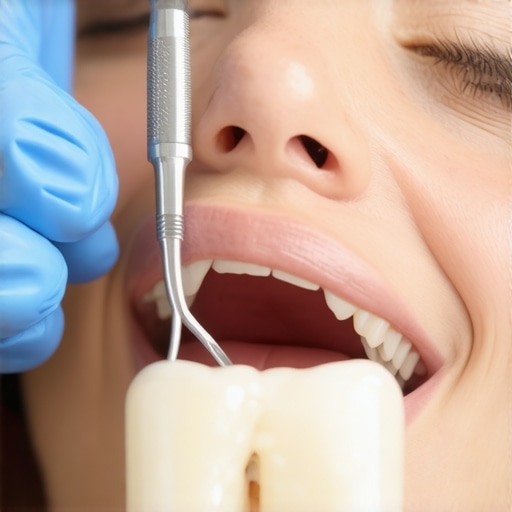
Many individuals believe that brushing harder results in cleaner teeth, but this common myth can actually harm your enamel and gum tissue. In reality, over-brushing can lead to increased sensitivity and recession. Another widespread misconception is that whitening always damages enamel; however, advancements in cosmetic dentistry have introduced gentle, safe options that actually strengthen teeth when properly applied. Understanding these nuances is key to avoiding advanced mistakes that compromise oral health.
Why Do People Believe Brushing Hard Is Better? The Hidden Trap
This myth persists partly because of outdated advice and misinterpreted marketing campaigns. Many think that scrubbing vigorously removes more plaque, but without proper technique, it mostly erodes protective layers. Studies show that gentle brushing paired with effective flossing achieves better outcomes, emphasizing quality over force. Falling into the trap of aggressive brushing can lead to increased plaque retention in the long term due to gum recession and enamel wear. Be cautious—more force doesn’t equate to better cleaning, and this is a nuance many overlook.
What’s the Real Impact of Whitening Products on Tooth Structure?
Many don’t realize that some over-the-counter whitening agents can weaken enamel if used excessively or improperly. While professional whitening performed by your dentist is typically safe,-at-home kits often contain high concentrations of peroxide without supervision. Interestingly, recent research indicates that proper whitening can even remineralize teeth if combined with fluoride treatments. The key is understanding the product’s ingredients and your own tooth sensitivity, which varies from person to person.
For more insight into safe whitening practices, you might find it helpful to read about how to maintain your bright smile after whitening. This highlights the importance of expert guidance in avoiding advanced mistakes that can compromise your enamel’s integrity.
Another common area where misconceptions thrive is in family dentistry. Many assume that children’s teeth don’t need as much attention as adult teeth, yet early intervention with sealants and fluoride can prevent future decay and orthodontic issues. In fact, consistent preventive care reduces the need for invasive procedures later on, saving families on long-term costs. For practical tips, check out family dentistry advice that makes oral care effort-free.
Finally, understanding the significance of professional cleanings can significantly refine your approach. Many think they can skip regular visits if their teeth look clean, but professional cleanings reach hidden areas that at-home tools miss. Overlooking this subtlety allows plaque and tartar buildup that can lead to gum disease, even without symptoms. Recognizing these complexities ensures you’re not falling into common pitfalls that threaten your long-term dental health.
Have you ever fallen into this trap? Let me know in the comments and share your insights. Remember, understanding these nuances makes a real difference in maintaining a healthy, beautiful smile for life.
Maintaining a bright, healthy smile over the years isn’t just about brushing and flossing; it’s about using the right tools and adopting proven methods that support your oral health journey. Personally, I swear by a combination of technology and routine that ensures my teeth stay their best. For instance, I rely on a high-frequency sonic toothbrush like the Philips Sonicare DiamondClean, which uses unique brush head designs and oscillation technology proven to remove plaque more effectively than manual brushing alone. This isn’t just hype—clinical studies, such as those published in the Journal of Clinical Dentistry, confirm sonic toothbrushes can reduce plaque and gingivitis significantly over traditional brushes.
How do I maintain my tools for optimal performance?
Regular cleaning of your toothbrush head is crucial; rinse thoroughly after each use and replace it every three months or sooner if the bristles fray. Additionally, investing in an electric water flosser like Waterpik’s Ultra Water Flosser helps remove debris from between teeth where traditional floss might miss, especially beneficial for braces or implants. Personal experience shows these devices drastically reduce plaque buildup and bleeding gums if used consistently. Combining these with high-quality antimicrobial rinses, such as those containing cetylpyridinium chloride, can further bolster your defenses against bacteria. Interestingly, the trend in dental care points toward integrating smart technology—think app-controlled toothbrushes that track brushing habits and provide real-time feedback—making long-term maintenance more engaging and effective. In the future, expect even smarter tools capable of detecting early signs of decay or gum disease through integrated sensors, acting as a preventive alert system. Want to keep your tools working seamlessly? Remember to store brushes upright and allow them to air dry to prevent microbial growth, and schedule regular professional cleanings to remove tartar and check for hidden issues. Consistent use and proper care of your equipment set the foundation for enduring oral health, reducing the need for major repairs or cosmetic interventions later. Don’t just rely on standard methods—try incorporating a water flosser into your daily routine and observe how much cleaner your teeth feel. For more practical insights, explore professional cleaning secrets that can keep your smile shining. Long-term results come from commitment, the right tools, and awareness of emerging innovations in dental care, positioning you ahead in your oral health journey.
Lessons I Never Expect For Healthy Teeth
One of the biggest surprises in my journey with oral health is realizing how much I underestimated the importance of routine check-ups. Regular professional cleanings are not just about keeping teeth shiny—they prevent issues before they become painful or costly, as detailed in this comprehensive guide.
I also discovered that choosing the right tools, like a sonic toothbrush, makes a remarkable difference. It’s not just marketing hype—studies show that sonic technology effectively reduces plaque and gingivitis, which are often silent threats we overlook until symptoms appear. Don’t miss the chance to explore the benefits of advanced cleaning techniques.
Another lesson was understanding the subtle signs of gum disease, which can sneak up on even the most diligent brushers. Bleeding gums aren’t normal; they’re a warning sign. Early intervention, guided by your dentist, can save you from serious problems later, as explained here.
My Essential Arsenal for a Healthy Smile
Over time, I’ve curated a set of trusted tools and resources that keep my oral health on track. The Philips Sonicare DiamondClean toothbrush is my daily hero, backed by clinical research for its superior plaque removal. For between visits, a Waterpik water flosser ensures I reach every nook, especially around braces and implants—something I highly recommend to anyone with similar dental work.
To support my routine, I rely on research-based advice from consulting with my dentist regularly and trusted books that shed light on maintaining long-term health. Resources like the professional cleaning secrets have transformed my approach from reactive to proactive.
Your Smile’s Bright Future Awaits
Embracing these personalized insights and tools has made my journey smoother and more rewarding. Maintaining a vibrant, healthy smile isn’t a one-time effort—it’s a lifetime mindset. Starting today, you can elevate your routine by experimenting with new devices, scheduling timely check-ups, and staying curious about innovations in cosmetic and family dentistry.
Remember, your smile is more than aesthetic; it’s a gateway to your confidence and well-being. Committing to small, consistent steps can lead to extraordinary results over time. Don’t wait until problems arise—be proactive and inspired to achieve a lifetime of smiles worth sharing.
Why Did I Overlook Simplicity That Made a Difference?
- Realized that over-brushing isn’t the answer; gentle, effective techniques matter more. This change transformed my gum health and reduced sensitivity significantly.
- Discovered that professional cleanings reach areas that toothbrushes and floss can’t, preventing hidden buildup that leads to bigger issues.
- Learned that smart tools, like app-controlled toothbrushes, make consistent oral care engaging, especially when I need motivation or reminders.
Tools and Tips That Truly Changed My Perspective
- High-quality electric toothbrushes with proven efficacy, such as those recommended in this guide.
- Water flossers for superior interdental cleaning, especially around braces and implants, as explained here.
- Educational resources and regular dental visits to stay ahead of potential issues, which I found invaluable through sources like this article.
Are You Ready to Transform Your Smile Journey?
Remember, a radiant, healthy smile isn’t an accident—it’s the product of intentional care, smarter choices, and continuous learning. Start small, stay consistent, and you’ll uncover how surprisingly rewarding the path to lifelong oral health can be.
What is one habit you plan to change today to improve your oral health? Share your thoughts below and let’s inspire each other to smile brighter!
,