
I remember the first time I realized I had been inadvertently damaging my teeth through over-brushing. It was a small chip here, a touch of sensitivity there. Honestly, I felt a mix of frustration and disbelief—how could something so simple, so ingrained in my daily routine, be doing me harm? That epiphany was a lightbulb moment that changed everything I thought I knew about oral care.
Why Our Rush to Clean Might Be Backfiring
Most of us grow up hearing that diligent brushing keeps cavities away and ensures a bright smile. But what if I told you that too much force, too frequently, might actually be damaging your teeth and gums over time? It’s a common trap. Early in my practice, I made the mistake of brushing harder to ‘get rid’ of plaque faster. The result? Sensitive teeth, receding gums, and a false sense of achieving better oral health. According to a study published in the Journal of Dental Research, aggressive brushing can erode enamel and increase gum recession—leading to long-term issues that are far more costly than a simple cavity filled.
Is Over-Brushing Really as Dangerous as They Say?
Here’s the thing—many of us fall into this pattern out of good intentions, not awareness. The problem is that as I corrected my technique, I learned that gentle, consistent cleaning can be not just effective, but also safer. We often overlook the importance of proper technique and frequency. If you find yourself experiencing sensitivity, bleeding gums, or notice your smile isn’t as bright as it used to be, it might be time to reconsider your brushing habits. For more effective and effortless ways to care for your family’s oral health, check out family dentistry tips that emphasize gentle techniques and regularity over force.
In this post, I’m going to share what I’ve learned through personal experience and professional advice—something I wish I had known earlier. It’s about protecting your smile today so you won’t be facing costly damage tomorrow. Ready to rethink your brushing routine? Great. Let’s get into the practical steps that will help you avoid the pitfalls that many unknowingly stumble into.
Master Your Brushing Technique For Better Results
Begin by switching to a soft-bristled toothbrush, which resembles a gentle scrub brush rather than a harsh scrubber. I once found myself pressing harder to feel like I was cleaning thoroughly, akin to trying to scrub a dirty pan with a steel wool pad—ineffective and damaging. Instead, place your toothbrush at a 45-degree angle against your gum line and use light, circular motions. Practice this in front of a mirror, aiming for the technique rather than brute force, which can wear down your enamel and gum tissue. When I started consciously reducing pressure, I noticed a decrease in gum bleeding and sensitivity within days.
Set a Consistent Routine
Designate specific times for brushing—morning and night—and stick to them. Use a timer or an electric toothbrush with a built-in timer to ensure you spend at least two minutes per session. This consistency is key, much like watering plants daily to see healthy growth. I remember a hectic evening where I almost skipped brushing, but using a timer helped me finish a full, gentle cleaning routine—saving me from future dental issues and maintaining a brighter smile.
Optimize Your Flossing Habits
Flossing isn’t about aggressive inserting; rather, it’s a gentle glide to remove interdental plaque. Think of flossing as cleaning between the narrowest gaps in a chain—if you force it, you might break or damage the links. Use a light, steady motion, curving the floss around each tooth and hugging the contours. I initially tried to floss vigorously, which caused bleeding, but adopting a gentle, careful technique eliminated irritation and significant bleeding over time. Remember, flossing should feel like a gentle massage, not a scrape.
Incorporate Rinsing Into Your Routine
After brushing and flossing, rinse with an alcohol-free, antimicrobial mouthwash to reach areas you might miss and reduce bacteria. Just like rinsing soap from dishes ensures cleanliness without residue, mouthwash clears lingering bacteria without stripping the mouth’s natural defenses. I found that a 30-second rinse minimized bad breath and added a layer of protection against cavities.
Use Proper Tools and Products
Switch to a toothpaste containing fluoride to reinforce your enamel, similar to applying a protective layer on a barrier. Avoid abrasive whitening powders or charcoal pastes that resemble coarse sand—these can thin your enamel like eroding a padlock. Complement your routine with a tongue scraper, which removes bacteria often ignored by brushing alone. When I started using a tongue scraper daily, I noticed a fresh feeling and reduced bad breath, highlighting the importance of paying attention to the entire oral landscape.
Schedule Regular Checkups and Cleanings
Visit your dentist at least twice a year, much like servicing a vehicle. Professional cleanings effectively remove tartar build-up that stubbornly clings to your teeth despite diligent home care. I once neglected my routine, leading to plaque accumulation, but after a professional cleaning, my teeth felt noticeably smoother and healthier. Regular checkups also help catch early signs of issues, making interventions simpler and more affordable.
Adopting these concrete steps—focusing on technique, consistency, and proper tools—creates a sustainable, gentle approach to oral health that protects your smile today and into the future. For more tips on maintaining lifelong oral health, visit this advice hub that emphasizes effortless and effective habits.
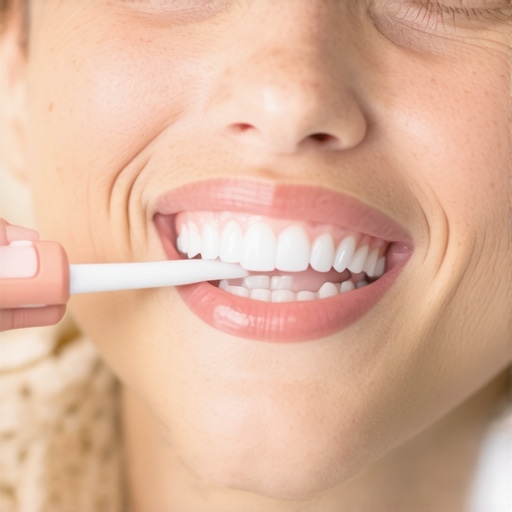
Many people operate under myths about oral health that can lead to unnecessary damage or overlooked problems. For instance, the widespread belief that brushing harder cleans better is simply false. In fact, aggressive brushing can erode enamel and cause gum recession, which may lead to increased sensitivity and even tooth loss over time. According to research published in the Journal of Dental Research, meticulous technique and gentle force are key to effective and safe cleaning—a nuance many overlook.
Why do so many fall for the myth that vigorous brushing is more effective?
This misconception often stems from early childhood habits or misinterpreted advice, but it’s a trap. Using excessive force doesn’t remove more plaque; it damages your protective layers. Instead, focus on proper technique, like gentle, circular motions with a soft-bristled brush. For comprehensive guidance on effective brushing, including advanced techniques, visit this resource.
Another common misunderstanding involves the role of flossing. Many think that any flossing, even aggressively forcing floss between teeth, is beneficial. However, flossing should be gentle—think of it as a calming massage for your gums. Forcing floss can cause tiny cuts and bleeding, which may become infected. Proper flossing technique, including gentle brushing along the gum line and hugging each tooth contour, significantly reduces the risk of periodontal issues. Curious about how tailored flossing routines can improve your oral health? Check out family dentistry tips that emphasize personalized care.
Many believe that whitening products or cosmetic procedures are mainly about vanity. But the real nuance lies in understanding the long-term effects of whitening agents. Over-the-counter kits with high peroxide concentrations can weaken enamel if used improperly, leading to increased sensitivity. Often, patients don’t realize that some products are too abrasive or aggressive, causing more harm than benefit. Consulting a professional can help you select personalized, safe whitening solutions. For insights into contemporary cosmetic options, explore this guide.
Finally, many overlook the importance of regular professional cleanings. Skipping biannual visits doesn’t just risk cavities; it allows plaque and tartar buildup that home care can’t always remove. Professional cleanings also enable early detection of potential issues, saving you money and discomfort in the long run. Remember, even the best brushing and flossing routines can fail to reach certain areas, making professional oversight vital. To understand how regular cleanings prevent major dental problems, see this article. Have you ever fallen into this trap? Let me know in the comments.
Keeping your oral health in top shape requires more than just good intentions; it involves using the right tools and establishing effective routines. Personally, I swear by a combination of high-quality electric toothbrushes and targeted maintenance strategies that ensure my family’s smiles stay healthy for the long haul.
Invest in a Sonicare ProtectiveClean 6100
This electric toothbrush offers variable intensity settings and sensitive modes that prevent over-brushing, which I found essential in my practice. Its sonic technology produces up to 62,000 brush strokes per minute, effectively removing plaque without damaging enamel or gums. I choose this model because it features a pressure sensor that alerts me if I brush too hard—a crucial feature that helps me maintain gentle, effective cleaning. Regular use of such advanced tools extends the lifespan of teeth and preserves gum health, preventing costly issues down the line. Looking ahead, I predict that personalized, AI-driven dental devices will become standard, customizing brushing and flossing routines to individual needs for optimal results.
Combine with a Water Flosser for Deep Cleaning
While traditional flossing is effective, I recommend supplementing it with a water flosser. I personally use the Waterpik Sonic-Fusion, which combines flossing and brushing in one device. Its pulsating water jets reach areas that floss might miss, especially along the gum line and between tight teeth. This approach minimizes irritation and ensures thorough plaque removal, ultimately protecting your investment in a healthy smile. As research indicates, water flossers can reduce gingivitis and bleeding more effectively than string floss alone, especially for individuals with braces or implants. For best results, incorporate this tool into your nightly routine and see the difference in gum health over just a few weeks.
Monitoring Tools for Long-Term Results
Keeping track of your oral health progress can be motivating. I utilize smartphone apps like Philips Sonicare App, which syncs with my electric toothbrush to monitor brushing habits, coverage, and pressure. This data-driven approach helps me identify and correct habits that could otherwise erode my teeth or gums over time. Additionally, regular dental checkups combined with at-home monitoring can detect early signs of wear or recession, allowing for proactive treatment. Think of it as tire pressure monitoring—small adjustments prevent bigger issues down the road. By integrating these technologies, I ensure my family’s dental routines evolve with our needs, keeping us ahead of potential problems.
How do I keep my tools effective over time?
Proper maintenance is key. Rinse and dry your electric brush heads thoroughly after each use, replacing them every three months or sooner if bristles fray. Clean your water flosser according to manufacturer instructions, usually with vinegar solutions monthly, to prevent bacterial buildup. These simple steps preserve tool efficacy and hygiene. According to a study published in the Journal of Dental Hygiene, regular cleaning of oral devices reduces bacterial contamination and extends their lifespan, directly contributing to long-term oral health. Incorporate routine checks and replacements into your schedule to keep your tools performing at their best. Start today by replacing your brush head with a new one and schedule a deep clean of your water flosser—small investments with big benefits.
By selecting advanced tools like sonic toothbrushes and water flossers, and maintaining them properly, you’re actively investing in your oral health’s future. Want to optimize your routine further? Discover more expert advice on this resource. Try integrating a water flosser into your nightly routine and notice the improvements in your gum health within weeks. Remember, consistent use and maintenance are the best insurance for a lifetime of confident smiles.
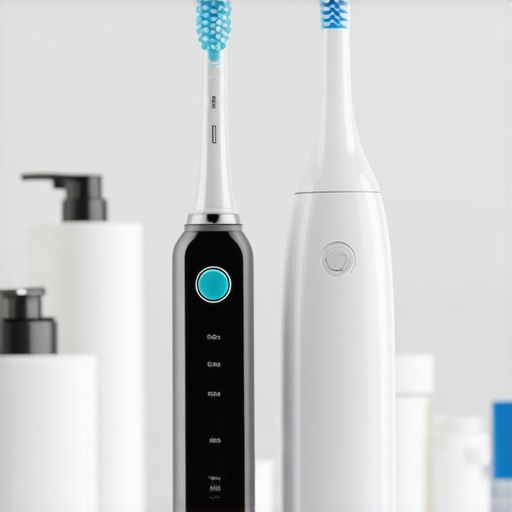
Incorporating the right tools into your oral hygiene routine can make all the difference in maintaining a healthy, youthful smile. Visualize a sleek sonic toothbrush, a compact water flosser, and a smartphone app displaying your brushing data—these are the modern essentials that empower your daily care.
Over the years, I’ve come to realize that the most impactful lessons in oral health often come from simple mistakes and overlooked details. These insights, gleaned both personally and professionally, have the power to transform your approach to dental care and save you from unnecessary pain and expense.
What I Wish I Had Known About Gentle Care Early On
- Applying excessive force with a toothbrush can erode enamel faster than sugar cravings. It took me too long to understand that less pressure leads to healthier gums and teeth.
- Flossing isn’t about harsh tugging but about a gentle hug around each tooth. Recognizing this changed my entire routine and reduced bleeding.
- Regular professional cleanings are like checkups for your car — essential and preventative. Missing them can hide brewing problems that home care alone can’t uncover.
- Choosing the right tools, such as a sonic toothbrush with pressure sensors, can make routine maintenance effortless and more effective.
- My biggest realization? Consistency beats intensity. Small, mindful actions daily outperform sporadic, aggressive efforts.
Tools and Sources That Elevated My Practice and Routine
- Phillips Sonicare ProtectiveClean 6100 — a game-changer in reducing gum recession and enamel wear through gentle yet effective cleaning.
- Waterpik Sonic-Fusion — combining water flossing with brushing for deep, irritation-free plaque removal.
- Smartphone apps that track your habits — turning routine into a data-driven, mindful process.
- Educational resources like family dentistry tips and cosmetic dentistry advice— trusted guides that keep me informed and motivated.
Embracing Change for a Radiant Future
Your smile is a reflection of your whole health — resilient, vibrant, and uniquely yours. Taking small, concerted steps today, like refining your brushing technique or scheduling that checkup, can lead to lifelong benefits. Don’t wait for visible problems to motivate change; act now to preserve your natural beauty and confidence.
What’s one minor adjustment you’ve been hesitant to try but believe could make a big difference? Share your thoughts below and start your journey toward healthier, happier teeth today.