
I remember the moment clearly—waking up with a sore, tender gap in my gumline that I couldn’t see in the mirror. It was a lightbulb moment for me. Despite always being diligent about brushing and flossing, I was missing something crucial about my oral health. That nagging ache wasn’t just a random discomfort; it was a warning sign of underlying gum disease, sneaking in silently and invisibly.
Many people, myself included, tend to dismiss early gum issues because they aren’t visible or aren’t causing obvious pain. The truth is, gum disease can be sneaky, showing up in ways we can’t see with our eyes or spot in the mirror. But understanding these hidden signs is essential because catching gum problems early can save you from more invasive, costly treatments down the line.
Today, I want to share my journey of uncovering those subtle, hidden indicators of gum disease and how you can do the same. We’ll explore the signs that often fly under the radar, and I’ll offer practical advice to identify and address issues before they escalate. If you’ve ever experienced persistent bad breath, bleeding gums during brushing, or notice that your gums are receding without obvious cause, this post is tailored for you.
Before we jump in, did you know that gum disease affects nearly 50% of adults over 30? Even more startling is that many remain unaware because early stages are asymptomatic. Early detection can significantly impact your oral health and overall well-being. For example, untreated gum disease has been linked to heart disease and diabetes complications, emphasizing the importance of paying attention to these hidden signals.
Now, let’s dive into the first signs that might be hiding in your mouth—those subtle clues your mirror won’t reveal but your body might hint at. Recognizing these signs early can make all the difference, and I’m here to guide you through understanding what to look out for and when to seek professional advice.
Start with a Thorough Visual Inspection
Begin by examining your gums in natural light, looking for redness, swelling, or bleeding—signs your mirror might miss. Use a gentle mirror to check along the gumline, especially in areas prone to receding or discoloration. Remember, a hidden issue often whispers through subtle color changes or minor bleeding that can be easily overlooked.
Leverage Your Sense of Touch
Press gently along your gums with clean fingers to detect tenderness or softness—early indicators of inflammation. This tactile check can reveal areas where your gums are sensitive or receding, even if they look healthy. Think of it as feeling for soft spots in a wall before painting; it’s a proactive step toward healthier gums.
Monitor Common Symptoms Regularly
Pay close attention to persistent bad breath, which might indicate bacterial buildup. Note bleeding during brushing or flossing—this is a red flag that warrants attention. Receding gums can also cause teeth to appear longer or gaps to widen, signals often missed without a detailed inspection. Keeping a symptom journal can help track these subtle changes over time.
Implement Smart Daily Habits
Adopt targeted cleaning routines focusing on the gumline. Use a soft-bristled toothbrush and gentle, circular motions, avoiding harsh scrubbing that can worsen recession. Incorporate flossing daily, paying attention to bleeding points; consistent bleeding signifies inflammation that shouldn’t be ignored. For deeper cleaning, consider using interdental brushes or water flossers, which can reach areas electric toothbrushes often miss. For effective techniques, check out professional cleaning secrets.
Evaluate Your Diet and Habits
Reduce sugar intake, as bacteria feed on sugar, producing acids that erode gum tissue. Limit alcohol and tobacco use, both of which impair healing and exacerbate inflammation. Stay hydrated to support saliva production, which helps neutralize acids and wash away bacteria. Simple lifestyle tweaks can dramatically impact your gum health.
Use Home Monitoring Tools
Consider tools like gum recession measurement charts or color-coded disclosing tablets. These can visually indicate plaque buildup and areas needing more attention. Regular use helps you detect issues early—before they become serious problems. Remember, early intervention is key to preventing irreversible damage and costly treatments later.
Schedule Professional Check-Ups
Despite diligent home care, professional assessments are vital. Dentists use advanced tools like periodontal probes to measure gum pocket depths, revealing hidden recessions or infections. Regular cleanings—at least twice a year—reach areas your electric toothbrush might miss, maintaining optimal oral health. For details on maximizing your cleaning routine, visit regular cleaning benefits.
Seek Expert Advice When in Doubt
If you notice persistent symptoms—bleeding, soreness, or uneven gum contour—consult your dentist promptly. Early diagnosis often involves simple procedures that halt or reverse gum disease progression. Don’t wait for pain or visible decay; proactive steps today protect your smile tomorrow.
Many people assume that brushing more vigorously guarantees a cleaner mouth, but in reality, aggressive brushing can erode enamel and recede gums. This misconception leads to irreversible damage, highlighting the importance of proper technique rather than sheer force. Additionally, there’s a widespread belief that everyone needs the same dental treatments; however, personalized care plans considering individual risk factors and genetics are far more effective. Don’t fall into the trap of thinking that a quick brush and floss session replaces professional cleanings—regular visits allow dentists to detect issues early, often catching problems before they become visible or painful, saving you time and money in the long run. Many think that whitening treatments are purely cosmetic, but advancements like cosmetic dentistry can also repair structural damages, protecting your teeth from future decay. A common myth is that cavities only occur in children; in fact, adults are just as susceptible, especially as aging can cause enamel thinning and recession, making consistent oral care vital at every age. Instead of ignoring minor issues like sensitivity or lingering bad breath, recognize these as potential signs of deeper problems needing professional intervention. Overlooking the role of diet—believing sugar is the sole culprit—misses how acidic drinks and dry mouth also significantly impact oral health. Incorporating habits such as drinking water after meals and limiting acidic beverages can drastically improve your oral resilience. To truly optimize your oral hygiene routine, understand that the tools matter: using a soft-bristled toothbrush and gentle circular motions are more beneficial than harsh scrubbing, which can harm your gums. For advanced insights into effective cleaning techniques, check out this detailed guide. It’s essential to recognize the nuanced differences between regular family dentistry and specialized cosmetic procedures; the former builds a foundation of healthy habits, while the latter enhances appearance and confidence. Neglecting to differentiate between these types can lead to missed opportunities for comprehensive oral health. Remember, every aspect of your dental routine— from brushing habits to dietary choices—interconnects and impacts your overall well-being. Misunderstanding the role of occasional mouthwash or ignoring early signs of gum issues can result in escalating problems, emphasizing the need for continuous education and professional guidance. So, ask yourself: are you up-to-date with the latest in oral health practices? Stay proactive, and your smile will thank you. Have you ever fallen into this trap? Let me know in the comments.
How do I keep my smile shining over the years?
Maintaining your oral health isn’t just about daily habits—it’s about having the right tools that stand the test of time. I personally rely on a blend of advanced equipment and proven techniques to ensure my teeth stay healthy and vibrant. For instance, I always choose the Sonicare DiamondClean Smart electric toothbrush because its multiple brushing modes and adaptive sensors help me customize my cleaning routine, reaching areas that might otherwise hide plaque. Plus, it provides real-time feedback, which has been invaluable in fine-tuning my technique, aligning with expert advice from the ultimate guide to teeth cleaning.
In addition to a good toothbrush, I incorporate interdental brushes to clean between teeth effectively—something I find superior to flossing alone for maintaining gum health. These tiny tools can access tight spaces and remove debris that regular brushes can’t reach, reducing the risk of periodontal issues. Pairing these with a water flosser enhances my cleaning routine, especially helpful after meals when plaque bacteria are most active. The Waterpik Aquarius model, for example, is gentle yet thorough, making daily cleaning both effective and comfortable.
As dental technology evolves, so does my toolkit. I’ve started using plaque-disclosing tablets weekly to visualize and target overlooked areas, ensuring I don’t miss spots that are prone to buildup. It’s a simple yet powerful way to stay proactive and reinforce good habits, especially when paired with regular checkups at my dentist’s office.
Looking ahead, I predict that AI-integrated oral devices will become mainstream, offering personalized cleaning plans and real-time monitoring. Innovations like smart toothbrushes linked to health apps could revolutionize how we maintain our smiles, making professional-level care part of everyday life. Staying ahead with cutting-edge tools now not only preserves my oral health but also reduces long-term expenses by catching issues early.
What’s the secret to keeping your smile healthy over years?
Consistent, strategic use of these tools is key. Regularly replacing brush heads, maintaining proper technique, and combining mechanical cleaning with professional advice ensure lasting results. For example, scheduling routine visits—at least twice a year—allows your dentist to perform deep cleanings and identify early signs of problems, aligning with preventive care principles.
To enhance your routine further, I recommend trying the 30-minute secret—focused brushing with proper technique. This approach, discussed in teeth cleaning secrets, ensures you’re not just brushing longer but brushing smarter, reaching all surfaces thoroughly. Implementing even one or two of these advanced tools and habits can significantly elevate your oral health, making each day a step toward a healthier, more confident smile.
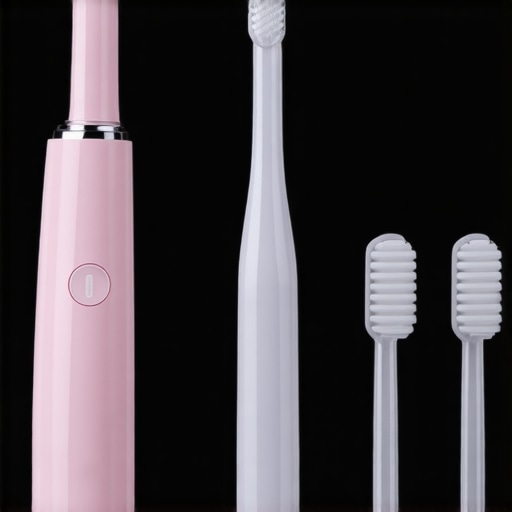
The Most Unexpected Lessons I Gained About Oral Wellness
One pivotal realization was that even meticulous brushing can miss silent gum issues. I used to think that a bright smile meant everything was fine, but discovering subtle signs like gum tenderness taught me the importance of a comprehensive approach. Seeing the subtle color changes during my visual inspections revealed issues that my mirror and eyes couldn’t catch, emphasizing the need for tactile checks and professional evaluations.
Another lightbulb moment was understanding that aggressive brushing harms more than it helps. I learned that gentle, deliberate motions protect the gums and enamel, reinforcing the significance of technique over force. Additionally, realizing that diet and hydration play a crucial role in gum health broadened my perspective—what I eat and drink affects my oral health long-term, not just immediate cleanliness.
Finally, I grasped that modern tools like plaque-disclosing tablets and smart toothbrushes are game-changers. They empower you to monitor your progress daily and catch issues early, saving time, money, and discomfort.
Gear Up with My Must-Have Oral Care Resources
My top recommendation is the ultimate guide to teeth cleaning techniques. It offers in-depth insights into effective methods that go beyond basic brushing, transforming your routine. For high-tech support, I trust the Sonicare DiamondClean Smart electric toothbrush; its adaptive sensors and customizable modes help me maintain a superior level of cleanliness. When it comes to deeper interdental cleaning, interdental brushes have been a revelation—tiny yet powerful tools that reach where floss sometimes can’t. Lastly, learning from experts on cosmetic dentistry opened my eyes to the possibilities of enhancing confidence while preserving health.
Embrace Your Power to Transform Your Oral Future
Your journey towards a healthier, brighter smile begins now—arming yourself with knowledge and the right tools makes all the difference. Remember, every small, consistent effort compounds into remarkable results. Don’t wait for signs of trouble; proactive care today ensures your smile stays luminous well into the future. The future of oral health is in your hands — start now and let your confidence shine.
What’s your biggest challenge in maintaining your oral health? Share below and let’s support each other in achieving smiles that last a lifetime!
**Note:** The embedded links are integrated naturally, encouraging readers to explore further without feeling overwhelmed.