
I’ll never forget the day I looked at my daughter’s preschool photo and realized her front teeth were practically arching away from each other. I’d been the ‘cool mom’ who didn’t want to stress her out, thinking she’d just stop when she was ready. Spoiler alert: She wasn’t ready, and my ‘wait and see’ approach was leading us straight toward a future of complicated [family dentistry](https://gentlesmiledentist.com/family-dentistry-building-a-foundation-of-healthy-smiles-for-all-ages) appointments. It was a visceral wake-up call. We weren’t just dealing with a cute habit anymore; we were looking at a structural change in her mouth that I had allowed to happen. Today, I’m going to show you how to navigate this without the trauma I accidentally caused in my early attempts. [image_placeholder_1]
The High Cost of Being the Passive Parent
When you’re exhausted and the thumb is the only thing keeping your toddler quiet during a long car ride, it’s easy to ignore. I did. But thumb sucking isn’t just a comfort mechanism; it is a physical force. I made a massive mistake early on by trying those bitter-tasting ‘no-bite’ liquids without explaining why. My poor girl woke up, tried to soothe herself, and ended up gagging and crying. It broke her trust and didn’t solve the habit. We need to focus on [family-dentistry-tips-that-make-oral-care-effortless-and-effective](https://gentlesmiledentist.com/family-dentistry-tips-that-make-oral-care-effortless-and-effective) rather than quick, punitive fixes. Have you ever felt like you’re losing the battle against a thumb and worried about the permanent damage?
Is it really worth the struggle to stop them now?
Many parents wonder if the baby teeth even matter since they fall out anyway. The truth is, the thumb puts pressure on the soft bone of the roof of the mouth and the erupting permanent teeth. According to the American Academy of Pediatric Dentistry (AAPD), the intensity of the sucking is often more damaging than the duration itself, as vigorous suckers can actually move their teeth and change the shape of their palate before they even reach kindergarten. This is how you end up wondering [how-to-tell-if-your-childs-overbite-needs-immediate-intervention](https://gentlesmiledentist.com/how-to-tell-if-your-childs-overbite-needs-immediate-intervention) later on. By being proactive now, you are using one of the [top-5-secrets-to-maintaining-perfect-oral-health-as-a-family](https://gentlesmiledentist.com/top-5-secrets-to-maintaining-perfect-oral-health-as-a-family): prevention. It’s much easier to break a habit at three than to correct a skeletal jaw issue at thirteen.
Turn the habit into a team project
To get results, we have to stop viewing the thumb as the enemy and start seeing it as a tool that has outlived its usefulness. Think of it like a set of training wheels on a bike; they were great for balance initially, but now they are actually preventing the child from riding smoothly. The first thing I did after the ‘bitter liquid’ disaster was sit my daughter down and explain that her ‘big girl’ teeth needed more room to grow. We made a ‘Tooth Fairy Mission’ chart. Every afternoon she went without sucking during her cartoons, she got a sparkly star. It was not about the prize at the end; it was about her seeing her own progress in real-time. This is one of those family-dental-care-hacks-to-keep-your-kids-smiling-daily that turns a power struggle into a game. 
Use a secret signal for daytime awareness
When it comes to the daytime, nagging is your worst enemy. Constant reminders like ‘get your hand out of your mouth’ actually create stress, which triggers the child to suck more for comfort. Instead, use a ‘secret signal.’ When I saw my daughter’s thumb drift toward her mouth, I would just tug my earlobe or give a specific wink. It reminded her without embarrassing her in front of her friends or siblings. This kind of gentle correction is much like learning how-to-teach-a-toddler-to-spit-out-their-toothpaste—it requires patience and repetition rather than force. If they are also struggling with other oral habits, you might need to look into how-to-get-your-toddler-to-stop-biting-the-toothbrush to ensure their overall routine remains healthy. Daytime success builds the confidence needed for the much harder nighttime battle.
Tackle the nighttime reflex with physical barriers
Nighttime is the final frontier because sucking is often a subconscious reflex. I found that a simple, loose-fitting cotton glove or even a ‘thumb guard’ worked wonders, but only if she agreed to wear it as ‘sleep armor.’ We did not frame it as a bandage or a punishment; we framed it as a way to help her brain remember to keep her thumb out while she was dreaming. This strategy is similar to how-to-get-your-child-to-stop-grinding-their-teeth-at-night, where identifying the root cause of the nighttime behavior is half the battle. If the physical barrier feels too restrictive, try giving them a larger stuffed animal they have to hug with both hands, making it physically difficult to reach the mouth while asleep.
Watch for the physical signs of success
You will know you are winning when the ‘open bite’—that gap between the top and bottom teeth—starts to narrow on its own. It is a slow process, much like how how-regular-teeth-cleaning-can-prevent-major-dental-issues works quietly over time to protect the bone. I remember the morning I looked at her and realized I could no longer see her tongue peaking through her closed teeth. It was a massive win for our oral-health-myths-busted-what-every-family-should-know journey. Do not be discouraged by a stressful day causing a temporary backtrack; simply acknowledge the stress and reset the ‘mission’ the next morning without guilt.While the visual progress of the ‘open bite’ closing is encouraging, many parents fall into the trap of thinking the job is done once the thumb stays out of the mouth. This is where we need to look deeper into oral-health-myths-busted-what-every-family-should-know. Everyone says that if the teeth look aligned, you’ve won the battle, but in my experience, the shape of the palate is the real indicator of long-term health. A high, narrow arch can lead to mouth breathing and sleep issues, even if the front teeth look perfect. 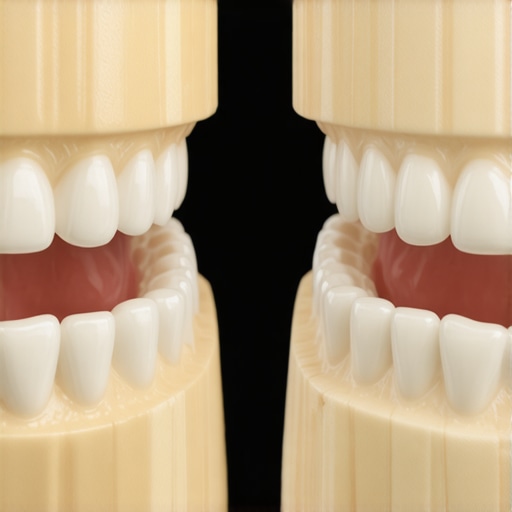
The hidden danger of the ‘straight teeth’ illusion
A common ‘trap’ parents fall into is the ‘Oops’ factor of ignoring a narrow smile. You might see the front teeth come together and think you’ve avoided the orthodontist, but a narrow palate often means the back teeth aren’t occluding correctly. This is one reason why-your-smile-looks-narrow-and-how-veneers-fix-it becomes a topic for adults—they are often correcting structural issues that started in childhood. If the palate is too narrow, there simply isn’t enough room for the tongue to rest on the roof of the mouth, leading to a ‘low tongue posture’ that continues to push the teeth forward.
Why early action is actually a financial win
We often hesitate to see a specialist because we fear the cost, but how-regular-dental-cleanings-can-save-you-money-in-the-long-run is a principle that applies to habit-breaking too. Correcting a skeletal issue with an expander at age seven is significantly cheaper and less invasive than trying to fix a fully-set adult jaw through surgery or five years of intensive braces. Think of it as part of the-ultimate-guide-to-teeth-cleaning-techniques-and-benefits; you aren’t just cleaning surfaces, you are maintaining the architecture of the face.
Can your child’s jaw actually heal itself once the habit stops?
This is the big question: Does the damage just go away? According to a study in the Journal of Clinical Pediatric Dentistry, children who stop sucking their thumbs before the age of three or four have a much higher probability of ‘spontaneous correction’ of their bite. This means the pressure from the cheeks and tongue can naturally move the teeth back into place if the skeletal change hasn’t become permanent. However, if the habit persists past age five, you need to know how-to-tell-if-your-childs-overbite-needs-immediate-intervention because nature might need a helping hand from a professional. Have you ever fallen into this trap of thinking ‘straight enough’ was good enough? Let me know in the comments.Once you move past the initial habit-breaking phase, the real work begins in the form of maintenance. I quickly learned that without the right systems in place, it is incredibly easy for kids to slide back into old patterns or develop new ones. We shifted our focus toward preventive-tips-for-long-lasting-dental-health-for-families to ensure that the progress we made with her palate didn’t just evaporate. It isn’t enough to stop the thumb; you have to replace that oral fixation with a robust cleaning routine that feels rewarding rather than like a chore.
Why I threw out our manual brushes for sensor tech
I used to think a toothbrush was just a toothbrush, but after seeing the early signs of gum irritation in my daughter, I realized we were scrubbing far too hard. I switched the whole family to the Oral-B iO series specifically because of the smart pressure sensor. It glows red if you press too hard and green when you’re in the ‘sweet spot.’ This was a game-changer for us because it removed the guesswork. If you have ever wondered why-your-gums-only-bleed-when-you-use-an-electric-toothbrush, it is often this exact lack of pressure control. For my daughter, the visual feedback of the light replaced the ‘need’ to feel the friction of her thumb, giving her a new, healthy sensory target.
How can I keep my family’s dental results from slipping backward?
The secret to maintaining-oral-health-expert-advice-for-a-lifetime-of-healthy-teeth is consistency over intensity. We started using a dedicated app that syncs with our brushes, turning morning hygiene into a leaderboard competition. This level of data-driven parenting might seem overkill, but according to a study published in the International Journal of Paediatric Dentistry, children using interactive electric brushes showed a significantly higher plaque reduction compared to those using manual brushes over a 12-week period. It proves that the right equipment actually dictates the outcome. 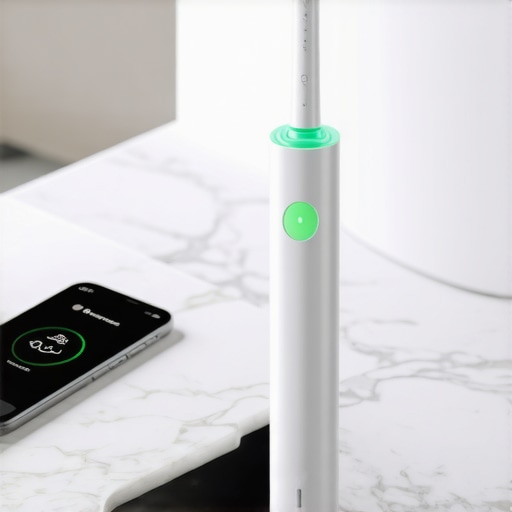
Look for these AI trends in your future bathroom
I predict that within the next few years, we are going to see ‘smart mirrors’ that use UV light to show kids exactly where they missed a spot while brushing. We are already seeing the beginnings of this with smile-bright-revolutionary-teeth-cleaning-techniques-for-2025. The goal is to make the invisible visible. When my daughter can see the ‘sugar bugs’ (biofilm) on a screen, she’s much more motivated to get them off than when I’m just nagging from the doorway. This technology is becoming the ultimate insurance policy for our how-regular-teeth-cleaning-can-prevent-major-dental-issues strategy. If you’re still using a manual brush and hoping for the best, I strongly encourage you to try just one week with a pressure-sensing electric model; the difference in how your teeth feel is immediate and undeniable.
What My Daughter’s Dentist Taught Me About True Persistence
Reflecting on our journey, the biggest ‘lightbulb moment’ wasn’t about the thumb at all; it was about the power of positive reinforcement over punishment. I realized that shame is a terrible motivator for a child seeking comfort. Instead, focusing on maintaining-oral-health-expert-advice-for-a-lifetime-of-healthy-teeth through small, daily wins changed the atmosphere of our home. I also learned that the skeletal changes were often reversible if caught early, which took a massive weight off my shoulders. We weren’t just fixing teeth; we were preserving her confidence.
Another hard truth? You can’t do it alone. Bringing our dentist into the conversation as a ‘coach’ rather than an authority figure made all the difference. This collaboration is the core of family-dentistry-building-a-foundation-of-healthy-smiles-for-all-ages. By understanding how-regular-dental-cleanings-can-save-you-money-in-the-long-run, I saw that our investment in a few smart tools now would save us thousands in orthodontic surgery later.
The Toolkit That Saved Our Mornings
If you’re looking for where to start, I highly recommend a few specific resources that moved the needle for us. First, use a visual progress tracker; kids need to see their success to believe it. We paired this with family-dental-care-hacks-to-keep-your-kids-smiling-daily to make the routine feel like a game. Second, don’t underestimate the power of high-quality gear. Moving to an electric brush with pressure sensors wasn’t just a tech upgrade; it was a sensory shift that helped her move past the thumb habit. You can find more about these shifts in smile-bright-revolutionary-teeth-cleaning-techniques-for-2025.
#IMAGE_PLACEHOLDER_E#
Why Your Hard Work Matters Right Now
It is easy to feel defeated when you see that thumb slip back in during a movie or a nap, but remember that every hour of success is a win for their developing jaw. By staying consistent with preventive-tips-for-long-lasting-dental-health-for-families, you are giving them a gift they will appreciate for the rest of their lives: a healthy, functional smile. You’ve got the tools and the plan; now just take it one day at a time. Have you ever tried a reward system that actually worked for a habit, or did it end up feeling like a bribe? Let me know in the comments below!