
I was kneeling on the bathroom floor, wrestling a damp toothbrush into my two-year-old’s mouth, when I saw it. Those two bottom teeth weren’t just close—they were practically piggybacking. I felt that cold rush of parental guilt. Was it the pacifier? Was it because I didn’t start teeth cleaning early enough? I spent the next hour down a Google rabbit hole, convinced my bank account was already destined for an orthodontist’s pockets. It’s a gut-punch moment for any parent who values family dentistry. We want our kids to have it easier than we did, and seeing a crowded smile before they even lose their first tooth feels like a failure. But here is the reality: your toddler’s mouth is a work in progress, and that overlap is actually telling us a story about their development that we can’t afford to ignore. We are going to solve the mystery of why this happens and, more importantly, figure out if you actually need to worry yet.
That Moment You Notice the Overlap
When I first saw my son’s crowded lower teeth, my mistake was immediate: I assumed his jaw would just stretch out on its own without any help. I stayed quiet about it for months, hoping for a miracle. But the truth is, seeing oral health myths busted made me realize that waiting and seeing isn’t always the best strategy for preventive tips for long-lasting dental health. We often think baby teeth are just placeholders, but their spacing—or lack thereof—is a roadmap for what’s coming next. If you are seeing teeth that touch or overlap now, it is usually because the jaw bone hasn’t quite caught up to the size of the teeth. This is a common hurdle in family dentistry tips that many parents miss until it’s much more obvious. I’ve learned that being proactive isn’t about being
Floss the Tight Spots Before Decay Settles In
When teeth overlap, they create the perfect hiding spot for bacteria. Think of it like a narrow alleyway between two buildings—the street sweeper (your toothbrush) simply cannot get in there. You have to use manual intervention. I started using those small, colorful flosser picks because my adult hands were far too big for a toddler’s mouth. It was a struggle at first; I even had to learn how to get your toddler to stop biting the toothbrush just to get a clear view of the problem areas. If you cannot see light between the teeth, you must floss daily. This is the foundation of teeth cleaning that prevents the dreaded ‘interproximal’ cavities that hide between the enamel.
Watch for the Jaw to Catch Up
Children’s jaws grow in distinct spurts. Sometimes the teeth arrive before the ‘room’ is ready. It is like a theater where the audience shows up before all the chairs are unfolded—it looks chaotic, but the seats might still be coming. You need to keep a close eye on the spacing. If the crowding stays stagnant for more than six months without any movement, it might be time to discuss why your child’s jaw alignment matters more than just a straight smile with a professional. 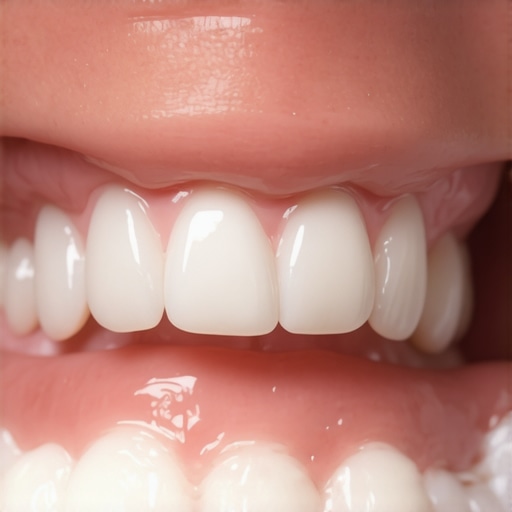
The Night I Realized Brushing Alone Failed
I remember a Tuesday night when my son complained of a dull ache in his mouth. I had been diligent about brushing, even mastering how to teach a toddler to spit out their toothpaste, but I had ignored the tight overlap on his bottom row. When we finally got to the clinic, the dentist showed me how plaque had calcified in that tiny overlap. It wasn’t visible from the front or back; it was tucked away in the ‘no man’s land’ of the overlap. That was the day I realized that family dental care hacks aren’t just about speed; they are about surgical precision.
Why Professional Eyes See What We Miss
We often assume we can spot a problem, but issues like an overjet or a narrow palate are subtle. Learning how to tell if your child’s overbite needs immediate intervention isn’t something you can do with a bathroom mirror and a flashlight. A dentist uses tools to measure the arch of the jaw to see if there is enough ‘leeway space’ for the permanent molars. If the baby teeth are crowded now, the permanent teeth—which are significantly wider—will have zero chance without some guidance. This proactive approach is part of maintaining oral health for a lifetime.
Managing the Sensory Hurdles
For some kids, the feeling of floss or a vibrating brush in a crowded area is overwhelming. If your child struggles with the physical sensation, you might need to look into how to clean your child’s teeth when they have sensory processing issues. The key is desensitization: use a soft finger brush first, then move to a manual brush, and only introduce floss once they are comfortable with the pressure. By addressing the ‘how’ of cleaning, you ensure the ‘overlap’ doesn’t turn into a permanent problem.Actually, what most people get wrong about baby teeth is wanting them to look ‘perfect.’ In the world of family dentistry, a child with perfectly aligned baby teeth that have no gaps is often a candidate for major crowding later. We call it ‘generalized spacing,’ and it is a beautiful thing. If there are no gaps, there is no room for the permanent teeth, which are significantly wider. It is a nuance that often gets lost in the rush for a social-media-ready smile. Another common ‘oops’ factor is thinking you can brush away the yellowing caused by thin enamel. I have seen parents scrub their kids’ teeth so hard they trigger gum recession before the child even hits middle school. If you have ever wondered about the reason your teeth look yellow even though you brush twice daily, it is often because the ivory-colored dentin is showing through thinning enamel, not because they are ‘dirty.’ Using a heavy hand is one of the many oral health myths debunked that we constantly have to address in the clinic.
When Should You Actually Worry About Jaw Growth?
According to the American Association of Orthodontists (AAO), children should have their first orthodontic evaluation by age seven. Why so early? Because by then, the jaw has enough structure to reveal permanent patterns. If you wait until all the baby teeth are gone, you have missed the window where we can easily guide jaw expansion. This is not just about aesthetics; it is about maintaining oral health for the long haul.  One advanced mistake I see in cosmetic dentistry is the ‘quick fix’ mentality—for example, trying to mask a narrow palate with veneers rather than addressing the underlying bone structure. While understanding why your smile looks narrow and how veneers fix it is a valid conversation, a true expert looks at the foundation first. If you use a hard-bristled brush on crowded teeth, you are not cleaning better; you are just wearing down the gums in the high-pressure zones. Have you ever fallen into the trap of thinking ‘harder is better’ when it comes to cleaning? Let me know in the comments.
Stop Guessing With These Specific Tools
After that Tuesday night wake-up call, I realized that my standard manual brush was like trying to clean a skyscraper with a hand sponge. I eventually invested in a high-quality water flosser with a ‘sensitive’ mode. The reason is simple: pulsation. Standard flossing is great if you have the manual dexterity of a surgeon, but for a wriggling toddler, the water flosser flushes out the ‘no man’s land’ between overlapping teeth where a string simply can’t reach. If you are skeptical, remember that the ultimate guide to teeth cleaning techniques and benefits emphasizes that mechanical removal of plaque is the only way to stay ahead of tartar. I also swear by a small, pinpoint LED dental mirror. It sounds overkill until you realize you can’t actually see the back of those bottom incisors without one. Using these tools is how you turn a generic routine into teeth cleaning secrets that achieve a bright smile without the tears.
How Do I Keep My Child’s Smile Straight Over Time?
Long-term maintenance isn’t just about what you do at the sink; it is about the professional roadmap. As your child grows, those overlaps may require a permanent retainer once the adult teeth arrive. If you eventually go that route, you must learn how to prevent your permanent retainer from trapping food particles, or you are just trading one hygiene problem for another. The goal of maintaining oral health is to ensure the foundation remains strong enough for any future adjustments. 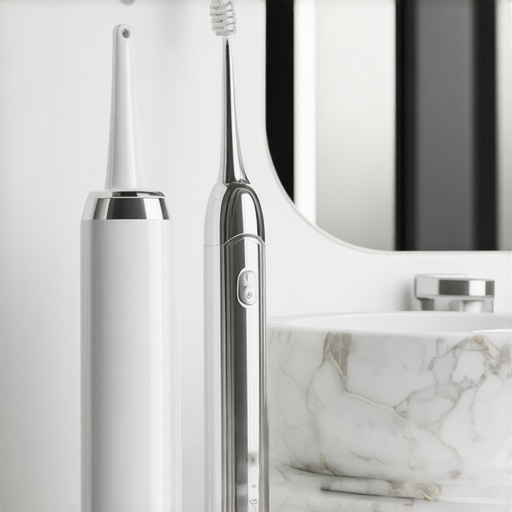 As noted in the American Journal of Orthodontics and Dentofacial Orthopedics (AJODO), the strategic management of ‘leeway space’—the size difference between primary molars and the permanent premolars that replace them—is the most effective way to resolve lower arch crowding without invasive extractions later. This technical foresight is exactly how regular dental cleanings can save you money in the long run, as you avoid the five-figure bills of surgical orthodontics.
Better Tech Is Already Changing Your Next Visit
We are moving away from the days of ‘wait and see.’ I predict that within the next five years, we will see AI-integrated home tools that map jaw growth in real-time, alerting parents the moment the dental arch begins to lag behind tooth eruption. We are already seeing this shift in clinics where how we use digital scanners to avoid messy dental molds has become the standard. These 3D models allow us to predict exactly where a tooth will land before it even breaks the gum line. This precision is fueling the latest cosmetic dentistry innovations you can’t miss this year, making treatments faster and less invasive for the whole family. If you want to take control of this today, I want you to try the ‘Flashlight Check’ tonight: pull back your child’s lip, shine a light directly on those overlapping bottom teeth, and look for any opaque, chalky white spots—that is the early sign of decalcification you need to address before it becomes a cavity.
Three Hard Truths About Tiny Teeth and Crowded Jaws
After navigating the stress of my son’s crowded bottom row, I realized a few things that aren’t usually in the pamphlets. First, the “gaps are good” rule is the absolute law of maintaining perfect oral health as a family. If those baby teeth look like a picket fence with no space, the adult teeth will have a tough time finding a home. Second, I learned that regular teeth cleaning isn’t just about the surface; it’s about mechanical debris removal in those hidden overlaps. Third, don’t panic the moment you see a twist—jaw growth is a marathon, not a sprint. #IMAGE_PLACEHOLDER_E#
My Go-To Gear for Tiny Smiles
If you want to move beyond the standard toothbrush, here is what actually worked in our house. I highly recommend a water flosser with a sensitive setting; it reaches places string simply can’t when a toddler is squirming. A small LED dental mirror is also a game-changer for checking the back of those crowded incisors. Finally, keep the American Association of Orthodontists website bookmarked for their growth charts—it’s a grounded resource that cuts through the noise of oral health myths busted.
Building a Lifetime of Confidence One Tooth at a Time
Watching your child’s smile evolve is one of the most rewarding parts of parenthood, even when it comes with a side of worry. By staying proactive and embracing revolutionary teeth cleaning techniques for 2025, you are setting the stage for a healthy, straight smile that lasts into adulthood. Don’t let a little crowding steal your peace—you’ve got the tools to handle it. While you’re at it, stay curious about cosmetic dentistry trends that might help as they grow older. Have you noticed any surprising shifts in your child’s tooth alignment lately? Share your experience in the comments below!