
Have you ever taken a bite into your morning toast, only to be greeted by an unmistakable click in your jaw? At first, I brushed it off as a minor annoyance, but over time, that sound became a worrying signal. I remember the first time I noticed it—I was in the middle of a meal, and suddenly, that strange, grinding noise echoed with every chew. It was disconcerting, almost as if my jaw was protesting every time I used it. I realized I wasn’t alone in this experience; many people endure this silent frustration, wondering, “Why does my jaw click, and is it something serious?” Luckily, through some personal trials and a bit of research, I discovered that jaw clicking isn’t just a quirky noise—it can be a sign of underlying issues that, if ignored, might lead to discomfort or more severe problems down the line. Today, I promise to share what I’ve learned about the causes behind this common problem and, most importantly, how you can put an end to that persistent jaw click in your life.
Understanding Why Your Jaw Clicks and How to Address It
What’s Really Going on When Your Jaw Makes That Noise
The first mistake I made early on was assuming that a clicking jaw was just a harmless quirk, something to ignore. But I learned that it often indicates a misaligned temporomandibular joint (TMJ), or TMJ disorder, which affects the joint connecting your jawbone to your skull. This joint is responsible for all the movement involved in chewing, talking, and yawning. When it doesn’t function smoothly—due to muscle tension, disc displacement, or joint degeneration—clicking and popping can occur. Interestingly, experts estimate that up to 12% of the population experiences TMJ issues at some point, making it more common than you might think. Recognizing the signs early and understanding that this isn’t just a noise but a potential signal from your body can make a significant difference. For a deeper dive into common misconceptions about oral health, check out this article on [oral health myths debunked](https://gentlesmiledentist.com/oral-health-myths-debunked-what-you-need-to-know-in-2025).
Have you ever experienced a jaw click that refused to go away, or perhaps felt a dull ache creeping in after meals? If yes, you’re not alone, and the good news is that there are effective solutions that can put an end to this bothersome issue. Let’s explore what causes these sounds and, more importantly, what steps you can take to silence that click forever.
Master Daily Oral Hygiene to Prevent TMJ Issues
Brush Correctly and Regularly
Start by brushing your teeth at least twice daily with a soft-bristled toothbrush, using gentle circular motions. Personally, I once rushed through brushing and felt my jaw tighten afterward—changing my technique to gentle circles reduced discomfort and minimized joint strain. Remember, aggressive brushing can aggravate TMJ symptoms and damage gums. For expert tips, explore [teeth cleaning secrets](https://gentlesmiledentist.com/teeth-cleaning-secrets-achieve-a-bright-smile-in-under-30-minutes).
Incorporate Proper Flossing Techniques
Daily flossing removes plaque between teeth, preventing gum inflammation that can contribute to jaw tension. I learned that flossing too harshly can cause gums to bleed, increasing overall oral stress, so I gentle my motions and floss in a C-shape around each tooth. Consistent flossing supports overall oral health, easing TMJ symptoms. Find more on effective flossing [here](https://gentlesmiledentist.com/the-truth-about-professional-cleanings-vs-at-home-scaling-kits).
Manage Stress and Muscle Tension
Practice Relaxation Exercises
jaw clenching often worsens clicking. Incorporate relaxation techniques such as deep breathing or progressive muscle relaxation, which I started doing during stressful workdays. Even 5 minutes helped reduce muscle tension and jaw strain. Over time, these habits can lessen the frequency of clicking. For additional stress management strategies, see [family dentistry tips](https://gentlesmiledentist.com/family-dentistry-tips-that-make-oral-care-effortless-and-effective).
Avoid Clenching and Grinding
Be mindful of nighttime grinding. I began using a custom mouthguard recommended by my dentist, preventing jaw compression during sleep. This simple step significantly reduced morning jaw pain and clicking episodes. Never ignore persistent grinding; it can accelerate joint damage. Learn how to protect your smile with [cosmetic dentistry solutions](https://gentlesmiledentist.com/enhancing-confidence-with-cosmetic-dentistry-what-to-expect).
Adjust Dietary Habits to Reduce Strain
Eat Soft, Easy-to-Chew Foods
Switching to softer foods like smoothies, cooked vegetables, and yogurt minimizes jaw workload. I remember biting into a tough apple and feeling my jaw click painfully afterward; switching to softer options eased the pressure. Limiting hard or chewy foods allows the joint to rest and heal. Discover other diet tips for oral health [here](https://gentlesmiledentist.com/how-regular-teeth-cleaning-can-prevent-major-dental-issues).
Limit Caffeine and Alcohol
Caffeine and alcohol can increase muscle tension. Cutting back helped me reduce nighttime clenching. Small changes like choosing herbal teas over coffee made a noticeable difference. These adjustments contribute to reducing joint inflammation and clicking frequency. For more oral health advice, visit [preventative care strategies](https://gentlesmiledentist.com/how-regular-teeth-cleaning-can-prevent-major-dental-issues).
Seek Professional Assistance for Persistent Problems
Visit Your Dentist Regularly
Routine dental check-ups detect TMJ issues early. During my visits, the dentist evaluated my jaw and recommended specific exercises. Regular exams ensure that small problems don’t escalate into major discomforts. To understand more about maintaining oral health, read [comprehensive dental care tips](https://gentlesmiledentist.com/maintaining-oral-health-expert-advice-for-a-lifetime-of-healthy-teeth).
Explore Therapeutic Treatments
If clicking persists, consult a specialist. My dentist suggested physical therapy and, in some cases, medication. These targeted approaches can relax jaw muscles, realign joints, or address underlying issues. Early intervention can prevent worsening conditions. Learn about advanced treatments at [cosmetic dentistry innovations](https://gentlesmiledentist.com/cosmetic-dentistry-innovations-you-cant-miss-this-year).Many believe that brushing vigorously is the key to perfect oral health, but in reality, aggressive brushing can cause gum recession and enamel wear, leading to more problems down the line. This misconception often pushes people to overdo their routine, thinking quantity over quality. Another common trap is assuming that regular dental visits alone will keep teeth healthy—while professional cleanings are vital, they must be complemented with proper at-home care and awareness of emerging issues. Experts, like those cited in the study on oral hygiene practices, emphasize that tailored oral care plans are more effective than one-size-fits-all routines.
What do advanced dental issues reveal about common misconceptions and overlooked nuances?
For instance, many overlook the significance of subtle signs like gum bleeding despite daily flossing, which could indicate underlying conditions such as gum disease or even systemic health issues. Rushing through routine procedures without understanding their purpose often causes patients to miss early warning signs. Additionally, the belief that whitening treatments are wholly safe ignores the potential for enamel sensitivity and damage if not properly managed—it’s crucial to choose treatments suited to individual enamel strength, which requires professional guidance.<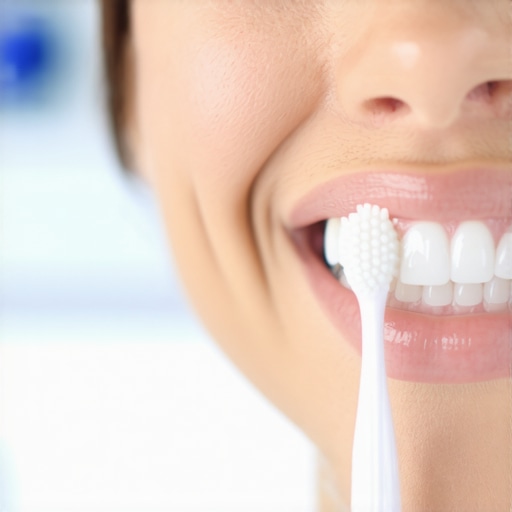 > Understanding that oral health is interconnected with overall systemic health can be transformative. Conditions like diabetes and cardiovascular diseases often have oral health components that many fail to recognize, potentially delaying critical intervention. This deep connection highlights why superficial treatments or neglecting underlying issues might offer a false sense of security. For example, studies show that periodontal disease is linked to heart disease, underscoring the importance of comprehensive care rather than isolated procedures. Moreover, myths about cosmetic dentistry, such as veneers weakening natural teeth, are misleading—when performed correctly, these are conservatively designed to strengthen and restore confidence. To dive into this topic further, explore [cosmetic dentistry innovations](https://gentlesmiledentist.com/cosmetic-dentistry-innovations-you-cant-miss-this-year).Maintaining a healthy, beautiful smile requires dedicated effort and the right tools to ensure your oral hygiene remains effective over time. From high-quality toothbrushes to advanced flossing devices, selecting equipment tailored to your needs can make all the difference. I personally swear by the _Soniclean Pro Sonic Toothbrush_, which features a 40,000 vibrations per minute setting, providing a deep clean that removes plaque effectively without damaging enamel. Its timed brushing cycles encourage thorough coverage, making teeth cleaning more efficient and less time-consuming. For flossing, the _Waterpik Ultra Water Flosser_ has revolutionized my routine. The pulsating water efficiently cleans between teeth and along the gumline, reaching areas that traditional floss might miss, especially in cases with tight spaces or braces. I recommend setting the water pressure to medium—enough for removal without discomfort—which I found to be the optimal balance.
When tackling tartar and plaque buildup, I incorporate professional-grade _Interdental Brushes_ in hard-to-reach spots, especially around crowns and implants. These tiny brushes are perfect for cleaning around dental work and preventing complications like gum inflammation. Furthermore, during my routine check-ups, I rely on _Ultrasonic Scalers_, which effectively break down plaque and tartar without unnecessary scraping, preserving the integrity of tooth surfaces. Regular use of these tools, combined with professional cleanings, can significantly enhance your oral health.
Looking ahead, the trend is shifting towards smart oral health devices. Innovations like _bluetooth-enabled toothbrushes_ that track brushing habits and provide feedback via a smartphone app are gaining popularity. These technologies motivate continuous improvement and accountability, aligning with the increasing emphasis on data-driven health management. As technology advances, I predict that integrated oral health monitoring will become a standard recommended practice, empowering patients to maintain results between visits.
**How do I maintain long-term oral health with these tools?** Consistency is key. Establishing a daily routine that leverages these devices ensures thorough cleaning and early detection of potential issues. Additionally, complementing your toolset with bi-annual professional examinations reinforces your efforts and allows for personalized advice, especially for complex cases.
I encourage you to try upgrading your toothbrush to a sonic model and incorporate water flossers in your routine. These enhancements can dramatically improve your oral hygiene, helping maintain your smile’s health and appearance well into the future. For more tips on effective teeth cleaning techniques, check out [this guide](https://gentlesmiledentist.com/the-ultimate-guide-to-teeth-cleaning-techniques-and-benefits). Ensuring your tools are up to date and tailored to your needs will keep your smile shining and free of issues for years to come.
Lessons from the Front Lines of Oral Care
- One of the most impactful lessons I learned was that consistency beats intensity. Skipping routine care even once can set back progress on oral health, making the simple act of daily brushing and flossing more powerful than any fancy procedure.
- I realized that understanding my body’s signals—like jaw clicking or gum tenderness—was key to catching issues early. Ignoring these signs often leads to more complex, costly treatments later, reinforcing the importance of listening to my body.
- Investing in quality tools and staying informed about new innovations—like sonic toothbrushes—transformed my approach from reactive to proactive, emphasizing prevention over repair.
- Personal experience showed that managing stress and avoiding habits like clenching dramatically reduced my TMJ symptoms, proving that lifestyle factors are deeply intertwined with oral health.
- Finally, seeking professional guidance early saved me from unnecessary discomfort and more invasive procedures. Regular dentist visits serve as a vital checkpoint, catching small problems before they escalate.
My Toolkit for a Radiant, Healthy Smile
- Soniclean Pro Sonic Toothbrush—I trust it for its deep cleaning capability without damaging enamel, making my daily routine efficient and effective.
- Waterpik Ultra Water Flosser—This device reaches areas traditional floss can’t, especially around braces and implants, promoting healthier gums.
- Ultrasonic Scalers—Used during professional cleanings, these help remove plaque gently but thoroughly, preventing tartar buildup.
- Educational Resources—Books like “The Ultimate Guide to Teeth Cleaning Techniques” gave me a deeper understanding of proper oral hygiene practices.
Believe in Your Smile: The Power of Action
Embracing consistent, informed oral care can be transformative—not just for your teeth but for your confidence and overall well-being. Remember, your smile is a reflection of your health and self-care; investing in it is investing in yourself. Take that first step today, whether it’s upgrading your toothbrush or booking a professional check-up, because your future self will thank you. What small change will you start implementing in your oral health routine this week? Let me know below.