
I still remember the exact moment I noticed something was off with my smile. It was during a routine teeth cleaning—the kind where the hygienist gives you that knowing look and mentions, “Have you noticed any new discomfort?” Suddenly, I felt a small shift in my teeth, almost as if my wisdom teeth had decided to throw a surprise party and didn’t invite me. That lightbulb moment made me realize just how sneaky and disruptive wisdom teeth can be, especially when they start nudging other teeth out of their usual alignment.
Why Recognizing the Movement Matters
This wasn’t just about a crooked smile or minor discomfort; it was a signal that my oral health might be at risk if I didn’t pay attention. Wisdom teeth are often the culprits behind unforeseen dental issues—like crowding, shifting teeth, or even pain that seems to come out of nowhere. If you’ve ever experienced a sudden change in your bite or noticed your teeth feel slightly different, you’re not alone. These subtle signs are often overlooked, yet they can lead to more serious problems down the line.
Today, I’ll share how to identify early signs that your wisdom teeth are moving other teeth. Because catching these movements early means better options for treatment, and less discomfort in the long run. Trust me, I’ve made the mistake of ignoring the early warnings—don’t make the same error! Knowledge is power, and understanding these signs can save you time, money, and a lot of unnecessary stress.
Is Wisdom Teeth Movement Actually Worth the Worry?
Many people dismiss minor shifting as just a part of aging or dental wear and tear. But true shifts caused by wisdom teeth can lead to biting issues, uneven wear, and even impact your confidence. I used to think a little crookedness was no big deal—until I saw how much it affected my bite and overall oral health. Early detection is key. For more insights on common oral health myths, check out this helpful guide. If you’ve noticed anything similar, I urge you to pay attention to your oral health. Let’s dig into how to spot the signs that your wisdom teeth might be sneaking into other teeth’s space.
Start With Your Mirror and Morning Routine
Every morning, take a close look at your teeth in the mirror. Use a flashlight if needed to see the back molars clearly. Look for signs like new gaps, shifting positions, or uneven teeth. I remember one morning when I saw a tiny gap forming near my wisdom tooth that hadn’t been there before—the first concrete sign that my teeth were moving. This simple step establishes a baseline for future comparisons.
Feel for Discomfort and Changes
Next, gently run your tongue along your teeth and gums. Pay attention to any new tenderness, sharp pokes, or abnormal biting sensations. I noticed a slight discomfort when biting down that I previously didn’t have. Feelings like these aren’t just minor annoyances—they’re signals that your wisdom teeth might be pushing against neighboring teeth, causing shifts that need further checking.
Keep a Visual and Text Log
Record what you observe each week. Use your phone’s camera to take photos from consistent angles. Document any changes in position, color, or gum swelling. During one week, I captured photos showing the gradual shift of my molars, which helped me realize the pace of the movement, prompting me to schedule a dental assessment promptly.
Use an Dental Mirror for Precision
A small dental mirror can help you inspect hard-to-see areas like the back of your mouth more thoroughly. During my attempt, I noticed a tiny crowding of my wisdom tooth against the second molar, confirming the shift I’d suspected. This tool is invaluable for early detection and should be in your oral health kit.
Schedule Professional Check-Ups Promptly
If you observe any of these signs—gaps, discomfort, or misaligned biting—don’t delay consulting your dentist. Regular check-ups allow professionals to perform detailed exams, including X-rays if necessary, to examine wisdom teeth position. During my visit, the dentist confirmed my suspicions and discussed options to prevent further shifting. Remember, early intervention can save you discomfort, time, and money down the line.
For ongoing guidance on maintaining oral health and catching issues early, explore expert advice on oral care. Staying vigilant is your best defense against unseen dental problems caused by wisdom teeth movement.
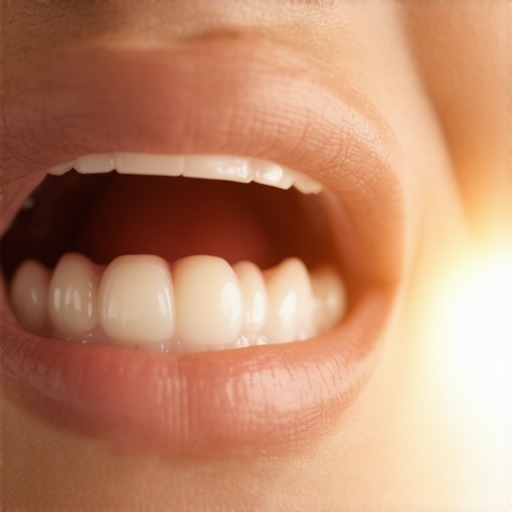 Many people believe they know everything about cosmetic dentistry, teeth cleaning, and oral health, but in reality, misconceptions abound—often leading to costly mistakes or overlooked issues. For instance, a widespread myth is that professional teeth whitening damages enamel permanently; however, advanced whitening procedures are designed with safety in mind, backed by research indicating minimal long-term effects when performed correctly. This misconception causes many to avoid effective treatments unnecessarily.
Another falsehood involves teeth cleaning routines. Many assume that brushing harder will clean better, but aggressive brushing can erode gums and enamel, increasing sensitivity and risk of decay. Proper technique, combined with routine professional cleanings, is essential for maintaining optimal oral health. Regular check-ups can reveal early signs of problems like gum disease or decay that at-home care might miss, so neglecting these visits is a trap many fall into.
When it comes to family dentistry, there’s a misconception that pediatric dental visits are only necessary when problems arise. In fact, routine exams and preventative care from an early age build a solid foundation for lifelong oral health, reducing future treatment needs. Schools often emphasize treatment after cavities develop, but proactive preventive care is proven to be more effective and cost-efficient.
What about holistic or natural remedies for dental issues? There’s a misconception that they can replace traditional treatments, yet many natural approaches lack scientific backing and may delay necessary care. For example, using oil pulling as a cure-all might improve mouth freshness temporarily, but it doesn’t replace brushing, flossing, or professional interventions.
Now, for those of you seeking a deeper understanding, consider this: How do advanced imaging techniques actually improve diagnosis accuracy over traditional x-rays?
How Do Modern Imaging Methods Revolutionize Dental Diagnoses?
They provide three-dimensional views, allowing dentists to detect issues invisible to standard x-rays, such as early bone loss or hidden infections, enabling earlier and more precise interventions. According to a 2022 study published in the Journal of Dental Research, 3D imaging improves diagnostic accuracy by up to 40%, leading to better patient outcomes.
In your journey toward optimal oral health, don’t fall for these common myths. Instead, rely on scientifically supported practices and the guidance of qualified professionals. For a comprehensive look at myths and facts, check out this insightful article. Remember, staying informed prevents costly mistakes and ensures your smile stays healthy for years to come. Have you ever fallen into this trap? Let me know in the comments.
Investing in the Right Equipment Ensures Lasting Results
Maintaining oral health over time requires more than just good habits; it demands the proper tools tailored to your unique needs. I personally rely on a combination of high-quality electric toothbrushes and professional-grade flossers to keep my smile shining bright. The electric toothbrush I choose features oscillating-rotating technology, proven to remove plaque more effectively than manual brushing, especially in hard-to-reach areas. Its timers help me ensure I brush for the recommended two minutes, which is crucial for thorough cleaning.
For interdental cleaning, I swear by a Water Flosser. Unlike traditional floss, the water flosser uses a pulsating jet of water to dislodge plaque and debris from between teeth and along the gumline. I personally found that my gum health improved dramatically when I incorporated it into my routine, especially since I tend to have tight spaces that regular floss struggles with.
How do I sustain these tools over time?
Regular maintenance is key. I replace my electric toothbrush head every three months—an essential habit to prevent bacteria buildup and maintain optimal cleaning power. Similarly, I clean my water flosser tips regularly and check the device for any signs of wear. Scheduling periodic professional cleanings further enhances long-term results, as my dentist can identify potential issues early and recommend adjustments.
Looking into the future, advancements like AI-powered toothbrushes that analyze brushing patterns and adjust motor intensity are emerging, promising even smarter oral care solutions. Staying ahead with these innovations can make routine maintenance more effective and personalized, setting you up for a lifetime of healthy smiles.
How can I keep my oral health tools working effectively over the years?
Proper storage, regular cleaning, and timely replacements keep your tools functioning at peak performance. Remember, quality equipment paired with consistent care leads to better long-term outcomes. For more insights, explore expert advice on maintaining oral health and make it a habit to check your tools regularly.
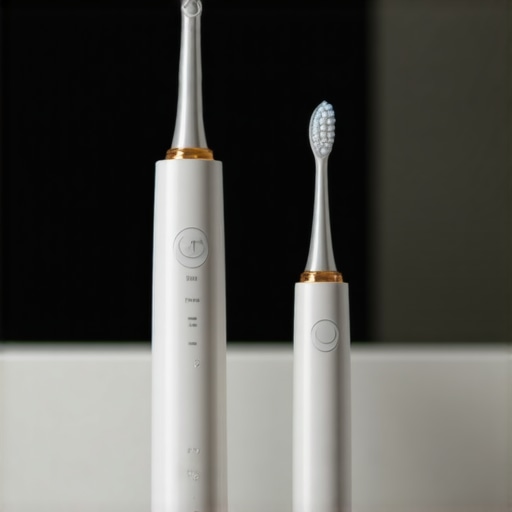
Pro Tip: Try setting a reminder for every three months to replace your toothbrush head or water flosser tip. Using high-quality, properly maintained tools will make a noticeable difference in your oral health journey.
3 Surprises That Changed How I See Dental Care
One of the biggest lessons I learned is that even seemingly minor changes in your teeth can signal serious underlying issues. Never dismiss a shift or discomfort — these clues can save you from more invasive treatments later on.
Another revelation was the importance of proactive, personalized tools. Using high-quality equipment tailored to your needs isn’t just a luxury; it’s a necessity for long-term oral health that often gets overlooked.
The most unexpected insight was how much knowledge from reputable sources, like this expert guide, can dispel myths and empower your decisions. Trust in credible information is a game-changer.
Tools That Made My Dental Practice Easier
My go-to resources include professional-grade electric toothbrushes, like the ones recommended in this article, which provide superior plaque removal. I also rely on water flossers, which revolutionized my interdental hygiene, especially in tight spaces. Lastly, I swear by regular consultations with my trusted dentist, whose advice keeps me ahead of potential issues.
Investing in quality tools and expert guidance is truly worth it — they not only prevent problems but also add confidence to your daily routine. Explore this resource for more tips on maintaining your smile.
Embrace Your Oral Health Journey Today
Remember, your smile is a reflection of your self-care commitment. Taking small steps now — like monitoring for signs of wisdom teeth movement or upgrading your oral hygiene tools — can lead to lifelong confidence and health. Don’t wait for problems to become visible; start your proactive approach today and enjoy the benefits of a healthier, happier smile.
What’s one change you’re excited to implement in your oral health routine? Share your thoughts below!