
It was a sweaty Saturday morning when I first experienced that strange, pulsating ache in my gums right in the middle of my workout. I paused, puzzled. Why would my gums throb just because I was running or lifting weights? That lightbulb moment made me realize I wasn’t just dealing with a typical gum issue—there was something deeper going on. For years, I thought gum throbbing was related solely to poor brushing or gum disease, but it turns out that exercise can stir up more than just your muscles—it can affect your oral health in surprising ways.
Understanding the Unexpected Link Between Exercise and Gum Discomfort
As someone passionate about dental health, I’ve learned that many people don’t realize how physical activity impacts their gums. When we exercise intensely, especially without proper hydration or oral care, the blood flow increases throughout our body, including the gums. This heightened circulation can cause a throbbing sensation, especially if there’s underlying gum inflammation or sensitivity. Moreover, dehydration from sweating can dry out your mouth, reducing saliva’s protective effects and making gums more vulnerable to irritation. A startling fact is that regular physical exertion can sometimes exacerbate existing gum conditions, turning minor discomfort into persistent throbbing pain, even if you maintain good brushing habits. (Source: [Gentle Smile Dentist](https://gentlesmiledentist.com/maintaining-oral-health-expert-advice-for-a-lifetime-of-healthy-teeth))
Is Your Workout Revealing Hidden Oral Issues or Just Overdoing It?
Early in my dental journey, I made the mistake of dismissing mild gum discomfort as temporary or benign. Little did I realize that ignoring these signals might lead to more serious problems. Sometimes, the throbbing isn’t just a side effect of exercise; it’s a warning sign of underlying gum disease, sensitive tissues, or even a reaction to certain mouth rinses or supplements. Many people worry that their occasional gum pain is insignificant, but it’s worth paying attention to. If you’ve ever felt your gums pulse during or after exercise, you’re not alone—and the good news is that understanding why can help you take targeted steps to protect your oral health and enjoy your workouts without worry.
Now, let’s explore why this happens and how you can address it effectively, so your fitness routine won’t have to come at the expense of your smile. If you’ve faced this issue, keep reading—you might find solutions you hadn’t considered before.
Establish a Consistent Oral Hygiene Ritual
Start by brushing your teeth at least twice daily with a soft-bristled toothbrush and fluoride toothpaste. Think of it as cleaning your car’s windshield before a drive—removing dirt prevents issues down the road. I once neglected my evening brushing after a particularly sweaty workout, and the next day, my gums felt irritated. After resetting my routine, the discomfort disappeared within days. For a deeper clean, incorporate flossing and mouthwash tailored for sensitivity to eliminate plaque and bacteria that compound exercise-induced irritation. Regularly visiting your dentist for professional cleanings, as suggested in teeth cleaning tips, helps keep your gums healthy and resilient against workout stress.
Optimize Your Hydration and Diet
Hydrate adequately before, during, and after exercise to prevent dry mouth, which diminishes saliva that naturally neutralizes acids and washes away bacteria. Consider drinking water infused with mineral-rich ingredients or naturally occurring remineralizing foods like cheese and almonds. I remember scheduling workout sessions right after lunch and neglecting water; my mouth dried out, leading to gum soreness. Now, I carry a water bottle and snack on high-protein, low-sugar options to support oral health, as recommended in snacks that rebuild enamel. This simple change dramatically reduces gum sensitivity during routines.
Adjust Your Exercise Routine for Oral Well-being
Avoid overexerting on days when your gums feel inflamed or sensitive. Shorten high-intensity routines and include low-impact activities like walking or gentle yoga. I once tried to push through a grueling workout despite gum throbbing and ended up worsening the discomfort. Incorporating targeted warm-ups and cooling-downs that lower blood pressure can alleviate gum pulsations. Also, practicing controlled breathing reduces stress-related clenching, which aggravates gum pain. Remember, high-impact activities increase blood flow, which can trigger or intensify gum throbbing; moderating intensity on sensitive days can be beneficial, as discussed in underlying dental sensitivities. Finding a balance helps maintain both fitness and oral health.
Use Specialized Products to Protect Your Gums
Incorporate toothpaste and mouth rinses formulated for gum health. Products containing ingredients like aloe vera or chamomile soothe inflamed tissues. I experimented with mouthwashes after noticing increased soreness; switching to gentler, alcohol-free options reduced irritation. Avoid mouthwashes with harsh chemicals that can dry out your mouth and worsen symptoms. For additional protection, consider using a gum-strengthening supplement or gel, especially if you notice recurrent throbbing. Check out oral health maintenance tips for recommended products to strengthen periodontal tissues effectively.
Plan and Communicate with Dental Professionals
Schedule regular dental checkups to identify and treat early signs of gum inflammation. Share your exercise routines and any discomfort experienced during workouts with your dentist. This proactive approach ensures tailored advice, preventing minor issues from escalating. I once dismissed gum pain as temporary, only to discover a hidden gum infection during my routine checkup. Addressing such concerns promptly saved me from extensive treatment later, underscoring the importance of professional guidance as outlined in family dentistry principles. Proper planning ensures your fitness goals and oral health progress hand in hand.Many people believe that brushing twice daily and visiting the dentist annually guarantees perfect oral health, but in reality, this oversimplifies what it truly takes to maintain a healthy smile. A common misconception is that more aggressive brushing or using whitening products excessively will accelerate results; however, overdoing these practices can cause enamel erosion and gum recession, leading to increased sensitivity and risk of decay. For instance, applying high-abrasion whitening pastes frequently might seem effective but can weaken tooth surfaces over time. It’s crucial to understand that quality and technique matter more than quantity, and consulting with a dental professional for personalized advice yields better long-term outcomes.
Why do some whitening treatments cause more harm than good for certain individuals?
Recent studies, such as one published in the Journal of Dentistry, highlight that overly aggressive whitening or unsuitable products for sensitive teeth can damage enamel and irritate gums, especially when used without professional guidance. Recognizing your unique oral environment prevents falling into this trap. Furthermore, many people overlook the importance of integrating family dental practices into their routine—regular checkups and age-specific preventive measures are vital. Visiting a family dentist who understands your history and develops a customized plan can effectively address individual nuances that generic advice often misses. Relying solely on at-home remedies or neglecting early signs of issues like gum inflammation or enamel wear might seem harmless but can lead to costly treatments down the line. Therefore, establishing a nuanced, expert-backed routine that evolves with your needs is essential. You can find more about maintaining a lifelong healthy smile at this comprehensive guide. Remember, understanding the subtle distinctions and avoiding common pitfalls requires staying informed and proactive. Have you ever fallen into this trap? Let me know in the comments.
How do I keep my dental care effective over time?
Maintaining optimal oral health isn’t just about daily habits but also about using the right tools and adopting consistent routines. Over the years, I’ve refined my approach by investing in high-quality equipment that suits my specific needs.
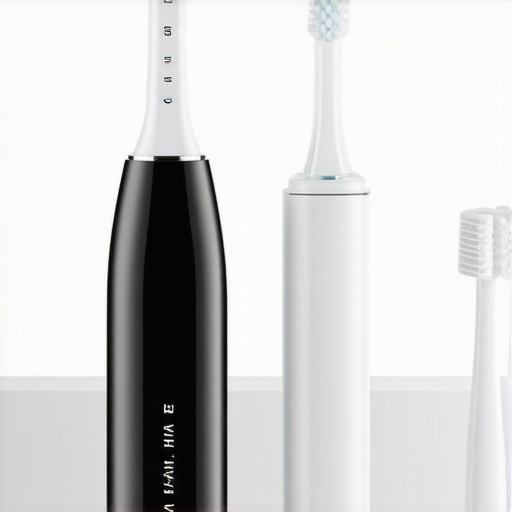
One tool I highly recommend is the Waterpik Water Flosser. Unlike traditional floss, it effectively removes plaque from hard-to-reach areas, reducing the risk of gum disease. I personally use it after meals, especially when eating sticky or crunchy foods, to ensure thorough cleaning. Additionally, I prefer an electric toothbrush with oscillating-rotating technology, like the Philips Sonicare series, which delivers superior plaque removal compared to manual brushing.
For stain removal and whitening, I rely on professional-grade whitening gels combined with LED lights. It’s crucial, however, to consult your dentist before attempting whitening treatments to avoid enamel damage. Regular dental checkups and professional cleanings, as outlined in this guide, are essential to catch problems early and keep your smile shining.
Incorporating these tools into your routine ensures long-term benefits, saving your time and money on extensive treatments later. Technology continues to advance, and new innovations like AI-powered diagnostic apps are emerging, predicting issues before they become noticeable. Staying informed about these developments can give you an edge in dental health management.
Ever wonder about the future of at-home dental care?
I predict that within the next decade, smart brushing devices integrated with smartphone apps will offer personalized feedback, making daily maintenance more effective. For now, investing in reliable tools like a Sonicare toothbrush and a water flosser is a practical step. So why not start today by upgrading your brushing routine with an electric model and incorporating regular flossing? Your future self will thank you for it!
What I Wish I Knew When I Started Caring for My Smile
- Realizing that consistent, gentle care outweighs aggressive brushing, which can harm enamel and gums. My lightbulb moment was understanding how everyday habits shape long-term oral health, making routine visits and mindful practices more valuable than quick fixes.
- Discovering that dehydration and workout intensity can silently wear down my gums, highlighting the importance of hydration and tailored exercise routines. This lesson taught me to listen to my body’s signals and adjust my routine accordingly.
- Understanding that specialized products—like gentle toothpaste and targeted mouth rinses—can prevent minor discomforts from escalating into serious issues. Investing in quality tools and expert guidance truly pays off over time.
- Realizing that proactive communication with dental professionals and regular checkups are essential, especially when lifestyle habits impact oral health. This insight underscored the importance of personalized care tailored to my unique needs.
- Learning that technology and innovative tools are continually advancing, offering exciting possibilities for home care—like smart toothbrushes and app-based monitoring—making daily routines both effective and engaging.
My Personal Arsenal for Lasting Oral Confidence
- The comprehensive guide to oral health: It’s my cornerstone resource for understanding and refining my routine, ensuring I stay ahead of potential issues.
- High-quality electric toothbrushes like the Sonicare series: They deliver superior plaque removal and are gentle on gums, aligning with my goal of preserving enamel integrity.
- The Waterpik Water Flosser: This tool reaches where traditional floss can’t, especially in tight spaces, reducing inflammation and maintaining gum health effortlessly.
- Professional whitening gels and regular dental visits: They keep my smile bright without risking sensitivity, combining convenience with safety.
- Trusted educational sources and latest innovations in cosmetic dentistry: They inspire me to explore aesthetic options confidently, knowing I have reliable information.
Your Smile, Your Power—Now’s the Time to Shine Bright
Taking control of your oral health is a journey worth starting today. Every small step—be it choosing better tools, staying hydrated, or consulting your dentist—builds toward a lifetime of confident, radiant smiles. Remember, your smile isn’t just a reflection of health; it’s an expression of your self-care and resilience. Embrace the process, invest in yourself, and watch how your confidence blossoms as your oral health flourishes. You have the power to transform not just your look but your overall well-being by making informed, consistent choices every day.
What’s the first change you plan to make to improve your oral health routine? Share your thoughts below—I’d love to hear about your journey toward a healthier, happier smile!
,