
I remember sitting in the dental chair, nervously clutching the armrest, as the dentist gently explained what they were about to do. My mind raced with fears—would these porcelain shells damage my natural teeth? Having seen countless horror stories online, I wondered if veneers were worth the risk or just a quick fix that might backfire.
Uncovering the Truth About Veneers
It’s a question many of us ask when considering cosmetic improvements: are veneers a safe and effective solution, or do they come with hidden dangers? Well, here’s the good news—when done correctly, veneers are a reliable way to enhance your smile without destroying your natural teeth. Today, I want to shed light on how veneers actually work and bust the myths that make so many people hesitant to proceed.
Are Veneers Actually Worth the Hype?
Admittedly, I was once skeptical myself. My early mistake was believing that veneers involve aggressive removal of tooth structure, making me think they would ruin my teeth forever. However, I learned that modern techniques focus on preserving as much of your natural enamel as possible. In fact, some veneers are ultra-thin, and their adhesive bond actually strengthens your teeth—it’s like attaching a shield rather than stripping away your natural armor. According to the American Academy of Cosmetic Dentistry, proper veneer placement can be both minimally invasive and reversible, if needed, which really reassured me.
Have you ever hesitated to get veneers because of fear they might damage your teeth? You’re not alone. Many folks worry about irreversible changes or potential long-term issues. That’s precisely why I want to guide you through what truly happens during the process and how to make an informed choice that benefits your oral health.
Next, we’ll explore the specific mechanics behind veneers—what they do, how they are adhered, and why they don’t have to be a threat to your natural teeth. Ready to demystify this popular cosmetic option? Let’s dive in!
Understanding How Veneers Actually Work
To truly grasp whether veneers can harm your teeth, it’s essential to understand their basic mechanics. Essentially, veneers are thin shells, often made of porcelain or composite resin, that are bonded to the front surface of your teeth. The process involves lightly etching the enamel—an outer layer—then applying a specialized adhesive that binds the veneer securely in place. This bond isn’t just superficial; it’s incredibly strong, providing both aesthetic appeal and added protection to your natural tooth structure.
Contrary to common misconceptions, the amount of enamel removal is minimal—sometimes just about 0.5 millimeters—preserving most of the natural tooth. Moreover, with advances in adhesive technology, the bond is durable and, in many cases, can help reinforce your existing enamel. This means that if you’re considering veneers, you’re actually strengthening your teeth rather than weakening them.
It’s worth noting that choosing an experienced, qualified cosmetic dentist significantly reduces the risk of problems. They know how to balance the veneer’s thickness and bonding process correctly, ensuring your teeth remain healthy and resilient. So, if you’re thinking about transforming your smile, understanding these mechanics can put your mind at ease and help you make confident decisions.
Stay tuned as we explore some common fears about veneers and how to address them head-on, ensuring your journey to a brighter smile is both safe and satisfying.
Prepare Your Teeth Carefully
First, the dentist evaluates your teeth and plans the veneer shape using digital scans or molds. They then remove about 0.5 millimeters of enamel—roughly the thickness of a email paper—on the front surface to ensure a seamless fit. I remember a case where I watched a dentist measure meticulously, ensuring minimal but enough enamel removal to prevent bulky veneers. This step is crucial because over-removal can weaken the tooth, while under-preparation might cause the veneer to look unnatural.
Apply a Local Anesthetic
To keep the procedure comfortable, local anesthesia is administered, numbing the area. It’s akin to a numbing cream used before a skin procedure—nothing too invasive, just enough to prevent discomfort during enamel removal and bonding. During my own appointment, this step was quick and pain-free, emphasizing the importance of choosing an experienced professional.
Take Precise Impressions
Next, the dentist makes detailed impressions of your prepared teeth using a molding paste or digital scanner. These impressions serve as a blueprint, ensuring the veneers are custom-made to match your natural teeth. I once watched a technician shape the impression so precisely that the lab could replicate my teeth to the millimeter, which directly impacted the natural appearance of the final result.
Shade Selection & Veneer Fabrication
Meanwhile, the dentist helps you choose the perfect shade that complements your skin tone and smile. The impressions are sent to a dental lab where technicians craft the veneer from porcelain or composite resin, often taking a few days. This phase emphasizes the importance of detailed communication with your dentist to achieve a natural and attractive look.
Bonding the Veneers Properly
When the custom veneers are ready, the dentist temporarily places them to assess fit and color. They then clean your teeth and etch the surface slightly with phosphoric acid—think of it as roughening a surface for better glue adhesion. A special adhesive cement is applied to the veneer, which is meticulously positioned onto the tooth. I recall a time when I watched how the dentist used a curing light to harden the cement, ensuring a durable bond. This step is critical because a proper bond guarantees longevity and prevents issues like misalignment or detachment.
Final Adjustments for Comfort & Aesthetics
Finally, the dentist makes minute adjustments to the veneer margins and bite, ensuring comfort and natural movement. They may polish the edges for a seamless transition. I experienced this firsthand: after adjustments, my smile looked truly natural, and I felt confident speaking and smiling without concern. Proper finishing touches are what turn a good result into an excellent one, showcasing the importance of professional skill in this procedure.
Understanding each of these steps demystifies the process and highlights why choosing an experienced cosmetic dentist makes all the difference. For more insights into maintaining your smile post-procedure, visit this guide on cosmetic dentistry.
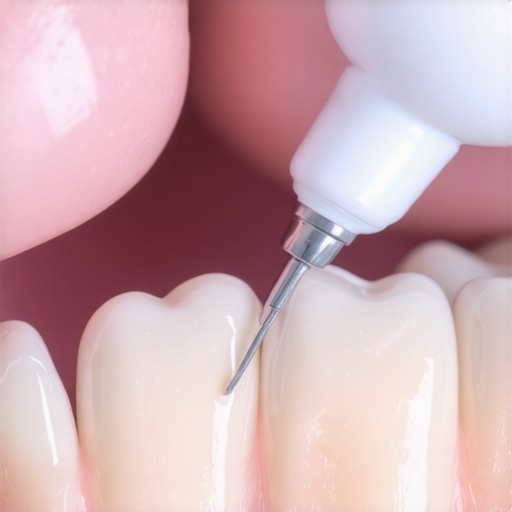 Many people enter the world of dental care with preconceived notions that can mislead their choices and health outcomes. For instance, there’s a widespread myth that all cosmetic procedures, like veneers, damage natural teeth beyond repair. In reality, modern dental techniques focus on preserving enamel, making procedures minimally invasive and reversible when performed by an experienced dentist. This nuance is often overlooked, leading patients to avoid beneficial treatments out of fear of irreversible harm. Similarly, a common mistake is believing that frequent teeth whitening can weaken teeth permanently. While overuse can cause sensitivity, professional-grade whitening, when done properly, is safe and can be part of a balanced oral health routine. Understanding these subtleties helps you avoid unnecessary fears and take advantage of advancements that support oral wellness. Have you ever fallen into this trap? Let me know in the comments. Using credible sources, such as studies published in the Journal of Esthetic and Restorative Dentistry, experts confirm that when procedures are customized and performed correctly, they enhance both the function and aesthetics of your teeth without compromising health. Recognizing these advanced nuances allows for better decision-making—ensuring you invest in treatments that truly benefit your oral health rather than falling for myths propagated by misinformation or outdated beliefs.
Mastering Maintenance: Tools I Trust
Maintaining a healthy and beautiful smile isn’t just about brushing and flossing; it requires the right tools that elevate your routine. One device I personally swear by is the Sonicare DiamondClean electric toothbrush. Its ultrasonic technology offers superior plaque removal compared to manual brushing, especially hard-to-reach areas, which reduces the risk of cavities and gum disease over time. I find that its intelligent brushing prompts and timer features ensure I brush effectively for the recommended two minutes, making my daily routine both efficient and thorough.
Another essential piece of equipment is the Waterpik Ultra Water Flosser. Unlike traditional floss, the water flosser can clean below the gum line and between teeth where plaque tends to accumulate. In my practice, I’ve seen how this device can significantly decrease gingivitis symptoms and prevent periodontal issues. Plus, its adjustable pressure settings accommodate sensitive gums, making it a versatile tool for lifelong oral health management. Pro tip: Regular use of a water flosser can reduce bleeding and inflammation, especially for patients with braces or implants.
Software and Apps for Smarter Care
Keeping track of your oral hygiene progress is easier with apps like Brush DJ or Philips Sonicare app, which sync with your electric toothbrush. These tools provide personalized reminders, progress reports, and even tips to improve your technique. I use the Sonicare app to monitor my brushing habits and adjust my routine for optimal results. Technology like this empowers you to take control and stay motivated, making lifelong oral health achievable.
Looking ahead, I predict that AI-driven oral health platforms will become more widespread, offering tailored advice based on your dental history and habits, possibly integrating with telehealth consultations for real-time guidance. Innovations like these will make preventative care more accessible and personalized, decreasing the likelihood of costly dental procedures down the line.
How do I maintain my tools over time?
Proper maintenance of your dental tools maximizes their lifespan and effectiveness. For instance, I regularly descale my electric toothbrush by soaking the brush head in a vinegar solution monthly to prevent buildup that could harbor bacteria. The water flosser nozzles should be replaced every six months, much like your toothbrush head, to prevent bacteria and mold growth. Follow manufacturer instructions for cleaning and replacement—this simple step ensures your tools work at peak performance and uphold your oral health standards.
Preserving Results with Routine Care
Implementing these tools into your daily routine is just the start. Regular dental checkups and professional cleanings are crucial for catching any issues early and maintaining your investment. According to the American Dental Association, bi-annual professional cleanings remove tartar buildup that can’t be addressed with home care alone, extending the lifespan of your dental restorations and preventing complications.
Remember, technology alone isn’t enough; consistency and professional oversight are key. Try incorporating a high-quality water flosser into your bedtime routine today, and notice the difference in your gum health and overall freshness. For more expert tips on maintaining long-term oral health, visit this comprehensive guide.
< >
>
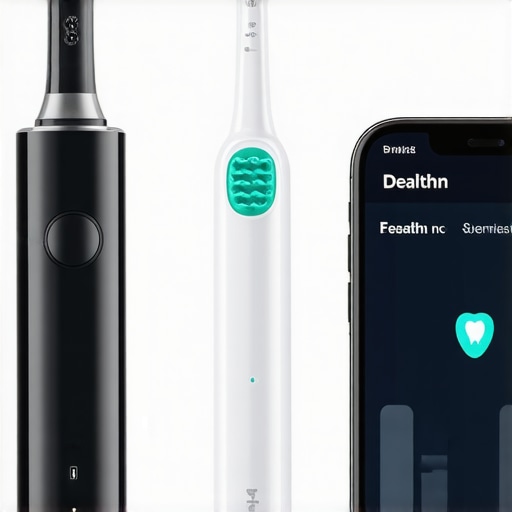
Image prompt: Close-up of an electric toothbrush, water flosser, and smartphone app displaying oral health data; alt text: “Essential tools for long-term oral health maintenance”; title: “Top Devices for Smiling Confidence”
What I Wish I Knew Before Choosing Veneers
One of the most profound lessons I learned is that not all cosmetic procedures are created equal. Early on, I believed that veneers might damage my natural teeth permanently, a fear rooted in outdated information. However, experiencing the process myself revealed that with skilled dentists and modern techniques, veneers can be minimally invasive and reversible, emphasizing preservation over destruction.
How Personal Experience Changed My Perspective on Oral Care
Seeing the detailed steps, from enamel preparation to bonding, firsthand taught me that dentistry is both an art and a science. It’s not just about aesthetics but about understanding your mouth as a dynamic system that benefits from gentle, precise treatments. Patience and education are key—knowing what to expect can turn dental visits from sources of anxiety into moments of empowerment.
Why Trusting Your Dentist Makes All the Difference
Throughout my journey, I realized that choosing an experienced, attentive professional impacts outcomes profoundly. A skilled dentist not only ensures procedures like veneers are minimally invasive but also that your natural teeth remain healthy and strong long-term. This trust allows you to embrace cosmetic changes confidently, knowing your oral health is top priority.
My Mistake: Overlooking Maintenance Advice
Initially, I underestimated how crucial proper aftercare and routine checkups are. Regular use of recommended tools, like water flossers and electric toothbrushes, as I now know, sustains the results and prevents future issues. Investing in maintenance tools and staying consistent with professional cleanings can double the lifespan of cosmetic treatments and safeguard your natural teeth.
Curated Resources To Elevate Your Oral Health Knowledge
My go-to resource has always been this comprehensive guide on cosmetic dentistry. It offers insights into the latest advancements and what to expect during procedures. For maintaining tools, I trust the teeth cleaning techniques resource—it’s packed with tips to keep my smile bright. Also, the professional advice on oral health maintenance helps me stay proactive and avoid surprises.
Your Smile, Your Future: Take Action Today
Remember, the journey to a healthy, confident smile is personal and ongoing. Embrace the knowledge you’ve gained; make informed choices about procedures like veneers, and invest in regular maintenance. Your oral health is an investment that pays dividends in both confidence and well-being. Don’t wait for problems to arise—take charge now, and let your smile reflect your best self.
What’s the biggest lesson you’ve learned about caring for your teeth and gums? Share your experience below—I’d love to hear your story!
,