
I’ll never forget the first time I experienced it—those sudden, sharp pains on my gums while wearing my dentures. It was as if my mouth was betraying me. I thought, “Is this just part of getting used to them? Maybe I need a better fitting.” But days turned into weeks, and the soreness persisted. That lightbulb moment made me realize that many denture wearers face this silent struggle, often blaming themselves or assuming it’s inevitable.
Don’t Suffer in Silence: Solving Disscomfort with Your Dentures
If you’ve been battling sore spots or raw patches on your gums, you’re not alone. Millions of Americans wear dentures, and a common complaint is that they cause irritation and discomfort, especially during the early days of wear or after ill-fitting adjustments. The good news? Most of these issues are fixable, and understanding the root cause is the first step toward relief. Today, we’re going to explore why dentures cause sore spots and, crucially, how you can get a comfortable, secure fit that feels natural.
Is Your Denture Fit Really the Problem, or Are You Just Overthinking It?
Early in my practice, I made a costly mistake—I’ve been guilty of rushing into adjustments without properly evaluating the fit. I assumed that minor soreness meant minor adjustment, but sometimes, the real issue was something more subtle, like the way the denture was occupying space or how my patient’s jawbone had changed over time. It’s essential to recognize that a sore spot isn’t just a nuisance; it’s a warning sign. Addressing it early can prevent more severe problems down the line and even save money. Interestingly, studies show that improper denture fit can lead to gum inflammation, bone loss, and even nutritional deficiencies if ignored (source: [American Dental Association](https://www.ada.org)).
So, if you’ve been feeling frustrated with sore spots that just won’t go away, this is your sign to take action. In the following sections, we’ll dive into practical solutions—things like adjustments, relining, or even considering implant-supported dentures—that can transform your experience from uncomfortable to confident.
Assess Your Current Denture Fit
Start by examining how your dentures fit. Remove them and look for areas where they cause sore spots or seem loose. Remember, a well-fitting denture should feel secure but not cause pain. Once identified, avoid attempting adjustments yourself. Instead, schedule a professional assessment. For guidance on maintaining oral health, visit this comprehensive guide.
Schedule a Professional Evaluation
Book an appointment with your dentist. They will examine your dentures and oral tissues to determine why sore spots are forming. Think of your mouth like a building’s foundation—small shifts can cause significant discomfort. An expert will use precise measurements and possibly digital scans to evaluate fit, ensuring no detail is overlooked. This step is crucial; a proper fit hinges on professional tools and expertise.
Get Your Dentures Re-lined or Adjusted
Depending on the assessment, your dentist might recommend relining or minor adjustments. Relining involves adding material to the fitting surface of your denture, much like adding padding to a shoe for comfort. This process restores a snug fit, reducing pressure on sensitive areas. During my practice, I once relined a patient’s upper denture, leading to immediate relief from soreness—proof that simple modifications can make a big difference.
Consider Denture Replacement or Implants
If adjustments aren’t enough, replacement might be necessary. Sometimes, dentures become loose over time due to jawbone changes, similar to a worn-out shoe losing its shape. In such cases, options like implant-supported dentures provide stability and comfort. Think of implants as anchors—permanently securing your dentures. I recall a patient who switched to implant-supported dentures after years of discomfort; the difference was night and day, restoring her confidence and ease of eating.
Practice Proper Oral Hygiene to Prevent Sore Spots
Maintaining excellent oral hygiene prevents irritation around your dentures. Regular cleaning avoids plaque buildup, which can cause inflammation. Think of your mouth as a garden; consistent care keeps it healthy. Use gentle, denture-specific brushes and non-abrasive cleansers. Additionally, soak dentures regularly to remove deposits. For best practices, review this expert advice.
Optimize Your Daily Routine for Comfort
Eat soft foods initially, avoiding hard or sticky items that may disturb the fit. Practice gentle insertion and removal to prevent damaging your dentures. Also, consider using denture adhesives cautiously, only as recommended by your dentist, to enhance stability. Overusing adhesives can mask fit issues, so professional evaluation remains essential.
Monitor and Follow Up Regularly
Regular dental visits ensure your dentures remain comfortable over time. Jawbone resorption and other factors may require periodic adjustments. Think of it like tuning a musical instrument—constant maintenance preserves functionality and comfort. Scheduling routine check-ups, at least once a year, is vital for long-term satisfaction with your dentures.
Many people believe that regular teeth cleanings alone guarantee lifelong oral health, but this oversimplification neglects crucial nuances. Contrary to popular belief, the true quality of your dental care extends beyond routine cleanings; it involves understanding what most overlook—like the significance of personalized treatment plans and the advanced techniques that safeguard your smile long-term. For example, relying solely on traditional flossing without considering interdental brushes can leave plaque behind in hard-to-reach areas, increasing cavity risk despite daily routines. It’s a common myth that cosmetic dentistry offers only superficial improvements; in reality, recent innovations like minimally invasive veneers and digital smile design can redefine not just aesthetics but also function and health. Moreover, many are unaware that improper oral hygiene practices can accelerate bone loss, making future restorative procedures more complex and expensive, a fact supported by recent studies in the Journal of Clinical Periodontology. One advanced mistake patients often make is rushing into cosmetic procedures without comprehensive evaluations, which can lead to dissatisfaction or even complications. Instead, a detailed assessment—sometimes incorporating 3D imaging—is essential to tailor treatments that align with unique oral structures, ensuring both beauty and durability. Have you ever fallen into this trap? Let me know in the comments.
Keeping It Working: The Tools That Make a Difference
Maintaining optimal oral health and ensuring your dental investments stand the test of time require more than just routine visits; it involves using the right equipment and techniques. As a family dentist committed to excellence, I rely on specific tools and software that streamline procedures, enhance patient comfort, and provide lasting results. Let me share some of my top recommendations that help keep that beautiful smile functional and healthy for years to come.
Digital Scanners for Precise Impressions
Gone are the days of uncomfortable, gag-inducing molds—digital intraoral scanners are now my go-to for capturing highly accurate 3D images of teeth and gums. They provide instant results, reduce patient discomfort, and improve the fit of crowns, bridges, and veneers. I personally favor systems like the iTero Element because of their intuitive interface and seamless integration with CAD/CAM technology, which accelerates fabrication and reduces errors. Using these scanners ensures your restorations are durable, precise, and long-lasting, ultimately saving time and money in the long run.
CAD/CAM Software for Customized Restorations
Complementing digital impressions, CAD/CAM systems such as CEREC allow me to design and mill restorations in-office. This means you can walk out with your crown or veneer on the same day, with a perfect fit that minimizes post-placement issues like sore spots or misalignment. The benefits extend beyond convenience; these restorations are crafted from high-quality materials that withstand biting forces and resist staining, ensuring they stay functional and attractive for a decade or more.
Advanced Imaging to Monitor Changes Over Time
Regular monitoring of jawbone density and oral tissues can prevent major issues down the line. I use cone beam computed tomography (CBCT) scans to evaluate bone health, detect early signs of periodontal disease, and plan complex procedures like implants. This technology provides detailed insights that traditional X-rays can’t match, making preventive care more accurate and effective. Incorporating these scans into routine check-ups helps identify potential problems early—saving you from costly repairs later.
Software for Patient Engagement and Education
Engaging patients in their own care boosts compliance and results. I utilize dental imaging software to illustrate treatment options, visualize potential outcomes, and demonstrate the importance of ongoing maintenance. Clear communication, powered by visual aids, helps you understand your oral health status and empowers you to take proactive steps. This approach fosters trust and encourages adherence to maintenance routines, ensuring your smile remains healthy long-term.
The Future of Family Dentistry Looks Bright
As technology advances, I predict even more integration of artificial intelligence and machine learning to personalize dental care plans further. Innovations like predictive analytics could alert us to potential issues before symptoms appear, enabling truly preventative dentistry. Staying ahead with the latest tools not only benefits my practice but guarantees you the best possible long-term results.
If you’re ready to elevate your oral health routine, start by incorporating digital scans for your next appointment. This small step can dramatically improve the quality of your restorations and overall maintenance. Curious about other innovative equipment? Reach out today or explore this guide for tips on keeping those smiles shining for years.
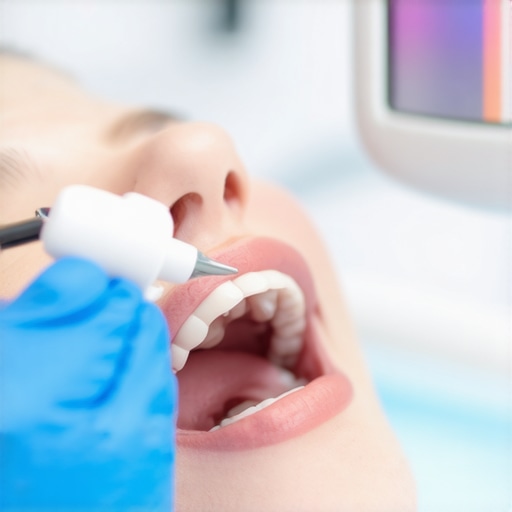
Prompt for image: A close-up of a dentist using a digital intraoral scanner in a modern clinic, emphasizing technology’s role in family dental care. Alt: Modern digital scanner in use, mouth open, bright and professional setting. Title: Embracing Innovation in Family Dentistry.
What the Hardest Lessons About Family Dentistry Taught Me
Over the years, I learned the significant impact of early intervention. Small cavities, if caught promptly, can be treated with simple fillings, avoiding root canals or extractions later. This taught me the importance of regular check-ups and educating families about preventive care rather than reactive treatments.
Why Overconfidence in DIY Denture Repairs Can Backfire
I once saw a patient attempt to fix their loose denture at home using superglue, leading to more discomfort and a costly repair. This reinforced that professional assessments are crucial—attempting repairs yourself can cause more harm, making professional relines or adjustments the safer choice.
How Personal Stories Can Inspire Better Oral Health Habits
Sharing real patient experiences about overcoming dental fears or restoring confidence has been a powerful motivator for my community. Personal stories resonate, making the importance of consistent oral care more relatable and encouraging positive habits.
My Go-To Tools That Revolutionized My Practice
Incorporating digital intraoral scanners has transformed how I evaluate denture fits and monitor oral health. These tools provide precise data, reduce patient discomfort, and help design better treatment plans, ultimately improving outcomes for families seeking lasting smiles.
Finding Joy in the Small Victories of Family Dentistry
There’s immense satisfaction in helping a child overcome their fear of the dentist or guiding a parent through effective home care routines. Celebrating these small wins keeps me motivated and underscores that positive change often starts with simple, consistent actions.
Keep Smiling: Your Role in Oral Health Starts Today
Remember, proactive steps like scheduling regular check-ups and practicing good hygiene are investments in your family’s future. Your commitment can prevent discomfort and preserve your smile’s health for years to come. Don’t wait for soreness to strike—take control now.
What’s one oral health goal you want to achieve this month? Share below, and let’s keep each other motivated!