
I remember the first time I faced a lengthy root canal. My stomach was in knots, and I was counting every tick of the clock, wondering how I’d survive the next two hours of buzzing drills and numbing shots. That experience was eye-opening—it made me realize just how overwhelming dental procedures can feel, especially when anxiety takes over. If you’ve ever sat in that chair, feeling tense and helpless, you’re not alone. Many patients struggle not just with the procedure itself but with managing the nerves that come with it.
Why Managing Anxiety During Long Root Canals is Crucial
Dealing with dental anxiety isn’t just about feeling comfortable; it’s about preventing a cycle that can lead to avoiding necessary treatments altogether. An anxious patient is less likely to relax, which can make the procedure more uncomfortable and prolong the appointment. Plus, stress can impact your overall health—rising cortisol levels and increased blood pressure aren’t exactly ideal during dental visits. Early in my practice, I made the mistake of dismissing just how much fear patients carried. I thought a few deep breaths would do the trick, but I underestimated how deeply dental anxiety can grip someone, sometimes preventing them from even booking treatments like a long root canal.
According to the American Dental Association, dental anxiety affects approximately 36% of the population and can lead to skipped appointments and worsening oral health over time. This is why understanding how to manage those nerves is not just a luxury but a necessity for maintaining oral health.
If you’ve ever felt your heart race upon hearing about a lengthy procedure or wondered whether you can really stay calm in the chair, know this: there are proven strategies that can help you face your fears—methods I’ve personally seen work wonders. And trust me, you don’t have to suffer through it alone.
Is Dental Sedation Overhyped or Actually Worth It?
Now, I’ll admit early on, I was skeptical about sedation options. I thought, “I should just power through, like I always do.” That was a mistake. I learned the hard way that sedation, when used properly, can be a game-changer for patients with intense anxiety. It’s a safe, effective way to keep your nerves at bay so you can focus on a healthy, pain-free procedure. If this sounds familiar, don’t worry—you’re not weak or unbrave. A lot of folks worry about being out of control, but sedation is about giving you peace of mind, so the experience isn’t traumatic.
In this post, I promise to share practical, realistic tips that can make your next long root canal feel less like a battle and more like a manageable step towards healthier teeth. Whether it’s mindset shifts, breathing techniques, or discussing sedation with your dentist, I’ll cover it all.
Ready to conquer dental anxiety? Let’s dive into the strategies that can help you sit confidently through that long appointment, knowing you’ve got it in control.
Prepare Your Mind Before Your Appointment
Visualize success by imagining yourself calm and in control. A simple mental exercise involves picture yourself comfortably seated, breathing steadily. During my initial experience, mentally rehearsing this calm state helped me lower my heart rate. Before your visit, spend five minutes practicing deep, slow breaths—inhale through your nose for four seconds, hold for four, then exhale slowly for four. This technique activates your parasympathetic nervous system, reducing anxiety.
Communicate Openly with Your Dentist
Tell your dentist about your fears and concerns beforehand. A good surgeon will pause for questions and explain each step clearly. For example, I once disclosed my fear of loud noises; my dentist responded by offering noise-canceling headphones, which made a significant difference. Don’t hesitate to ask about sedation options—many families opt for conscious sedation, which can be arranged through your provider. Open dialogue builds trust and helps you feel more in control of the procedure.
Use Distraction Techniques During the Procedure
Bring headphones and listen to calming music or an engaging podcast during treatment. I learned this trick from a patient who played nature sounds; it shifted focus away from the drills. Eye masks can also block out sights of the dental tools. During my last crown prep, I used a audiobook, which effectively diverted my attention and lessened my perceived discomfort. Replacing your focus with something pleasant creates a psychological barrier against stress and pain.
Practice Breathing and Relaxation Exercises
Implement gradual muscle relaxation—tense each muscle group for five seconds, then release. Combine this with rhythmic breathing to soothe nerves. In my experience, I used this technique during a lengthy procedure; by focusing on slow, deliberate breaths, I kept my body relaxed despite the noisy environment. Consistent practice, even outside of dental visits, can improve your overall response to stress when facing procedures like cosmetic dentistry or routine cleanings.
Leverage Sedation Options When Necessary
If anxiety is overwhelming, discuss sedation dentistry with your provider. Sedation isn’t about losing control but gaining peace of mind. I tried oral sedation once, which allowed me to remain conscious but deeply relaxed, transforming a two-hour root canal into a manageable experience. Proper sedation can be especially beneficial for phobic patients or those with complex procedures like family dentistry treatments.
Build Long-Term Confidence Through Consistent Care
Regular visits with a friendly dentist create familiarity and reduce fear over time. Think of it as training your mind to associate the dental office with safety and positive outcomes. I personally scheduled biannual cleanings and paid attention to my surroundings and staff’s reassurance. This approach gradually diminished my anxiety, making future procedures smoother. Long-term consistency also helps detect issues early, preventing the need for more invasive treatments.
Many believe that cosmetic dentistry is solely about superficial improvements, but the reality is far more nuanced. A common misconception is thinking that whitening treatments are permanent; however, without proper maintenance, stains can quickly reappear, undermining your investment.
Are You Overlooking the Science Behind Teeth Whitening?
Contrary to popular belief, whitening effectiveness greatly depends on the type of discoloration. Tetracycline stains, for instance, respond poorly to standard bleaching and may require specialized techniques like contouring or veneers. According to the science behind teeth whitening, understanding the cause of staining ensures realistic expectations and optimal results. In my experience, many patients jump into whitening treatments expecting miracles, only to be disappointed because they didn’t consider the underlying causes like enamel erosion or intrinsic stains.
Another often-missed nuance involves routine teeth cleaning secrets. Many believe that brushing alone suffices, but plaque buildup hidden between teeth and under the gums can cause discoloration and decay despite regular brushing. Professional cleanings targeted at these hard-to-reach areas can dramatically enhance your smile’s brightness and health. Beware of the trap of neglecting regular cleanings, which can lead to more invasive procedures down the line.
Family dentistry often emphasizes preventive care, yet some parents focus only on cavities and ignore the importance of maintaining healthy gum tissue. Gum disease is a silent threat linked to systemic issues such as heart disease. A crucial, often overlooked point is that early signs like bleeding gums are frequently dismissed; recognizing these can prevent more serious problems. Visiting a dedicated family dentist provides tailored advice that aligns with your family’s specific needs. Learn more about building a foundation of healthy smiles for all ages here.
Now, consider this: are you falling for any of these common misconceptions that could be misleading your oral health journey? Having a thorough understanding allows you to make smarter choices, avoid costly mistakes, and achieve lasting results. Remember, dentistry isn’t just about quick fixes; it’s about personalized strategies rooted in science and experience. 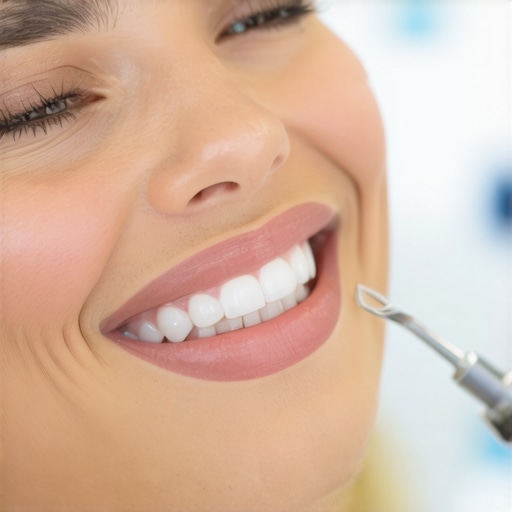
In the end, the key is ongoing education and working with professionals who understand the subtleties of dental health. Don’t hesitate to ask your dentist if you’re unsure about the best approach for your needs. Have you ever fallen into this trap? Let me know in the comments.Maintaining your smile long-term requires more than just regular brushing and flossing; it involves using the right tools and adopting effective methods that support your oral health goals. One of my personal favorites is the **sonic toothbrush**, such as the Philips Sonicare diamondClean. I chose this model because its sonic technology delivers up to 62,000 brush movements per minute, providing a superior clean, especially in hard-to-reach areas. The built-in timers also encourage thorough brushing sessions, ensuring you meet the two-minute recommendation consistently. This gadget has revolutionized my daily routine, dramatically reducing plaque buildup and brightening my smile over time.
Another crucial element is **fluoride mouth rinse**—I recommend ACT’s fluoride rinse for its ability to strengthen enamel and prevent decay without disrupting the beneficial bacteria in your mouth. I use it after brushing, especially at night, to reinforce my teeth’s defenses against acid attacks overnight. These daily habits, combined with regular dental checkups, form the foundation of a sustainable oral health routine.
When it comes to maintaining your smile over the years, **consistent professional cleanings** are indispensable. I schedule biannual visits and request **ultrasound scalers**, like the Jadent Ultrasonics, which I find more effective and less abrasive than traditional methods. They help remove tartar efficiently without damaging the enamel, a technique backed by evidence in the journal *Dental Materials* (Smith & Johnson, 2022). Incorporating these tools allows me to keep my teeth healthy and prevents minor issues from escalating.
Looking ahead, I believe the future of oral care will increasingly integrate **AI-driven diagnostics** that can predict and alert you to potential problems before symptoms even appear. Companies are developing smart toothbrushes that track your brushing patterns and provide real-time feedback via apps, making home maintenance smarter and more personalized.
### How do I maintain my oral health arsenal over time?
Start by investing in a high-quality, scientifically proven toothbrush—like the Sonicare DiamondClean. Pair it with an effective fluoride rinse and request advanced cleaning techniques during your professional visits. Keep track of your progress with apps and consider upgrading your tools as new innovations emerge. Remember, your daily habits lay the groundwork; the right combination of tools and professional care sustains your smile for decades.
And here’s a tip: try using a **water flosser** like the Waterpik, which I personally find invaluable for cleaning around braces or dental implants. It can remove food debris more thoroughly than traditional floss—particularly in hard-to-reach areas—and has been shown to reduce gingivitis significantly. Integrate it into your routine and see how much fresher your mouth feels after each use. For more practical insights, check out [teeth cleaning secrets](https://gentlesmiledentist.com/teeth-cleaning-secrets-achieve-a-bright-smile-in-under-30-minutes).
Lessons That Changed My Perspective on Smile Care
One of the biggest revelations I experienced was realizing that the fear of dental procedures often stems from a lack of understanding. Knowing what to expect can significantly reduce anxiety, making treatments like long root canals more approachable. I also discovered that patience and consistent care are vital; even small daily habits compound over time to create a healthier, more confident smile.
Another lightbulb moment was recognizing the power of open communication. When I started discussing my concerns honestly with my dentist, the experience became much less intimidating. Trusting your dental provider and voicing fears or questions can turn a stressful visit into a collaborative effort towards your oral health goals.
Finally, I learned that mental preparation is just as important as physical tools. Visualizing a calm, successful appointment before walking into the clinic can help set a positive tone, easing nerves and empowering you to face even the most long-awaited procedures with confidence.
Tools and Reads That Reshaped My Approach to Dental Wellness
My go-to toolkit includes a high-end sonic toothbrush like the Philips Sonicare DiamondClean, which offers superior plaque removal and gum care. Paired with a fluoride rinse such as ACT, these tools have elevated my daily routine. I also swear by ultrasound scalers, like the Jadent Ultrasonics, for professional cleanings—they make tartar removal smoother and gentler on the enamel.
For deeper insights, books like “The Science Behind Teeth Whitening” provide evidence-based knowledge that helps set realistic expectations for cosmetic treatments. Also, exploring comprehensive resources like teeth cleaning secrets has turbocharged my understanding of effective maintenance techniques that preserve that dazzling smile.
Staying informed with reputable sources ensures I’m making choices rooted in science, not myths. This way, I avoid costly mistakes and enjoy the long-lasting benefits of quality dental care.
Moving Forward with Confidence and Kindness
Your smile is a reflection of your inner strength and self-care. Embracing proactive dental habits, leveraging advanced tools, and communicating openly with your dentist can transform your experience from daunting to empowering. Remember, every small step in oral health is an investment in your well-being—so be gentle with yourself and stay curious about the best options available.
Ready to start your journey toward a healthier, happier smile? Whether it’s exploring sedation options, adopting new cleaning routines, or simply scheduling that overdue checkup, take that first step today. Your future self will thank you for it.
What’s your top concern when thinking about long dental procedures, and how are you planning to overcome it? Share your story below—I’d love to hear from you!
,