I’ll never forget the moment it hit me—sitting in my bathroom, desperately poking at a deep cavity with a flimsy wooden toothpick. The sharp pain, the frustration, and that little voice in my head whispering, ‘This can’t be right.’ It was a lightbulb moment that changed how I approached dental health forever. I realized that my DIY attempt to clean out the cavity was not only ineffective but potentially dangerous.
Today, I’ll share the real reasons you should steer clear of wooden toothpicks when it comes to deep cavities and what you can do instead to protect your smile. If you’ve ever thought about using a toothpick to dig into a stubborn cavity, stay tuned—I promise, this information could save you from pain, infection, or more costly dental procedures down the line.
Why Relying on Wooden Toothpicks for Deep Cavities Is a Bad Idea
It’s tempting, isn’t it? That tiny, wooden stick seems harmless. It’s readily available, cheap, and seemingly perfect for targeting those hard-to-reach spots between teeth. But here’s the thing—your teeth and gums are delicate, and an incorrect move can do more harm than good. Early in my dental journey, I made the mistake of using a toothpick to try and clean a deep cavity. The result? I irritated my gum tissue, which led to swelling and even subsequent infections.
The truth is, wooden toothpicks are rough and can easily damage the enamel or lodge into the cavity, pushing bacteria deeper. And with deep cavities, you’re risking pushing bacteria further into the tooth structure, potentially causing abscesses or needing root canal treatment. According to the American Dental Association, attempting to clean or probe cavities yourself can significantly increase the risk of complications and should be left to professionals.
Instead of risking damage, it’s far better to visit a dentist who can properly assess and treat deep cavities. Regular dental cleanings and early intervention not only protect your tooth but also save you money in the long run (Learn how professional cleanings make a difference).
Is Using a Wooden Toothpick Actually Worth the Hype?
Most of us have been conditioned to think that poking and scraping with household items is a quick fix. But in reality, those little wooden sticks can do more harm than good, especially when dealing with deep cavities. I learned this the hard way—that’s why I want to empower you with better strategies.
So, if you have a stubborn cavity or feel discomfort, don’t rely on flimsy toothpicks or DIY tricks. Instead, trust your dentist to guide you toward treatments that preserve your tooth and prevent future issues. Next, let’s explore how to identify when a cavity needs professional attention and what steps you can take now to maintain your oral health. Ready to discover the safer way to care for your smile? Keep reading!
Assessing Your Cavity
Start by examining your tooth carefully. Use a clean mirror and good lighting to identify if the cavity is causing sensitivity or visible decay. Did a piece of enamel break off? Is there pain when biting or consuming hot or cold foods? These signs indicate the need for professional care, but immediate assessment helps prioritize your actions.
Initial Comfort Measures
If you’re experiencing discomfort, rinse your mouth with warm salt water to reduce bacteria and soothe inflamed tissue. Swish for 30 seconds and spit out. This step is akin to putting a temporary bandage on a wound—it won’t fix the underlying issue but can alleviate pain temporarily. Avoid using over-the-counter numbing gels unless advised by your dentist.
Temporary Sealing to Prevent Further Damage
After assessing and rinsing, you can try sealing the cavity temporarily to prevent food particles and bacteria from entering deeper. Use an over-the-counter dental repair kit or a piece of softened, clean wax or sugar-free chewing gum to cover the hole gently. This acts like a plug—akin to placing a temporary patch—preventing debris accumulation until you can see a professional.
Warning: Do Not Attempt Deep Cleaning
Resist the temptation to probe or scrape the cavity with toothpicks or sharp objects. This can irritate tissues or push bacteria further into the tooth. Think of your tooth as a delicate device—forcing a tool into it risks aggravating the problem.
Managing Pain and Inflammation
If pain persists, over-the-counter analgesics such as ibuprofen can help reduce discomfort and inflammation. Applying a cold compress to the cheek for 15-minute intervals can also trap the pain and swelling, similar to icing a swell injury. Remember, these are temporary measures only.
Schedule a Dental Appointment ASAP
While DIY steps provide relief, they do not substitute professional treatment. Contact your dentist promptly for an examination and appropriate intervention. Dentists have specialized tools and knowledge—think of them as master mechanics for your tooth—so trusting their expertise safeguards your oral health.
Preventing Future Cavities
Adopt daily habits such as brushing twice with fluoride toothpaste, flossing thoroughly, and limiting sugary snacks. Regular dental visits reinforce your protective measures. For more advanced cosmetic options to enhance your smile, explore the latest innovations in cosmetic dentistry.
 While many believe that regular visits and routine brushing are enough to maintain oral health, a deeper understanding reveals nuanced misconceptions that can undermine your efforts. For instance, the widespread belief that whitening treatments damage enamel overlooks current advances showing their safety when performed professionally. In fact, recent studies show that proper whitening procedures can be both safe and highly effective, boosting confidence without compromising tooth integrity (Learn the truth about teeth whitening).
How do I maintain my oral health over time? Discover the tools and methods that make a lasting difference
Maintaining excellent oral health isn’t just about brushing and flossing; it involves using the right tools and adopting effective techniques that ensure your smile remains radiant and healthy for years to come. As a dental professional, I highly recommend investing in specific equipment that elevates your daily routine and provides professional-grade results at home.
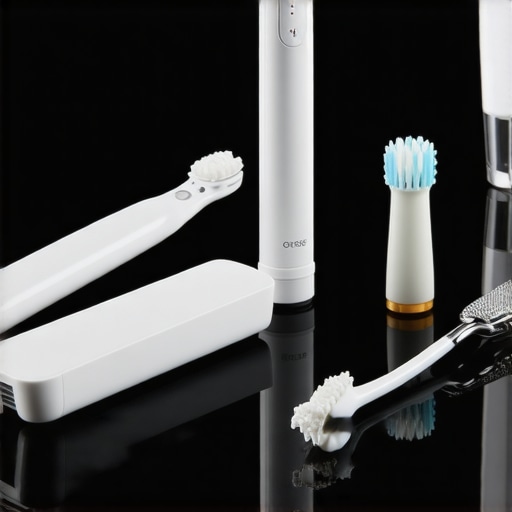
One of my top favorites is the electric toothbrush. Unlike manual brushes, advanced models like the Soniclear or Oral-B iO deliver superior plaque removal through oscillating-rotating technology. I personally use the recommendations from the family dentistry specialists because they help reach those hard-to-clean areas, especially around brackets or crowns, ensuring a thorough clean every time.
Complementing your toothbrush, smart flossers such as the Quip or Burst deliver consistent, gentle flossing that removes plaque between teeth effectively. These tools often incorporate built-in timers and even Bluetooth connectivity, allowing you to track your flossing habits via your smartphone. This data helps build sustainable oral hygiene routines—something I encourage all my patients to leverage for long-term success.
In addition, I recommend water flossers like the Waterpik Ultra. They are fantastic for families, enabling easy, gentle cleaning around braces, dental implants, or bridges. Here’s an insider tip: using warm water with a burst of mouthwash can add freshening benefits during your routine, boosting motivation and improving overall oral health.
For maintaining your teeth’s natural brilliance, professional-grade whitening kits such as these at-home options complement regular cleanings perfectly. I suggest a periodic session with your dentist to assess whitening progress and adjust treatments accordingly, ensuring your investment yields lasting results.
How can I keep my dental tools effective over time?
Proper care extends their lifespan and maintains hygiene standards. Always rinse and dry your electric toothbrush heads thoroughly after use, replacing them every three months or sooner if bristles fray. For flossers and water picks, replace disposable parts regularly—think of it as giving your tools a fresh lease for optimal performance.
Looking ahead, the trend points toward smarter, AI-integrated oral health devices that can monitor plaque levels or detect early signs of decay through connected apps. Embracing this technology now can give you a significant advantage, helping you catch problems early and make informed decisions. For more insights into innovative cosmetic tools that can revolutionize your smile, check the latest cosmetic dentistry tools.
Don’t wait to elevate your routine—try incorporating a high-quality electric toothbrush today and experience the difference firsthand. Remember, consistent use paired with proper maintenance is your best bet for a long-lasting, vibrant smile.
To stay informed on the latest in family and cosmetic dental care, visit our contact page or schedule a consultation with our team. Your healthy, beautiful smile is worth it!