
Picture this: It’s the morning after a deep dental cleaning, and I’m sitting at my kitchen table, realizing my gums feel tender, swollen, and just plain uncomfortable. I remember thinking, “Why does it hurt so much? Isn’t this supposed to be a routine procedure?” That was my lightbulb moment—discovering how crucial my diet and choice of foods are in speeding up the healing process.
Understanding what to eat (and what to avoid) after a deep cleaning can make all the difference. I’ve learned from personal experience and professional advice that certain foods can reduce inflammation, promote tissue repair, and help my gums bounce back faster. Today, I want to share with you the secrets I’ve uncovered—foods that can turn a painful recovery into a smoother, more comfortable one. If you’re scheduled for deep cleaning or if you’re already healing and feeling frustrated, stick around. Because what you consume can truly influence your recovery timeline.
Why Your Diet Plays a Critical Role in Gum Healing
After a deep cleaning, your gums are in a vulnerable state. The tiniest disturbance can prolong discomfort or even cause setbacks. That’s why I started paying close attention to my diet—adding the right foods and cutting out the wrong ones. Interestingly, incorporating anti-inflammatory foods can accelerate healing and reduce swelling. Conversely, sugary or acidic foods tend to irritate the tissues and slow down progress. It’s a simple concept, but surprisingly overlooked among many looking for quick relief. For a comprehensive approach to maintaining oral health, I recommend checking out [these expert tips](https://gentlesmiledentist.com/maintaining-oral-health-expert-advice-for-a-lifetime-of-healthy-teeth), which emphasize diet alongside good oral hygiene.
Is Food Buzz and Fad? Here’s What the Science Says
Early in my journey, I made the mistake of ignoring what I ate, thinking good brushing habits alone would do the trick. Turns out, I was missing a major part of the puzzle. A study published in the Journal of Clinical Periodontology highlights that diet strongly influences inflammatory responses and tissue healing in the gums. Specifically, diets rich in antioxidants and omega-3 fatty acids can significantly reduce inflammation and promote quicker recovery. So, yes—what you eat is a game-changer.
If you’ve ever experienced prolonged discomfort or wondered why your gums aren’t healing as fast as they should, maybe it’s time to reconsider your diet. In the next sections, I’ll walk you through the best foods to eat and the common mistakes to avoid during your recovery. Ready to learn how to turn your post-cleaning soreness into a speedy healing story? Keep reading!
,
Stick to Soft, Anti-Inflammatory Foods
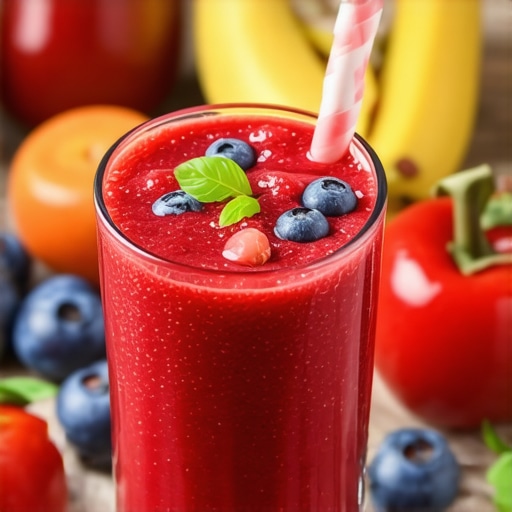
Immediately after your deep cleaning, opt for soft foods to avoid irritation. Think pureed vegetables, mashed potatoes, or smoothies packed with anti-inflammatory ingredients like turmeric and ginger. These help reduce swelling and prevent further trauma to sensitive gums. I remember the first time I tried a cooling cucumber and mint smoothie—it’s gentle on the gums and tastes refreshing, making recovery more palatable.
Add Omega-3 Rich Foods
Incorporate foods high in omega-3 fatty acids, such as chia seeds, walnuts, or salmon, into your meals. Omega-3s have potent anti-inflammatory properties that accelerate tissue repair. I started adding a handful of walnuts to my oatmeal, noticing my gums felt less swollen within days. This simple change makes a big difference in managing inflammation.
Stay Hydrated and Avoid Irritants
Drinking plenty of water flushes out toxins and keeps tissues hydrated, supporting healing. Avoid acidic drinks like citrus juices or sodas, which can irritate delicate gums. I once tried to hydrate quickly with orange juice after a session—my gums flared up, reminding me to stick with water instead. Clarity in hydration sustains the healing process effectively.
Limit Sugary and Processed Foods
Sugar fuels harmful bacteria in the mouth, increasing inflammation and delaying healing. Swap out candies and pastries for nuts and berries. When I eliminated processed snacks from my diet, I observed a noticeable reduction in gum discomfort. This is a crucial step that often gets overlooked but can significantly abbreviate recovery time.
Implement Nutrient-Dense, Soft Snacks
Opt for nutrient-dense options like Greek yogurt, soft scrambled eggs, or applesauce. These provide essential vitamins and minerals without stressing your gums. I found that yogurt with a drizzle of honey not only soothed my gums but also boosted my immune response, promoting faster healing.
Plan Your Meals to Support Recovery
Anticipate your dietary needs by preparing meals ahead of time, focusing on texture and nutrient content. Smoothies with spinach, bananas, and chia seeds became my go-to. Planning helps avoid last-minute temptations to eat crunchy or spicy foods that could irritate your gums, ensuring a smooth healing trajectory.
Consult Your Dentist for Personalized Advice
Every healing process is unique. For tailored guidance, schedule a follow-up or ask specific questions on nutrition and post-care. My dentist provided a customized list of foods and even suggested supplements, which sped up my recovery. For more family-oriented tips on maintaining oral health, see these expert recommendations.
 Many people assume that family dentistry is just about routine cleanings and fillings, but the truth is far more nuanced. Contrary to common belief, regular dental visits do more than prevent cavities—they play a crucial role in detecting early signs of systemic diseases like diabetes and heart conditions, as highlighted by the American Dental Association. Overlooking this connection is a common mistake that can delay vital health interventions. Additionally, a prevalent myth suggests that teeth whitening damages enamel; however, when performed professionally with modern techniques, it is both safe and effective, as documented by recent studies in cosmetic dentistry. But here’s the catch: many fall into the trap of over-relying on over-the-counter whitening products, which can be abrasive and cause sensitivity over time.
When it comes to oral hygiene, the popular advice to brush harder to remove plaque is actually a pitfall. Excessive pressure can lead to gum recession and enamel erosion, undermining long-term dental health. Instead, mastering proper brushing techniques and using gentle, circular motions is more beneficial, a tip supported by dental health experts. Have you ever fallen into this trap? Let me know in the comments.
A deeper layer of misunderstanding surrounds dental cleanings. Some believe they are purely cosmetic; in reality, professional cleanings remove tartar buildup that cannot be tackled with regular brushing alone, preventing periodontal disease and bone loss. Neglecting these cleanings can lead to sophisticated infections that compromise overall health.
For those considering cosmetic solutions, a common misconception is that veneers are only for vanity. In fact, modern veneer technology offers durable, minimally invasive options that can correct functional issues like bite problems, as discussed in the latest cosmetic dentistry innovations. Yet, some patients delay seeking such treatments due to fears of tooth reduction or unnatural appearance, misconceptions that are now outdated.
Finally, a hidden nuance often overlooked involves the impact of diet on oral health. While many know to avoid sugary snacks, few realize that certain beverages like diet sodas are also highly acidic and can erode enamel, as shown in recent research. Implementing small dietary adjustments can dramatically improve dental resilience.
Incorporate these insights into your oral health routine, and you might just avoid the common pitfalls many fall into. Want to explore these topics further? Check out [preventive tips for long-lasting family dental health](https://gentlesmiledentist.com/preventive-tips-for-long-lasting-dental-health-for-families) or discover the latest innovations in cosmetic dentistry at [this year’s top trends](https://gentlesmiledentist.com/cosmetic-dentistry-innovations-you-cant-miss-this-year). Remember, understanding these nuances empowers you to make smarter decisions for your family’s smiles. Have you ever fallen into this trap? Let me know in the comments.
Keeping It Working: Tools and Techniques for Long-Term Dental Health
Maintaining optimal oral health, especially within a family setting, requires more than just routine check-ups. It involves leveraging the right tools, adopting effective methods, and staying informed about emerging advancements. One of the foundational tools I rely on is a high-quality electric toothbrush, such as the Sonicare DiamondClean. Its oscillating-rotating technology delivers superior plaque removal compared to manual brushing, which is vital for preventing cavities and gum disease in family members of all ages. Using a timer function encourages thorough brushing of all quadrants for the recommended two minutes, ensuring no area is neglected. Additionally, incorporating flossing with water flossers like Waterpik makes daily interdental cleaning easier, especially for children or individuals with braces or sensitive gums. Personally, I find that water flossers are gentler and more effective at reaching hard-to-access areas than traditional floss, which promotes consistency in the whole family.
Staying current with the latest innovations, I highly recommend exploring laser dentistry options, such as diode lasers, which facilitate faster, less invasive procedures with minimal discomfort. While not operational in every family dental practice yet, laser techniques are predicted to become the standard in the near future for treatments like periodontal therapy and soft tissue management. Investing in digital imaging tools, like intraoral scanners, also streamlines the process for both dentist and patient, reducing discomfort associated with traditional molds and providing precise, detailed views of oral structures. These advancements contribute to more accurate diagnoses and personalized treatment plans, ultimately enhancing long-term outcomes.
How do I keep my family’s oral health intact over time? Consistent routines, scheduled professional cleanings, and staying abreast of technological innovations form the backbone. Regular visits allow early detection of issues that might be invisible at home, preventing costly or painful problems later. Additionally, educational resources—like those found at this site—help instill good habits in children and reinforce ongoing care in adults.
Looking ahead, I believe the trend toward minimally invasive procedures combined with smart dental appliances, like Bluetooth-enabled toothbrushes and app-monitored flossers, will revolutionize how families manage their oral health. These devices provide real-time feedback, encouraging better technique and adherence. Embracing these tools now can set your family up for lifelong success and simplify maintenance — making oral health an effortless daily routine rather than a chore.
If you’re ready to elevate your family’s dental care, start by trying a differential brushing technique with an electric toothbrush, emphasizing circular motions and coverage of every surface. Small changes like this can significantly impact your long-term oral health. For personalized advice tailored to your family, schedule a consultation through this contact form. Staying proactive with the right tools and methods ensures your smile remains bright and healthy for years to come.
Why I Wish I Had Paid Closer Attention to My Post-Deep Cleaning Diet
During my early days of dental health awareness, I underestimated the power of nutrition in recovery. I realized that the small choices—like avoiding spicy foods or incorporating more omega-3s—could have saved me from unnecessary pain and extended discomfort. This lightbulb moment taught me that healing isn’t solely about brushing and flossing but also about nurturing your body from within.
Crafting a Family Dental Routine That Goes Beyond the Basics
Developing a routine that includes smart tools like digital plaque detectors or habit-tracking apps can make all the difference. These innovations provide real-time feedback and keep every family member engaged in maintaining oral health. Personal experiences have shown me that integrating technology encourages consistency, turning daily habits into empowering rituals rather than chores.
Inspiration for a Healthier Smile—Your Next Step
The journey to vibrant oral health is ongoing and deeply personal. Embracing new knowledge, adopting innovative tools, and fostering a positive attitude toward dental care can transform your family’s experience. Remember, small yet consistent actions today set the foundation for confident, healthy smiles tomorrow. Are you ready to take that step and redefine your family’s dental story?