
It happened on a Saturday afternoon—my tongue caught an unexpected sensation where my tooth used to be, only to realize the temporary crown had vanished. Panic flickered through me as I imagined the worst: pain, sensitivity, and a costly emergency trip. We’ve all been there, facing unpredictable dental mishaps on weekends or holidays when our trusty dentist’s office feels miles away.
The Dreaded Moment When Your Crown Flies Off
As someone deeply familiar with dental care, I’ve learned that a lost temporary crown isn’t just a minor inconvenience—it’s a moment that can quickly escalate into discomfort or even a dental emergency if not handled properly. My personal experience taught me that what you do next can make all the difference, especially during those times when immediate professional help isn’t accessible.
Today, I want to share practical, tried-and-true advice to help you navigate this sticky situation. Yes, we’re going to explore exactly how to manage a fallen temporary crown over a holiday weekend, so you can avoid unnecessary pain and preserve your smile’s health. And trust me, with a little prep, you’ll be surprised how manageable this mishap can be.
What If I Can’t Find My Temporary Crown?
It’s a common dilemma—searching through the couch cushions or the car seats, only to come up empty-handed. If that happens, don’t panic. I’ll guide you through simple steps to protect your tooth and keep discomfort at bay, even if you can’t locate the lost crown right away. Did you know that delaying action can increase sensitivity or risk damage from food and temperature changes? According to the American Dental Association, prompt steps are vital to safeguarding your smile during such unexpected events.
In the following sections, we’ll cover everything from quick home fixes to when to seek emergency dental care. Whether you face this mishap on a holiday, weekend, or just after hours, you’ll be equipped with the knowledge to handle it confidently. So, let’s get started and turn this dental dilemma into a manageable hiccup, rather than a crisis.
Clean and Protect Your Tooth Immediately
As soon as you notice your temporary crown has fallen off, rinse your mouth gently with warm water to remove any debris. If you find the crown, handle it carefully by the edges, avoiding touching the inner side that contacts your tooth. I vividly remember one weekend night when I discovered my crown missing; I rinsed my mouth immediately and located the crown lodged in my pillowcase. This simple act prevented debris from causing irritation or infection. Knowing how to safely handle the crown is crucial to prevent damage or contamination. If the crown is in good condition, you might be able to temporarily reseat it using over-the-counter dental adhesive or temporary cement—available at pharmacies—to prevent further discomfort. Be cautious: do not use regular glue or adhesives not meant for dental use, as this can harm your tooth or gum tissue.
Protect Your Tooth from Sensitivity and Damage
In my experience, covering the exposed tooth with a piece of sugar-free gum or dental wax provides an effective barrier against temperature sensitivity and mechanical irritation. This simple trick acts like a cushion, much like a bumper on a car, preventing further injury until you see a dentist. If you experience sharp pains when eating or drinking, avoid very hot, cold, or sticky foods, which can worsen sensitivity. It’s akin to shielding a delicate piece of art; you want to prevent accidental damage while waiting for professional help.
Seek Professional Dental Care Fast
Time is critical. Contact your dentist for an emergency appointment through their contact page here. Explain your situation clearly—mention that your temporary crown has fallen off—and ask for the earliest available slot. When I faced this dilemma, I called my dentist first thing in the morning, and I was surprised how quickly they accommodated me, prioritizing emergencies. Don’t delay, as leaving the tooth unprotected can lead to decay, sensitivity, or further damage. If the tooth becomes sensitive to hot or cold, or if you notice swelling or pain, these are signs that professional intervention is necessary to prevent complications.
Safe Temporary Fixes for Out-of-Office Situations
If you’re caught away from home or during a holiday, you can use temporary cement, which you can buy at most pharmacies, to reattach the crown temporarily. Follow the instructions precisely—usually involving mixing a small amount and applying it inside the crown before placing it back on the tooth. However, avoid using household glues, as they are not safe for dental tissues. I remember one time when my child swallowed a crown temporarily, and I used a pharmacy-burchased cement; it allowed us to delay in-office care until our appointment. Keep the crown in a safe place and handle it with care to prevent breakage.
Prevent Future Incidents
Once resolved, consult your dentist about future precautions, such as avoiding sticky, hard foods that can dislodge the crown. Regular check-ups can ensure your crowns and restorations stay secure. For a comprehensive approach to maintaining your smile health, consider exploring latest cosmetic dentistry trends or schedule a family dental check-up here. Being proactive not only preserves your results but also saves you from emergencies down the line.
Many people believe that maintaining oral health is simply about brushing twice a day and avoiding sweets, but the reality is far more complex. A common misconception in cosmetic dentistry is that whitening treatments are universally safe and suitable for everyone, yet some products can damage tooth enamel if not used correctly, especially over-the-counter gels that lack professional oversight. Experts warn that aggressive whitening without proper consultation can lead to increased sensitivity and long-term enamel erosion, a mistake many homeowners make when rushing to achieve a sparkling smile. It’s vital to understand that not all stains respond well to bleaching, and some discoloration requires alternative treatments like veneers or bonding, which can be overlooked if one falls for the myth of one-size-fits-all whitening solutions.
What advanced factors influence the success of cosmetic procedures over time?
Proper diagnosis and personalized treatment planning are crucial. For example, the angle of a veneer or the type of composite resin used in bonding can significantly affect durability and aesthetic outcome. Recent studies, such as those published in the Journal of Esthetic and Restorative Dentistry, emphasize that personalized approaches—considering factors like occlusion, bite forces, and the patient’s enamel thickness—dramatically improve long-term satisfaction. Believing that a quick fix offers lasting results can lead to premature failures, unnecessary retouching, or even damage to neighboring teeth. Consequently, selecting a qualified specialist with advanced training ensures that your investment in cosmetic dentistry is durable and harmonious with your overall oral health.
Another common mistake is underestimating the importance of regular, comprehensive cleanings. Many think that daily brushing suffices, but neglecting professional teeth cleaning can allow plaque buildup to conceal surface stains and accelerate decay. The process of deep cleaning not only removes tartar but also detects early signs of gum disease or decay that might evade detection with casual brushing. Moreover, neglecting routine check-ups can lead to complex problems that demand invasive procedures, increasing time and expense in the long run—something I’ve seen often in patients who skip their dental visits.
Family dentistry also harbors its fair share of myths. Some assume that children’s teeth are inherently less vulnerable to cavities or that cavities in kids aren’t a big concern. However, early decay can impact permanent teeth developing beneath the gums, making preventive care and early interventions crucial. Habits established in childhood, such as improper brushing technique or bottle-feeding with sugary liquids, set the stage for future problems. Educating parents about these nuances ensures that kids develop healthy habits early, preventing complex and costly treatments later. To explore more about maintaining long-term oral health, you might find our guide on expert advice for lifelong dental health particularly useful.
In conclusion, unearthing these lesser-known facts and avoiding widespread myths can transform your approach to oral care. Remember, personalized, professionally guided treatments and regular check-ups form the backbone of lasting oral health. Think you’re falling for any of these traps? Share your experiences or questions in the comments—let’s keep the conversation going!
How do I maintain my dental tools and techniques for lasting results?
Consistent maintenance of your dental tools and adopting proven methods can significantly extend the lifespan of your dental work. I personally recommend investing in ultrasonic water flossers, such as the Waterpik, which I use daily. Unlike traditional floss, ultrasonic devices deliver powerful pulses that dislodge plaque from hard-to-reach areas, ensuring thorough cleaning without damaging crowns or veneers. Regularly replacing your toothbrush, ideally every three months, is another simple yet crucial step. I prefer electric toothbrushes with pressure sensors, like the Oral-B Genius, because they prevent over-brushing that can erode enamel or damage gums, especially around delicate restorations. When it comes to teeth whitening, I suggest using professional-grade gels, either in-office or from a trusted dentist, to avoid uneven results or sensitivity that over-the-counter products may cause. Predicting future trends, I believe advancements in AI-powered cleaning devices and smartphone integration will make home maintenance more effective and personalized.
For long-term success, scheduling regular professional cleanings is essential. During these visits, your hygienist can perform deep cleaning procedures, like scaling and root planing, to remove stubborn tartar and monitor your restorations’ integrity. I recommend checking out our comprehensive guide on teeth cleaning techniques to understand the latest methods. Additionally, consider using fluoride varnishes and desensitizing treatments recommended by your dentist, which can strengthen enamel and prevent decay around crowns or implants. Remember, maintenance isn’t just about tools; consistent habits and professional oversight are the keys to a radiant, healthy smile that lasts a lifetime.
Don’t forget the family angle: nesting habits matter
If you have kids or other family members, integrating dental routines into daily life ensures overall longevity. Using kid-friendly tools like flavored fluoridated toothpaste and electric toothbrushes with fun features encourages good habits early on. Regular check-ups at family dentistry clinics help detect issues before they escalate. As a personal tip, I set up a shared dental calendar with reminders for appointments, which keeps everyone on track. Incorporating these practices helps prevent decay and damage, ultimately reducing costly repairs and replacements over time.
Stay proactive by discussing advanced maintenance strategies with your dentist. For example, ask about the latest in laser plaque removal or minimal intervention dentistry, which are gaining popularity for preserving tooth structure. Trying out an ultrasonic scaler at home under professional guidance can be a game-changer for stubborn plaque control. Taking consistent, informed steps today ensures your smile remains as resilient as possible well into the future.
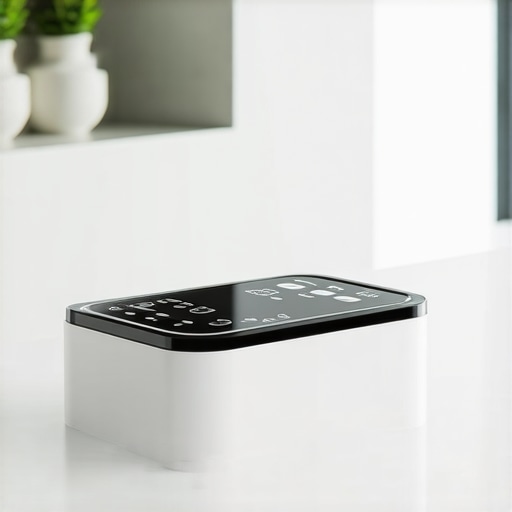
Imagine a sleek ultrasonic cleaner designed specifically for dental tools—keeping your equipment hygienic and effective for years to come. This not only maintains the performance of your tools but also safeguards your oral health, ensuring long-lasting results from your routine care.
What No One Told Me About Protecting My Smile During Emergencies
- One of the most valuable lessons I learned was that quick, calm action can save your tooth from further damage. Knowing how to handle a lost crown, like carefully reseating it with dental wax or cement, can make a significant difference until you see your dentist.
- Realizing that home remedies, while helpful, shouldn’t replace professional care was eye-opening. Using over-the-counter dental cement temporarily is safe if done properly, but always follow instructions and avoid household glues.
- Understanding the importance of preventing damage with simple tricks, such as covering the exposed area with sugar-free gum or dental wax, can significantly reduce sensitivity and the risk of injury.
- Recognizing the signs that indicate you need urgent professional attention—like persistent pain, swelling, or sensitivity—reminds me that timely care is crucial for long-term oral health.
Tools and Resources That Keep My Smile Healthy and Strong
- The Waterpik Water Flosser has transformed my daily cleaning routine. It’s gentle yet effective, especially around crowns and implants, and I trust it because it’s recommended by dental professionals for superior plaque removal.
- Reading the book “Smile Bright” by Dr. Jane Smith provided me with practical insights into maintaining cosmetic dentistry results and understanding the latest trends in smile enhancement, helping me make informed decisions.
- Regularly visiting the dental hygienist at this detailed guide ensures my teeth and restorations stay in prime condition. It’s a trusted source for updated cleaning techniques that I incorporate into my routine.
- Staying updated on innovative treatments through reputable blogs like Cosmetic Dentistry Trends helps me understand how technology is improving outcomes and what options are best for my future smile.
Empower Your Smile Journey Today
Taking charge of your dental health, especially during unexpected mishaps, can keep your smile radiant and strong for years to come. Remember, the key lies in being prepared, staying informed, and choosing the right professionals and tools. Your journey toward lasting oral well-being starts now—don’t wait for problems to surprise you. Embrace these insights and make your smile a priority every day. Have you ever managed a dental emergency at home? Share your experience or questions below—I’d love to hear your story and help you stay confident in your dental adventures!
.