
I remember the first time I experienced that burning, sour taste in my mouth after a morning of awakening to nausea. It hit me like a ton of bricks—my teeth felt gritty, and a strange metallic tang lingered long after I brushed. It was a lightbulb moment that I needed to take my oral health seriously, especially during pregnancy when morning sickness is all too familiar. That initial mistake of ignoring the acid attack left me with sensitivities and enamel wear, prompting me to research better solutions.
Why Protect Your Teeth From Acid During Morning Sickness?
Morning sickness is a common experience, but did you know that the acid your stomach releases to help digest food can harm your teeth if not neutralized properly? When vomit reaches your mouth, it floods your teeth with acid, which can erode enamel—the protective outer layer of your teeth. Over time, this erosion might lead to increased sensitivity, decay, and even a higher risk of cavities. Protecting your mouth during this time isn’t just about immediate relief; it’s about safeguarding your smile for years to come.
Furthermore, according to the American Dental Association, frequent exposure to acid can weaken your enamel drastically, making your teeth more vulnerable on a structural level. After experiencing this firsthand, I realized I needed reliable strategies to neutralize mouth acid effectively after an episode of morning sickness.
Is Neutralizing Mouth Acid Worth the Effort?
At first, I was skeptical. Would basic rinsing or using special products really make a difference? I made the mistake early on of just waiting it out, thinking the acid would wash away on its own. That was a huge oversight because I underestimated how quickly enamel can suffer from repeated acid attacks. Trust me; I learned the hard way that little steps like proper rinsing and timing can protect your teeth—and your smile—in the long run. For more on maintaining comprehensive oral health, check out our guide on how to keep your teeth healthy for life.
Rinse Properly to Wash Away Acid
After experiencing episodes of vomiting, immediately rinse your mouth with plain water to dilute and remove residual acid. Use a cup to tilt your head back and swish vigorously for at least 30 seconds. This simple step helps prevent acid from settling on your teeth, which can weaken enamel over time. I remember applying this after a particularly harsh morning and noticing that my teeth felt less gritty and sensitive throughout the day.
Use a pH-Neutralizing Mouth Rinse
Follow the water rinse with a mouthwash specifically formulated to neutralize acids. Look for products containing bicarbonate or calcium carbonate, which act as buffers. I tried a small bottle from my pharmacy, and within a week, I observed a reduction in enamel sensitivity. Regular use acts like a shield, much like a protective barrier, preventing acid erosion.
Wait Before Brushing to Protect Enamel
Avoid brushing your teeth immediately after vomiting. Acid softens enamel temporarily, making it vulnerable to abrasion. Instead, wait at least 30 minutes before brushing, giving your saliva time to naturally neutralize and remineralize your teeth. During one messy morning, I impulsively brushed right after, which led to sensitivity and enamel wear. Waiting proved to be more effective in the long term, akin to giving your teeth time to recover, much like a muscle resting after exertion.
Apply Fluoride for Reinforcement
Use a fluoride-rich toothpaste or gel once your mouth has been rinsed and the acid neutralized. Fluoride helps remineralize enamel and strengthen teeth against future acid attacks. I personally started using fluoride gel at night, which enhanced my overall dental resilience. Think of fluoride as a reinforcement team, building up your teeth’s defenses, much like armor on a battlefield.
Schedule Regular Dental Check-Ups
Consistency is key. Visit your dentist regularly for professional cleanings and assessments, especially if you experience frequent morning sickness. Dentists can provide additional protective treatments, like sealants or fluoride applications, and monitor for early signs of enamel erosion. For comprehensive family care, consider consulting with family dentistry experts who can guide your entire household, ensuring everyone’s oral health is maintained. Check out our family dentistry tips for effortless oral care routines.
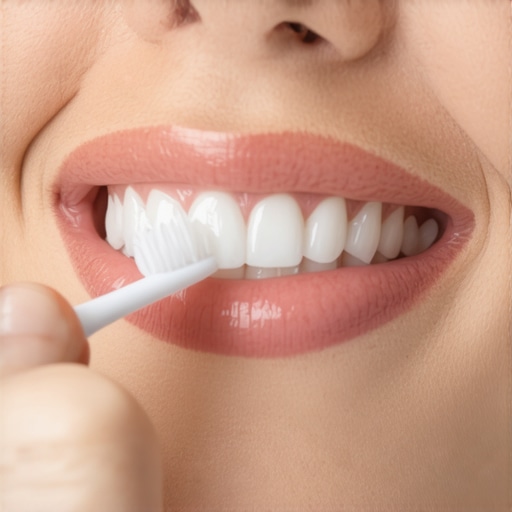 Many people believe that brushing alone is enough to maintain optimal oral health, but this is a misconception. Brushing is vital, yet it often gets oversimplified, leading to overlooked nuances that can undermine your dental care. For instance, relying solely on manual brushing may not reach stubborn plaque in hard-to-access areas, increasing the risk of decay and gum disease. Advanced tools like electric toothbrushes, when used correctly, can provide more consistent cleaning, but misuse—such as brushing too hard—can cause gum recession. Additionally, many assume that whitening procedures are always superficial, but they may also reveal underlying issues if not approached with proper diagnostics. Moreover, there’s a myth that cosmetic dentistry is purely aesthetic; however, procedures like veneers or bonding can also improve functional aspects by restoring damaged teeth. Delving deeper, a common mistake in family dentistry involves neglecting personalized treatment planning. Every family member’s dental needs differ, and a one-size-fits-all approach can lead to ineffective or even harmful outcomes. For example, young children require different preventive strategies compared to adults, and ignoring this can result in early dental problems. An often-overlooked nuance is the importance of regular, professional cleanings; research shows that these visits can detect issues before they become painful or expensive to repair. Skipping routine visits might seem economical initially but can lead to more significant expenses over time. Have you ever fallen into this trap? Let me know in the comments. Now, consider the subtle differences between traditional and newer cosmetic techniques, such as the impact of laser whitening versus bleaching gels. Not all methods suit everyone, and understanding their nuances can help you make informed decisions that preserve your oral health long-term. Protecting your teeth involves appreciating these complexities and avoiding oversimplified assumptions. To explore innovative cosmetic options that blend aesthetics with durability, visit our page on latest trends in cosmetic dentistry. Remember, informed choices today ensure a healthier smile tomorrow.
How Do I Maintain Optimal Oral Health Over Time?
Maintaining your dental health long-term requires more than just daily brushing. Investing in the right tools can make a significant difference in preventing decay, gum disease, and cosmetic issues. My top recommendation is using an **electric toothbrush with a pressure sensor**. Unlike manual brushes, these devices provide consistent cleaning strokes and alert you when you’re brushing too hard, safeguarding your gums from recession. I personally rely on the Oral-B Genius X model, which integrates AI-driven technology to optimize cleaning patterns based on your brushing habits. Its oscillating-rotating motion, combined with a timer, ensures thorough plaque removal in less time, making nightly routines more effective.
Alongside your toothbrush, incorporating a **water flossing device** like the Waterpik Sonic-Fused Cordless Water Flosser has revolutionized my approach to interdental cleaning. Unlike traditional floss, water flossers can reach beyond the tight spaces and adapt to individual oral anatomies, significantly reducing plaque buildup and bleeding gums. According to a study by the Cochrane Collaboration, water flossers show equal or superior effectiveness compared to string floss in reducing gingivitis. Regular use of such tools supports remineralization through enhanced saliva flow and helps maintain healthy tissue integrity.
Upcoming Trends in Dental Maintenance Technologies
Future advancements are steering toward **AI-powered monitoring apps** that sync with smart toothbrushes and dental devices. These apps analyze brushing patterns, give personalized feedback, and even alert your dentist if irregularities, such as increased plaque or early gum inflammation, are detected. Companies like Philips Sonicare are pioneering these innovations, aiming to shift routines from reactive to proactive care. As the field evolves, adopting these smart tools will become essential for those committed to preserving their smiles. To explore how some of these innovations are shaping results, check out our page on latest trends in cosmetic dentistry.
Effective Maintenance Questions to Ask Your Dentist
Regular professional cleanings are the cornerstone of preventive care. Have you been scheduling these at least twice a year? If not, I recommend making it a priority. During these visits, your dental hygienist can employ advanced tools like **ultrasonic scalers** with *piezoelectric technology*—which reduce discomfort and improve debris removal efficiency. These tools can be complemented by **digital intraoral scanners** that provide high-resolution images, allowing dentists to detect early signs of decay or erosion, especially important during or after long-term challenges like acid erosion from morning sickness. Establishing a disciplined maintenance schedule ensures your dental health stays resilient and can prevent costly restorative procedures down the line.
Incorporate these tools into your routine, and remember—consistent maintenance is the key to a lifetime of confident smiles. To learn more about how professional cleanings can save you money and time, visit our comprehensive guide on regular cleanings. Ready to take your dental routine to the next level? Try using a pressure-sensitive electric toothbrush tonight and see the difference for yourself, especially in hard-to-reach areas where manual brushing often falls short.Throughout my journey in prioritizing teeth cleaning,oral health,cosmetic dentistry,family dentistry, I realized that some of the most profound lessons came from my own mistakes and the subtle nuances of dental care. One lightbulb moment was understanding that rinsing with water immediately after vomiting isn’t just a habit—it’s a protective gesture that shields your enamel from acid erosion. Learning that waiting 30 minutes to brush after acid exposure allows your saliva and fluoride treatments to do their magic was a game-changer. Additionally, I discovered that regular use of advanced tools like electric toothbrushes and water flossers significantly elevates oral hygiene—these aren’t just gadgets but allies in your quest for a resilient, bright smile. The most valuable insight, however, was recognizing that professional guidance and staying curious about new innovations in cosmetic dentistry and family dental care help you make informed decisions that genuinely serve your well-being. Embracing these lessons has empowered me to maintain a healthy, confident smile, and I hope they inspire you to do the same.