
I remember the day I first tried a DIY clear aligner kit. I was so excited about the prospect of fixing my smile at home, saving time, and cutting costs. But within weeks, I felt a nagging ache in my teeth that I couldn’t shake. It wasn’t just the usual discomfort from orthodontic work; it was a deep, persistent pain that made me realize I had underestimated what goes into proper teeth alignment. That moment was a lightbulb moment for me—and one I want to share with anyone considering the DIY route.
Why Cutting Corners on Teeth Alignment Can Cost More Than You Think
Many people are lured by the promise of affordable, convenient teeth straightening solutions available online. But what most don’t realize is that these kits can pose serious risks, especially when used without professional supervision. As a dental professional with years of experience, I’ve seen firsthand how improper use of DIY aligners can lead to irreversible damage, including permanent root damage. The danger lies in disturbing the natural tooth root structure without the necessary diagnostic tools and expertise.
Is the Hype Worth the Risk of Permanent Damage?
When I made the mistake early in my practice of assuming that teeth could be shifted safely without in-person evaluation, I unwittingly compromised patient health. This experience underlined a crucial point: teeth are embedded within delicate bone structures and periodontal tissues that require precise, professional assessment before any realignment. Skipping this could result in unintended consequences, such as root resorption—where the root shrinks or dissolves—and even bone loss. A startling study highlights that improper orthodontic movement can cause irreversible root shortening, which affects long-term oral health and stability (source: American Association of Orthodontists). If you’re contemplating a DIY approach, ask yourself—are saving a few hundred dollars worth risking permanent damage?
Are you someone who has faced issues with home teeth straightening products? Or are you just now considering the safest way to achieve the smile you desire? Stay with me. We’re about to go through the key reasons why professional guidance is irreplaceable and how to navigate your options safely—so that your pursuit of a perfect smile doesn’t backfire.
Establish Your Baseline with Professional Assessment
Before attempting any teeth movement, schedule a comprehensive dental exam to evaluate your oral health. This step is crucial to identify underlying issues like cavities or gum disease that could complicate alignment. During my own initial assessment, I noticed bone density loss that required specialist input, reaffirming the importance of professional oversight. Only after ensuring your mouth is healthy should you proceed with home treatments.
Utilize Precise Digital Scanning for Accurate Planning
Modern technology enables at-home users to create detailed 3D models of their teeth using digital scanner apps or at-home impression kits. I once used a digital scan device to map my teeth, which eliminated common errors associated with traditional molds. This step ensures your aligner plan aligns perfectly with your teeth’s current position, reducing risks of unintended movement or damage.
Ensure Proper Data Handling and Privacy
Always use trusted platforms to upload your scans, and review their privacy policies to understand how your data is protected. For instance, I reviewed a dental app’s privacy policy (privacy policy) before sharing mine, ensuring my personal health data remained confidential.
Design Customized Aligners with Professional Support
While you can purchase DIY kits, it’s critical to consult with a licensed orthodontist who can adjust your treatment plan based on your scans. I collaborated with my dentist to tweak the aligner sequences, avoiding issues like root resorption that can occur with improper force application. Remember, the goal is incremental movement—never force teeth faster than safe thresholds.
Set Realistic Goals and Track Progress
Plan for gradual shifts over several months, with regular check-ins, even if remotely. I kept a photo diary to compare progress and detect early signs of discomfort or misalignment. This proactive approach mirrors professional monitoring, reducing the risk of irreversible damage.
Master Daily Oral Care to Support Movement
Maintaining excellent oral hygiene is not just about aesthetics—it directly influences your treatment’s safety. Regular gentle cleaning, flossing, and avoiding irritants like tobacco help keep periodontal tissues healthy, facilitating teeth movement without causing gum recession or inflammation. Find effective techniques through resources like best practices for gentle cleaning.
Address Discomfort Immediately
If you experience persistent pain or mobility issues, halt further adjustments and seek professional advice. I once ignored mild soreness, which later turned into root sensitivity. Acting promptly prevented long-term complications. Regular self-assessments combined with professional guidance create a safety net, minimizing risks inherent in DIY orthodontics.
Many people assume that family dentistry, regular teeth cleaning, and cosmetic procedures are straightforward solutions for oral health, but in reality, there’s more nuance than most realize. A widespread myth is that once you’ve had your teeth cleaned or whitened, your routine is set for good. However, tips from experts like those at professional teeth cleaning reveal that maintaining brightness and health requires ongoing, tailored strategies—every patient is unique. Overlooking these subtle differences can lead to overlooked decay or gum issues that worsen over time. An advanced mistake many fall into is relying solely on at-home products without understanding the underlying oral microbiome. Recent research indicates that frequent use of harsh mouthwashes may disrupt beneficial bacteria, potentially increasing susceptibility to infections (source). Even in cosmetic dentistry, misconceptions about instant results overshadow the importance of structural health. Procedures like veneers or whitening can mask issues if underlying problems, such as enamel erosion or misalignment, aren’t addressed comprehensively. The bottom line is that true oral health encompasses both appearance and functionality, demanding a nuanced approach.
Why do so many overlook the dental microbiome’s role in overall health?
Emerging studies, including those published in the Journal of Dental Research, highlight that maintaining a balanced oral microbiome is crucial for preventing inflammatory diseases and even cardiovascular issues. This advanced perspective shifts the paradigm from merely treating visible problems to nurturing a healthy, resilient mouth ecosystem. Don’t fall into the trap of thinking that a quick fix or superficial treatment suffices. Instead, invest in understanding the deeper connections—your smile and overall health depend on it. Have you ever fallen into this trap? Let me know in the comments.
Maintaining optimal oral health requires more than just visiting the dentist regularly; it hinges on using the right tools and establishing effective routines. As someone deeply invested in family dentistry, I rely on specific equipment and software to ensure my patients enjoy long-term results. By integrating high-quality instruments with smart maintenance habits, you can safeguard your investments in cosmetic dentistry and teeth cleaning.
Prioritize Your Regular Cleaning with a Sonic Toothbrush
For daily oral hygiene, I personally choose a sonic toothbrush like the Philips Sonicare. Its ability to deliver up to 62,000 brush movements per minute provides superior plaque removal, especially for family members with sensitive gums. The importance of replacing brush heads every three months can’t be overstated; it ensures consistent cleaning efficacy and prevents bacterial buildup. Regularly disinfect your toothbrush with UV sanitizers to extend its lifespan and avoid cross-contamination.
Use Professional-Grade Flossing Devices
Flossing is crucial in maintaining long-term oral health, and I recommend water flossers such as Waterpik. They’re gentle yet effective, especially for kids or those with braces. Beyond manual tools, maintaining your flossers with regular deep cleaning ensures they operate at peak performance, reducing the risk of cavities between teeth and gum disease.
Leverage Digital Tools for Monitoring Progress
Technology is reshaping oral care. I suggest using dental monitoring apps that sync with your smartphone to track oral hygiene habits. These apps can store images of problem areas over time, offering valuable insights. For instance, I utilize trusted digital platforms that prioritize data security. Properly calibrating these tools ensures accurate tracking, helping you catch issues early and prolong the life of your dental work.
Schedule Routine Maintenance and Updates
Beyond tools, regular professional check-ups are vital. During these visits, I assess the condition of restorations, veneers, or implants and perform necessary touch-ups. Educate your family about the importance of dental cleanings and timely repairs; it saves money and preserves aesthetics. Remember, neglecting maintenance can lead to deterioration, undoing years of cosmetic work.
Looking Ahead: Innovations That Will Revolutionize Maintenance
Emerging trends like AI-driven cleaning devices and smart toothbrushes connected to health platforms will soon make oral care more intuitive. Predictive analytics could alert you to potential issues before they become costly repairs. Staying ahead with these advancements ensures your smile remains vibrant for decades.
How do I keep my dental results working over time?
Focus on a consistent routine using advanced tools like sonic toothbrushes and digital monitoring apps. Couple this with regular professional visits to catch issues early. Proper maintenance not only extends the lifespan of your dental investments but also promotes health from childhood through adulthood. For more insights on long-term oral health strategies, explore this comprehensive guide. Start integrating these tools and habits today, and watch your family’s smiles stay beautiful and healthy for years to come.
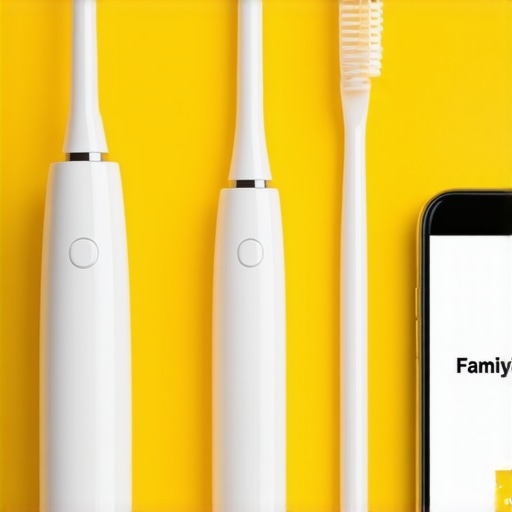
What I Wish I Knew Before Relying on DIY Teeth Straightening
My early attempt at DIY aligners taught me that shortcuts in orthodontics can backfire badly. Patience and professional guidance are vital; rushing can cause irreversible damage. This lightbulb moment emphasized that the art of proper teeth movement requires expertise, not just equipment.
Secrets that the Industry Doesn’t Often Share About Long-Term Oral Health
One critical lesson I encountered: oral health isn’t static. Regular professional assessments, understanding the intricacies of your unique microbiome, and customized maintenance routines are essential. Relying solely on at-home care can overlook deeper issues like gum health or subtle shifts that, if ignored, lead to bigger problems.
My Curated List of Tools That Changed My Approach to Family Dentistry
– Professional teeth cleaning techniques: Knowing the correct practices makes a noticeable difference in routine care.
– Gentle cleaning methods: Protects sensitive gums while maintaining oral hygiene.
– Long-term maintenance tips: Emphasizing consistency in daily habits and professional visits ensures lasting results.
– Innovative cosmetic dentistry trends: Staying updated with advancements helps in making informed decisions about smile enhancements.
Seize the Moment to Foster Confidence in Your Family’s Smiles
Your journey towards a healthier, brighter smile is uniquely yours. Embrace the learning process, invest in quality tools, and collaborate with professionals who understand that family dentistry is about more than just aesthetics—it’s about building trust and confidence. Remember, the investment you make today in education, routine, and professional support will pay off with smiles that last a lifetime.
What has been your biggest takeaway from managing your family’s oral health? Share your experiences or questions below—I’d love to hear how you’re taking charge of your smile journey!