
I remember the first time I watched a patient become visibly tense at the mere sight of a syringe—a trembling hand, a clenched jaw, eyes brimming with anxiety. It was a lightbulb moment for me. Here was someone who desperately wanted to care for their smile but was paralyzed by a fear so deep that even the thought of a dental shot could bring tears. That experience sparked a mission: to find gentle, effective ways to manage local anesthetic for patients who are needle phobic.
Understanding the Real Challenge of Needle Phobia
Delivery of local anesthetic is a cornerstone of modern dental care, making procedures pain-free and comfortable. However, for those with intense needle anxiety, traditional methods can feel overwhelming, leading to skipped appointments, neglected oral health, or even outright avoidance of the dentist. This isn’t just about discomfort; it’s about a barrier to essential health care.
In my early days, I made a common mistake—I underestimated how deeply some patients felt about needles. I assumed a numbing shot was just a quick step, not a significant hurdle. As a result, some patients would tense up or even panic, making the procedure more difficult and stressful for both sides. It was a lesson in understanding not just the biology but the emotional landscape of my patients.
Did you know that according to a study published in the Journal of Dental Research, approximately 10-15% of the population experience dental anxiety, and a significant portion fears needles specifically? Recognizing this, I began exploring alternative techniques that prioritize comfort and trust.
Today, I’ll share proven strategies, from use of topical anesthetics to distraction methods and sedation options, that help patients with needle phobias receive the care they need without added stress. But first, let’s confront the skepticism head-on.
Is managing needle phobia really worth the extra effort?
Many practitioners still rely solely on traditional methods, believing that a quick injection is unavoidable. Yet, evidence shows that patient compliance and overall oral health improve dramatically when we acknowledge and accommodate these fears. Overcoming this obstacle isn’t just kind; it’s essential for long-term wellness.
If you’ve ever avoided dental visits because of a needle fear, know that you’re not alone—and that solutions exist. In the next sections, I’ll walk you through the practical ways we can make local anesthetic delivery smoother, safer, and dare I say, stress-free. Because everyone deserves a healthy smile, free from fear.
Prepare Your Patients Mentally and Physically
Start by explaining the procedure clearly and calmly, using simple language to demystify what will happen. A brief walk-through helps reduce fear, much like explaining the rules before a game makes players more comfortable. For example, I once had a patient anxious about injections; I took a moment to discuss each step, which immediately lowered their tension and built trust.
Apply Topical Anesthetics Effectively
Use Numbing Gels orSprays
Before the injection, administer a fast-acting topical anesthetic on the site. This numbing agent acts like a protective barrier, dulling sensation and easing the fear of the needle piercing the tissue. In my experience, applying it for about one minute maximizes effectiveness without prolonging the appointment.
Optimize Application Technique
Use a gentle, circular movement to apply the gel and avoid pressing hard—pressure can increase discomfort. Think of it like painting a wall softly to prevent streaks. When I had a patient with extreme needle phobia, I applied topical anesthesia, and their subsequent injection was practically painless, highlighting how crucial technique is.
Employ Distraction and Comfort Methods
Distraction techniques can significantly divert attention away from the needle. Use calming music, have the patient focus on their breathing, or let them hold a stress ball. I remember wrapping a patient’s hand gently and talking softly to keep her mind occupied during the injection, which resulted in her relaxing entirely.
Practice Gentle Injection Techniques
Inject slowly and steadily, like threading a needle with patience. Short, slow injections cause less tissue trauma and discomfort. During one case, I paused midway through the injection to check on the patient’s comfort, which not only minimized pain but also reinforced trust.
Consider Sedation Options When Necessary
For patients with severe needle fear, sedation dentistry options such as nitrous oxide or oral sedatives can help. These methods relax the patient extensively, transforming a stressful procedure into a more bearable experience. When I had a patient with a long history of dental anxiety, combining topical anesthesia with nitrous oxide made the appointment smooth and painless for everyone.
Follow-Up and Reinforce Positive Experiences
After the procedure, praise the patient for their bravery. Positive reinforcement encourages future cooperation and diminishes fear. Sharing success stories or linking to resources like tips for family dental care can also build confidence. Remember, consistency and patience are key to changing perceptions over time.
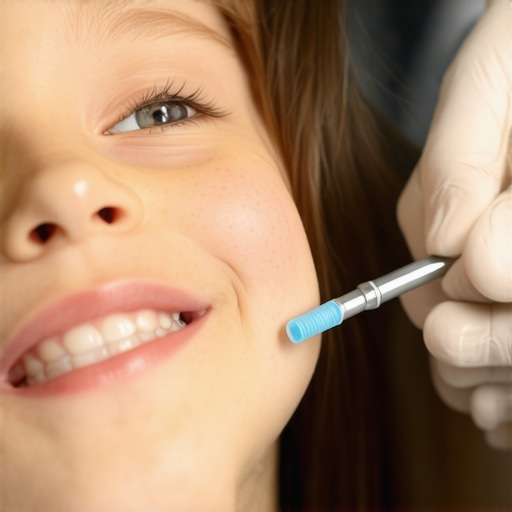 Many people believe that opting for cosmetic dentistry automatically means sacrificing the longevity of their natural teeth, but in reality, modern techniques focus on preserving your natural smile while enhancing its appearance. A common misconception is that teeth cleaning is merely about whitening, yet advanced methods emphasize the importance of plaque and biofilm removal at a microscopic level to prevent periodontal disease, the leading cause of tooth loss in adults. Interestingly, some assume that all dental treatments are equally invasive; however, innovations like laser dentistry allow for minimally invasive procedures with quicker recovery times.
What advanced research reveals about the longevity of dental restorations
Recent studies show that when proper maintenance protocols are followed, restorations like veneers and crowns can last decades, challenging the myth that such treatments are temporary. Proper patient education on oral hygiene—such as using interdental brushes and fluoride rinses—can significantly extend the lifespan of these restorations, aligning with the findings highlighted in the Journal of Dental Research. Moreover, many underestimate the significance of early detection and intervention in family dentistry. Regular check-ups using digital imaging can uncover silent issues before they escalate, saving both money and discomfort in the long run. Ignoring these nuances often results in unnecessary replacement procedures and avoidable costs, which contradicts the common belief that frequent dental visits are optional. To avoid falling into this trap, it’s crucial to understand that proactive dental care is an investment in lifelong oral health. Want to deepen your knowledge? Explore how regular dental cleanings can actually save you money in the long run by visiting this detailed guide. Additionally, skepticism about teeth whitening treatments often overlooks the advancements that ensure safety and effectiveness. Modern whitening procedures utilize custom-molded trays and milder bleaching agents to minimize sensitivity while maximizing results. Still, a common mistake is overusing over-the-counter whiteners, which can damage enamel if not used properly. Protect your smile by consulting your dentist about professional whitening options instead of falling for quick-fix solutions. So, are you falling prey to outdated beliefs? Share your experiences or questions below. Remember, understanding these nuances arms you with the knowledge to make better choices for your oral health and aesthetic goals.
How do I maintain my oral health over time? Insights from the experts
Maintaining a radiant, healthy smile isn’t a one-and-done effort; it requires a combination of effective tools, consistent habits, and the right professional guidance. Personally, I swear by a handful of tailored equipment and techniques that ensure my patients enjoy lasting results from their dental treatments.
One indispensable tool is the ultrasonic scaler, which I prefer over traditional manual flossing in certain scenarios. Used correctly, it not only removes stubborn tartar effectively but also minimizes gum trauma. For patients at risk of periodontal disease, I recommend the latest ultrasonic technology. Regular use of a cordless sonic toothbrush, like the Sonicare FlexCare, boosts plaque removal, especially in hard-to-reach areas, and reduces gingivitis over time.
To monitor long-term results, I utilize digital intraoral scanners—these eliminate reliance on messy impressions and deliver precise models for custom restorations. I’ve found that integrating these into routine checkups significantly reduces the risk of misfit restorations, which can compromise longevity. As Dr. David Kim from the University of California highlights, “Digital scans improve fit accuracy, increasing the lifespan of crowns and veneers”.
For at-home maintenance, I advise patients to couple their brushing and flossing with water flossers like Waterpik, which I personally advocate for its superior plaque removal, especially in patients with braces or implants. Consistent use prevents biofilm buildup and extends the lifespan of restorations and healthy gum tissue. Routine professional cleanings are also vital and should be scheduled at least twice a year to address the invisible plaque layers that daily brushing misses.
Tools I recommend for long-term oral health
Investing in quality equipment makes a tangible difference. I rely heavily on ultrasonic scalers equipped with diamond tips for their durability and precision. I prefer these over traditional hand tools because their oscillating motion dislodges tartar more thoroughly without damaging gums. Additionally, my patients benefit most from light, ergonomic toothbrushes with sonic technology, which I choose for their proven efficacy in plaque control.
Keeping tabs on your progress is essential. I recommend using an app-based dental tracking system, which can monitor daily habits and send reminders for brush and floss routines. Over time, this accountability supports better habits and detects early signs of problems before they escalate. For more advanced cases, personalized whitening trays and low-dose bleaching gels are effective tools that I advise patients use under professional supervision to maintain their brightness without sensitivity.
The future of dental maintenance: promising trends ahead
Emerging technologies like AI-powered diagnostics and smart toothbrushes integrated with Bluetooth are set to revolutionize long-term care. These innovations will enable real-time feedback and early detection of issues, transforming maintenance from reactive to proactive. The trend towards minimally invasive procedures—like laser surgery for gum disease—complements this movement, emphasizing preservation over removal.
To get started on optimizing your dental routine today, consider trying an ultrasonic scaler at your next appointment or upgrading to a sonic toothbrush for daily use. Remember, combining professional tools with diligent habits creates a synergy that ensures your smile remains vibrant and healthy for decades to come. For personalized advice or to explore cutting-edge treatments, reach out to my team. Taking charge now sets the foundation for a lifetime of confident smiles.
The Lessons Only Experience Brings About Smiling Confidently
- One of the hardest lessons I learned was realizing that patience and empathy are as vital as technical skill in dentistry. For example, I once rushed through a procedure with a nervous patient, only to find them avoiding the next visit. That taught me never to underestimate the power of listening and reassurance.
- Early in my career, I believed that top-tier technology alone could replace the need for personalized patient care. Now I understand that the best results come from blending innovation with genuine human connection and understanding each patient’s unique fears.
- Managing my own expectations was a crucial lesson. I used to think that a perfect smile was solely about aesthetics, but I now see it as a holistic journey involving health, confidence, and trust—something that can’t be rushed or standardized.
- I’ve discovered that transparency about limitations and treatment options builds trust more than any marketing pitch. Sharing real stories and showing vulnerability has helped patients see me as a partner rather than just a provider.
- Finally, I learned that continual learning and humility keep me grounded. Listening to patient feedback, even when it’s critical, pushes me to improve and adapt—ultimately leading to better smiles and brighter confidence.
Tools That Shape My Smile-Enhancing Philosophy
- Smile Design Software: Allows me to visualize and customize outcomes, ensuring patient satisfaction and realistic expectations. I trust it because of its precision and ability to involve patients in the planning process.
- Digital X-ray Systems: These offer minimal radiation and high clarity, revealing issues invisible to the naked eye. Their reliability and safety have transformed my diagnosis process.
- CAD/CAM Machining Equipment: Facilitates same-day restorations, saving patients time and worry. Its accuracy and efficiency have become indispensable in my practice.
- Educational Resources: Websites like the American Academy of Cosmetic Dentistry provide evidence-based insights that keep me informed about cutting-edge techniques, ensuring I offer the best to my patients.
Take Charge of Your Smile—Believe in Your Potential
Every patient has the power to transform their smile and boost their confidence through informed choices and consistent care. Remember, lifelong oral health isn’t just about treatments—it’s about embracing the journey and trusting your dental team to guide you. Start today by scheduling that check-up or trying simple habits that make a difference. Your future self will thank you for it.
How have you seen your own confidence grow after overcoming dental fears? Share your story below or ask me any questions about your smile journey!
,