
I’ll never forget the morning I woke up with a jaw that felt like it had been through a prize fight. I couldn’t even fully open my mouth to brush. For weeks, I’d been playing this dangerous game of ‘ignore the ache’ because I was terrified of the dentist’s chair. I convinced myself I was just being dramatic, but that throbbing pain was a reality check I couldn’t dodge. I had made the ultimate rookie mistake: I waited until the situation was an emergency rather than handling it while it was still a manageable plan. If you’re sitting there right now, tongue-poking a sore spot in the back of your mouth, I’m writing this for you. We’re going to talk about the safest way to extract a wisdom tooth that is impacted, and more importantly, how to do it without the soul-crushing anxiety that usually comes with it.
Don’t Wait for the Throbbing to Start
I used to think that unless I was in agony, my oral health was fine. I’d focus on my teeth cleaning techniques and assume that was enough. But impacted teeth are a different beast altogether. They are basically ticking time bombs tucked under your gums. I learned the hard way that wisdom teeth can push your other teeth out of alignment, potentially ruining years of dental work in just a few months. When a tooth is impacted, it’s stuck—either against another tooth or within the bone—and it won’t just ‘fix itself.’ According to the American Association of Oral and Maxillofacial Surgeons, nearly 85% of people will eventually need their wisdom teeth removed to avoid future complications. That’s a staggering number, yet we all seem to think we’ll be part of the lucky 15%. It’s not just about the pain; it’s about the safety of your entire jaw.
Is this surgery actually worth the hype?
You might be wondering if you can just live with it or if it’s just another expense. I asked myself the same thing for years. I was worried about the cost, the recovery, and honestly, the needles. I even looked into how dentists manage local anesthetic for people who are needle-phobic just to calm my nerves. The truth is, the safest way to extract an impacted tooth involves early intervention and a surgical approach that prioritizes your bone health. Ignoring the signs of an infected wisdom tooth doesn’t make the problem go away; it just makes the eventual surgery more complex. Have you ever felt that nagging pressure and tried to convince yourself it was just ‘sinus pain’ or ‘stress’? I did, and it cost me a lot more than just a simple extraction would have. By choosing a surgeon who uses modern technology, like 3D imaging to map the roots, you significantly reduce the risk of nerve damage. We’re going to dive into the exact steps of a safe procedure next, so you know exactly what to ask your dentist.
Map the Roots with 3D Technology Before Starting
Think of an impacted wisdom tooth like a puzzle piece that’s been jammed into the wrong spot. You can’t just yank it out without looking first. The absolute gold standard for safety is 3D imaging, often called a Cone Beam CT (CBCT) scan. Unlike a flat X-ray, this gives your surgeon a 360-degree view of where the roots are in relation to your nerves. I remember my dentist showing me my scan; it looked like a high-tech topographical map of my jaw. Because we saw exactly where the nerve was tucked, the surgeon could plan an entry point that avoided it entirely. This is far superior to the old ‘guess and check’ method. If your dentist is still relying solely on 2D films for a complex extraction, you might want to ask about why we use digital scans instead of goopy impression trays and modern imaging to ensure surgical precision.
Choose Sedation to Manage Your Physical Stress Response
I’ve always been the person who grips the dental chair armrests until my knuckles turn white. For an impacted extraction, ‘toughing it out’ with just a local numbing agent is rarely the safest move because your body’s stress response can cause blood pressure spikes. When I had my procedure, we opted for oral sedation. It didn’t knock me out completely, but it made the whole hour feel like a five-minute daydream. If you have a sensitive throat or high anxiety, the benefit of oral sedatives for patients with high gag reflexes cannot be overstated. It keeps you physically still so the surgeon can work steadily. We even discussed why we use weighted blankets to calm extremely nervous patients, which helped me feel grounded while the team focused on the tooth.
The Precision Technique of Sectioning the Tooth
A safe extraction isn’t about brute force; it’s about a controlled surgical approach. When a tooth is impacted, the safest way to remove it is often to ‘section’ it. This means the dentist carefully cuts the tooth into smaller pieces and removes them one by one. Imagine trying to get a large couch through a small doorway—it’s much easier if you take the legs off first. This method protects the surrounding bone and the adjacent teeth from unnecessary trauma. If the extraction is particularly deep, your dentist might even discuss the bone grafting process to ensure the socket heals with maximum density. This is crucial for maintaining oral health over the long term, as it prevents the jawbone from shrinking back after the tooth is gone.
Use Laser Technology for Faster Tissue Recovery
Using lasers is another game-changer for safety and comfort. Modern clinics often use laser tech to handle the soft tissue around the impacted tooth rather than traditional metal tools. I was skeptical at first, but I noticed a significant difference in the lack of swelling afterward. This is one of the reasons why we use laser technology for faster gum tissue healing. The laser cauterizes as it moves, which means less bleeding during the surgery and a much faster transition back to your normal routine. During my own recovery, I was surprised by how little downtime I actually needed because the initial incision was handled with such high-tech precision.
Stop Chasing the Squeaky Clean Feel with Brute Force
Even after a successful surgical extraction, many patients unknowingly sabotage their recovery by following outdated advice. The biggest contrarian truth in modern dentistry is that ‘squeaky clean’ is often a sign of damage, not health. We are taught that the harder we scrub, the cleaner we are, but aggressive friction is the enemy of healing tissue. If you are recovering from an impacted tooth removal, the last thing you want is to disrupt the surgical site with a stiff-bristled brush. This falls directly into the category of oral health myths debunked for the modern patient. You aren’t just cleaning a surface; you are managing a biological ecosystem. In fact, the case against aggressive flossing and brushing is even stronger when your gums are in a state of repair. Precision, not power, is what keeps the area free of bacteria without causing recession.
Why Does Your Enamel Soften After a Healthy Snack?
Here is a nuance that most people miss: your mouth is in a constant state of chemical flux. One of the most dangerous ‘oops’ factors I see is the person who rushes to the sink immediately after a meal to be ‘healthy.’ If you just finished a bowl of fruit or a glass of sparkling water, your enamel is actually in a temporary state of demineralization. Brushing at this exact moment is like sandpapering a soft surface. A study published in the British Dental Journal confirms that the mechanical action of brushing within 30 minutes of an acidic challenge significantly accelerates tooth wear. This is exactly why you should never brush immediately after drinking orange juice or eating acidic foods. You must give your saliva time to neutralize the pH and remineralize the surface before you apply any mechanical pressure.
Avoid the Natural Whitening Trap That Destroys Enamel
I’ve seen a massive surge in people trying ‘DIY’ methods to brighten their smiles post-surgery, thinking they are being safer by avoiding chemicals. This is a massive mistake. Using abrasive home remedies is the quickest way to permanently thin your protective layers. Specifically, the danger of using baking soda to whiten your enamel every day is that it is far too abrasive for the microscopic structure of your teeth. It might remove a surface stain, but it takes a layer of your tooth with it. If you want a brighter smile, you need to look at maintaining oral health through professional-grade, pH-balanced methods rather than kitchen-cupboard experiments. True expertise in dental care means understanding that biology always trumps ‘quick fixes.’ Have you ever fallen into this trap of scrubbing too hard right after a meal? Let me know in the comments.
Once the surgical site has closed and the immediate trauma of an impacted extraction is a memory, the real work begins. You’ve invested time and money into saving your jaw, so don’t throw it away with a cheap $5 drug-store brush. I personally use an electric toothbrush with a built-in AI pressure sensor. Why? Because after my own surgery, I was terrified of brushing the area. The sensor takes the guesswork out. If the ring turns red, I’m causing micro-trauma; if it’s green, I’m safe. This is a game-changer for maintaining oral health without the risk of gum recession. You should also be looking at the Relative Dentin Abrasivity (RDA) of your products. The American Dental Association (ADA) technical guidelines suggest that scores over 100 are far too harsh for daily use, which is the truth about using baking soda as a toothpaste—it’s just too abrasive for a recovering smile. 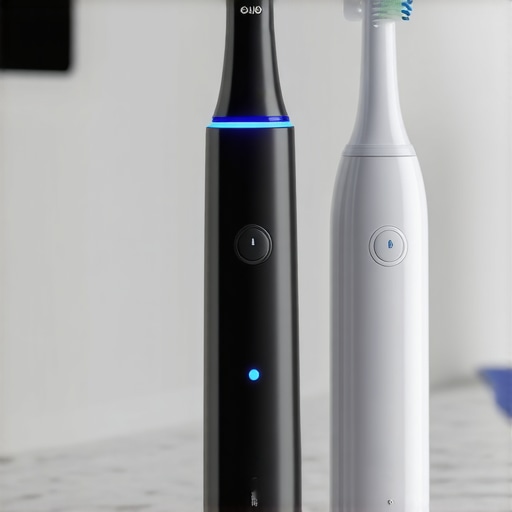
Stop Brushing Like You’re Scrubbing Tile
I see patients every day who treat their teeth like a dirty kitchen floor, but your enamel is a living structure. When I transitioned to a oscillating-rotating brush with a ‘sensitive’ mode, my gum sensitivity vanished within two weeks. I recommend this specifically because it mimics the professional tools we use during regular teeth cleaning without the aggressive lateral motion of manual scrubbing. If you have children, incorporating these tools early is one of those family dentistry tips that actually saves you from future emergency surgeries. I also swear by a water flosser with a specialized ‘pik pocket’ tip. If you have deep-set molars or had a complex extraction, traditional floss sometimes can’t reach the base of the pocket. I use the water flosser on the lowest setting to gently irrigate the area twice a day to keep the inflammatory response at zero.
How do I maintain my oral health over time?
Maintaining a healthy mouth isn’t a sprint; it’s a series of small, high-tech habits. Beyond the tools at home, you need to understand that how regular dental cleanings can save you money in the long run isn’t just a marketing slogan—it’s biological reality. Professionals can reach the calcified biofilm (tartar) that no home tool can touch. If you’re interested in what’s coming next for your smile, keep an eye on cosmetic dentistry innovations you cant miss this year. One massive shift we are seeing is the move toward biocompatible materials that integrate better with your natural tissue.
The Future of Your Bathroom Mirror
I predict that within the next five years, our bathroom mirrors will incorporate spectral sensors that scan for early-stage decay and inflammation while we brush. We will move from ‘reactive’ care, where we only go to the dentist when it hurts, to ‘predictive’ care. This technology is already being prototyped in high-end clinics, and it will eventually make things like contouring and veneers more about structural integrity than just aesthetics. My challenge to you today: Go to your bathroom right now and look up the RDA score of your toothpaste brand online. If it’s over 100, swap it for a low-abrasive gel to save your enamel for the next decade.
Three Hard Realities About Oral Surgery Most People Miss
After navigating the stress of impacted wisdom teeth myself, I’ve realized there are a few truths the standard medical pamphlets often skip. First, the sensation of ‘pressure’ is fundamentally different from ‘pain.’ During my procedure, I felt a significant amount of tugging, which can be alarming if you aren’t mentally prepared. Understanding that pressure is a normal part of the process helped me stay calm. Second, your recovery timeline isn’t always a straight line; day three is often when swelling peaks, so don’t get discouraged if you feel more ‘puffy’ then than you did on day one. Finally, the mental energy spent on anxiety is often more draining than the surgery itself. This is why I always suggest looking into the benefit of sedation for patients with a strong gag reflex or high anxiety to protect your overall well-being.
The Smile-Saving Toolkit I Actually Use Every Morning
I don’t just recommend these tools because they are modern; I use them daily to ensure I never face another dental emergency. My personal toolkit starts with an AI-pressure sensor electric toothbrush, which is vital for anyone who has had surgery. It ensures you aren’t being too aggressive while the tissue is still remodeling. I also rely on a water flosser for gentle irrigation near the back of the mouth where traditional floss can feel like a saw. Most importantly, I keep up with my professional maintenance because how regular dental cleanings can save you money in the long run is a lesson best learned through prevention rather than repair. If you have children, I highly recommend adopting preventive tips for long-lasting dental health for families to build these habits early on.
#IMAGE_PLACE_HOLDER_E#
Take Back Control of Your Comfort and Confidence
Waiting for a tooth to start throbbing before you take action is a gamble that rarely pays off. By opting for a surgeon who uses 3D mapping and laser technology, you are investing in a future free from unnecessary pain and complications. Whether you are curious about cosmetic dentistry innovations you cant miss this year or just need to get back on track with your hygiene, remember that your comfort is a priority, not an afterthought. Maintaining oral health isn’t about being perfect; it’s about being proactive. Have you ever put off a dental procedure because you were worried about the recovery process? Let me know in the comments below.