
I remember the exact moment it happened. One minute I was enjoying a handful of trail mix, and the next, I felt a sharp, jagged edge where my smooth front tooth used to be. It wasn’t just the phantom pain; it was the immediate, sinking feeling that my smile was broken. I spent the rest of the evening looking in the mirror, wondering if I was destined for years of metal brackets just to fix one tiny corner. I felt embarrassed to laugh and even started covering my mouth when I spoke. The good news? I was completely wrong about needing braces. Today, I am going to show you that you do not need a three-year orthodontic sentence to fix a chip. We are looking at real, fast, and surprisingly affordable ways to restore your tooth—often in a single visit. If you are currently panicking, the first step is knowing how to manage a chipped front tooth until your appointment so you do not make the damage worse. Have you ever chipped a tooth on something totally ridiculous? Tell me your story—it makes me feel much better about my trail mix incident!
Forget the Braces and Look at These Immediate Fixes Instead
When I first saw the damage, my mind went straight to the most expensive, time-consuming solutions. In my panic, I actually considered buying an emery board to smooth it out myself—please, whatever you do, do not do that. I ended up making the edge even more sensitive and nearly ruined my enamel. We often think that any structural change to our teeth requires moving them with wires, but cosmetic dentistry innovations you cannot miss this year have made it possible to rebuild a tooth rather than just shift it. According to the American Academy of Cosmetic Dentistry (AACD), dental bonding is one of the most frequent and cost-effective procedures for minor repairs, often requiring no anesthesia at all. This is great news for those of us who are a bit needle-phobic. You can often how to fix a small gap without spending months in braces using similar additive techniques.
Is This Just a Cosmetic Band-Aid?
You might be worried that a quick fix will just pop off the next time you eat a sandwich. I had the same skepticism. However, modern resin materials are designed to mimic the strength and translucency of your natural teeth. Whether it is simple contouring or a porcelain veneer, these solutions are built to last for years if you maintain good oral health. We aren’t just covering up the problem; we are restoring the tooth’s integrity so you can stop worrying and start smiling again.
Watch Your Tooth Reappear with Composite Bonding
The most common way to handle a chip is bonding. Think of it like a high-tech version of a sculptor’s clay. The dentist uses a tooth-colored composite resin that starts off as a flexible putty and hardens into a rock-solid surface that mimics natural enamel. First, they must etch the tooth. This sounds intense, but it is just using a mild solution to slightly roughen the surface so the resin sticks. If the surface is too smooth, the bonding will slide right off like a sticker on glass. Once the surface is ready, the resin is applied in thin, meticulous layers. 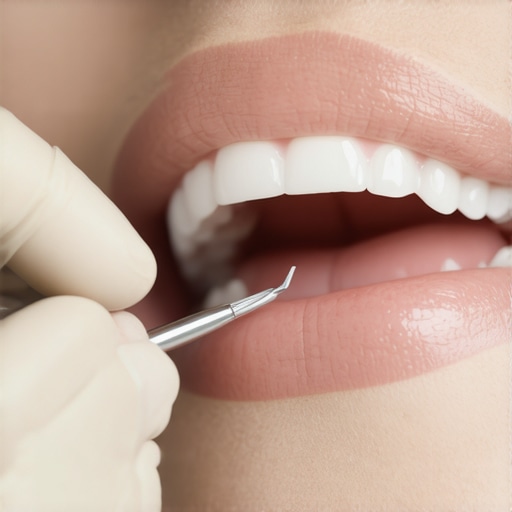 Each layer is cured with a specialized UV light. This light is what turns the soft putty into something that can withstand the pressure of a daily bite. I once watched a friend get their front tooth bonded after a biking accident. I expected a long, painful surgery, but the dentist basically painted the tooth back on in forty minutes. The real magic is in the final polishing. A skilled dentist will buff the resin until it has the same luster as your natural teeth. If you aren’t careful about who does the work, you might end up with the subtle bonding error that makes your smile look artificial, which usually happens when the color matching or translucency is just a fraction off.
Smooth Away the Damage with Dental Contouring
If your chip is tiny—more of a jagged edge than a missing chunk—you might not need to add anything to your tooth at all. Dental contouring is the art of subtraction. The dentist uses a diamond-tipped tool to gently sand down the rough spots. It is remarkably similar to how a jeweler might smooth out a rough spot on a gemstone or how you might file a broken fingernail. Because the dentist is only working on the very outer layer of your enamel, there are usually no nerves involved. This means most people can skip the numbing shot entirely. If you have been curious about contouring and veneers as the future of cosmetic dentistry, this is the most conservative entry point. I had a small craze line on my lateral incisor smoothed out this way, and the immediate relief of not feeling that sharp edge against my tongue was life-changing.
Upgrade to Porcelain When the Damage is Deep
Sometimes a chip is more than just a surface issue; it affects the structural integrity of the tooth or is simply too large for a resin patch to hold over time. This is where we look at the real difference between veneers and lumineers for small teeth. A veneer is a custom-made porcelain shell that covers the entire front of the tooth. It is like a permanent, incredibly strong shield for your smile. While bonding can eventually stain if you drink a lot of coffee or red wine, porcelain is highly resistant to discoloration. It is a long-term investment that doesn’t just fix the chip, but can also improve the overall shape and brightness of the tooth.
Set the Stage with a Professional Clean
Before any of these procedures happen, your dental foundation needs to be spotless. You cannot build a sturdy house on a swamp, and you cannot bond resin to a tooth covered in plaque or tartar. Many patients find that teeth cleaning secrets can achieve a bright smile in under 30 minutes, and doing this right before a cosmetic fix ensures the bonding material adheres to a perfectly clean surface. It also helps the dentist match the resin color to your actual clean tooth shade, rather than matching it to a layer of temporary surface stains.
Most people assume that once the dentist polishes that final layer of resin, the story is over. But let’s dig deeper into the mechanics of your mouth. A common myth I hear is that cosmetic dentistry is just about ‘the look,’ but in reality, your repair is only as strong as your bite. If you have a habit of clenching when you’re stressed, you are essentially putting your new smile in a vice. This is the ‘hidden nuance’ of dental restoration: it is a balance of physics and artistry. If the alignment of your jaw isn’t factored into the repair, even the most expensive veneer can snap under the pressure of a midnight grinding session.
Why Your Bite is the Secret Boss of Any Repair
Everyone says that porcelain is the ultimate solution because of its strength, but in my experience, the material matters less than the occlusion—how your teeth actually meet. If your dentist doesn’t check your ‘bite path,’ that beautiful new bonding will be the first thing to hit when you chew, leading to a repetitive stress fracture. This is why I always suggest a quick assessment of your jaw health before diving into cosmetic work. You can learn more about oral health myths debunked what you need to know in 2025 to see how systemic issues like stress manifest in your teeth. 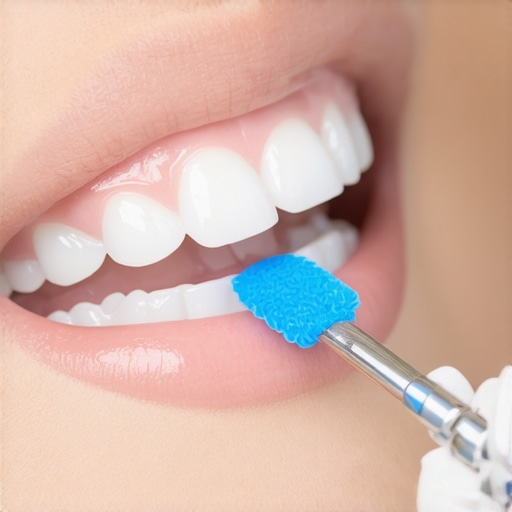
A specific trap to avoid is the ‘Whitening Aftershock.’ Many patients rush to fix a chip and then decide a month later they want a whiter smile. Here is the ‘oops’ factor: professional whitening gels do not change the color of dental resin or porcelain. If you fix the chip first and whiten later, you’ll end up with a mismatched ‘patch’ that stands out like a sore thumb. This is the one mistake people make when trying to whiten gray teeth or repaired ones. Always whiten your natural enamel to your desired shade first, then match the restoration to that final color.
Can You Actually Whiten a Tooth Once It Has Been Bonded?
The short answer is no, and this is a point of frustration for many. According to a study published in the Journal of Esthetic and Restorative Dentistry, the chemical composition of composite resin is non-porous compared to natural enamel, meaning whitening agents simply slide off. If you are looking at enhancing confidence with cosmetic dentistry what to expect, you must plan your color palette in advance. This level of foresight is what separates a standard dental visit from a truly expert transformation.
The Maintenance Trap Most Families Fall Into
When it comes to maintaining oral health expert advice for a lifetime of healthy teeth, people often treat their bonded teeth too delicately or too aggressively. Some stop flossing around the repair for fear of ‘popping’ it off—which actually leads to gum inflammation that makes the margin of the bond look dark and ugly. Others continue to use their teeth as tools to open plastic packaging. Remember, a repaired tooth is a restored tooth, not a super-human one. If you have children who are active in sports, knowing how to get your child to stop grinding their teeth at night or protecting their repairs with a mouthguard is essential. Have you ever fallen into this trap of fixing a tooth only to have it chip again because of a habit you didn’t know you had? Let me know in the comments—I’d love to help you figure out the ‘why’ behind the break!
Once you leave the office with a repaired tooth, you are essentially the guardian of the bond. I have learned the hard way that the tools you use at home are the difference between a repair that lasts ten years and one that fails in ten months. I personally swear by the high-end electric brushes with oscillating heads, not because I like fancy gadgets, but because their pressure sensors are the only thing that stopped me from destroying my gum line. If you have noticed why your gums bleed when you use a new electric toothbrush, it is often because you are treating your mouth like a tile floor that needs a deep scrub rather than a delicate piece of art. The Cochrane Library, a global leader in health evidence, conducted a massive meta-analysis confirming that oscillating-rotating electric brushes provide a small but significant reduction in plaque and gingivitis compared to manual brushing. This is not just marketing hype; it is a clinical reality that protects your investment.
How do I keep my dental work looking fresh for a decade?
To keep your smile looking as good as the day it was fixed, you have to master the ultimate guide to teeth cleaning techniques and benefits. I started using a water flosser on the lowest setting around my bonded teeth. It flushes out the microscopic debris that a piece of string might miss, and it is much gentler on the resin-to-enamel interface. 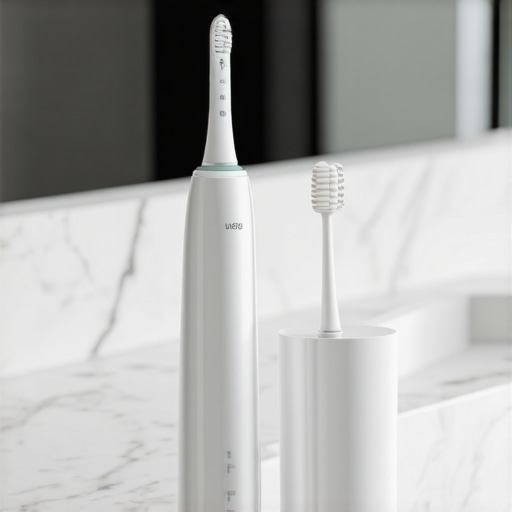 Furthermore, you cannot underestimate the power of professional intervention. I schedule my cleanings every five months instead of six because how regular teeth cleaning can prevent major dental issues is a fact that saves me thousands in the long run. In our house, oral health is a team sport. We use family dentistry tips that make oral care effortless and effective to ensure the kids are not developing the same bad habits I had, like using teeth as tools.
Stop Treating Your Gums Like a Construction Zone
We are moving into an era where cosmetic dentistry innovations you cannot miss this year are including AI-powered brushes that literally map your mouth in real-time. This trend is only going to grow, eventually turning our bathrooms into mini-dental diagnostic clinics that can spot a failing bond before it even chips. For now, my best advanced tip for you is this: try dry brushing for the first sixty seconds of your routine. Brushing without toothpaste first allows you to feel exactly where the plaque is with your tongue and ensures you are not just sliding around on peppermint-flavored bubbles. It is a game-changer for maintaining oral health expert advice for a lifetime of healthy teeth. I challenge you to try the dry-brush method tonight and see if your teeth feel squeakier than usual!
What I Learned After My Own Smile Crisis
Fixing a chip taught me that we often take our enamel for granted until it’s gone. Here are the lightbulb moments I wish I had before that trail mix incident:
- The “Tongue Test” is a Siren: If you can’t stop touching the chip with your tongue, you’re actually risking a canker sore or further irritation. Smoothness isn’t just for looks; it’s for your physical comfort.
- Color Matching is a High Art: A great dentist will check your resin shade under natural light, not just the harsh overhead office lamp. Always ask to see the result with a hand mirror by a window if possible.
- Maintenance is Non-Negotiable: I used to think a fix was “done,” but how regular dental cleanings can save you money in the long run became clear when I realized those checkups catch staining on the bond before it becomes permanent.
The Tools That Actually Protect Your Investment
I don’t recommend products lightly, but after hours of research and personal trial-and-error, these are the staples in my bathroom cabinet that keep my dental work intact:
- Pressure-Sensitive Electric Brushes: Since bonding is a resin, it can wear down over years of aggressive scrubbing. Brushes with a red-light warning for pressure are essential for gentle teeth cleaning best practices for sensitive gums and repairs.
- Non-Abrasive Pastes: Stay away from charcoal or gritty “whitening” pastes that can scratch your new porcelain or resin. Stick to formulas with a low RDA (Relative Dentin Abrasivity) score.
- The Water Flosser: It’s the ultimate way to clean the tight margins where the repair meets your natural tooth without the risk of snagging a piece of string.
You Deserve to Laugh Without Checking the Mirror
A chipped tooth can feel like a massive blow to your self-esteem, but it doesn’t have to be a permanent shadow over your face. Whether you choose a simple contouring or a full transformation, the goal of transforming your smile with cosmetic dentistry in 2025 is to let your personality shine through again. You aren’t just “fixing” a flaw; you’re restoring the version of yourself that feels most comfortable. Don’t wait until the next big life event to feel good about your smile again. Your future self will thank you for taking the leap today.
Have you ever had a dental “quick fix” that ended up lasting way longer than you expected? I’d love to hear about your experience in the comments below!