
It hit me during a routine teeth cleaning when my dentist gently pointed out that my gums seemed more inflamed than usual, and my bone levels around my teeth appeared slightly diminished. I was stunned. I had never considered that my vaping habit could be quietly sabotaging my oral health. For years, I believed vaping was a safer alternative to smoking, but that lightbulb moment made me realize I needed to dig deeper.
why vaping might be secretly damaging your gums and bones
Many people think vaping is harmless, especially compared to traditional cigarettes. However, emerging research suggests otherwise. Nicotine and the chemicals in e-cigarettes can impair blood flow to your gums and interfere with bone regeneration, increasing the risk of gum disease and even tooth loss. I learned that early mistakes—like ignoring the signs or assuming vaping couldn’t harm my oral health—could have long-term consequences. Want to understand how to protect your smile? Stick with me.
Is vaping really as harmless as it seems?
When I started, I dismissed concerns, thinking, “It’s just vapor, right?” Wrong. Early on, I ignored the importance of understanding the full picture, which was a mistake I now advise you to avoid. While some think vaping only affects the lungs, studies now highlight its impact on oral tissues. According to the American Dental Association, nicotine constricts blood vessels, reducing essential nutrients to your gums and supporting bones, leading to a higher likelihood of periodontal issues. If you’re like I was, skeptical about these claims, consider this a wake-up call.
If you’re worried about your oral health and vaping, you’re not alone. Many of us have faced similar doubts and pitfalls. But the good news is, with awareness and proper care, you can safeguard your gum tissue and bone density. In the next sections, I’ll share practical steps based on what I’ve learned that can make a real difference in your journey toward healthier teeth. Ready to take control? Let’s dive in.
Start with Consistent Oral Hygiene Habits
Ensure you brush at least twice daily with fluoride toothpaste, paying special attention to gum line areas where plaque buildup can accelerate inflammation. I remember a morning I neglected my routine before work, leading to swollen gums that evening—an eye-opener on consistency.
Time Your Brushing Correctly
Avoid brushing immediately after vaping, as the chemicals can temporarily soften enamel. Wait at least 30 minutes to let your saliva neutralize acids and rebuild the protective layer. I once hurried through a quick brush after vaping and noticed increased sensitivity later, which improved once I adjusted my timing.
Enhance Your Cleaning Technique
Use gentle, circular motions rather than aggressive back-and-forth scrubbing—this prevents recession and gum damage. I once tried a vigorous scrub, which caused minor bleeding, reminding me to be gentler and more precise with my technique.
Invest in Professional Cleanings
Schedule dental cleanings every six months to remove tartar and address early signs of bone loss. My first appointment after neglecting these was uncomfortable, but regular maintenance now keeps my oral tissues healthy.
Adopt Supporting Habits for Bone and Gum Health
Incorporate a diet rich in calcium and vitamin D—think dairy, leafy greens, and fortified foods—to strengthen bones. I started supplementing after noticing my bones felt less resilient, and it made a tangible difference.
Avoid Tobacco and Excessive Alcohol
Both can impair blood flow and hinder healing. I remember cutting back on alcohol and quitting smoking, which led to noticeable improvements in gum coloration and texture over a few weeks.
Utilize Anti-Inflammatory and Healing Products
Consider using mouth rinses containing chlorhexidine or natural options like aloe vera gel to soothe gums. I applied aloe after noticing early inflammation, which calmed discomfort and promoted healing.
Stay Hydrated and Saliva-Friendly
Drink plenty of water to support saliva production, which naturally fights bacteria and neutralizes acids. I make a conscious effort to hydrate post-vaping sessions, noticing reduced dryness and inflammation.
Track and Recognize Warning Signs
Monitor for persistent bleeding, receding gums, or loose teeth. Early detection allows for prompt intervention; during a routine check, my dentist caught subtle bone loss that I otherwise might have ignored.
Remember, these steps aren’t a quick fix but part of a sustained effort to preserve your oral health. For more insights into effective dental care routines, check out our ultimate guide to teeth cleaning and learn how professional techniques can complement your daily habits.
Many assume that regular dental visits and basic oral hygiene are all it takes for a perfect smile or lasting oral health. However, this oversimplification often leads to overlooked nuances that can make a significant difference. One common misconception is that all dental procedures are purely cosmetic or that they don’t impact long-term health. In reality, procedures like teeth whitening or veneer placement require careful consideration of underlying health factors to avoid unintended damage. For instance, overusing whitening agents without professional guidance can erode enamel, increasing sensitivity and decay risk, a mistake that even some experienced patients make.
Another often-missed nuance in family dentistry is the importance of personalized care instead of a one-size-fits-all approach. Each patient has unique dental anatomy, susceptibility to cavities, and gum health conditions that demand tailored strategies. For example, studies have shown that children with different enamel compositions benefit from specific fluoride applications not commonly offered in routine visits. Understanding these individual differences helps prevent minor issues from evolving into complex problems, saving families time and money.
What advanced mistakes do even seasoned dentists make when advising patients?
Seasoned professionals sometimes rely heavily on traditional methods, neglecting emerging research. For example, the myth that amalgam fillings are inherently risky persists despite scientific consensus supporting their safety—yet, newer materials like composite resins have advanced significantly. A notable study published in the Journal of Dental Research highlights that recent bioactive materials can promote remineralization and better tissue integration, which experienced dentists may overlook if they stick to older techniques. Staying updated ensures they provide the best available options, especially in cosmetic and restorative procedures.
Similarly, many people forget that regular teeth cleaning isn’t solely about whitening or fresh breath; it’s a critical preventive measure against bone loss and periodontal disease. If neglected, plaque buildup can calcify into tartar, leading to gum recession and even tooth loss—errors that can be mitigated with professional cleanings and patient-specific home care plans. To learn more about how to optimize your oral health routine, explore our comprehensive guide on [teeth cleaning techniques and benefits](https://gentlesmiledentist.com/the-ultimate-guide-to-teeth-cleaning-techniques-and-benefits).
One trap to avoid is assuming that cosmetic procedures are purely aesthetic and not health-related. For example, improperly placed veneers or crowns can cause bite issues or TMJ disorders if not planned meticulously. This is why collaboration between general, cosmetic, and orthodontic specialists is crucial for complex cases. If you’re considering any cosmetic enhancements, ensure your provider considers your overall oral health—because a beautiful smile shouldn’t come at the expense of health.
Remember, the key to truly effective dental care lies in understanding these nuances and avoiding common pitfalls. Have you ever fallen into this trap? Let me know in the comments. For a deeper dive into maintaining optimal oral health at every stage, check out our article on [top secrets for maintaining perfect oral health as a family](https://gentlesmiledentist.com/top-5-secrets-to-maintaining-perfect-oral-health-as-a-family).Maintaining a healthy, beautiful smile over the years requires the right equipment and a disciplined routine. As a family dentist committed to excellence, I personally rely on specific tools that make a significant difference in everyday oral care. One game-changer is the ultrasonic scaler. Unlike traditional manual tools, it effectively removes plaque and tartar from hard-to-reach areas without damaging enamel, ensuring my patients receive thorough cleanings with minimal discomfort. I also invest in high-quality electric toothbrushes, like the Oral-B Genius series, which feature oscillating-rotating motions and smart timers to promote consistent brushing techniques—something I personally find invaluable for both adults and children. When it comes to flossing, I prefer silk or PTFE floss over traditional waxed options because they glide more smoothly through tight contacts, reducing gum trauma. Additionally, I utilize water flossers such as the Waterpik Ultra, especially for patients with braces or gum recession, as they effectively dislodge debris and promote gum health.
From a software perspective, I highly recommend digital oral health tracking apps like Dental Monitoring or Carestream’s DentalXChange. These tools allow for remote monitoring and help patients adhere to their personalized maintenance routines. I use them myself to keep track of appointments and educational content, which encourages ongoing engagement.
Looking ahead, I believe technology will continue to evolve rapidly, integrating AI-driven diagnostics and personalized oral care plans that adapt in real-time. Such innovations will empower patients to manage their dental health proactively and reduce long-term issues.
How do I maintain my dental tools over time?
To ensure these tools stay effective and hygienic, I make sure to replace toothbrush heads and floss regularly—every three months or sooner if bristles fray. Ultrasonic scalers and water flossers require proper cleaning and sterilization after each use; I follow strict protocols, including disinfectant immersion, to prevent cross-contamination. Computerized devices and apps should be kept up-to-date with the latest firmware to benefit from improved features and security. Carefully maintaining your equipment not only prolongs their lifespan but also guarantees optimal performance, ultimately protecting your long-term oral health. For comprehensive advice on routine maintenance, consider reviewing our detailed guide on [maintaining your oral health tools for a lifetime of healthy teeth](https://gentlesmiledentist.com/maintaining-oral-health-expert-advice-for-a-lifetime-of-healthy-teeth).
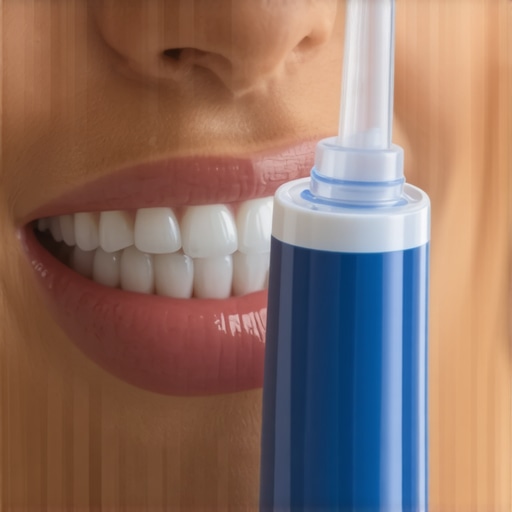
Incorporate these specialized tools into your regular routine and experience a marked difference in your oral health. If you’re ready to elevate your dental care, I encourage you to try the water flosser — it’s a simple upgrade with impressive benefits, especially for those with sensitive gums or orthodontic appliances. Staying consistent with using quality tools is a cornerstone of long-term success in family dentistry and oral health maintenance.One of the most valuable insights I’ve gained in my dental practice is that the journey to optimal oral health isn’t just about the tools or routine—it’s about understanding the subtle signals your mouth sends and acting on them before issues escalate. Recognizing patterns, like early signs of gum inflammation or bone loss, can make the difference between preserving your natural teeth and facing costly repairs. This perspective changed my entire approach, emphasizing proactive care over reactive fixes. Additionally, embracing personalized strategies tailored to each individual’s unique dental anatomy and habits has taught me that there’s no one-size-fits-all solution. This realization encourages both dentists and patients to stay curious, continuously learn, and adapt. Lastly, I’ve learned that educating families about common misconceptions—such as the harmlessness of certain whitening products or the myth that flossing isn’t essential—can empower them to make better choices. Sharing these insights transforms routine visits into preventive opportunities, fostering lasting oral health for generations. If you’re interested in elevating your family’s dental care routine, exploring resources like our comprehensive guide to teeth cleaning can provide practical tips to get started. Remember, every smile has a story—your proactive choices today set the stage for healthier, happier teeth tomorrow.