
I remember the exact moment I realized that my passion for basketball was risking more than just a few bruises; it was threatening my smile. During a fast-paced game, I took an unexpected elbow to the face. Though I hurried off the court with a sore jaw, it was the next morning that I truly felt the impact—literally—when I noticed a loose tooth and a terrible ache. That lightbulb moment made me realize that protecting my teeth is just as vital as honing my skills, especially when engaging in high-impact sports.
Why Protecting Your Smile While Playing High-Impact Sports Matters
High-impact sports like basketball, football, and hockey are exhilarating—no doubt about it. But they come with a significant risk: dental injuries. Each year, thousands of athletes suffer preventable dental trauma, leading to costly repairs, pain, and even long-term aesthetic concerns. I learned firsthand how a simple accident can change your life and dent your confidence without proper protection.
Thankfully, I found effective ways to safeguard my teeth, and the good news is that you can too. In this post, I’ll share practical tips and insights from my own experience—things I wish I had known earlier. Whether you’re a seasoned athlete or just starting, understanding how to shield your smile can make all the difference.
Have you ever experienced a moment on the field that made you wonder if your teeth are truly protected? If yes, stick around—I’ll guide you through the essential steps to keep your teeth safe, no matter how intense the game gets.
Is Mouthguard Use Worth the Hype or Just Overrated?
Initially, I dismissed mouthguards as bulky and uncomfortable, thinking they’d hinder my performance. That was a mistake. I underestimated how a well-fitted mouthguard can be a game-changer. According to the American Dental Association, athletes who wear properly fitted mouthguards reduce the risk of dental injuries by up to 50%. So, if you’re serious about your sport—and your smile—investing in a high-quality mouthguard is non-negotiable.
Early on, I also made the mistake of wearing a generic, inexpensive mouthguard that didn’t fit well. It was uncomfortable, slipped out easily, and I rarely used it. That experience taught me the importance of custom-fitting and proper fitting, which I now recommend to all athletes I coach. As with anything related to oral health, the devil is in the details. A custom mouthguard might cost more upfront, but it protects better, feels better, and encourages consistent use.
Protecting your teeth might seem like an extra hassle, but think of it as an investment—as essential as your gear or your athletic skills. Ready to learn how to choose the right protection for your game? Keep reading; I’ll walk you through the essentials, and you’ll be smiling confidently after.
Establish a Consistent Brushing Routine That Cleans Deep
During my first attempt at thorough brushing, I realized that just brushing the surface wasn’t enough. I set a timer for two minutes and divided my mouth into quadrants, ensuring each got equal attention. Use a soft-bristled toothbrush and gentle circular motions to dislodge plaque effectively, especially in hard-to-reach areas. Don’t rush—consider this a mini-massage for your gums, which helps prevent recession and bleeding.
Integrate Flossing Into Your Daily Routine Like a Pro
Flossing is the secret weapon against plaque buildup between teeth where brushes can’t reach. I once ignored this step, leading to cavities between molars. After I committed to daily flossing, I noticed fresher breath and fewer issues. Use about 18 inches of floss, wind it around your fingers, and gently glide between teeth, curving around each tooth in a C-shape. This motion removes trapped debris and reduces the risk of periodontal disease.
Use Mouthwash to Reinforce Your Defense
Incorporate an antimicrobial or fluoride mouthwash after brushing and flossing. I found this added layer of protection, especially when I traveled or ate sugary foods. Hold the rinse in your mouth for 30 seconds, swishing thoroughly. This helps neutralize bacteria and strengthen enamel. Remember, mouthwash shouldn’t replace brushing or flossing but complements them for comprehensive care.
Adopt Proper Tongue Cleaning to Boost Your Oral Hygiene
Often overlooked, your tongue harbors bacteria that cause bad breath and impact overall oral health. I bought a tongue scraper, and using it daily improved my breath and reduced coating. Gently scrape from back to front, rinsing the scraper often. This simple step can be integrated into your morning routine, providing immediate freshness and reducing bacterial counts.
Schedule Regular Dental Check-ups and Cleanings
Biannual visits are essential. During my first professional cleaning, I saw the difference a thorough tartar removal makes. Dentists use ultrasonic scalers to gently remove buildup, preventing periodontal issues. This is also your chance to catch early signs of decay or other concerns. Consistent visits save you money in the long run by averting costly repairs and ensuring your teeth stay in top shape.
Stay Mindful of Cosmetic and Family Dental Needs
If you’re considering cosmetic dentistry like veneers or whitening, consult with professionals for personalized advice. I experienced a transformative procedure that boosted my confidence, but proper pre-treatment care was key. For families, establishing a routine early fosters lifelong healthy habits. Teaching kids to brush, floss, and visit the dentist regularly creates happy, healthy smiles for years to come.
Maintaining your oral health isn’t a one-time effort but a series of deliberate actions. Each step builds upon the last, creating a comprehensive shield against cavities, gum disease, and aesthetic issues. Remember, small daily investments in your dental routine lead to significant benefits over time. For more tips on effective teeth cleaning, explore this comprehensive guide.
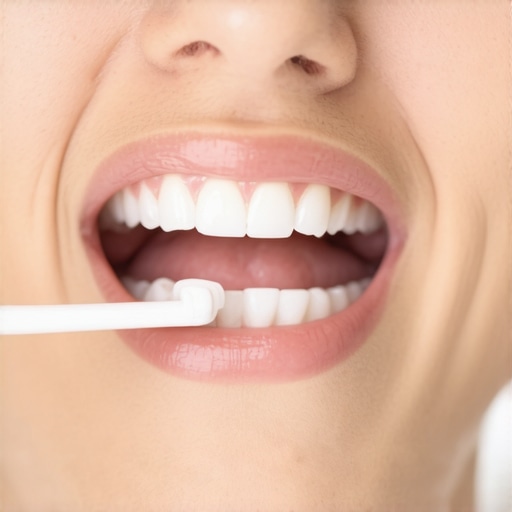 While many believe that brushing twice a day and flossing occasionally are enough to maintain oral health, there are nuanced pitfalls that even savvy individuals often overlook. A common misconception is that aggressive brushing cleans better, but in reality, excessive force can damage gum tissue and erode enamel, creating more problems than it solves. Experts warn that using a brush with stiff bristles can lead to recession and sensitivity over time, emphasizing the importance of gentle, circular motions with a soft-bristled toothbrush. Additionally, many people assume that whitening toothpaste alone can achieve dramatic results; however, these products often lack the active agents necessary for significant whitening and can even cause sensitivity if used excessively, as noted by dental research studies.
Another frequent oversight involves neglecting the significance of professional cleanings. Regular dental visits are not just about cavity checks but are crucial for removing tartar buildup that cannot be eliminated by brushing or flossing at home. Skipping these appointments can allow plaque accumulation, leading to periodontal disease, which has been linked to systemic health issues like heart disease.
When it comes to cosmetic dentistry, there’s a myth that procedures like veneers are purely superficial. In truth, advancements in the field suggest that cosmetic treatments can bolster confidence, but only when performed with proper diagnostics and planning. Rushed or poorly planned procedures may result in uneven bites or unnecessary wear, highlighting the need for consultations with experienced practitioners.
Family dentistry often emphasizes building lifelong habits; however, many underestimate the importance of early intervention. Introducing children to proper oral hygiene routines at a young age can prevent cavities and misalignments later in life. Avoiding regular checkups for kids, thinking they’re unnecessary, is a costly mistake that can lead to complex orthodontic issues or even early tooth loss.
So, what are the hidden nuances that professionals are keen to share? For starters, the science behind plaque formation is more complex than simple buildup—it’s an active process influenced by saliva composition, diet, and genetics. For instance, a study published in the Journal of Dental Research highlights that individuals with certain salivary proteins are more prone to plaque accumulation, meaning personalized oral care approaches are becoming increasingly essential.
Are you aware of how your unique biology affects your oral health routine? Tailoring your habits based on scientific insights rather than generic advice can significantly improve outcomes. Remember, neglecting these nuances might seem harmless initially but can lead to costly dental issues down the road.
To dive deeper into common myths and mistakes in dental care, explore this comprehensive guide. Stay vigilant, ask questions, and don’t fall into the trap of oversimplified solutions—your smile deserves expert attention. Have you ever fallen into this trap? Let me know in the comments.Maintaining a healthy, beautiful smile over the years demands more than just regular brushing and flossing; it requires the right tools, consistent routines, and awareness of future trends in dentistry. One of my favorite investments is a **Sonicare DiamondClean Smart toothbrush**. I personally prefer this model because it offers AI-powered coaching, which guides me on proper brushing angles and pressure to prevent gum recession and enamel erosion. Its oscillating-rotating technology effectively dislodges plaque, especially in hard-to-reach areas, making daily brushing more efficient and less damaging over time.
Beyond brushing, I rely on a **water flosser like the Waterpik Aquarius**. For me, water flossers provide a thorough clean between teeth and below the gumline, particularly beneficial for those with sensitive gums or braces. I’ve found they reduce bleeding and inflammation dramatically, helping me avoid costly periodontal issues. Incorporating a water flosser into your daily routine is a game-changer for long-term oral health, especially when combined with proper brushing techniques.
To support enamel strength and combat cavities, I highly recommend using a **fluoride rinse like ACT Restoring Mouthwash** after brushing and flossing. It’s a simple addition that reinforces your defenses against acid erosion and decay, extending the durability of your teeth.
Looking ahead, the future of oral care points toward smart technology integration. Devices that track oral hygiene habits and provide personalized feedback are becoming more sophisticated and accessible. Prediction suggests that AI-driven apps will soon analyze your brushing patterns via smartphone or smart toothbrush data, prompting adjustments and alerts for neglected areas, thus ensuring even better long-term results.
How do I maintain my dental tools over time?
Keeping your tools in top shape involves regular cleaning and timely replacements. For instance, replace your toothbrush or brush head every three months to prevent bacterial buildup and maintain effective cleaning. Clean your water flosser’s reservoir weekly using mild soap and warm water to prevent mold. Store your fluoride rinse in a cool, dry place away from direct sunlight to preserve its potency. Regularly check your dental appliances for signs of wear or damage—discard or repair as necessary to avoid unnecessary stress on your tissues or compromised performance.
Investing in high-quality tools is the foundation of sustainable oral health, reducing the risk of expensive future treatments like crowns or implants. Remember, technology isn’t just for high-tech gadgets—it’s actively shaping how we can achieve a lifetime of healthy smiles. Be proactive and try integrating a smart toothbrush or water flosser into your routine today. Explore detailed reviews and tutorials in resources like this guide and see the difference they can make. Keep your tools clean and replace them as needed, ensuring your oral hygiene stays effective and comfortable for years to come.
Throughout my journey in maintaining optimal oral health, I uncovered invaluable insights that transformed my approach and strengthened my confidence. One of the most profound lessons was realizing that consistent, personalized care outweighs quick fixes or one-size-fits-all routines. Investing in proper tools, understanding my unique oral needs, and staying informed about emerging dental innovations have empowered me to enjoy a radiant, healthy smile that truly reflects my inner vitality.
Lessons That Changed My Perspective on Dental Care Forever
- Every mouth is unique: Personalized evaluations from specialists revealed that tailored treatments and routines deliver far better results than generic advice. Embracing my individual needs helped me avoid unnecessary procedures and focused my efforts on what truly mattered.
- The power of small, daily habits: Simple actions like proper brushing angles, gentle flossing, and using the right mouthwash created cumulative benefits. These routines prevented issues before they arose, saving me time and money in the long run.
- Technology can be your best friend: Smart toothbrushes and innovative tools like water flossers and enamel-strengthening rinses have revolutionized my oral care. They make maintenance more effective and motivate me to stay consistent.
- Professional guidance is invaluable: Regular check-ups and cleanings with experienced dentists uncovered hidden concerns early, allowing for proactive solutions. This proactive approach keeps my smile resilient and confident.
- Understanding modern cosmetic options: Procedures like veneers and whitening are more accessible and natural-looking than ever. Educating myself about these options helped me choose solutions that enhance my smile without overdoing it.
My Must-Have Tools for a Healthy Smile
- High-quality electric toothbrush: A game-changer for thorough cleaning and gum health.
- Water flosser: Transformed my between-teeth cleaning, especially with braces or sensitive gums.
- Enamel-strengthening mouthwash: A simple step to fortify against cavities and acid erosion.
- Regular replacement of oral care tools: Ensuring effectiveness and hygiene over time.
Seize Your Smile’s Future Today
Achieving lasting dental confidence is a continuous, mindful journey. Every choice — from daily routines to professional check-ups and embracing new technologies — shapes your oral story. Remember, your smile is a reflection of your confidence and health; nurture it with knowledge, patience, and proactive care. Don’t wait for problems to become urgent; start today, and the results will speak volumes.
What small change are you excited to incorporate into your dental routine that could make a big difference? Share your thoughts below and let’s keep growing healthier, brighter smiles together!