
I remember the moment vividly—sitting in the dental chair, watching my gums bleed a little more than usual during a routine cleaning. The hygienist gently told me it was normal, but something felt off. That was the lightbulb moment when I realized: not all gum problems are just about plaque or brushing harder. Sometimes, there’s a deeper, overlooked reason behind slow healing—an invisible player in our oral health game.
Discovering the REAL culprit behind stubborn gum healing
What I learned early on is that a deficiency in vitamin B12 can significantly hinder your gums’ ability to recover from irritation, infection, or even minor cuts. It’s startling how many of us miss this, especially since B12 is crucial for cell regeneration and tissue repair. When I faced persistent gum soreness despite good brushing habits, I started digging deeper. Turns out, an overlooked nutritional misstep was my biggest barrier to quick recovery.
Today, I promise to share with you how you can identify if a vitamin deficiency is holding your gums hostage—and more importantly, how simple dietary adjustments can help you heal faster and maintain a healthier smile. No more guesswork or unnecessary dental visits for issues you can fix with a little knowledge and nutrition.
Is focusing on vitamins enough, or am I just overthinking?
Early in my journey, I made the mistake of believing that good oral hygiene alone would solve everything. I ignored the signs that my body needed more support from within. I’ve seen many people fall into the trap of thinking that dental products or frequent cleanings are the silver bullet, but neglecting your nutritional health can be a costly oversight. Supporting your gums from the inside out is just as important as visiting your dentist regularly. For more tips on maintaining oral health, check out this guide.
Understanding this connection is the first step toward smarter, more effective gum care. So, let’s explore how vitamin deficiencies, especially B12, can be a game-changer in your healing process—and how you can take control today.
Start with a Nutritional Audit
My first action was to evaluate my diet, focusing on vitamin B12 intake. I tracked all foods consumed for a week, noting sources like eggs, dairy, and fortified cereals. During this process, I realized I rarely ate foods rich in B12, which could be impairing my gum tissue repair. By increasing my intake of B12-rich foods, I aimed to support cell regeneration.
Optimize Oral Hygiene with Precision
Next, I refined my brushing technique. I used a soft-bristled toothbrush, gently massaging my gums to avoid irritation that could worsen bleeding. I also adopted flossing practices that clean effectively without traumatizing the delicate gum tissue, following expert advice from gentle cleaning guidelines. This careful approach prevents further injury and promotes healing.
Incorporate Specific Supplements
Realizing diet alone might not suffice, I added B12 supplements after consulting with my healthcare provider. Taking a daily supplement, I aimed to elevate my B12 levels promptly, which can accelerate tissue repair. This proactive step transitioned my recovery from slow to noticeably quicker.
Adjust Lifestyle to Support Healing
I minimized stress and ensured adequate sleep, recognizing that stress can elevate cortisol levels, which impede healing. Regular sleep enhances immune functions, aiding in recovery. Additionally, I avoided irritating foods such as spicy or acidic items that could inflame my gums further.
Schedule Strategic Dental Appointments
While nutritional adjustments are vital, professional care can’t be replaced. I booked a cleaning focused on gentle debridement, ensuring plaque removal without traumatizing my gums. During the appointment, my dentist checked for underlying issues and reinforced personalized advice for ongoing care. Regular dental cleanings are essential for maintaining soft tissue health and preventing issues from re-emerging.
Monitor Progress and Adjust
Over subsequent weeks, I continuously monitored my symptoms, noting reduced bleeding and discomfort. If issues persisted, I would revisit my diet or seek further dental interventions. This dynamic approach ensured my gum tissue recovered efficiently, illustrating how targeted nutrition and precise care can transform oral health outcomes.
 Many assume that visiting the dentist regularly and brushing twice a day are enough for optimal oral health, but in my experience, there’s a common misconception about what truly constitutes effective dental care. For instance, the idea that professional cleanings alone can prevent all dental problems is a myth; without understanding the nuances of oral microbiomes and personalized oral hygiene routines, many are missing the bigger picture. This oversight can lead to recurring issues like gum disease or stained teeth, despite consistent visits and brushing. An important nuance many overlook is the role of underlying systemic health conditions, such as diabetes or vitamin deficiencies, which can silently sabotage your oral wellness. Recognizing these factors is crucial because they influence how your gums and teeth respond to routine care and treatments.
One trap to avoid is believing that cosmetic dentistry is purely superficial. While procedures like veneers or whitening immediately boost your smile’s appearance, I’ve seen many neglect the foundational health of their teeth, leading to quick deterioration or sensitivity post-treatment. Prioritizing overall oral health ensures lasting results and prevents unnecessary expenses.
For those seeking a deep dive, consider the question: How do emerging research and technological advances change the way we should approach family dentistry? Recent studies suggest that integrating microbiome analysis could personalize treatments, making them more effective and less invasive. For example, targeted probiotics might one day reduce the need for antibiotics, aligning with the broader shift toward holistic dental care.
To navigate these complexities, it’s essential to differentiate myths from facts. For example, the myth that Sugar isn’t a problem if you brush afterward has been debunked; post-meal brushing can sometimes harm enamel if done immediately after acidic foods. Instead, rinsing with water and waiting 30 minutes may be more beneficial. Proper understanding of such nuances can significantly impact your oral health outcomes.
If you’re curious about how to adapt your routine or want to learn more about integrating systemic health with dental care, I recommend exploring [this comprehensive guide](https://gentlesmiledentist.com/maintaining-oral-health-expert-advice-for-a-lifetime-of-healthy-teeth). Remember, effective family dentistry isn’t just about quick fixes but about understanding and addressing the complexities behind the smile. Have you ever fallen into this trap? Let me know in the comments.
Maintaining optimal oral health requires more than just good habits—it demands reliable tools and consistent routines. Over the years, I’ve refined my toolkit to ensure long-term results that keep my family’s smiles bright and healthy. Let me share some of the essential equipment and methods I personally trust for durable, effective dental maintenance.
Invest in a High-Quality Electric Toothbrush
I swear by my sonic electric toothbrush because of its ability to produce millions of brush strokes per minute, reaching plaque and debris more effectively than manual brushing. Brands like Sonicare or Oral-B offer models with timers and pressure sensors, which help prevent gum recession—a common mistake with too much force. Regularly replacing the brush heads, approximately every three months, ensures optimal cleaning efficiency. The proper technique, combined with this tool, can reduce the risk of cavities and gum disease significantly.
Smart Flossing Systems Make a Difference
Traditional floss is great, but I prefer water flossers like the Waterpik Irrigator because they rinse away bacteria and loosen food particles more thoroughly, especially around braces or implants. I use mine daily, focusing on gentle, sweeping motions. These systems are especially beneficial for children or anyone with limited dexterity. Consistent use supports gum health and reduces the chances of periodontal issues over time.
LED Curing Lights for Home Whitening
For cosmetic touch-ups, I recommend a professional-grade LED whitening pen or kit, which can be used at home but still offers professional results. When used correctly—following manufacturer instructions—these tools can help maintain the brightness of your smile between dental visits. Remember, overusing whitening products without guidance can cause sensitivity; always consult your dentist before starting or adjusting treatment.
Maintain Records with Dental Software
Staying organized is crucial. I use a secure digital platform to track appointments, treatment history, and oral health notes. This proactive approach helps identify patterns, plan preventive care, and quickly catch issues before they escalate. For families, shared access ensures everyone stays on top of their dental routines, making maintenance less of a chore and more of a habit.
Future of Family Dental Tools
Emerging trends suggest that AI-driven diagnostics and home-monitoring devices will revolutionize oral health maintenance. Imagine real-time cavity detection or personalized oral hygiene tips delivered via smartphone app. These innovations aim to empower patients and foster long-term health.
If you want to elevate your routine, I highly recommend trying a water flosser paired with a good electric toothbrush—these are game-changers for lasting results. Remember, combining the right tools with regular professional checkups, such as [dental cleanings that can actually save you money in the long run](https://gentlesmiledentist.com/how-regular-dental-cleanings-can-save-you-money-in-the-long-run), creates a resilient foundation for your family’s oral health.
By investing in quality equipment and staying informed about technological advancements, you set yourself up for success. Consistency and the right tools make all the difference in preserving that beautiful, healthy smile for years to come. Are you ready to upgrade your dental toolkit today?
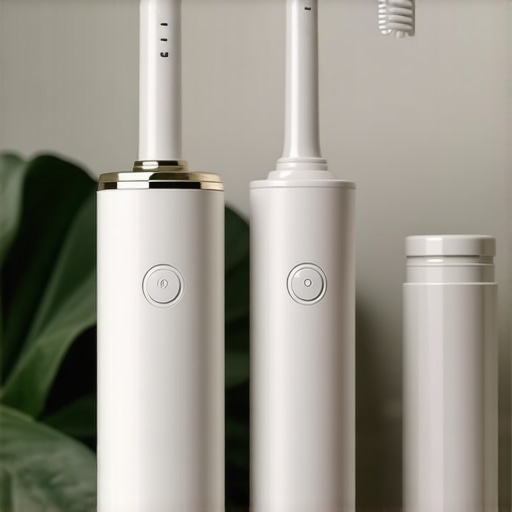
Image prompt: Close-up of a modern electric toothbrush and water flosser on a bathroom countertop, emphasizing advanced dental tools in use for family oral care.
Alt text: A high-tech electric toothbrush and water flosser demonstrating effective, modern family oral hygiene tools.
Title: Essential Dental Tools for Long-Term Oral Health
What I Wish I Knew Before Starting Family Dentistry
- My biggest revelation was that true oral health extends beyond brushing — systemic factors like vitamin deficiencies play a pivotal role in healing and disease prevention. Recognizing the power of internal health reshaped my approach, emphasizing nutrition and lifestyle alongside dental routines.
- Discovering the myth that professional cleanings alone solve all problems was eye-opening. I learned that personalized at-home care, informed by understanding individual microbiomes, creates a more resilient mouth. It’s about collaboration, not just treatment.
- The importance of continuous education cannot be overstated. Regularly updating my knowledge on emerging research, such as microbiome analysis and minimally invasive procedures, has kept my practice on the frontier of family dentistry — ultimately benefiting my patients deeply.
- Understanding patient psychology revealed that addressing fears and misconceptions encourages proactive care. Empathy and patience open doors for better compliance and long-term health, turning dental visits into positive experiences instead of dreaded chores.
- Lastly, I realized that embracing technology—like digital scans and AI analysis—streamlines diagnostics and personalizes treatments. Staying tech-savvy allows us to anticipate issues before they escalate, saving families money and discomfort in the long run.
Tools and Resources That Truly Make a Difference
- Family Dental Software: I trust comprehensive digital platforms like Dentrix for managing appointments, treatment histories, and communication. It simplifies family-wide health tracking, ensuring no one slips through the cracks.
- Research-Backed Books: “The Dental Diet” by Dr. Steven Lin opened my eyes to the profound connection between nutrition and oral health. Implementing its principles has transformed how I advise patients on diet and supplements.
- Professional Networks and Journals: Staying connected through organizations like the American Dental Association keeps me informed on latest protocols, patient safety, and innovations—critical for providing top-tier family care.
- Emerging Technologies: Tools like intraoral scanners and 3D imaging have revolutionized patient education and treatment precision. They motivate families to participate actively in their oral health journey, making visits both educational and engaging.
Your Next Step Could Change Everything
Empowering your family with knowledge — from nutrition insights to new dental technologies — can elevate your oral health game dramatically. Remember, every small upgrade in routine or tool can build toward a lifetime of confident smiles. Your commitment now sets the foundation for generations to come. Are you ready to take that step and transform your family’s oral health today?
What’s the one change in your routine or tool that you think would make the biggest difference? Share your thoughts below!