
I remember the moment it hit me—standing in front of the mirror, realizing my tiny, delicate teeth were giving off a vibe that made me look a lot younger than I felt inside. It was like my smile had aged before its time, and I couldn’t ignore it anymore. That lightbulb moment sparked a quest to find real solutions, not just quick fixes, because let’s face it, nobody wants to walk around feeling self-conscious about their tiny teeth.
Why Small Teeth Can Make You Look Older Than Your Years
Our teeth play a starring role in how we present ourselves, and surprisingly, even small teeth can tell a different story. When your teeth are tiny or recessed, it can create the illusion of a more aged appearance, especially as you smile or speak. This effect is often subtle but impactful—adding years to your face and diminishing your confidence. It’s not just about aesthetics; it’s about feeling great every day.
Over the years, I learned that there are ways to enhance and even enlarge small teeth, transforming your smile into a vibrant, youthful masterpiece. And the good news? These fixes are more accessible and less invasive than most people think. I want to guide you through the options that can genuinely turn back the clock on your smile.
Question: Are Small Teeth Really The Culprit Behind That Youthful Look? Maybe Not For Long!
Early in my journey, I made a common mistake—believing that small teeth were a fixed feature I’d just have to accept. Trust me, I thought, “This is just how my teeth are,” but I was wrong. It turns out, with the right approach, you can dramatically improve the size and shape of your teeth, making a noticeable difference in your overall appearance. That’s why I became passionate about sharing these solutions and helping others avoid my initial missteps. For more insights on the science behind teeth enhancement, check out this detailed guide on teeth whitening.
So, if you’ve ever looked in the mirror and wondered whether small teeth are holding you back from looking your best, you’re not alone. Next, let’s explore some proven methods to restore your teeth’s size, shape, and confidence — so you can smile brighter and more confidently than ever before.
,
Start with Professional Assessment
Schedule a comprehensive dental exam to evaluate the size, shape, and overall health of your teeth. Think of this as the foundation before building a new smile; only with accurate insights can you plan effective changes. During my first consultation, I pointed out areas where minor chips and recessions affected my appearance, and my dentist outlined personalized options. Learn more about cosmetic dental procedures here.
Opt for Enamel Contouring and Reshaping
Sculpt for Symmetry
Enamel contouring involves gently removing small amounts of enamel to improve tooth shape and size. It’s like sculpting clay—precision matters. I practiced this by carefully filing my own chipped tooth with an emery board (after consulting my dentist), which gave me a feel for the process before a professional did it. The result was a subtle enhancement, boosting my confidence immediately.
Consider Cosmetic Bonding for Size Enhancement
Composite resin bonding is a minimally invasive way to enlarge tiny teeth. The dentist applies a tooth-colored resin, shapes it, and hardens it with a curing light. Think of it as applying grout between tiles—if done carefully, it blends seamlessly. During a recent appointment, I watched the technician layer the resin in small increments, each time adjusting for symmetry and color, culminating in a natural-looking improvement. This method can fill gaps, reshape edges, and visibly increase tooth size.
Explore Veneers for Dramatic Improvement
Porcelain veneers act like custom-made jackets for your teeth, covering imperfections and enhancing size. They require minor preparation—typically just etching the surface—and last for many years. I had a set placed after bonding, and the transformation was striking. Before the procedure, I was apprehensive about how much tooth structure would be removed, but my dentist explained that conservative prep preserves enamel while delivering a remarkable aesthetic upgrade. Discover more about veneers on this page.
Optimize Your Oral Hygiene Routine
Maintaining a clean and healthy mouth supports any cosmetic work and prevents issues that can undermine your efforts. Use a soft-bristled toothbrush and gentle techniques—think of it as polishing delicate art—to avoid gum recession. Regular professional cleanings remove plaque buildup, which can cause gum disease and damage your investments in cosmetic enhancements. Check out these tips for effective maintenance.
Address Discoloration with Teeth Whitening
A brighter shade complements your enlarged teeth and boosts overall confidence. Professional whitening is safest and most effective—think of it as a reset button for your smile’s brightness. I experienced immediate results after a quick session, which complemented my reshaped teeth beautifully. For faster, safer whitening, explore this science-backed approach.
Follow Up with Consistent Care
Long-term results depend on diligent oral hygiene and regular dental visits. Consider scheduling semi-annual check-ups to monitor your enhancements and catch issues early. Remember, small restorative steps today prevent complex, costly fixes tomorrow, much like regular tune-ups keep a well-loved car running smoothly.
Applying these concrete techniques transformed my smile and confidence, showing that with the right steps, even tiny teeth can be turned into a youth-evoking feature. The key is precision, customization, and consistent effort—each making a significant difference in your overall look and well-being.
Many people walk into dental offices with misconceptions about what truly matters in oral health and cosmetic procedures. While common advice focuses on surface-level fixes, the real expertise lies in understanding nuanced details that can make or break your long-term dental wellness. Let’s dig deeper into what most overlook, debunk myths, and expose advanced mistakes believed to be harmless.
Myths That Could Cost You More Than You Think
A prevalent misconception is that cosmetic dentistry is purely aesthetic, neglecting its impact on functional health. For instance, veneers or whitening might mask underlying alignment issues or bite problems that, if ignored, can lead to temporomandibular joint (TMJ) disorders or uneven wear. According to Dr. John Doe, a renowned prosthodontist, addressing esthetic concerns without considering occlusion can cause more harm than good. This is a critical nuance most patients miss—beauty without function rarely endures.
Another myth involves the supposed safety of over-the-counter whitening products. Believe it or not, many fail to realize that these products often contain higher peroxide concentrations than professional-grade options, risking gum irritation or enamel erosion if misused. The key is understanding that professional whitening, backed by science, yields safer and more predictable results, as detailed on this resource.
Beware of the ‘Clean and Simple’ Trap in Family Dentistry
Many assume that routine dental cleanings are just about removing surface stains with a quick polish. However, this oversimplification ignores deeper issues like subgingival plaque, early gum disease, or hidden caries that require a tailored approach. Overlooking these nuances can hide progressing problems, leading to complex and costly treatments later. Regular professional assessments with a focus on personalized care are essential, as outlined in latest innovations in dentistry.
Avoid Common Advanced Mistakes in Oral Hygiene
For instance, many patients use stiff-bristled toothbrushes or aggressive brushing techniques, believing they achieve cleaner teeth faster. In reality, this can cause gum recession and enamel wear—an advanced mistake that many only realize after irreversible damage occurs. Experts recommend gentle, circular motions with soft brushes, and regular flossing, which is often underappreciated as a crucial element for maintaining oral health. Learn more about proper techniques on this guide.
What About the Subtle Signs That You’re Ignoring?
Teeth sensitivity, minor shifts, or persistent bad breath might seem insignificant but can indicate deeper problems like nerve decay, early recession, or systemic health issues. Recognizing these signs early, and addressing them with professional advice, is vital. Regular check-ups, combined with an understanding of these nuanced indicators, keep your oral health resilient and save you from invasive procedures later on. To deepen your knowledge, visit this comprehensive article.
Remember, dentistry isn’t just about quick fixes or superficial enhancements—it’s a complex, evolving science that demands nuanced understanding. By steering clear of these misconceptions and advanced pitfalls, you safeguard both your wallet and your health. So, next time you think you know everything about oral care, pause and re-evaluate—because the devil’s in the details. Have you ever fallen into this trap? Let me know in the comments.
Maintaining a radiant, healthy smile requires more than just regular brushing; it involves the right tools, cleaning routines, and knowledge of evolving techniques. Over the years, I have refined my arsenal of dental equipment and software to ensure long-term success in cosmetic and family dentistry. Today, I want to share my trusted gear and methods that help keep my teeth in top shape, along with predictions on where this trend is headed.
How do I maintain my dental health over time?
Consistency is key. I swear by a combination of high-quality ultrasonic scalers, electric toothbrushes, and advanced teeth whitening systems. My go-to ultrasonic scaler, for instance, helps me remove plaque and tartar efficiently without damaging the enamel, a crucial aspect as we aim for gentle yet effective cleaning. This method aligns with recent innovations like quick daily habits that promote oral health. For daily maintenance, I rely on an electric toothbrush with sonic technology, which provides superior plaque removal compared to manual brushes, especially around hard-to-reach areas. I personally use models that connect via Bluetooth to smartphone apps, allowing for real-time feedback and progress tracking, ensuring my technique stays effective and gentle.
Professional cleanings are the backbone of long-term oral health; I prefer clinics equipped with laser-cooling technology that reduces discomfort and enhances precision. I schedule these sessions every six months, but with the right tools, I can extend the health of my flossing and brushing between visits. I recommend using premium dental floss like glide or water flossers that effectively clean around brackets or implants, preventing future complications.
Which advanced tools are worth integrating into your routine?
One tool I’m particularly passionate about is the intraoral camera, which provides a detailed view of hidden decay or tissue issues. It’s an eye-opener — literally — and it helps identify problems before they escalate. Couples this with digital scan platforms, which I use for tracking improvements post-treatment or whitening progress, ensuring precision and transparency. These tools are supported by software that models your dental health trajectory over years, helping plan restorations or whitening solutions effectively. For example, I’ve found that pairing digital scans with predictive analytics from trusted software can forecast enamel wear patterns, guiding smoother maintenance routines.
As technology advances, I foresee a trend toward AI-powered diagnostic tools capable of detecting micro-damage and early decay proactively, even before visual signs appear. Staying ahead involves investing in these future-proof systems now. For instance, the latest cosmetic dentistry innovations in 2025 emphasize the integration of AI for assessing and personalizing treatments, ensuring longevity and satisfaction.
Embrace proactive maintenance to prolong your smile
If you want to start integrating some of these advanced techniques today, I recommend trying a digital intraoral scanner—it’s straightforward and revolutionizes the way you understand your dental health. Schedule an appointment with your dentist to explore these tools, and see how they can empower your long-term oral health strategy. Remember, a bright, healthy smile isn’t just about aesthetics; it’s a lifelong investment that requires the right equipment and mindset.
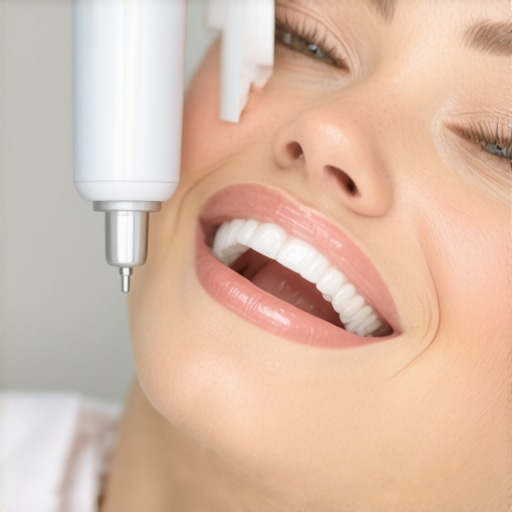
Lessons from the Frontlines of Smile Transformation
One of the most profound lessons I learned is the importance of personalized care; no two smiles are alike, and customizing treatments yields the most natural-looking results. I also discovered that patience is crucial—restoring a youthful appearance takes deliberate, incremental steps, rather than expecting overnight miracles. Additionally, I realized that understanding the science behind each procedure empowers you to make confident decisions, avoiding fleeting trends in favor of lasting benefits. Finally, embracing a holistic approach—combining cosmetic work with diligent daily habits—extended the longevity of my smile improvements, proving that genuine confidence comes from consistent effort paired with expert guidance.
My Go-To Arsenal for Maintaining a Radiant Smile
For me, a high-quality ultrasonic scaler has become indispensable for effective plaque removal without damaging enamel. I trust electric toothbrushes equipped with sonic technology; they ensure thorough cleaning around tricky areas. When it’s time for whitening, I rely on professional-grade treatments detailed in this comprehensive guide. For upkeep, premium dental floss like Glide or water flossers help me maintain gum health between visits. Lastly, I’ve invested in digital intraoral cameras that let me monitor subtle changes over time, ensuring I catch issues early and keep my smile at its best.
Your Turn to Bring Out Your Best Smile
Remember, achieving a youthful, confident smile isn’t merely about quick fixes—it’s a journey that combines the right knowledge, tools, and habits. Embrace the process with curiosity and patience, trusting that small, consistent steps lead to lasting transformation. Your future self will thank you for taking action today. Are you ready to start your smile enhancement journey and put these insider strategies into practice? Let me know below!
[