
It was one of those sleepless nights where I woke up feeling like a truck had run over my jaw. My teeth were sore, and I had that awful, gritty sensation in my mouth—like I’d been clenching all night without even realizing it. After a few mornings of waking up with headaches and a dull ache in my jaw, I finally had my lightbulb moment: I was grinding my teeth in my sleep, and I needed a solution—fast. But the idea of slipping into a bulky, uncomfortable night guard every night just didn’t sit right with me. I wanted to find a way to protect my teeth without sacrificing my comfort or my sanity.
Finding a Comfortable Solution for Nighttime Grinding
<-- Here, I will share my journey from frustration to an effective, non-bulky alternative that transformed my nights—and my mornings.
Choose the Right Mouthguard Material
Start by selecting a custom-made mouthguard crafted from thin, flexible materials like soft silicone or thermoplastic. These can be as effective as traditional guards but feel hardly noticeable. I once visited a dentist for a custom night guard and opted for a ultra-thin silicone version; after a few nights, I appreciated how it barely affected my sleep, unlike the bulky store-bought options.
Get a Professional Custom Fit
Schedule an appointment with your dentist to get a personalized impression of your teeth. This ensures a snug fit that stays in place and minimizes discomfort. I personally remember the first fitting; the process was straightforward, and the result was a guard that didn’t shift or cause irritation—making my nights much more restful.
Consider Alternatives to Traditional Guards
Some people find using orthodontic wax or soft resin strips as an interim solution helpful. These can act as a barrier, reducing grinding impact without feeling like a foreign object in your mouth. I tried this during a travel stint when I didn’t have my custom guard, and although it wasn’t perfect, it provided some relief for a few nights.
Implement Additional Habits for Better Protection
Practice relaxation techniques before bed to reduce stress-related grinding. Techniques like meditation or gentle jaw stretches can lessen muscle tension. I incorporated 5 minutes of jaw relaxation and noticed a significant decrease in nighttime clenching, resulting in fewer headaches upon waking.
Maintain Good Oral Hygiene Practices
Keep your teeth clean and free from plaque to prevent damage caused by grinding. Regular brushing and flossing, especially before bed, create a healthier mouth and reduce the risk of fractures. I set a nightly reminder for brushing, and over time, my teeth felt stronger, and I avoided unnecessary chips.
Explore Occlusal Adjustments or Dental Restorations
If grinding persists, consult your dentist to evaluate if procedures like occlusal adjustments, crowns, or veneers are necessary to protect vulnerable teeth. During my last check-up, my dentist suggested a minor occlusal adjustment, which smoothed out my bite and lessened grinding without the need for a night guard.
Stay Consistent and Seek Support
Consistency is key. Following these steps regularly can significantly improve your sleep quality and protect your teeth. Additionally, joining support groups or online forums can offer tips and encouragement from others facing similar challenges. Sharing my experience on a dental forum helped me discover even more tailored solutions that worked for me.
If you’re still unsure which approach is best, don’t hesitate to consult professionals or visit your dentist for personalized advice. Remember, safeguarding your smile is an ongoing process that combines proper tools, habits, and professional guidance.
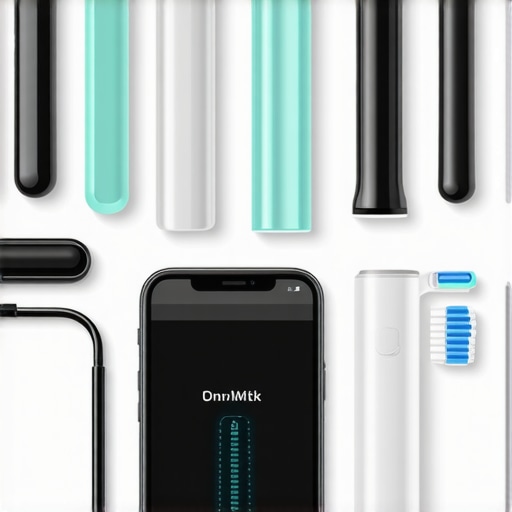
Many people think that brushing harder will lead to cleaner teeth, but in reality, aggressive brushing can damage gums and enamel, increasing the risk of sensitivity and recession. What most forget is that proper technique and gentle, thorough cleaning are more effective—a fact supported by dental experts emphasizing the importance of gentle cleaning practices found in best practices for sensitive gums. Additionally, there’s a pervasive myth that whitening treatments weaken teeth; however, advances in cosmetic dentistry have shown that with proper application and materials, such treatments can be safe and durable. Beware of common pitfalls, like overusing whitening products or choosing unqualified practitioners, which can lead to irreversible damage. Advanced patients should consider the nuances of dental restorations—such as the impact of veneers or crowns on bite alignment—which many overlook. For instance, improper placement may cause uneven wear or discomfort, a mistake highlighted by experts in cosmetic dentistry innovations. A frequent trap is believing that all dental procedures are purely cosmetic and neglecting their functional benefits; for example, correcting a bite can prevent jaw pain and attrition, not just improve appearance. For those curious about complex issues like occlusal adjustments, understanding the biomechanical nuances can vastly improve long-term outcomes. Remember, relying solely on DIY whitening kits or neglecting regular professional cleanings—despite their reputation as superficial remedies—can lead to untreated decay and gum disease, as emphasized in preventive care articles. The misconception that family dentistry is only about children is also widespread; in truth, comprehensive family dental care adapts to all ages and prevents issues before they escalate. Recognize that the subtle signs of early wear or cavities often go unnoticed; getting familiar with these signals enables proactive intervention, saving time and money. Would you like to explore how tailored treatments can preserve your smile? Visit preventive tips for families. Have you ever fallen into this trap? Let me know in the comments.Maintaining optimal oral health requires more than just good habits; it demands the right tools and consistent strategies. One of my personal essentials is the Sonicare DiamondClean Smart toothbrush, which offers deep cleaning with its ultrasonic technology and customizable brushing modes. I use its app integration to track my brushing patterns, ensuring I reach all areas effectively and avoid overbrushing, which can damage gums. For interdental cleaning, I highly recommend the Waterpik Sonic-Fusion, combining flossing and brushing in one device, and its gentle yet effective water pressure helps prevent gum recession—a common concern in long-term oral health. When it comes to professional oversight, I schedule biannual cleanings with my dentist who uses the Air Floss Ultra, a portable device that dislodges plaque from tight spaces with pulsated air and water. This approach aligns with studies indicating that advanced tools can significantly reduce plaque and cavity risks over time. Looking ahead, the trend points toward smarter, AI-driven dental devices that personalize maintenance routines, making home care more effective and less time-consuming.
In terms of software, I utilize dental health management apps like Dental Monitoring, which allows my dentist to oversee my oral hygiene progress remotely. With regular virtual check-ins, I receive tailored advice that adapts over time, emphasizing the importance of long-term, dynamic strategies rather than static routines.
**How do I maintain my dental tools over time?** Regularly replacing brush heads every three months is fundamental, but I also clean my electric toothbrush thoroughly weekly to prevent bacteria build-up. For devices like water flossers, I follow manufacturer cleaning instructions meticulously, such as descaling with vinegar solutions, to ensure their longevity and efficacy, as recommended by dental equipment experts. Finally, staying informed about new innovations, like the latest in cosmetic dentistry or family-focused oral health products, helps me adapt my routine efficiently.
For anyone serious about long-term results, I suggest investing in high-quality, research-backed tools and setting reminders for replacements and cleanings. Interested in exploring top-tier options? Consider trying a combination of the Sonicare DiamondClean and Waterpik Sonic-Fusion, which together elevate your home care game. And don’t forget—consulting your dentist regularly at https://gentlesmiledentist.com/contact-us will keep your strategies aligned with your unique needs.
What I Wish I Knew When I Started Taking Care of My Teeth
One of the most eye-opening lessons I learned was that consistent, gentle cleaning beats aggressive scrubbing every time. I used to think that pressing hard would clean better, but it actually damaged my gums and enamel, leading to sensitivity. Now, using soft brushes and proper technique, I protect my smile while keeping it sparkling.
A surprising insight was recognizing that not all cosmetic procedures are just about appearance. Procedures like veneers or whitening, when done correctly, can boost confidence but also serve functional purposes, like protecting damaged teeth. Understanding this helped me make smarter decisions and avoid unnecessary restorations.
Discovering the importance of personalized dental advice was a game-changer. My regular check-ins with a trusted dentist not only caught minor issues early but also tailored my oral health routine in ways that generic advice never could. This personalized approach has been my secret weapon for long-term dental health.
Gear Up with Trusted Tools That Make a Difference
My top recommendation is the Sonicare DiamondClean Smart toothbrush. Its ultrasonic cleaning technology and app integration allow me to track and improve my brushing habits effectively. Alongside, I swear by the Waterpik Sonic-Fusion for interdental cleaning—it’s gentle on gums yet thoroughly cleans those hard-to-reach spots. For professional maintenance, scheduling biannual cleanings and regular check-ups at your dentist’s office ensures my smile stays its best.
Further, staying updated with innovations like AI-driven dental devices can elevate your oral care routine. These tools adapt to your habits, providing smarter, more effective care. Having reliable, high-quality tools has transformed my approach from reactive to proactive — a small investment that pays big dividends for your long-term smile.
The Joy of Seeing Your Progress and Inspiring Others
Taking charge of my dental health has rekindled my confidence and inspired friends and family to prioritize their smiles. Sharing my journey, from frustrations with bulky guards to discovering personalized solutions, proves that a healthy smile is within everyone’s reach if they embrace patience and proper guidance.
The ultimate benefit is knowing that your efforts now can save you from painful, costly procedures later. Your commitment to gentle, consistent oral health practices creates a ripple effect—improving overall well-being and radiance. So, I invite you to start today: experiment with tools, ask your dentist questions, and celebrate each small victory along the way.
Are You Ready to Take Control of Your Smile?
What’s one change you’re excited to try in your dental routine after reading this? Share your thoughts or questions below—I’d love to hear about your journey toward a healthier, more confident smile!