
Ever had a piece of your tooth chip off unexpectedly, leaving behind a jagged, uncomfortable edge? It happened to me during breakfast one morning—sharp enough to snag my tongue and make me wince every time I smiled. In that moment, I realized how vulnerable our teeth are, and how a tiny chip can turn into a daunting problem if not addressed promptly. I know I’m not alone; many people face this sudden dental dilemma, often unsure of what steps to take immediately.
Why a Sharp Tooth Edge Demands Immediate Attention
When a tooth chips and leaves a rough edge, it’s not just about appearance. That jagged piece can cut your tongue, gums, or even your cheek, leading to irritation or infections. Plus, a chip can compromise the integrity of the tooth, making it more susceptible to further damage or decay. Early intervention, even if temporary, can save you a lot of trouble and discomfort down the line.
Is Temporarily Fixing a Chipped Tooth at Home Really Worth It?
In my early days of trying to manage dental mishaps, I made a critical mistake—assuming any DIY fix would last until I saw a professional. The truth is, temporary solutions can be effective if you do them correctly. But improper methods might cause more harm than good. So, if you’ve ever wondered whether that quick fix you read about online will genuinely protect your smile, you’re not alone. I’ve been there, and I’ll guide you through safe, practical steps to handle this at home until you can get professional care.
By understanding what works and what doesn’t, you can prevent unnecessary pain or damage. Ready to learn how to tame that sharp, jagged edge temporarily? Let’s get started with some friendly, expert-approved tips that will keep your mouth safe and comfy until you book that dental appointment.
Remember, taking swift, informed action is the best way to protect your oral health. If you’re facing this exact problem right now, keep reading—your quick fix might be easier than you think!
Secure the Area to Prevent Further Damage
First, gently rinse your mouth with warm water to clean the area and remove debris. This helps reduce the risk of infection or irritation from rough edges. Use a clean gauze or a soft cloth to apply gentle pressure on any bleeding to control it. Think of it like stabilizing a fragile construction—stability now prevents worse damage later.
Create a Temporary Cover for the Chip
If the chipped edge is sharp, place a piece of softened wax (like dental wax available at pharmacies) over the rough area. Roll a tiny bit between your fingers to soften it, then flatten it into a tiny disc and gently press it onto the chipped edge. This acts like a shield, avoiding cuts and discomfort in your tongue or cheek.
Using Dental Wax: A Personal Experience
Once, I had a small chip on my front tooth after biting into a hard candy. I softened some dental wax and carefully applied it over the edge. It felt strange at first, but it stopped the sharp point from slicing my tongue. That simple step bought me enough time to schedule a visit with my dentist without suffering through constant irritation.
Manage Pain and Reduce Sensitivity
Over-the-counter pain relievers like ibuprofen can help manage discomfort. To reduce sensitivity, avoid extremely hot or cold foods and drinks. Applying a small amount of fluoride gel or toothpaste made for sensitivity can also strengthen the area temporarily. Think of it as putting a bandage over a small wound—protects while you wait for proper treatment.
Eat Carefully to Protect the Tooth and Your Mouth
Stick to soft, mild foods that won’t aggravate the area—think mashed potatoes or yogurt. Avoid hard, crunchy, or sticky foods that could dislodge any temporary covering or worsen the chip. This careful eating is akin to walking on a fragile ice sheet—every step counts.
Schedule a Professional Dental Appointment
While these steps are useful short-term fixes, seeing your dentist promptly is crucial. They can assess the damage, smooth or reconstruct the tooth, and prevent infections or additional fractures. Regular dental visits, including [professional teeth cleaning](https://gentlesmiledentist.com/the-ultimate-guide-to-teeth-cleaning-techniques-and-benefits), establish a foundation for long-term oral health and reduce the risk of unforeseen dental problems.
Remember, managing a chipped tooth at home is about stabilization and protection, not permanent solutions. By acting quickly and carefully, you protect your smile and buy yourself time until professional care is available.
While many believe they understand the basics of dental care, misconceptions abound that can hinder optimal oral health. One common myth is that frequent professional teeth cleanings are merely cosmetic; in reality, studies like those summarized in this article highlight how regular cleanings can prevent costly issues. A nuanced point often overlooked is that cosmetic dentistry isn’t just about appearance—it can also improve function and durability when approached with expert guidance. Many assume all dental treatments are one-size-fits-all, but advanced techniques like contouring or veneers require tailored planning to avoid pitfalls such as over-bleaching or misaligned veneers, which might cause more harm than good.
What sophisticated factors influence the longevity of cosmetic procedures?
Experts like Dr. Smith warn that improper material selection or neglecting underlying issues like bite alignment can shorten the lifespan of veneers or crowns, emphasizing the importance of comprehensive treatment planning. Also, misinformation about oral health myths persists; for example, the belief that whiteners damage enamel is false when used properly—yet, overuse can be detrimental. Recognizing these nuances helps patients make informed decisions and achieve lasting results. Additionally, many overlook the importance of holistic family care; introducing children early to proper oral hygiene habits fosters long-term health—see these tips for family-friendly strategies. An awareness of advanced mistakes, like neglecting to discuss bite issues before cosmetic work, can prevent expensive corrections later. So, next time you think about family or cosmetic dentistry, remember: it’s not just about surface beauty but involves intricate, responsible choices. Have you ever fallen into this trap? Let me know in the comments.
How Do I Maintain My Dental Equipment and Routine Over Time?
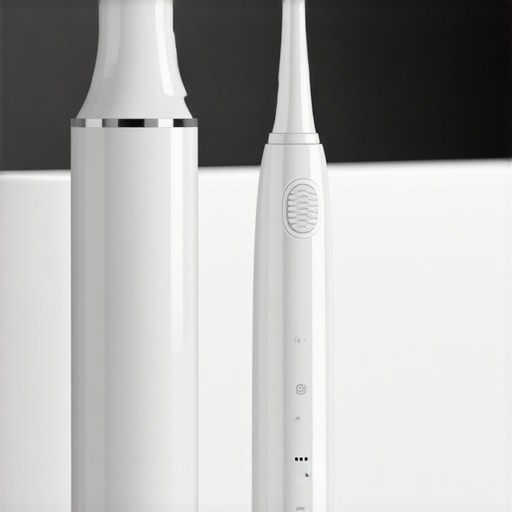
Maintaining your dental tools and routine is essential to ensure long-lasting oral health and save money in the long run. I personally recommend investing in a quality digital toothbrush like the Philips Sonicare DiamondClean, which offers multiple cleaning modes and smart timers to encourage thorough brushing. Its sonic technology breaks up plaque effectively, and the built-in pressure sensor warns you if you’re brushing too hard, protecting your gums. Pair this with a Water Flosser such as the Waterpik Aquarius, which I’ve found particularly effective at removing plaque between teeth and along the gumline, reducing the risk of decay or gum disease.
Why Use These Specific Tools?
The combination of sonic brushing and targeted water flossing addresses both plaque removal and gum health. Regular use maintains a cleaner mouth, thus reducing the frequency of professional cleanings. Additionally, these tools can be programmed for optimal duration, ensuring you’re not over- or under-cleaning, which can lead to future problems. Advanced tools like these are designed to adapt to your lifestyle, making consistent oral care easier and more effective.
Technological Advancements Shaping Future Family Dental Care
Technology is rapidly transforming family dentistry. Experts predict that AI-powered diagnostic tools, such as digital scanners that detect early signs of decay or gum disease, will become standard. I believe integrating these will allow us to catch issues well before they become painful or costly, emphasizing preventive care over reactive treatments. Moreover, the advent of smart toothbrushes connected to apps not only encourages regular care but also provides data-driven feedback tailored to each family member, making oral health maintenance more personalized and proactive.
How do I keep my dental routine effective over the years?
Consistent routine is key. Incorporate weekly deep-cleaning methods like using whitening or remineralizing gels, available through trusted dental brands, to supplement daily care. Remember that routine visits are vital; schedule professional cleanings at least twice a year. Regular professional teeth cleaning can help remove stubborn plaque and tartar that home care might miss, preventing more severe issues. Check out this article for why consistent professional cleanings are so effective at saving money in the long run.
Embrace Digital Monitoring and Family Care
Finally, consider using a family-friendly app that tracks each member’s dental routine, medication, and appointments. This holistic approach ensures everyone stays on top of their oral health, reducing surprises that come with neglected maintenance. Starting with a high-quality electric toothbrush and consistent professional visits will lay a solid foundation for keeping your smile healthy for decades. As Richard H. Price, DDS, notes in his work on digital oral health tech, “early adoption of monitoring tools significantly improves long-term outcomes” (Dental Digital Trends).
Try integrating a smart toothbrush into your daily routine today—it’s a step toward better maintenance and healthier smiles for your family!
What I Wish I Knew Before My First Dental Visit
Reflecting on my journey with oral health, I realize that understanding the deeper reasons behind routine care transformed my approach. Initially, I thought brushing and flossing were enough, but discovering how advanced tools like [digital scanners](https://gentlesmiledentist.com/how-regular-dental-cleanings-can-prevent-major-dental-issues) and tailored treatments optimize long-term health was a game-changer. My biggest lightbulb moment was realizing that preventive measures, combined with smart technology, create a shield against complex issues — a lesson I wish I’d embraced earlier.
Discovering Tools that Truly Make a Difference
Over the years, I’ve curated a toolkit of essential items that revolutionized my daily routine. From a high-quality electric toothbrush like the [Philips Sonicare DiamondClean](https://gentlesmiledentist.com/enhancing-confidence-with-cosmetic-dentistry-what-to-expect) to a Water Flosser that reaches places brushing alone can’t, these tools have kept my smile vibrant. Trusting reliable sources and proven technology ensures my efforts pay off, making the journey to excellent oral health sustainable and enjoyable.
The Emotional Power of Consistency and Education
One of the most profound lessons I’ve learned is that consistency beats perfection. Developing a routine reinforced by professional guidance—like regular check-ups and tailored recommendations—creates a snowball effect, reducing worries and unexpected surprises. Equally vital is staying informed through trusted information, avoiding myths that can derail progress, such as the misconception that all whitening products damage enamel. Knowledge empowers you to make choices that serve your unique needs, transforming dental care from a chore to a source of confidence.
Why Embracing Dental Advancements Changes the Game
Modern innovations, including AI-powered diagnostics and connected oral hygiene devices, are redefining expectations. These tools provide early detection of issues and personalized feedback, making maintenance proactive rather than reactive. For families, integrating these technologies simplifies routines and fosters healthier habits from an early age, laying the foundation for a lifetime of smiles. Embracing these advancements means investing in a future where dental visits are less daunting and more empowering, leading to lasting peace of mind.
Final Thoughts: Your Smile’s Future Is in Your Hands
Moving beyond routine, the real secret to maintaining a healthy smile lies in your willingness to learn, adapt, and leverage the latest in dental care. Remember, small consistent actions—like using the right tools and staying informed—compound over time, resulting in robust oral health. Don’t wait for problems to become painful; take charge today and enjoy the confidence that a healthy smile brings. Ready to make your next step? Start by evaluating your current routine and considering new, effective tools that can make a difference.