
It was a morning just like any other, but as I bit into my breakfast—an apple, of all things—I felt a sharp, unexpected pain shooting through my jaw. Instantly, I knew something was off. Later, after a visit to the dentist, I received news that my back molar was cracked. That moment changed everything for me. Little did I realize, my chronic stress was quietly working against my teeth, causing cracks in my back molars that I didn’t even see coming.
The Surprising Connection Between Stress and Tooth Damage
This personal scare made me dig deeper into the link between stress and dental health. You might think of stress as just a mental or emotional challenge, but it has real, tangible effects on your body, especially your teeth. Chronic stress can lead to teeth grinding—also called bruxism—which over time, puts immense pressure on your molars. This constant grinding can cause serious cracks, wear, and even fractures, often without any obvious warning signs.
Researchers have found that stress triggers the release of cortisol and other hormones that can break down bone and soft tissue, including the jawbone supporting your teeth. An astonishing study by the American Dental Association revealed that people under prolonged stress are more likely to develop cracked or fractured teeth due to increased bruxism activity.
If you’ve noticed yourself clenching your jaw during tense moments or waking up with jaw pain, you’re not alone. These subtle signs are often overlooked, but they could be the first clues that stress is affecting your oral health. My own mistake early on was ignoring my own clenched jaw—believing it was just a passing phase—until I faced the pain of a cracked molar. Learning from that, I’ve made it a priority to address stress as part of my dental care routine, and I want to help you do the same.
Have you ever experienced waking up with a sore jaw or hidden chips in your teeth?
If so, you’re not alone—and understanding this connection could save you from costly dental repairs in the future. In the upcoming sections, we’ll explore the practical steps I’ve taken—and you can too—to protect your teeth from stress-related damage. Because, honestly, prevention is always better than repair when it comes to our smiles.
Immediate Changes to Minimize Damage
Start by consciously becoming aware of clenching or grinding your teeth, especially during stressful moments or at night. Use a mirror or record yourself to catch involuntary jaw tension. When you notice this habit, practice relaxation techniques like deep breathing or progressive muscle relaxation to reduce muscle tension. Implementing a custom night guard, prescribed by your dentist, acts as a shock absorber for your molars, preventing cracks from nightly grinding—a tactic I personally tried after waking with jaw soreness, which significantly reduced my nocturnal grinding and protected my teeth from further damage.
Enhance Your Daily Oral Care Routine
Brush twice daily with a soft-bristled toothbrush, avoiding hard bristles that can exacerbate enamel wear. Use gentle, circular motions to clean teeth without applying excessive pressure—think of massaging your gums gently rather than scrubbing aggressively. Incorporate interdental brushes or floss carefully to remove plaque without stressing sensitive enamel. Expert-approved cleaning practices can make a huge difference, especially if you tend to grind or clench. Remember, over-aggressive cleaning wears down enamel, making teeth more susceptible to cracks.
Regular Professional Support
Schedule routine dental check-ups at least twice a year to detect early signs of cracks or abnormal wear. During these visits, ask your dentist about evaluating your bite alignment—malocclusion can increase stress on certain teeth, accelerating cracking. Professional cleanings not only keep your mouth healthy but also allow your dentist to spot minor issues before they escalate into costly repairs.
Stress Management Strategies
Since stress is a silent enemy behind many dental problems, adopt daily practices to manage tension. Techniques such as meditation, yoga, or even simple stretching breakups during work can soften jaw clenching habits. Consider therapy if stress levels are overwhelming. My experience with mindfulness practices, like short breathing exercises in stressful moments, helped me reduce jaw tension and protect against further damage.
Incorporate Protective Home Measures
Limit intake of acidic foods and drinks that weaken enamel, making teeth more fragile. Use a straw for beverages like juice or soda to minimize contact with teeth. Chewing sugar-free gum can promote saliva flow, naturally neutralizing acids and helping remineralize enamel. These small adjustments act as a shield, reinforcing your teeth’s resilience—the same way a helmet protects your head during a fall.
Stay Informed and Proactive
Learn about the latest in cosmetic dentistry and oral health innovations by visiting trusted resources. For example, cosmetic treatments like contouring or veneers can address structural issues that predispose teeth to cracking. Regularly reviewing your habits and staying engaged with your dental health will keep your smile resilient and beautiful for years to come.
Many individuals assume that cosmetic dentistry is solely about vanity, believing that whitening treatments or veneers are superficial fixes with little impact on overall health. However, this overlooks the nuanced relationship between aesthetic procedures and oral function. For example, choosing the wrong type of veneer or crown without considering bite alignment can lead to uneven wear or even temporomandibular joint (TMJ) issues over time. An advanced mistake is to think that teeth whitening is entirely risk-free; in reality, improper technique or overuse of bleaching agents can weaken enamel, making teeth more susceptible to decay. According to a study published in the Journal of Esthetic and Restorative Dentistry, over-bleaching can diminish enamel hardness by up to 20%, underscoring the importance of professional supervision.
Are DIY cosmetic fixes more harmful than helpful? Discover the hidden risks of at-home procedures.
Many believe that over-the-counter whitening kits or unverified treatments are safe because they are easily accessible. This misconception can lead to damage, especially if used improperly or on sensitive teeth. For instance, long-term use of high-concentration bleaching agents without dentist guidance can cause chemical burns or increased tooth sensitivity. Furthermore, an untrained hand attempting to reshape or straighten teeth at home with makeshift tools can result in irreversible damage or crooked teeth that may require costly correction later. To prevent these pitfalls, consult with a certified cosmetic dentist who can tailor treatments to your unique dental structure and ensure safe, effective results. For comprehensive guidance, visiting this resource can help demystify procedures and set realistic expectations.
How can I tell if my cosmetic dental work is truly beneficial or just cosmetic?
The key lies in assessing whether aesthetic improvements align with functional health—such as correct bite, prevention of wear, and long-term durability. Sometimes, emphasis on a perfect smile might overshadow the importance of preserving your natural tooth structure or avoiding occlusal issues. In fact, improper placement of veneers can lead to uneven bite forces, which may cause headaches or jaw pain—mistakes often made when patients opt for cheaper, quicker fixes. Routine check-ups and open communication with your dentist can help identify if your cosmetic treatments support overall oral health. Remember, a beautiful smile is only truly effective when it functions properly and is maintained diligently. For lasting results, consider exploring advanced cosmetic options that prioritize both form and function.
The Common Pitfalls in Daily Oral Care and How to Avoid Them
Another misconception is that brushing harder means cleaner teeth. Actually, aggressive brushing can wear down enamel and cause gum recession, exposing sensitive roots and leading to cavities. Using a soft-bristled brush and proper technique, such as gentle circular motions, is proven more effective and safer, as explained in this guide. Over time, neglecting regular professional cleanings also poses a danger; many believe that daily brushing suffices, but plaque and tartar buildup require professional intervention to prevent gum disease and decay. Skipping routine check-ups can allow minor issues to evolve into complex, costly treatments. For optimal protection, dedicated attention to both daily habits and periodic dental visits is essential—learning the correct techniques and scheduling regular visits will save you money and pain in the long run. To deepen your understanding, see this comprehensive article.
Have you ever fallen into this trap? Let me know in the comments.
Investing in Reliable Tools for Oral Maintenance
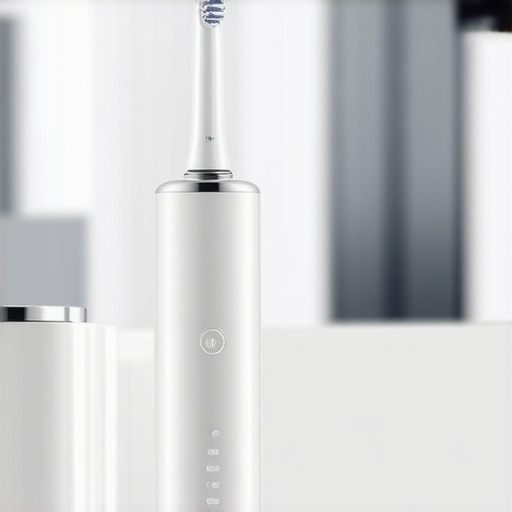
Maintaining optimal oral health requires more than just regular brushing; it hinges on using the right tools that suit your unique dental needs. Personally, I recommend incorporating an electric toothbrush with pressure sensors, such as the Philips Sonicare ExpertClean, which I use daily. Its gentle yet thorough cleaning helps prevent enamel erosion caused by aggressive brushing. Additionally, a water flosser like the Waterpik Aquarius has transformed my daily routine by efficiently removing plaque from hard-to-reach areas—especially important after treatments like veneers or crowns, which demand meticulous care.
How do I maintain my dental tools over time?
Proper maintenance of your dental tools extends their lifespan and ensures they function effectively. I advise rinsing electric toothbrush heads thoroughly after each use and replacing them every three months or sooner if worn. For water flossers, descaling is essential—using a vinegar solution monthly prevents mineral buildup, which can harbor bacteria. Regularly inspect your tools for signs of wear and replace components as needed to keep them performing optimally.
Embracing Advanced Technology for Longevity
Looking ahead, innovations like AI-driven toothbrushes that monitor brushing habits will become common, guiding you to better technique and preventing damage like gum recession. Integrating app-based monitoring with your regular dental visits can help catch issues early, ensuring your tools remain allies in your health journey. To deepen your understanding, check out this expert advice on sustaining oral health long-term.
Make Your Oral Care Routine Smarter: Try the latest in sonic toothbrush technology today!
Don’t wait for signs of damage—invest in a smart toothbrush that alerts you when you’re applying too much pressure or missing spots. Routine updates and proper cleaning techniques keep your smile radiant and your tools effective for years to come. Remember, consistency paired with the right equipment paves the way for lasting oral health. For personalized recommendations, consider consulting your dentist, who can suggest tools tailored to your lifestyle and dental condition.
What I Wish I Had Known About the Hidden Risks of Cosmetic Fixes
One of the most eye-opening lessons I learned was that not all cosmetic treatments are created equal, and some can inadvertently compromise your natural teeth if not approached carefully. For example, over-reliance on quick fixes like at-home whitening kits without professional supervision can weaken enamel and lead to sensitivity or even cracks. It made me realize the importance of seeking expert advice to ensure aesthetic desires don’t become long-term problems.
Additionally, I discovered that pursuing perfection in smile design without considering functional harmony—like bite alignment—can cause headaches and jaw pain down the line. Balancing beauty with health is critical, and I now prioritize comprehensive planning with my dentist to safeguard my oral health while enhancing my confidence.
My Go-To Tools for Long-Term Dental Happiness
Over the years, I’ve come to trust a few key tools that have made a real difference. Using an electric toothbrush with pressure sensors helps me avoid overbrushing, which can damage gums and enamel. I also swear by a water flosser for its ability to clean hard-to-reach spots, especially after restorations like veneers or implants. These tools have empowered me to maintain my smile’s health and durability, reinforcing the importance of investing in quality equipment.
Beyond gadgets, I keep a small, professional-grade mouthwash on hand, which helps maintain fresh breath and prevent plaque buildup. Incorporating these into my routine has made oral maintenance feel less like a chore and more like self-care, proving that the right tools truly elevate your oral health game.
Your Smile Is a Journey—Take the First Step Today
Remember, every little action you take today—whether it’s mindful brushing, managing stress, or consulting with your dentist—builds toward a healthier, more radiant smile tomorrow. Don’t let misconceptions or overlooked habits hold you back from achieving your dental goals. Embrace proactive care, stay informed with trusted resources, and prioritize your long-term wellness.
What small change are you ready to make today to protect your teeth from stress-related damage? Share your thoughts below—I’d love to hear your story!
اند!,