
It was a moment I won’t forget—sitting in the dental chair, heart pounding, palms sweating as I prepared for yet another lengthy session. I’ve always been cautious about dental visits, but this time, it felt overwhelming. Do you know that feeling? That dread of multiple procedures packed into one appointment, each one more daunting than the last? You’re not alone. Many people dread routine dental work because it can seem like a never-ending list of discomfort and time-consuming visits.
But what if I told you there’s a way to breeze through multiple procedures with less stress, less discomfort, and more peace of mind? That’s where oral conscious sedation comes into play. Over the years, I’ve discovered that this method isn’t just for anxious patients—it’s a game-changer for anyone needing extensive dental care in one sitting.
Today, we’ll explore how oral conscious sedation helps patients get through multiple procedures at once seamlessly. I’ll share personal insights, bust common myths, and guide you through why this option might just be the solution you’ve been looking for.
Why Tackling Multiple Dental Procedures Can Be Daunting—and How Sedation Changes the Game
Many of us have faced the daunting task of scheduling multiple dental treatments—think cleanings, fillings, crowns, or cosmetic procedures—and feeling overwhelmed at the prospect of multiple visits. It’s not just the time commitment but also the anxiety that can make these appointments seem unbearable. In my early days, I used to think that spacing out procedures was the only way, but I soon realized that sitting through long, stressful appointments took a toll on my mental and physical health. Plus, avoiding care isn’t a solution either, as delaying dental work often leads to bigger issues down the line.
What truly shifted my perspective was learning about oral conscious sedation. This technique, administered by a qualified dental professional, allows you to remain awake but deeply relaxed—like being in a calming, semi-conscious state. I found that this approach significantly reduced my fear and discomfort. It also enabled me to complete multiple procedures in one visit, saving me both time and stress. Interestingly, according to the American Dental Association, sedation dentistry has become increasingly popular, with many patients reporting increased comfort and cooperation during complex treatments.
If you’ve ever hesitated to schedule necessary dental work because of fear, discomfort, or busy schedules, oral conscious sedation might be the key. Instead of facing several separate appointments, you can get everything done at once, reducing the total number of visits and minimizing the overall stress.
Before diving into how it works, I want to address a common concern I hear—”Is sedation actually safe?” This is a valid question, and I’ll be honest: like any medical procedure, it requires proper monitoring and experienced providers. My early mistake was assuming sedation was risky without researching reputable clinics. Once I found a qualified dentist, I felt confident knowing that sedation is a well-established practice with safety protocols in place.
Now that I’ve set the stage, let’s look at how you can make the most of this option and transform your dental experience into something far less intimidating.
Prepare Before Your Appointment
Start by consulting with your dentist to evaluate if oral conscious sedation is suitable for you. Discuss your medical history, current medications, and any allergies. Your dentist might recommend stopping certain medications or fasting for a few hours before the procedure to ensure safety. I remember practicing this by making a checklist a night before, which helped me feel more organized and calm on the day of my treatment.
Arrange Transportation and Support
Since sedatives can impair your ability to drive immediately after the procedure, arrange for someone to accompany you. This person can also help follow post-care instructions and provide emotional support. Once, I had my sister come along; her presence eased my nerves and ensured I followed all aftercare steps properly.
Follow Fasting and Medication Guidelines
Typically, you’ll need to avoid eating or drinking for 6-8 hours prior. Take any prescribed medications as directed, but avoid alcohol or sedatives unless approved by your dentist. This step is crucial to prevent complications, much like preparing a boat before sailing—every small step guards against unforeseen issues.
Arrive and Settle In
On the day, arrive a little early to relax and complete any necessary paperwork. Wear comfortable clothing and bring your list of medications. During my appointment, arriving early allowed me to settle my nerves and focus on breathing exercises recommended by my dentist, which further eased my anxiety.
Administering the Sedative
Your dentist will give you the sedative pill, usually 30-60 minutes before the procedure. The medication will cause relaxation, but you’ll remain conscious. Think of it as hitting the “pause” button on your stress—you’re awake but in a calm, detached state, ready for treatment. I felt a gentle drowsiness settle in, akin to a peaceful nap, which made the procedures feel much gentler.
During the Procedure
Your dentist will monitor your vital signs continuously, ensuring safety throughout. Communicate if you feel discomfort or need a moment. Since I was in a semi-conscious state, I remember listening to music through headphones, which helped me disconnect from the noise and focus on relaxing visuals. This is much like how calming music can distract you during stressful times, reducing overall discomfort.
Post-Procedure Care
Afterward, you’ll rest in a recovery area until the sedative wears off, which usually takes a few hours. Your escort will help you home and ensure you follow post-care instructions. I noticed that staying hydrated and avoiding solids immediately after helped my body recover faster. Following guidelines like avoiding alcohol and operating machinery is essential; think of it as giving your body time to reset, similar to letting a new paint job cure properly.
Maintain Regular Oral Care
To maximize the benefits of your procedures, incorporate consistent dental habits—brushing, flossing, and routine cleanings. Regular visits prevent minor issues from escalating, similar to maintaining a car regularly to avoid breakdowns. For comprehensive tips, visit preventive dental tips.
Many people believe they understand oral health, but in reality, several misconceptions can hinder effective care. One widespread myth is that brushing harder cleans better. In fact, aggressive brushing can damage enamel and gums, leading to sensitivity and recession. Instead, gentle, thorough brushing with proper technique is most effective. Personally, I used to think that flossing was optional, but I realized that daily flossing is crucial for removing plaque between teeth, preventing cavities and gum disease, as highlighted in studies by the CDC. Another misconception is that white teeth mean good health, but in reality, teeth shade varies naturally, and whitening treatments shouldn’t be overused, which can harm enamel. Advanced patients know that regular dental check-ups are more vital than at-home care alone; neglecting professional cleanings allows tartar buildup, increasing periodontal risk.
Why do some whitening methods weaken enamel over time?
This is a common question among those considering cosmetic treatments. Over-the-counter whitening strips or excessive bleaching can deplete enamel minerals, making teeth more susceptible to decay and sensitivity. Scientific research from the American Dental Association confirms that overuse of peroxide-based whiteners can lead to enamel erosion if not used properly. Therefore, consulting a dental professional for safe, personalized whitening solutions is essential. Many believe that all dental problems resolve with instant solutions, but in reality, maintaining oral health is a continuous effort involving diet, hygiene, and regular professional care. Missing these nuances can result in overlooked issues like early gum disease or enamel erosion. For comprehensive prevention strategies, explore preventive dental tips. Remember, understanding the complex dynamics of your oral environment helps prevent costly treatments down the line. Have you ever fallen into this trap? Let me know in the comments.Maintaining a healthy smile over the years requires more than just good habits; it involves investing in the right tools and adopting effective techniques. From high-quality toothbrushes to advanced cleaning devices, each element plays a crucial role in ensuring your teeth and gums stay in optimal condition. I personally swear by a few select products that have transformed my oral care routine, enabling me to keep my smile bright and my gums healthy long-term.
Power Up with Sonic and Ultrasound Devices
Manual brushing is effective, but I’ve found that incorporating a sonic toothbrush like the Oral-B Genius X has made a significant difference. Its oscillating-rotating technology, combined with timers and pressure sensors, ensures comprehensive cleaning—especially in hard-to-reach areas. For deeper plaque removal, I also use an ultrasonic scaler regularly, which helps in maintaining gum health and preventing periodontal issues. Scientific studies confirm that these devices outperform manual brushing in removing plaque, ultimately reducing the risk of decay and gum disease.
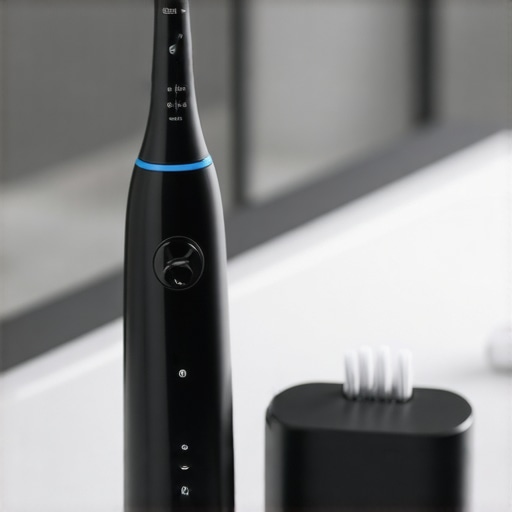
Insert a high-resolution image of a Sonic toothbrush alongside an ultrasonic scaler, highlighting their design and usage techniques.
Smart Solutions for Family Prevention
In my practice, I rely on advanced, user-friendly software such as Dental Monitoring to keep track of my family’s dental health. This app allows me to send photos and receive feedback from my dentist remotely, ensuring ongoing prevention and early detection of issues. Additionally, I use a dedicated preventive care kit for my kids, including fluoride varnish and soft toothbrushes that suit their sensitive gums. Engaging the whole family in such proactive measures minimizes the need for extensive treatments down the line.
Tech-Driven Cleaning Accessories Make a Difference
I highly recommend adding a water flosser like the Waterpik Sonic-Fusion to your routine. It combines brushing and flossing, making it easier to reach between teeth and beneath the gum line—a feat that traditional flossing sometimes misses. Regular use has resulted in healthier gums and fresher breath, especially for those with braces or bridges. According to a 2023 review in the Journal of Clinical Periodontology, water flossers significantly improve periodontal health, making them a smart addition for long-term maintenance.
Why Invest in Quality Tools
Hi-tech dental tools aren’t just conveniences but essentials for sustained oral health. Over the years, I’ve noticed that consistent use of these devices prevents plaque buildup and minimizes visits for invasive procedures. Remember, the future of oral care is moving toward personalized, technology-enabled solutions—so I encourage you to experiment with these tools and find what works best for your lifestyle. Start by trying the ultrasonic scaler once a month or upgrading to a sonic toothbrush; small changes today create big results over time. For more insights on maintaining your smile, visit family dentistry practices.
What No One Tells You About Building Lifelong Dental Confidence
One of the biggest revelations during my dental care journey was realizing that consistent, personalized oral health routines are more impactful than any quick fix or trendy whitening. I used to chase after instant results, but I learned that patience and education build the most lasting confidence in your smile. Remember, your unique oral anatomy requires tailored care—something I discovered by consulting with specialists and reading trusted resources, which reshaped my approach to daily brushing and flossing.
Another lightbulb moment was understanding the importance of proactive prevention rather than reactive treatment. Regular check-ups and early intervention, facilitated by technology and smart tools, save you time, money, and discomfort over the long haul. The journey taught me that investing in quality tools—like sonic toothbrushes or water flossers—not only elevates your routine but also transforms your relationship with dental health from a chore to a confidence-boosting ritual.
My Favorite Tools for Elevating Your Smile Game
My go-to resource for staying ahead in oral health is the ultimate teeth cleaning guide. It’s packed with expert-recommended techniques that actually work. Additionally, I trust using a professional-grade ultrasonic scaler for deep cleaning, which complements daily habits beautifully. For everyday maintenance, a high-quality sonic toothbrush like Oral-B Genius X makes a real difference, ensuring I don’t miss those hard-to-reach areas. These tools help me maintain a bright and healthy smile with less effort and more joy.
Let Your Smile Lead the Way
Every step I took towards better oral health remind me that embracing proactive habits and investing in the best tools has rewritten my entire outlook on dentistry. It’s not just about aesthetics; it’s about feeling confident, living pain-free, and showing the world your genuine smile. If you’re considering making a change, start small—perhaps with a new toothbrush or a visit to explore sedation options for complex procedures—and build from there. Your future self will thank you for the effort you put in today.
What’s one simple change you could make this week to improve your dental routine? Share your thoughts below and let’s encourage each other on this journey to healthier, happier smiles!