
I sat there, staring at a grainy X-ray that looked like a lunar landscape, while my dentist delivered the news I hadn’t expected: my jawbone was too thin to support a dental implant. I was shocked. I thought losing a tooth was the hard part, but it turns out the “dirt” you’re planting the “seed” in matters just as much as the seed itself. I made the classic mistake of waiting nearly two years after my extraction to look into a permanent replacement, not realizing that bone is a “use it or lose it” resource. I felt like my body had let me down, like I had failed a test I didn’t even know I was taking. It’s a common story, and if you’re feeling that same anxiety right now, I want you to take a deep breath. You aren’t “broken.” You just need a better foundation. I spent months digging through research and talking to specialists to figure out how to turn a “no” into a “yes.” [image_placeholder_1]
I Thought My Dental Implant Dreams Were Over
When I first started looking into cosmetic dentistry innovations, I was focused on the look of the porcelain, not the health of the ridge. I learned the hard way that without enough bone volume, an implant is like trying to screw a bolt into thin drywall without an anchor—it just won’t hold. Most people don’t realize that your jaw needs the constant physical stimulation of a tooth root to stay dense and strong. When that root is gone, the body decides those minerals are better used elsewhere. According to a study published in the Journal of Oral Implantology, you can lose up to 40% of your jawbone height and width within the first year after a tooth extraction if the site isn’t preserved. That’s a staggering amount of structural loss in a very short window. This is why understanding the bone-preserving power of implants after major tooth loss is so critical; they don’t just fill a gap, they actually tell your body to keep that bone alive. I spent weeks worrying I had missed my chance entirely, but then I discovered that we can fight back.
Is your jawbone actually strong enough for metal?
This is the question that kept me up at night, and I bet it’s crossing your mind too. I worried that my window of opportunity had slammed shut and that I’d be stuck with a bridge or a loose denture forever. My biggest mistake was assuming bone density was a fixed trait, like eye color. It’s not. Whether you’re curious about the bone grafting process or you’re just starting your journey, you need to know that density can be nurtured and rebuilt. Have you ever been told your jaw wasn’t “up to the task” for an implant? I want to show you exactly how we can change that narrative today. We’re going to dive into the biological handshake of osseointegration and why your daily habits—and even specific tricks like the bone density trick for faster dental implant integration—play a role in keeping that foundation solid. I promise that by the end of this, you’ll know exactly how to prep your body for success so you don’t waste time or money on a failed procedure.Now we get into the heavy lifting. If you’ve been told your bone is too thin, the solution isn’t magic—it’s architecture. We have to literally build a “scaffold” for your body to populate with new cells. This starts with the bone grafting process, which is less about “adding bone” and more about “inviting bone.” Think of it like adding a trellis to a garden so a vine has somewhere to climb. I remember sitting in the chair, hands gripped tight, thinking I was about to have a massive surgery. In reality, it felt more like a standard filling. My dentist used a specialized material to fill the voids, and that was the moment my transition from “no” to “yes” actually began. 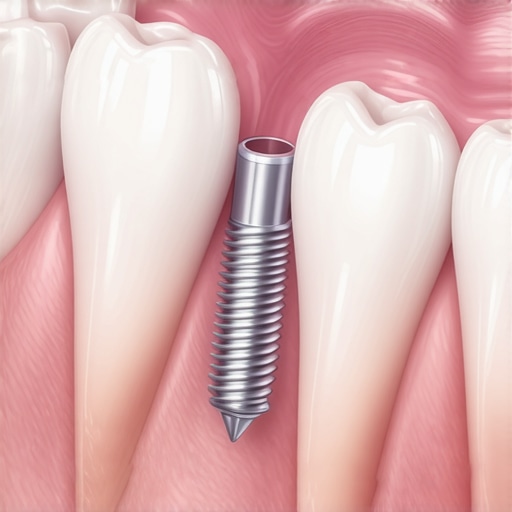
Turn Your Jaw into a Solid Foundation
The actual execution of rebuilding your mouth starts with the graft. This procedure is essentially a biological signal that tells your body, “Hey, we need more structure here.” When I went through this, I was worried about the “rejection” factor. But human bone is incredibly adaptive. By following expert advice for a lifetime of healthy teeth, you create an environment where the graft can flourish. This means keeping the surgical site pristine and avoiding any unnecessary pressure while the new bone “knits” together. This stage is all about patience; you are essentially waiting for a biological handshake to occur between your existing skeleton and the new material.
Get Your Body Ready for Osseointegration
Osseointegration is the process where your bone fuses to the metal post of the implant. It sounds like something out of a sci-fi movie, but it’s the gold standard of modern dentistry. To speed this up, you need to master the bone density trick for faster dental implant integration. This isn’t just about supplements; it’s about blood flow. I found that light, consistent movement—like walking—and staying hydrated made a massive difference in how quickly I recovered. If your circulation is sluggish, your bone growth will be too. I remember my first follow-up after the initial bone graft. I was terrified the material wouldn’t take. I spent the whole week eating soft foods, worrying that every chew was dislodging my future smile. My dentist showed me the scan a month later, and seeing those tiny new bridges of bone forming was like watching a city being rebuilt after a storm. It wasn’t overnight, but it was happening.
Feed Your Bone the Right Fuel
Your jawbone is a living organ, not a piece of rock. It needs constant nourishment. While you’re waiting for the graft to settle, focus on nutrients like Vitamin D and K2. I swapped my midday chips for high calcium snacks that strengthen enamel naturally, ensuring my body had the raw materials it needed to build high-quality bone tissue. I noticed that when I was strict with my nutrition, the dull ache of the healing process subsided much faster than when I cheated with sugary treats.
Why Clean Teeth Speed Up Healing
Bacteria is the enemy of bone growth. If you have an active infection or even just a bit of plaque buildup, your body will spend its energy fighting the bacteria instead of building bone. This is how regular teeth cleaning can prevent major dental issues during the implant journey. I learned that even a minor case of gingivitis could jeopardize the stability of the entire graft. Keeping the rest of your mouth in top shape isn’t just for show—it’s a defensive play to protect your investment. If you treat your oral hygiene like a job, your body will reward you with a foundation that lasts for decades.I’ve spent a lot of time talking about the foundation of the jaw, but let’s address the elephant in the room: many people think cosmetic dentistry is just about the ‘surface look.’ That is a dangerous trap. I used to believe that if a tooth looked white, it was inherently healthy. But in reality, oral health myths debunked in recent years reveal that some of the whitest smiles are actually the most brittle because they’ve been over-processed. If you focus only on the shade of the porcelain, you’re missing the forest for the trees. The contrarian truth is that aesthetic issues are almost always functional red flags in disguise. A chipped front tooth isn’t just a cosmetic ‘oops’; it is often the first sign of a misaligned bite that will eventually destroy even the most expensive implant.
Stop Chasing the Brightest White Possible
Most patients walk into a clinic asking for the highest level of bleach, but the ‘Hollywood’ look is often a sign of poor craftsmanship. Natural teeth have a biological depth—a gradient of color, texture, and light reflection. If you opt for a flat, opaque white, you’ll likely end up with the subtle bonding error that makes your smile look artificial. You want your dental work to be invisible, not a neon sign. Real expertise in cosmetic dentistry involves mimicking the translucency of natural enamel, which allows light to enter the tooth and bounce back from the dentin. Without that, your teeth look like plastic chiclets. 
Why does my new crown still look like a fake tooth?
This is the advanced question that often comes up after the initial excitement of a procedure fades. The culprit is usually the ‘Pink Esthetic.’ A study published in the International Journal of Periodontics & Restorative Dentistry suggests that the success of any cosmetic restoration is 50% dependent on the health and shape of the gingiva—your gums. If your dentist ignores the gum architecture or the biological width, your crown will have a ‘floating’ appearance or develop a dark shadow at the base. This is often why your veneers are discoloring at the gum line; it’s not the porcelain failing, but rather an inflammatory response from the body because the restoration was placed too deep into the tissue.
Avoid the Trap of One-Size-Fits-All Solutions
Many families make the mistake of assuming the same dental approach works for everyone in the household. But your teen’s developing enamel and your aging jawbone have vastly different structural needs. For example, the one mistake people make when trying to whiten gray teeth is using standard peroxide kits on internal tetracycline staining, which can actually dehydrate the tooth and lead to painful micro-fractures without ever changing the color. Furthermore, we often see patients attempting to fix minor crowding with DIY clear aligner kits that cause permanent root damage because they don’t account for the bone density we’ve been discussing. Have you ever fallen into the trap of choosing a ‘quick fix’ only to have it fail a year later? Let me know in the comments. Expertise isn’t just about the tools; it’s about knowing when not to use them. Before you commit to a smile makeover, ensure you’ve addressed the one nutrient most people lack for healthy tooth enamel to give your natural teeth a fighting chance.
Keep Your Investment from Failing at the Finish Line
Now that we’ve established that a great smile is built on more than just aesthetics, we have to talk about the ‘forever’ part. If you’ve spent thousands on zirconia restorations—and why most dentists prefer zirconia for molars instead of porcelain becomes obvious the moment you see their durability—you cannot treat them like natural enamel. I learned that the hard way. I used to be an aggressive flosser until my hygienist showed me the micro-scratches I was leaving on the titanium abutment of my implant. This is where the right tools aren’t just a luxury; they’re an insurance policy.
Why Your Standard Floss is Hurting Your Implants
I switched to a water flosser with a specialized ‘plaque seeker’ tip because standard string floss can actually shred and get caught on the rougher underside of a complex restoration. Most people use a water flosser on the highest setting thinking it’s a power washer, but that’s a mistake. You need a gentle, pulsing flow to disrupt the biofilm without pushing it deeper into the periodontal pocket. This is especially vital when you need to learn the move to clean under your dental bridge safely. If you ‘saw’ at the gumline with traditional thread, you’re literally carving a path for bacteria to enter the bone site.
How do I maintain my new smile over time?
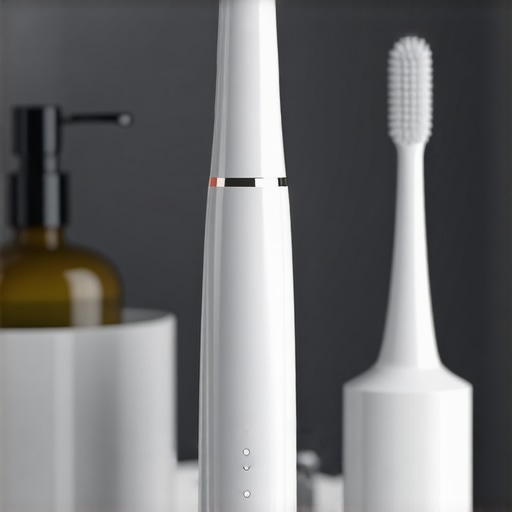
The answer isn’t just brushing more; it’s brushing smarter. I personally use a sonic toothbrush with a built-in pressure sensor. Dr. Gordon Christensen, a world-renowned expert in restorative dentistry, often notes in the Clinicians Report that ‘over-instrumentation’ is a leading cause of gum recession around expensive restorations. If you press too hard, the sensor flashes red, forcing you to adjust your technique. It’s a simple feedback loop that saved my gums from receding further. When you combine these tools with teeth cleaning secrets to achieve a bright smile in under 30 minutes, you aren’t just cleaning; you’re preserving the structural integrity of your face.
Looking ahead, I see the industry moving toward ‘bio-interactive’ materials. In the next five years, your dental bridge might actually release fluoride or calcium phosphate on demand using ‘smart’ sensors that detect acidity levels. This isn’t just convenience; it’s a paradigm shift from ‘repair’ to ‘regeneration.’ We are entering an era where cosmetic dentistry innovations will prioritize the biological health of the surrounding tissue as much as the strength of the crown itself. Until then, the burden of maintenance is on us. This is how regular dental cleanings can save you money in the long run; you’re paying for a professional to audit your home-care efforts and catch the ‘silent’ failures before they require another surgery. For my own family, we follow preventive tips for long-lasting dental health for families to ensure the kids don’t end up needing the same complex bone grafts I did. My advanced tip for you today: buy a dedicated interdental brush (the tiny ones that look like miniature Christmas trees) and use it once a night *before* you brush. It reaches the corners where your toothbrush is physically incapable of going. Try it for one week, and you’ll be shocked by what your ‘perfect’ routine was leaving behind.
The Hidden Truth About Why Bone Healing Feels So Slow
The biggest lightbulb moment I had during this journey wasn’t about the surgery itself, but the silence that follows. I realized that bone is a living conversation between your lifestyle and your genetics. One thing I learned was that oral health myths debunked recently show that ‘resting’ isn’t just doing nothing; it’s when your cells are most active. I also discovered that your mood matters—chronic stress releases cortisol, which can actually slow down the osseointegration process. Finally, I realized that a ‘failed’ bone graft is rarely about the material and almost always about the blood supply, which is why I became so obsessed with hydration and light movement.
The Daily Habits That Keep My New Smile Secure
I don’t leave my oral health to chance anymore. My ‘holy trinity’ of tools includes a sonic toothbrush with a pressure sensor to prevent the case against aggressive flossing from turning into gum recession. I also swear by interdental brushes for those tight gaps around my zirconia crowns. For anyone looking for a jumpstart, these teeth cleaning secrets to achieve a bright smile in under 30 minutes are the exact protocols I used to keep my gums pink and healthy during the most vulnerable stages of my recovery. I trust these methods because they focus on biological harmony rather than just scrubbing away stains.
Trust the Process and Reclaim Your Confidence
If you are standing where I was—staring at an X-ray and feeling defeated—know that the road back to a full smile is paved with patience, not just porcelain. With the current cosmetic dentistry innovations available today, ‘impossible’ is a shrinking category. You have the power to rebuild your foundation and protect your health for years to come. Don’t let a temporary setback in bone density stop you from pursuing the quality of life you deserve. Have you ever been told you weren’t a candidate for a specific dental procedure? Let me know your experience in the comments below.