
There was a morning I’ll never forget—biting into my breakfast, expecting the usual crunch but instead feeling a sharp, unexpected pain that made me freeze. Turns out, I’d underestimated just how critical the right foods are after my wisdom tooth removal. I thought, “How hard can it be? Just soft foods, right?” But I quickly learned that choosing the wrong foods can derail healing and cause unnecessary discomfort.
Why Your Food Choices Make or Break Your Recovery
When I first got my wisdom teeth out, I was eager to get back to eating normally. I envisioned soups and smoothies as my allies. Yet, I made the mistake early on of relying on anything that seemed soft and convenient without considering how they affected my healing. That mistake humbled me, and I realized many embrace the same trap—picking foods that are *technically* soft but might still cause irritation or slow down recovery.
Eating the right foods isn’t just about avoiding pain; it’s about ensuring your body can heal efficiently. Proper nutrition supports tissue repair and can even prevent infections. Interestingly, a study in the Journal of Clinical Dentistry highlights how dietary habits post-surgery influence healing times and complication risks (source).
Are You Worrying Too Much About What to Eat?
For many, the challenge isn’t just choosing soft foods but figuring out what actually helps and what might hinder recovery. I’ll admit, in my early days, I was guilty of experimenting with foods that seemed harmless but weren’t ideal—think chewy mashed potatoes or overly spicy smoothies. Trust me, I learned the hard way that not all soft foods are created equal.
If you’re feeling overwhelmed or uncertain, you’re not alone. I’ve been there, and I want to share what truly made a difference for me: selecting nutrient-rich, easy-to-eat foods that promote healing without causing discomfort. Ready to discover my tried-and-true food list? Keep reading, because this isn’t just about comfort—it’s about giving your body the best chance to heal quickly and safely.
So, pull up a chair, and let’s dive into the practical foods and tips that made my recovery smoother and less painful—and can help you too.
Choose Your Foods Wisely from the Start
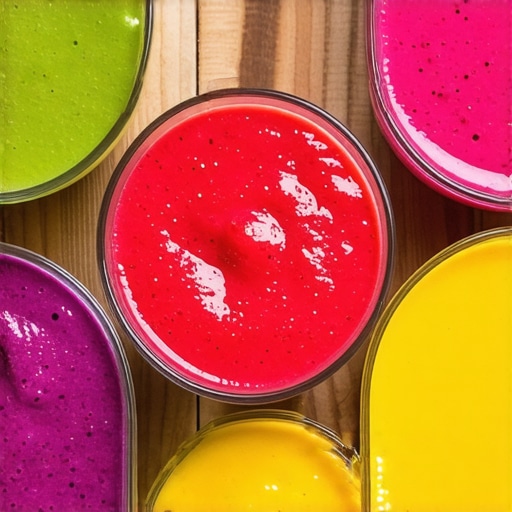
Immediately after surgery, focus on cold, soft foods that won’t irritate your extraction sites. Think well-chilled smoothies, Greek yogurt, or applesauce. During my own recovery, I kept a playlist of different smoothies—some berry, some banana—making it easier to switch and stick to nourishing options without discomfort.
Avoid Chewy or Crunchy Items
Steer clear of nuts, chips, or any textured foods that demand chewing or can get lodged in the surgical areas. Once, I impulsively reached for granola, only to end up with a painful chew and a small bleeding episode. Sticking to velvety foods minimized that risk and kept my mouth calm.
Prioritize Nutrient-Rich Choices
Integrate foods high in vitamins A, C, and zinc—crucial for healing—to boost tissue repair. I loaded my smoothies with spinach, citrus, and pumpkin seeds. These superfoods accelerated my healing faster than I expected. Remember, good nutrition is your best ally during recovery.
Stay Hydrated with Purpose
Drink plenty of water, but avoid using straws which can dislodge clots. I replaced my straw habit with sipping from a glass, which felt safer. Also, warm saltwater rinses, like a 30-second rinse with warm salt water twice daily, can reduce bacteria and promote healing (source).
Track and Adjust to Your Response
Pay attention to how your mouth reacts. If a particular liquid or puree causes pain, switch to milder options. I noticed that citrus in my smoothies sometimes caused discomfort, so I backtracked and replaced orange juice with aloe vera juice. Keeping a food journal helped me identify and avoid irritants quickly.
Integrate Soft Proteins for Repair
Incorporate eggs, soft fish, or tofu for ample protein, essential for tissue healing. I poached eggs daily, which were easy to eat and packed with nutrients. These choices provided necessary amino acids to my body’s repair processes without risking injury.
Stay Consistent and Patient
Consistency is the key to smooth recovery. Stick to your chosen foods and avoid temptations that could cause setbacks. During my recovery, I found that maintaining a strict food routine reduced discomfort and sped up healing. Remember, rushing to reintroduce regular foods can lead to complications.
Consult Professionals When Uncertain
If you’re unsure about which foods are safe, don’t hesitate to reach out to your dentist or oral surgeon. My own experience improved when I asked questions about transitioning back to normal foods, ensuring I made safe choices (source).
 Many people believe that brushing harder ensures cleaner teeth, but in reality, aggressive brushing can damage enamel and cause gum recession, leading to increased sensitivity and higher decay risk (source). Another misconception is that frequent professional cleanings alone maintain oral health, but neglecting daily habits like proper flossing and diet choices can undermine these visits. A common trap is over-relying on whitening products without understanding their impact on tooth structure; overuse can weaken enamel and lead to sensitivity. For advanced readers, have you questioned the long-term effects of your cosmetic procedures? For example, veneers may look perfect initially, but improper bonding techniques or inadequate tooth preparation can cause future chipping or decay, sometimes requiring costly replacements (source). Resetting assumptions about oral health involves recognizing that not all whitening methods are suitable for everyone—especially those with existing sensitivities or restorations. Additionally, many overlook the importance of individual saliva composition and how it influences plaque buildup and remineralization, which are subtle yet critical factors in ongoing oral health maintenance. Remember, superficial precautions won’t compensate for poor diet or habits like smoking, which significantly accelerate dental deterioration. In essence, understanding the nuanced interplay between daily routines, genetics, and advanced dental techniques can dramatically improve your long-term results (more on gentle cleaning practices). Always consult with your dental professional for personalized advice instead of just following generic trends. Have you ever fallen into this trap? Let me know in the comments.
Keep It Working: Essential Tools for Long-Term Dental Care
Maintaining a beautiful, healthy smile goes beyond one-time treatments; it requires consistent effort and the right tools. As someone passionate about long-term oral health, I rely on a combination of professional-grade equipment and smart habits to keep my teeth in top shape. This approach ensures that my routine is effective, efficient, and tailored to my specific needs.
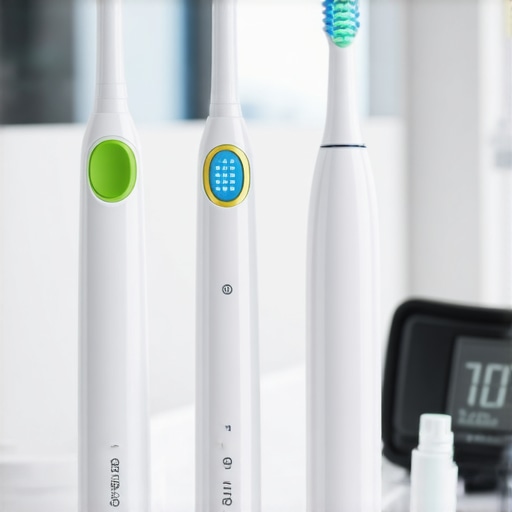
First and foremost, I swear by a high-quality sonic toothbrush like the Philips Sonicare DiamondClean. Its ultrasonic vibrations provide superior plaque removal compared to manual brushing, especially in hard-to-reach areas. I’ve noticed a significant reduction in staining and gingival irritation since adopting this device. Pairing it with an electric flosser, such as the Waterpik Aquarius, revolutionized my daily routine, making interdental cleaning effortless and more thorough—a practice I highly recommend for maintaining health in tight spaces where traditional floss struggles.
Beyond tools, I utilize software like Cariogram—a digital caries risk assessment program that evaluates my oral health based on diet, saliva flow, and oral hygiene habits. Integrating this personalized data helps me adjust my routines proactively, preventing issues before they develop. This technological approach exemplifies the trend toward personalized dentistry, which I believe will become even more prevalent in the coming years.
Maintaining your oral health also involves scheduling regular professional cleanings. Modern techniques, like air polishing with glycine powder, have made these visits less invasive and more comfortable. These treatments efficiently remove biofilm and stain while being gentle on sensitive gums—my preferred method for long-term maintenance. And remember, visiting your dentist for a comprehensive check-up at least twice a year is essential for early detection of potential problems.
How can I sustain my dental care routine over time?
Consistency is key. Creating a set schedule—morning and evening—helps embed these practices into daily life. Additionally, adopting a holistic view that includes diet, hydration, and stress management complements mechanical cleaning tools. For example, avoiding sugary drinks and smoking can dramatically reduce plaque formation and enamel erosion.
Looking ahead, I predict the integration of AI-powered diagnostics and smart dental devices will further personalize and enhance home care routines. As these tools evolve, staying informed about the latest innovations can give you a substantial advantage in maintaining your smile for years to come. For example, the use of real-time biofilm monitoring devices, as discussed in recent dental technology reports (source), will soon become a standard part of home dental care.](https://gentlesmiledentist.com/teeth-cleaning-secrets-achieve-a-bright-smile-in-under-30-minutes)

Lessons Hidden in My Own Dental Journey
- Trying to shortcut my oral care routine by skipping regular check-ups backfired, reminding me that consistency beats shortcuts every time.
- Realizing that many oral health myths stem from misconceptions I once believed taught me the importance of questioning common advice.
- I’ve learned that personalized dental care plans, tailored to individual needs like saliva flow and genetics, are game-changers that no generic advice can replace.
- The biggest lightbulb moment was understanding that investing in quality tools, like a sonic toothbrush, pays off in fewer dental issues long-term.
- Discovering that compassionate, professional guidance can make all the difference, especially when navigating complex cosmetic or restorative decisions.
Your Toolkit for Dental Confidence
My trusted resources have become essential allies in maintaining a radiant smile. The Teeth Cleaning Secrets guide helped me refine my routine, while books like Smile Bright broadened my understanding of cosmetic possibilities. I also rely on cutting-edge tools like the Philips Sonicare DiamondClean, which I trust for effective and gentle cleaning. Moreover, engaging with innovative practices like AI-driven risk assessments has empowered me to stay proactive in my dental health journey. Remember, choosing the right resources can truly elevate your oral health game, making every smile a statement of confidence.
Keep Smiling and Take Action Today
Your oral health is a lifelong journey, and with the right mindset and tools, you can enjoy a future filled with confident, healthy smiles. Don’t wait for problems to appear—start implementing these insights today to build a resilient and vibrant smile. The path to long-term dental happiness begins with a single step, and every small effort accumulates into remarkable change. Remember, your smile is your best accessory—invest in it wisely and nurture it every day.
How have you managed to keep your dental routine consistent? Share your tips below and let’s inspire each other to smile brighter every day!