
I remember sitting on my porch last July, diving into a bowl of mint chocolate chip ice cream. Suddenly, a lightning bolt shot through my lower left molar. It wasn’t the ‘brain freeze’ kind of cold; it was a deep, localized zing that made me drop my spoon and clutch my jaw. I’d had that filling for ten years, and I’d been ignoring a weird, faint metallic taste for weeks. I made the classic mistake of thinking I was just getting older or that my teeth were becoming a bit sensitive. In reality, my filling was throwing an SOS signal that I completely ignored until the pain became unbearable. Today, I’m going to help you decode that specific, annoying dental morse code so you don’t end up in my shoes. We’re going to figure out if your old dental work is finally giving up the ghost and what that means for your next checkup. [image_placeholder]
Is a leaky filling actually worth the worry?
You might think a tiny gap in a piece of resin or silver isn’t a big deal, but that ‘leak’ is basically an open door for bacteria to set up a permanent residence inside your tooth. When a filling fails, it creates what we call micro-leakage. I used to think that as long as the filling hadn’t fallen out, I was safe. I was wrong. That gap is often too small for your toothbrush to reach but plenty big for sugar and acid to seep in. According to the American Dental Association, dental restorations are constantly under the massive pressure of chewing and the thermal expansion of hot and cold drinks, which means they eventually wear down or pull away from the tooth.
That Sharp Zinger When You Sip Your Coffee
If you notice that why your filling feels cold when you breathe in is becoming a regular part of your morning, you aren’t just dealing with sensitive teeth. That sharp, localized shock is a classic sign that the seal of your filling has been compromised. General sensitivity usually affects multiple teeth, but a leaking filling is like a targeted strike on one specific spot. You might also notice a dull ache that lingers long after you’ve finished your meal. This happens because the fluid and bacteria entering that tiny gap are putting direct pressure on the nerve. Staying on top of how regular teeth cleaning can prevent major dental issues is the best way to catch these failures before they turn into a full-blown root canal.
Spot the Difference Between Normal Sensitivity and a Real Failure
It can be tricky to tell the difference, but pay attention to the ‘flavor’ of the pain. Is it a quick flash, or does it throb? Does it happen every time you eat something sweet? If you’ve felt that the reason your bite feels off after getting a new filling never quite went away, it’s possible the filling was never sealed perfectly to begin with. Over time, that pressure causes the filling to crack. When you go in for a fix, many people find it’s the perfect time to ask about the protocol for replacing an old silver filling with a tooth colored one to freshen up their smile while restoring health. Have you ever felt that sudden, sharp zap while eating something sweet or cold? It’s your tooth’s way of talking to you—don’t ignore it like I did!
Pay Attention When Your Bite Feels Like It Moved
You know that feeling when you close your mouth and everything just fits? When a filling starts to fail, that internal puzzle changes. One of the first things I tell people to watch for is a high spot or a sudden change in how their teeth meet. Last year, I was chewing on a piece of sourdough bread—nothing particularly crunchy—and I felt a subtle click in my back molar. It wasn’t a sharp pain, but it felt like my top and bottom teeth were suddenly speaking different languages. I realized later that the old resin had developed a hairline fracture, causing the filling to slightly shift every time I chewed. If you’ve noticed the reason your bite feels off after getting a new filling or an old one, it is usually a physical sign that the structural integrity is gone. Think of it like a loose floorboard in your house; it might not break today, but every time you step on it, you’re making the underlying support weaker.
The Fingerprint Test for Surface Damage
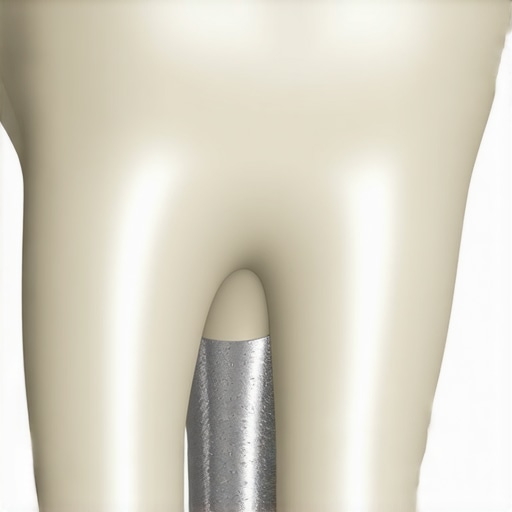
Run your tongue over the area. Does it feel smooth, or do you catch a sharp edge? Sometimes the failure isn’t deep; it’s a ditching around the margins where the filling meets the tooth. You can actually feel these tiny canyons with your tongue before you ever see them in a mirror. This is where preventive tips for long-lasting dental health for families come into play—catching these rough edges early means we can often just polish them down rather than drilling out the whole thing. If your tongue keeps going back to a rough spot like a magnet, your body is trying to tell you that the seal is broken.
Is That a Coffee Stain or a Real Hole?
I used to stare into my 10x magnifying mirror trying to figure out if a dark spot on my molar was a cavity or just too much espresso. It’s a common dilemma. Generally, a stain is flat and doesn’t change the texture of the tooth. A failing filling, however, often shows shadowing underneath the surface. If you see a dark gray or black halo around the edges of a white filling, that’s usually bacteria that has managed to sneak underneath the material. Learning how to tell the difference between a cavity and a tooth stain can save you a lot of anxiety, but that shadow is a red flag you shouldn’t ignore. When that seal breaks, the tooth becomes vulnerable to internal decay that moves much faster than surface cavities because it’s protected from your toothbrush.
Why Skipping Your Cleaning Is a Massive Gamble
Many of us view the dental chair as a place to go only when things hurt. But by the time a failing filling hurts, you’re often looking at a crown or a root canal instead of a simple replacement. I learned the hard way that how regular dental cleanings can save you money in the long-run isn’t just a marketing slogan. During a professional cleaning, we use specialized explorers that can feel stickiness in a filling that you can’t perceive. We also use high-resolution digital imaging to see if the bond between the tooth and the composite has separated. If we catch it when it’s just a tiny leak, the fix is quick and relatively inexpensive compared to the alternative.
Upgrade the Tech Before the Old Stuff Fails
If you still have those silver amalgam fillings from the 90s, they are essentially ticking time bombs for cracks. Metal expands and contracts at a different rate than your natural tooth structure when you drink hot coffee or cold water. Over twenty years, that constant pumping action acts like a wedge, eventually splitting the tooth. This is why many people are now following the protocol for replacing an old silver filling with a tooth colored one proactively. These modern materials actually bond to the tooth, strengthening the overall structure rather than just sitting in a hole and waiting for pressure to break the walls. I replaced my old silver ones three years ago, and the peace of mind knowing my teeth aren’t going to snap while eating a sandwich is worth every penny.
Why that ‘painless’ filling is actually a ticking time bomb
I’ve seen it a hundred times: a patient comes in for a routine checkup, feeling absolutely no pain, only to be shocked when I point out a failing restoration. The biggest myth in dentistry is that pain is the only indicator of a problem. In reality, pain is often the very last symptom to appear. By the time you feel that sharp zing, the bacteria have usually already reached the inner pulp of the tooth. We often talk about oral health myths debunked what you need to know in 2025, and the ‘no pain, no problem’ mentality is at the top of the list. A ‘silent’ failure happens when the material undergoes marginal degradation—a fancy way of saying the edges are crumbling. According to research published in the Journal of Dentistry, recurrent decay at the margins is the leading cause for replacing composite resins, and it often occurs without a single warning shot from your nerves.
The ‘Mirror Trap’ You Should Avoid at All Costs
One of the most dangerous things you can do is try to self-diagnose using a bathroom mirror and a toothpick. I call this the ‘Oops’ factor of home care. Many people see a slight discoloration and assume it is just a coffee stain, or they use whitening strips to try and ‘clean up’ a gray-looking tooth. But if that grayness is coming from inside the tooth, you are just masking a serious structural issue. While the science behind teeth whitening achieve stunning results fast is incredible for healthy enamel, applying those chemicals to a tooth with a compromised filling can actually drive sensitivity through the roof. You aren’t just whitening your smile; you might be irritating an already exposed nerve.
#IMAGE_PLACE_HOLDER_C#
Why does my tooth look dark even though the filling feels solid?
This is the question that separates the pros from the beginners. If you notice a dark shadow creeping under a white filling, you are likely seeing ‘shadowing.’ This occurs when the bond between the resin and your tooth has failed, allowing debris or bacteria to get trapped behind the translucent material. It is a nuance that often gets ignored because ‘it doesn’t hurt yet.’ But ignoring this shadow is like ignoring a termite wing on your windowsill; the structural damage is happening where you cannot see it. This is why how regular teeth cleaning can prevent major dental issues is so vital—we use transillumination to see these shadows before they turn into fractures.
Think Beyond Just Plugging the Hole
When we talk about cosmetic dentistry innovations you cant miss this year, it is not just about looks; it is about better bio-mechanical engineering. Modern materials are designed to mimic the natural flex of your teeth, which prevents the ‘wedge effect’ that caused so many of those old silver fillings to fail eventually. If you are constantly feeling like the reason your bite feels off after getting a new filling is a recurring issue, it might be time to look at the material integrity rather than just the placement technique. Have you ever fallen into this trap of waiting for the pain to start before calling the dentist? Let me know in the comments!
Once you’ve identified that a restoration might be failing, the next step isn’t just fixing it—it’s ensuring the next one lasts twice as long. I’m a bit of a nerd when it comes to my sink-side setup because I’ve realized that the tools we use at home are the primary defense against the recurring decay that claims so many fillings. I used to think a standard manual toothbrush and a bit of floss was enough, but my own dental history proved me wrong. If you want to avoid the cycle of constant repairs, you need to think like a professional. Utilizing maintaining oral health expert advice for a lifetime of healthy teeth starts with the right mechanical disruption of bacteria.
Ditch Your Manual Brush Before It Drains Your Wallet
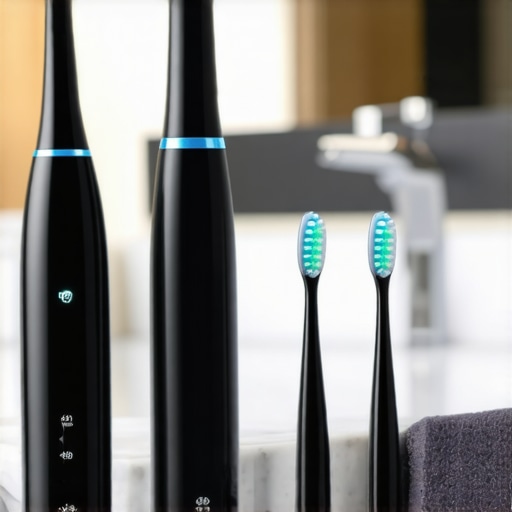
The single most important upgrade I ever made was switching to a sonic electric toothbrush. Specifically, I use a model with a pressure sensor. Why? Because most people with a history of fillings tend to over-brush, scrubbing the gum line so hard that they create ‘recessions’ which expose the vulnerable margins of their dental work. A sonic brush doesn’t require you to move your hand in a scrubbing motion; the vibrations do the work. Dr. Sebastian Schlafer from Aarhus University has noted in his research on biofilm architecture that these high-frequency vibrations are uniquely capable of disrupting the sticky matrix of bacteria that standard bristles often just glide over. By using smile bright revolutionary teeth cleaning techniques for 2025, you are essentially performing micro-maintenance every morning.
How do I keep these dental repairs lasting for decades?
Maintenance is less about hard scrubbing and more about precision. I highly recommend adding a water flosser to your routine, especially if you have older crowns or bridges. Traditional string floss is great for tight contacts, but it often misses the tiny ‘nooks’ where a filling meets the natural tooth structure. A water flosser at a medium setting can flush out debris from these micro-gaps that you can’t even see. This level of detail is exactly the ultimate guide to teeth cleaning techniques and benefits in practice. I predict that in the next few years, we will see ‘smart’ fillings made of bioactive glass that can actually heal themselves by releasing calcium, but until that technology is standard, your water flosser is your best friend. Furthermore, understanding how regular dental cleanings can save you money in the long-run is vital because no home tool can replace the high-pressure airflow systems we use in the office to blast away calcified plaque. If you want to get serious, try one specific tip: swap your standard floss for a high-quality water flosser for 30 days and watch how much your gum inflammation drops during your next checkup.
The Secret Role of pH Balancing in Your Routine
We often focus so much on the ‘cleaning’ part that we forget about the chemistry of our mouths. If your mouth is constantly acidic—perhaps from sipping coffee all morning or dealing with dry mouth—your fillings will fail faster regardless of how much you brush. Acid softens the bond between the resin and your enamel. I personally use an alkaline mouth rinse after my morning coffee to neutralize those acids immediately. This is one of the top 5 secrets to maintaining perfect oral health as a family that most people overlook. It’s a simple, thirty-second habit that protects the integrity of every restoration in your mouth.
The Hardest Lessons My Teeth Taught Me About Waiting Too Long
After years of ‘watching’ spots that eventually turned into expensive procedures, I’ve realized that a ‘silent’ tooth is rarely a healthy one. If I could go back, I would have stopped treating my dental visits like an optional chore and started seeing them as a preservation strategy. One lightbulb moment for me was discovering that top 5 secrets to maintaining perfect oral health as a family often involve just being more observant of the small stuff before it hurts. Another lesson? The material of your filling is just as important as the person who places it; investing in high-quality resin from the start saves you from a decade of ‘re-filling’ the same hole. I’ve learned that the cost of a routine checkup is a fraction of the cost of an emergency crown, every single time.
The Everyday Gear I Trust for a Bulletproof Smile
I’m incredibly picky about what stays on my bathroom counter because I want my dental work to last decades, not years. First, a sonic toothbrush is non-negotiable—it cleans the tiny margins where my fillings meet my natural enamel significantly better than any manual brush ever could. Second, I swear by a high-capacity water flosser for flushing out those tight contacts where food loves to hide. Finally, I always keep an alkaline rinse nearby to neutralize acidity after meals. Using maintaining oral health expert advice for a lifetime of healthy teeth means choosing tools that work with your biology, not against it. If you are interested in the latest tech, keep an eye on cosmetic dentistry innovations you cant miss this year to see how much easier it is getting to keep your smile intact and healthy.
Take Control of Your Smile Today
It is never too late to stop the cycle of ‘fix and repeat.’ By paying attention to the subtle signals your body sends and staying ahead of decay with professional guidance, you can keep your natural teeth for a lifetime. Remember, understanding how regular dental cleanings can save you money in the long-run is your strongest defense against unexpected dental emergencies. Your oral health is an investment in your overall quality of life, and you deserve a smile that feels as good as it looks. Have you noticed any of these ‘silent’ warning signs like a metallic taste or a rough edge in your own mouth recently? Let me know in the comments below!