
I was leaning in close to the bathroom mirror, toothpick in hand, convinced I’d finally caught that stubborn piece of pepper from lunch. I poked. I prodded. I nearly made myself bleed. But the ‘pepper’ didn’t move because it wasn’t food at all. It was a tiny, shadowy gap right at the base of my two front teeth. That was my first introduction to the ‘black triangle,’ and honestly, it felt like my smile was suddenly starting to deflate. I spent weeks trying to scrub it away, thinking it was just a stain, but I only made matters worse. My ‘neighborly’ advice? Don’t do what I did. Brushing harder isn’t the answer, and today, I’m going to show you exactly how we can actually close that gap and get your confidence back.
That Tiny Black Gap Is Not Just You
It’s called an open gingival embrasure, but let’s just stick to ‘black triangles’ because that’s what they look like. I used to think I was the only one dealing with this until I realized how common it actually is as we get older or after we finish orthodontic work. These gaps happen when the gum tissue—that little pink triangle called the papilla—recedes or doesn’t quite fill the space between the teeth. Early on, I made the huge mistake of thinking aggressive flossing would ‘stimulate’ the gums back into place. Instead, I was just contributing to gum recession by traumatizing the tissue. If you’ve noticed these shadows appearing, you aren’t failing at hygiene; in fact, fixing the black triangles appearing between your teeth is one of the most common requests in modern clinics. According to the Journal of Clinical and Diagnostic Research, nearly 67% of adults over the age of 20 have some form of these gaps. It’s a natural part of dental evolution for many, but that doesn’t mean you have to live with it.
Is fixing this actually worth the hassle?
You might be wondering if this is just about vanity. I’ll be the first to tell you: it’s not. While transforming your smile with cosmetic dentistry is a huge confidence booster, these triangles are notorious food traps. Every time I ate a seeded bagel, I spent the next twenty minutes in the bathroom. If you leave them alone, they can become magnets for plaque, which eventually leads to more serious issues. Have you noticed yourself hiding your smile in photos lately because of these tiny shadows? If so, you’re exactly where I was a few years ago. We’re going to look at the real, practical ways to fill those gaps—from simple bonding to more advanced options—without the guesswork I struggled with. Maintaining perfect oral health as a family means catching these small changes before they become big headaches.
The Injection Molding Method That Rebuilds Your Smile
The first time my dentist pulled out a Bioclear matrix, I thought he was about to do a craft project on my incisors. It looked like a tiny, transparent funnel. But that is the core of the modern approach. Instead of just slapping on some resin—which often results in a ledge that catches more food—the dentist wraps the tooth 360 degrees. Think of it like putting a custom-fitted suit on your tooth. When I had this done, the result was a smooth, monolithic surface that allowed the gum tissue to actually rest comfortably against the new shape. This technique uses a warmed composite material that flows into these clear forms, creating a seamless transition from your natural tooth to the filler. If you have been researching how to fix the black triangles appearing between your teeth, this is often the gold standard because it preserves more of your natural enamel than traditional methods. 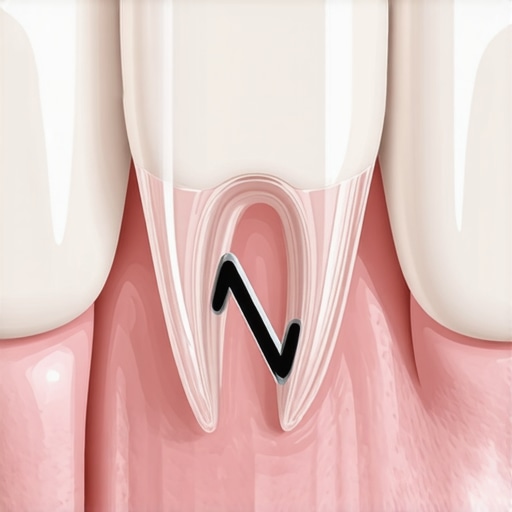
The Magic of the Clear Matrix
The matrix acts as a mold that guides the composite precisely into that triangular void. I remember the odd sensation of the warm resin—it felt like a tiny, warm hug for my tooth—and within minutes, that shadow I had hated for years was gone. Because the surface is polished to a high shine, it resists staining much better than the ‘bonding’ of a decade ago.
Why Moving Your Teeth Might Be the Better Option
Sometimes the problem isn’t just missing gum tissue; it’s the actual shape of the teeth. Some teeth are shaped like bells—wide at the biting edge and narrow at the root. If you have already gone through braces and still see gaps, your dentist might suggest interproximal reduction (IPR). It sounds intense, but it’s really just about removing a ‘sliver’ of enamel—about the thickness of a piece of hair—from the sides of the teeth. By flattening those rounded edges, the teeth can be pulled closer together with clear aligners, naturally squeezing the gap shut. This is a common part of cosmetic dentistry innovations you can’t miss this year because it solves the structural root of the problem without adding any artificial material.
When Porcelain Covers What Bonding Cannot
If your teeth have other issues, like chips or heavy staining, you might look into contouring and veneers. This isn’t just about hiding the gap; it’s about a full structural reset. I have seen people go from hiding their mouths to beaming because they opted for a solution that treats the whole smile as one unit. Veneers are custom-made shells that sit over the front of the tooth, and they are designed to flare out slightly at the base to ‘plump up’ the area where the gum has receded.
Keeping the Gaps Closed for the Long Haul
Once those gaps are filled, your job is to keep the foundation healthy. I had to relearn the ultimate guide to teeth cleaning techniques because aggressive scrubbing is what got me into trouble in the first place. Use a soft-bristle brush and aim it at a 45-degree angle toward the gum line. For those of us with families, teaching preventive tips for long-lasting dental health is vital. You want to avoid the ‘sawing’ motion with floss, which can act like a blade against your papilla. Instead, use a gentle ‘C’ shape to wrap around the tooth. Utilizing revolutionary teeth cleaning techniques for 2025, such as water flossers on a low setting, can keep those newly closed areas free of plaque without traumatizing the delicate tissue.
Most people think that if they just keep their teeth ‘squeaky clean,’ those pesky black triangles will eventually resolve themselves or at least stop growing. But here is the contrarian truth: your obsession with hyper-cleanliness might be the very thing keeping those gaps open or making them worse. We often hear about the benefits of the ultimate guide to teeth cleaning techniques, but we rarely talk about ‘dental over-treatment’ at home. If you are using a medium or hard-bristled brush to ‘get deep’ into those gaps, you are likely scrubbing away the delicate keratinized tissue that is trying to heal. In my experience, patients who switch to gentle teeth cleaning best practices for sensitive gums often see a stabilization of their gum levels that aggressive brushers never achieve.
Can your gums actually regenerate once the triangle appears?
This is the question that separates the beginners from the experts. Many believe that gum tissue is like skin—that it will just grow back if you leave it alone. Unfortunately, gum tissue (specifically the interdental papilla) is more like a biological ‘filling.’ It relies entirely on the height of the bone underneath it. According to a landmark study published in The Journal of Periodontology, if the distance from the point where your teeth touch to the top of the bone is 5mm or less, the gum will almost always fill that space. If it’s 6mm or more, your chances of a ‘natural’ fill drop significantly. This is why maintaining oral health with expert advice is so critical; once that bone height is lost, the ‘scaffolding’ for your gums is gone.
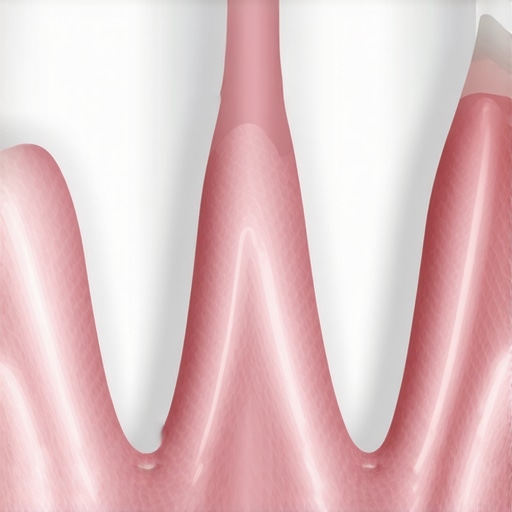
One of the biggest ‘oops’ factors I see involves the misuse of interdental brushes. While they are great for cleaning, choosing a size that is too large and forcing it through a small gap can cause mechanical ‘blunting’ of the papilla. It’s a classic trap: you think you’re being proactive about how regular teeth cleaning can prevent major dental issues, but you’re actually creating a permanent indentation in the tissue. I’ve seen this happen most often when people buy those cheap, generic plastic picks and ‘saw’ at the base of their teeth. Instead, look for revolutionary teeth cleaning techniques for 2025 that focus on ultrasonic vibrations or specialized soft-picks that don’t apply lateral pressure to the gum.
When we look at oral health myths busted for every family, the most dangerous one is that cosmetic fixes are ‘one and done.’ Whether you choose Bioclear, bonding, or contouring and veneers, these materials require a different hygiene protocol than natural enamel. Composite resin, for instance, can be slightly more porous than enamel, meaning it can pick up stains from your morning coffee faster if you aren’t careful. For those looking at transforming your smile with cosmetic dentistry, you must commit to a specialized maintenance routine to keep the edges of that restoration from becoming a new site for decay. Have you ever fallen into the trap of thinking harder brushing equals a healthier smile? Let me know in the comments, and let’s talk about how to pivot to a gentler, more effective routine for long-lasting dental health for your family.
My go-to kit for a gap-free smile
After my own journey with those pesky shadows, I realized that the standard drug-store toothbrush wasn’t going to cut it anymore. I switched to the Curaprox CPS prime interdental brushes because they have a super-fine surgical wire core that enters the gap without putting lateral pressure on the papilla. If you’ve been reading up on gentle teeth cleaning best practices for sensitive gums, you know that the goal is to clean, not to crush. I also integrated a high-end water flosser. Why? Because it reaches those tiny embrasures where traditional floss can sometimes shred, especially if you have had contouring and veneers done. It is about using hydro-pressure to flush out debris, rather than mechanical friction that could wear down your restoration over time.
How do I maintain these results for the next decade?
Maintenance is never a set-it-and-forget-it situation. According to the American Academy of Cosmetic Dentistry (AACD), the longevity of composite-based fixes like Bioclear depends heavily on your dietary habits and the pH level of your saliva. I personally use a neutral sodium fluoride gel once a week to keep the margins of my restorations strong and resistant to decay. You also want to avoid highly abrasive toothpastes—anything with a high RDA (Relative Dentin Abrasivity) score will eventually dull the polish of your new smile. This is where maintaining oral health with expert advice becomes a financial decision too, as regular dental cleanings can save you money in the long run by catching microscopic chips before they lead to full restoration failure. 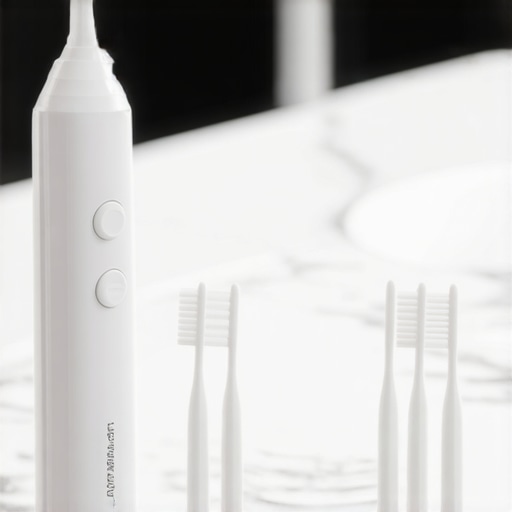
Why the future of gum health is biological
I am predicting a massive shift in how we handle these gaps by 2030. We are already seeing the early stages of bioactive materials that actually encourage the gum tissue to ‘crawl’ back up the tooth. Instead of just filling the space with plastic or porcelain, we might soon be using 3D-printed scaffolds infused with growth factors. This is the next frontier of cosmetic dentistry innovations you can’t miss this year and beyond. For now, focus on building a foundation of healthy smiles for all ages within your household by practicing the right techniques. If you’re serious about your results, swap your hard brush for a high-quality electric one with a pressure sensor today. It’s the single best way to ensure you aren’t accidentally scrubbing away your progress. Check your current toothpaste’s RDA score tonight—if it’s over 100, it’s time to find a gentler alternative for your cosmetic work.
The Hard Truth About My Battle with Dental Shadows
Looking back at my journey with those tiny gaps, I realized that my biggest enemy wasn’t the food stuck in my teeth—it was my own impatience. I used to think that if I could just see more pink gum, I was winning, but I was actually losing the war. One thing experts won’t always lead with is that your bone health is the silent architect of your smile. If you neglect the foundation, even the most expensive transforming your smile with cosmetic dentistry won’t last. I also learned that the ‘black triangle’ isn’t just a physical gap; it’s a mental hurdle that makes you second-guess every laugh. My lightbulb moment came when I stopped trying to ‘fix’ my gums and started focusing on maintaining oral health with expert advice. It’s about preservation, not just reconstruction.
The Toolkit That Actually Preserves Your Results
I’ve tested dozens of gadgets, but these are the ones I swear by to keep my smile intact. First, I traded my manual brush for one with a pressure sensor. It’s the only way to ensure you aren’t over-brushing. Second, I’m a huge advocate for specialized interdental cleaners that don’t use harsh metal. Understanding how regular teeth cleaning can prevent major dental issues starts with using the right tools for your specific anatomy. #IMAGE_PLACEHOLDER_E# I also keep a copy of my dentist’s recommended hygiene protocol on the inside of my medicine cabinet—it sounds overkill, but it keeps my foundation of healthy smiles for all ages strong and consistent.
Give Your Smile the Grace It Deserves
If you are tired of seeing those shadows, remember that you have more options today than ever before. Whether you choose Bioclear, aligners, or contouring and veneers, the goal is the same: a smile that makes you feel like yourself again. Don’t let a tiny gap steal your joy or your confidence. By focusing on modern oral health myths busted for every family, you can move past the fear and into a solution that works. Your journey to a fuller, healthier smile is just one conversation away. Have you ever avoided smiling for a photo because of a dental gap you weren’t sure how to fix? Let me know in the comments below!