
I’ll never forget the ‘Salsa Incident of 2019.’ I was at a neighborhood potluck, feeling bold, and took a massive chip-full of a ghost pepper blend. Within seconds, my entire mouth felt like it was being scorched by a blowtorch. I panicked. I grabbed the nearest glass of iced tea and gulped it down, only to realize I’d just spread the fire everywhere. It was a miserable hour of panting and regret. Have you ever been there, desperately wondering if your tongue would ever feel normal again? If so, you’re not alone. We’ve all been seduced by the heat, only to be betrayed by the burn. Today, I’m going to explain exactly what’s happening in your mouth and how you can manage that fiery sensation without losing your cool.
The Sneaky Way Spicy Food Tricks Your Brain Into Feeling Heat
It turns out, your mouth isn’t actually ‘burning’ in the sense of a thermal injury. When I first started looking into this, I made the huge mistake of thinking I was physically blistering my tongue. I wasn’t. The culprit is a molecule called capsaicin. It binds to your TRPV1 receptors—these are the same sensors that tell your brain when something is physically too hot to touch. According to research from the National Institutes of Health, these receptors are meant to detect heat and pain to protect us from harm. Spicy food simply ‘tricks’ them into sending a panic signal to your brain. I used to think my sensitivity was just a sign of ‘weakness,’ but it’s actually just biology. However, if that burning sensation lingers or feels different than a ‘spicy burn,’ you might be dealing with something else, like common oral health myths that suggest everything is fine when it might not be. Sometimes, what we think is a food reaction is actually related to why your mouth feels like it is on fire after eating spicy food and how your nerves are reacting.
Will a love for habaneros actually ruin my teeth?
This is a big one. I get asked all the time if eating ‘hot’ food is going to melt your teeth. The short answer? No. Capsaicin itself isn’t acidic enough to strip your enamel. The danger usually comes from what we drink to stop the burn—like sugary sodas or highly acidic juices. If you’re worried about your smile’s appearance after a few too many spicy meals, checking out cosmetic dentistry trends can help you see how to keep things bright. Or, if you’ve noticed your mouth feels off for other reasons, you might want to look into why your mouth feels dry even when you’re hydrated. We need to talk about the ‘water trap.’ I used to reach for a cold bottle of water immediately. That was my biggest rookie mistake. Since capsaicin is oil-based, water just moves the oil around, spreading the ‘fire’ to every corner of your gums and cheeks. It’s like trying to put out a grease fire with a garden hose. If you’ve been struggling with gum sensitivity after these spicy adventures, learning how to soothe your gums is a total game-changer. Have you ever made the mistake of drinking water to stop a spicy burn, only to have it backfire? Let me know in the comments!
Reach for Casein to Break the Capsaicin Bond
Since capsaicin is a non-polar molecule, it only dissolves in other non-polar substances. Think of it like grease on a frying pan; you need more than just water to scrub it off. Dairy products contain a protein called casein, which acts like a biological detergent. It literally surrounds and pulls the capsaicin molecules away from your pain receptors. During that 2019 salsa disaster, I eventually found a bowl of sour cream. I didn’t just eat it; I let it sit on my tongue for a full minute. The relief was almost instant because the casein broke the chemical bond that water couldn’t touch. If you find that your mouth feels tender long after the heat dies down, you might need gentle teeth cleaning best practices for sensitive gums to ensure you aren’t aggravating already irritated tissue.
Rice and Bread Work Like a Tactical Sponge
If dairy isn’t an option, your next best bet is a bulky starch. Bread, rice, and even crackers provide a physical barrier between the spice and your receptors. I remember a Thai curry night where I was sweating through my shirt and didn’t have a drop of milk in the house. I shoved a massive spoonful of plain white rice into my mouth and held it there. It didn’t ‘neutralize’ the chemistry like milk does, but it absorbed the oils and gave my receptors a much-needed break from the direct contact. This is a common tactic used in family dentistry education to help kids manage unexpected food reactions without panic. 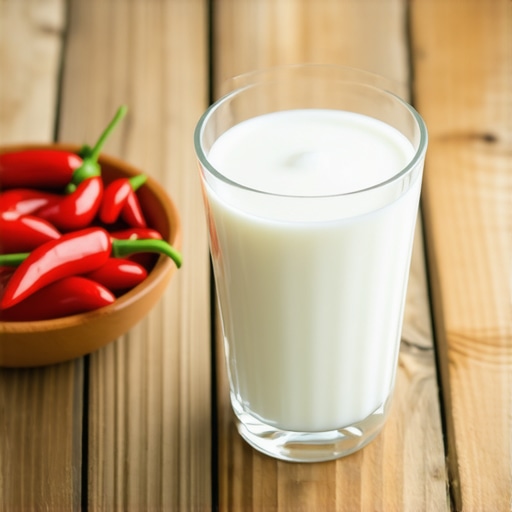
Wait Before You Brush to Save Your Enamel
Here is the part where most people mess up their long-term oral health. After a spicy meal, your mouth is often highly acidic, especially if you’ve been drinking margaritas or sodas to cope. If you brush your teeth immediately, you are essentially scrubbing that acid directly into your enamel. I learned this the hard way after a week-long ‘hot sauce challenge’ left my teeth feeling incredibly sensitive. I was over-brushing to get the taste out. Instead, rinse with plain water first, then wait at least thirty minutes for your saliva to re-mineralize your teeth. If you’ve already caused some wear, you can look into maintaining oral health through professional intervention.
How to Soothe the Lingering Irritation
Sometimes the burn isn’t just on the tongue; it spreads to the gums and the roof of the mouth. When the capsaicin finally clears out, the area can remain inflamed for hours. I’ve found that using a very soft-bristled brush and lukewarm water is the only way to clean up without triggering a second wave of pain. If your gums feel particularly raw, knowing the best way to soothe your gums can provide relief techniques that apply to spice-induced irritation as well. It’s also important to stay hydrated, but avoid the trap of thinking hydration alone fixes the burn. Many people find that their mouth feels dry even when they drink plenty of water, which can make the spicy sensation feel twice as intense. Keep the moisture up, but keep the dairy or starches handy for the actual heavy lifting.Let’s dig deeper into the ‘whitening trap’ that many spice lovers fall into. When you eat foods heavy in turmeric or paprika, the first instinct is often to reach for a whitening toothpaste to prevent staining. However, this is a classic rookie mistake that can lead to permanent damage. Most whitening toothpastes are highly abrasive, designed to physically sand off surface stains. When your oral tissues are already sensitized by capsaicin, these abrasives can cause micro-trauma to your gums and accelerate enamel thinning. In my experience, patients who use ‘extra whitening’ formulas after eating spicy, acidic foods often report significantly higher levels of sensitivity. It’s a better strategy to look into oral health myths debunked to see why aggressive whitening isn’t always the answer. 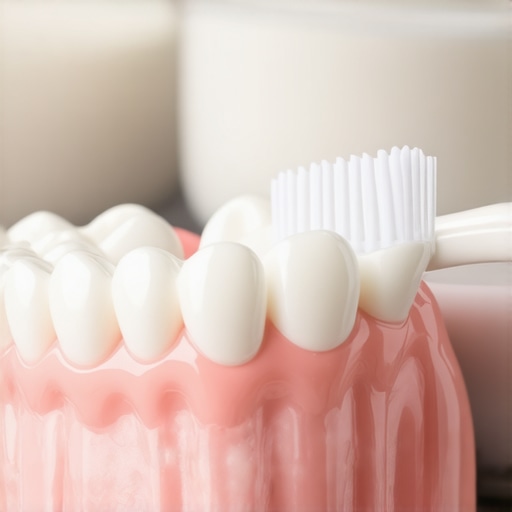
Stop Scrubbing Your Enamel Away After the Burn
A major ‘oops’ factor I see is people brushing with a heavy hand because they want the lingering spice taste gone. According to a study published in the Journal of the American Dental Association (JADA), over-aggressive mechanical brushing is a primary driver of non-carious cervical lesions, especially when the mouth’s pH is already lowered by acidic sauces or citrus-heavy marinades. Instead of trying to ‘clean’ the heat away, you should focus on gentle teeth cleaning best practices for sensitive gums. This allows your saliva to naturally neutralize the acid before you introduce any mechanical friction.
Does the acidity in hot sauce permanently damage dental work?
This is a sophisticated concern for anyone with crowns or veneers. While the porcelain itself is incredibly resistant to capsaicin and acids, the real danger is the ‘marginal seal’—the microscopic line where your restoration meets your natural tooth. Spicy oils can get trapped in the gingival sulcus, causing inflammation that leads to gum recession over time. If the gum line recedes, the edge of your crown is exposed, making it vulnerable to decay. This is one of the many reasons how regular teeth cleaning can prevent major dental issues by keeping those margins pristine and monitoring for early signs of recession.
The Hidden Reality of Oil Pulling and Spice
I often hear that ‘oil pulling’ is the ultimate hack for spice because oil dissolves capsaicin. While the truth about oil pulling is complex, it’s not a substitute for the biological chemistry of casein found in dairy which actually unbinds the molecule from your receptors. If you want a bright smile without the abrasion of charcoal or baking soda after a meal, you’re better off exploring cosmetic dentistry innovations that protect your enamel rather than stripping it. Have you ever fallen into this trap of over-cleaning after a spicy meal? Let me know in the comments! For more sustainable care, look into maintaining perfect oral health as a family to build better habits for everyone.I’ve spent years experimenting with every high-tech dental gadget on the market, trying to find the perfect balance between ‘clean’ and ‘safe.’ After my spice-induced sensitivity episodes, I realized that my old manual toothbrush was more like a scouring pad than a cleaning tool. I switched to a high-quality electric toothbrush with a built-in pressure sensor—specifically, one that flashes red when I’m pressing too hard. This is crucial because when your gums are irritated by acidity or heat, your tactile sense is often dulled, making it easy to cause recession without even feeling it. If you’ve ever wondered why your gums are receding only on one side of your mouth, it’s often due to this uneven, aggressive pressure.
The Toolset for a Lifetime of Spicy Food and Bright Smiles
Beyond the brush, my absolute non-negotiable is a high-end water flosser. While traditional floss is great for tight contacts, the water flosser is king at flushing out the residual oils and food particles trapped under the gum line after a heavy meal. This is especially vital if you have any work done, as it helps you avoid the hidden reason your dental bridge feels loose, which is often plaque buildup at the margins. For those seeking long-term success, I recommend looking into expert advice for a lifetime of healthy teeth to understand how these tools fit into a broader strategy. I also keep a stash of pH-neutralizing oral mists. These are a lifesaver when I’m out at a restaurant and can’t rinse immediately. They help bring the mouth’s chemistry back to a safe level, protecting the enamel until I can get home.
How do I maintain my dental health over the long haul?
Consistency trumps intensity every single time. It’s not about how hard you scrub today; it’s about the teeth cleaning techniques you apply daily for the next twenty years. You have to treat your mouth like a fine-tuned engine. This means scheduling professional check-ups to catch issues before they turn into emergencies. I’ve seen so many people try to save a few bucks by skipping visits, but how regular dental cleanings can save you money is a reality they only realize after a root canal bill arrives. 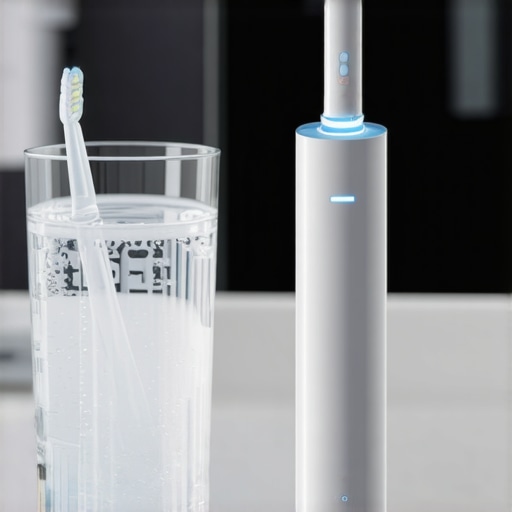
Smart Tech and the Future of Your Mouth
I predict that within the next five years, we’ll all be using smart toothbrushes that analyze our saliva for inflammation markers in real-time. We are moving away from ‘one-size-fits-all’ care and toward a personalized microbiome approach. This is why staying updated on cosmetic dentistry trends and new tech is so helpful—it keeps you ahead of the curve. According to technical standards like ISO 11609, which regulates the Relative Dentin Abrasivity (RDA) of toothpastes, using a paste with an RDA under 70 is ideal for maintaining the integrity of your restorations and natural enamel. Most ‘whitening’ pastes score well over 100, which is why I often suggest family dentistry tips that focus on non-abrasive care. If you really want to step up your game, try swapping your morning coffee for green tea once a week; the catechins can actually inhibit the growth of cavity-causing bacteria. Give it a shot and see if you notice a difference in how clean your teeth feel by mid-afternoon!
What My Most Painful Spicy Food Fails Taught Me
Looking back at my history with hot sauces, I’ve realized that the biggest mistake isn’t eating the spice—it’s how we react to the aftermath. First, I learned that silence is often better than scrubbing; letting your saliva do its job for thirty minutes is more effective than any emergency brushing session. Second, I’ve found that oral health myths busted by actual science are the only things that save your enamel when pH levels drop. Finally, I’ve accepted that my tongue needs a different kind of care than my teeth; for instance, learning the best way to clean your tongue without triggering a gag reflex is essential for removing those lingering spicy oils without making the experience miserable.
#IMAGE_PLACEHOLDER_E#
The Survival Gear I Keep in My Medicine Cabinet
If you want to live a life full of flavor without sacrificing your smile, you need a specialized toolkit. I swear by my water flosser for its ability to reach deep into those gingival pockets where oils hide. I also highly recommend looking into teeth cleaning secrets that focus on efficiency over aggression. My go-to resources include the ADA’s guide to toothpaste abrasivity and the ultimate guide to teeth cleaning techniques and benefits to ensure my daily routine is actually helping, not harming. These aren’t just gadgets; they are the gatekeepers of your long-term dental integrity.
Keep Seeking the Heat with Confidence
You don’t have to choose between a love for spicy food and a healthy, radiant smile. By understanding the chemistry of capsaicin and the vulnerability of your enamel, you can enjoy every bite without the lingering fear of sensitivity or damage. Taking care of your oral health is a lifelong journey, but it’s one that allows you to fully experience the world of culinary heat. Don’t be afraid to experiment, just remember to keep your milk handy and your toothbrush at bay for a few minutes. Have you ever had a spicy meal that left your mouth feeling sensitive for days afterward? Let me know how you handled it in the comments below!