
I stood in front of my bathroom mirror, staring at that dark, empty space where my molar used to be, feeling like a bit of a failure. When my dentist first told me the tooth had to go, I immediately spiraled into a Google-fueled panic about titanium screws and months of recovery. The truth is, I was terrified of getting an implant. It wasn’t just the cost—though let’s be real, those price tags are eye-watering—it was the thought of such an invasive surgery. For months, I just lived with the gap, whistling accidentally when I spoke and avoiding crunchy bread like it was my job. But then I noticed something scary: my other teeth were starting to tilt into the empty space. I made a classic mistake by waiting too long, thinking a missing back tooth didn’t matter as much as a front one.
Stop Worrying About Surgery and Focus on These Alternatives
Once I realized that doing nothing was actually destroying my bite, I started hunting for every possible way to replace a missing front tooth without damaging the neighbors or resorting to surgery. Most people think it is an implant or nothing, but that simply is not true. My journey led me through the world of dental bridges and partials, and I learned that you can get your confidence back without a single drill hitting your jawbone. Today, I want to share exactly how I navigated these choices and what actually worked for my lifestyle. Have you ever felt like you were being backed into a corner by a treatment plan that felt too intense for you? Drop a comment below; I’d love to know I wasn’t the only one feeling that way.
Do These Non-Implant Methods Actually Hold Up Over Time?
This was my biggest fear. I didn’t want to spend money on a quick fix that would fall apart in two years. According to research published in the Journal of Oral Rehabilitation, fixed partial dentures (bridges) can have a survival rate of over 90% after ten years if maintained properly. That gave me the peace of mind I needed to move forward. I had to decide if the best way to choose between an implant and a partial was based on my budget or my long-term comfort. I even looked into temporary solutions like the reality of snap-on smiles just to see if I could hide the gap while I saved up for a more permanent bridge. It turns out, there are several solid paths to a full smile that don’t involve the operating table, and I’m going to break them down for you so you don’t make the same ‘wait-and-see’ mistake I did.
I remember sitting in that oversized leather chair, gripping the armrests while my dentist explained that a dental bridge is essentially a structural beam for your mouth. If the ‘abutment’ teeth—the ones on either side of the gap—aren’t rock-solid, the whole project is a wash. It’s like building a suspension bridge on shifting sand. This was my wake-up call that maintaining oral health is the foundation for any cosmetic fix. Before you even look at hardware, you have to ensure your gums are healthy enough to support the weight of a replacement.
Pick the Right Foundation Before You Commit to a Bridge
The first step isn’t picking a tooth shade; it’s a rigorous cleaning and assessment. You can’t put a new roof on a house with a crumbling foundation. I had to undergo a deep cleaning to make sure my neighboring teeth were fit for duty. This is where how regular teeth cleaning can prevent major dental issues becomes your best friend. My dentist used the analogy of a tripod: if one leg is weak, the whole thing topples. We spent two weeks just getting my gums into ‘Olympic shape’ before we even talked about the bridge itself.
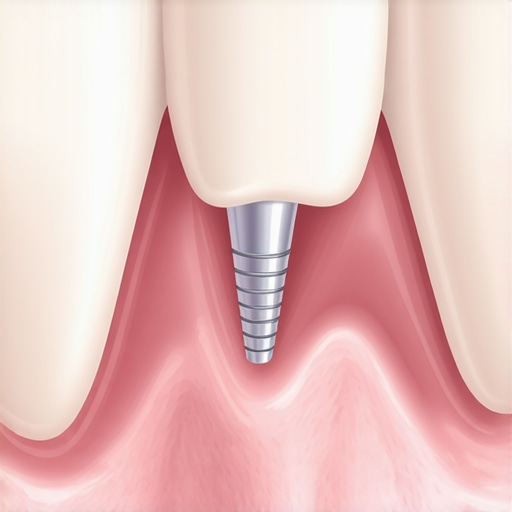
Prepare Your Neighboring Teeth Without Losing Your Mind
Once your health is cleared, the actual ‘work’ begins. For a traditional bridge, the teeth on either side of the gap are reshaped to serve as anchors. I’ll be honest: watching your healthy teeth get shaved down feels counterintuitive. It felt like I was sacrificing two good soldiers to save one fallen comrade. But this is where cosmetic dentistry innovations you can’t miss this year have changed the game. Modern materials are so strong that they require much less ‘shaving’ than they used to in the old days of thick porcelain-fused-to-metal crowns.
Master the Learning Curve of Your New Smile
The day I got my permanent bridge, I thought I was done. I was wrong. The ‘meat’ of the process is actually the adaptation phase. For the first 48 hours, my bite felt like I had a marble stuck in my mouth. I kept accidentally biting my cheek because my brain hadn’t mapped out the new tooth yet. This is a common hurdle, and it’s why understanding the ultimate guide to teeth cleaning techniques and benefits is crucial—you have to learn to clean *under* the bridge using floss threaders. The first time I tried it, I was a mess; I poked my gums until they bled and almost threw the threader across the room in frustration. But once you get the rhythm, it becomes second nature, and you realize that a non-surgical fix can feel just as sturdy as the real thing.
Keep Your New Hardware from Wiggling Loose
Survival of your bridge depends entirely on what you do when you leave the office. I learned the hard way that chewing ice or sticky taffy is a recipe for disaster. You need to know how to tell if your dental bridge is actually loose before it becomes an emergency. I once felt a tiny ‘click’ while eating a bagel and ignored it for a week, only to find out that a small amount of bacteria had started seeping under the crown. Catching it early saved me from a full replacement. Treat your bridge like a high-performance engine: it needs regular oil changes (cleanings) and the right fuel (softer foods) to last for a decade or more.
But even when you have your hardware in place, there is a nuance that even the most diligent flossers often miss: the pH balance of your saliva. It is not just about the mechanical act of cleaning. Most people think that scrubbing harder is the secret to a healthy smile, but that is a dangerous mistake. One of the most common oral health myths debunked is the idea that firm bristles and heavy pressure lead to a cleaner mouth. In reality, aggressive brushing is a top cause of enamel wear and gum recession. A study published in the Journal of Clinical Periodontology confirms that traumatic toothbrushing is a primary factor in gingival recession, particularly when combined with high-abrasion toothpastes. If you are using a ‘medium’ or ‘hard’ brush, you are essentially sandpapering your smile.
Stop Scrubbing Your Enamel Away
The biggest ‘oops’ factor I see in family dental care is the ‘I will wait until it hurts’ mentality. This is a massive trap. By the time a tooth aches, you are usually looking at an expensive root canal rather than a simple filling. This is exactly how regular dental cleanings can save you money in the long run. Preventive care is not about looking for problems that are not there; it is about catching them while they are still invisible to you. Have you ever fallen into this trap of waiting for pain before booking an appointment? Let me know in the comments.
Beyond the tools you use, we also have to address the ‘snacking’ myth. Most people believe that if they brush after a sugary snack, they are safe from cavities. But the real hidden nuance is the duration of the acid attack. Every time you eat, the pH level in your mouth drops, and it stays acidic for about twenty to thirty minutes. If you graze on snacks all day, your teeth are essentially sitting in a continuous acid bath. For parents, understanding this is one of the top 5 secrets to maintaining perfect oral health as a family. It is better for your teeth to eat a chocolate bar in five minutes than to slowly sip on a sugary coffee for two hours.
Can You Over-Whiten Your Teeth Until They Become Translucent?
This is the hidden nuance of the science behind teeth whitening. There is a point of diminishing returns where peroxide starts to compromise the enamel’s structural integrity, making the edges of your teeth look gray or see-through. This phenomenon, often called ‘bleachorexia’ in clinical circles, is why oral health myths busted for families often emphasize that professional supervision is non-negotiable. If you want that high-end look, you have to respect the chemistry of your mouth. I once met a patient who used whitening strips every single day for a month, only to end up with teeth so sensitive they could not even breathe in cold air. Expertise is not just about knowing what to do; it is about knowing when your teeth have reached their physiological limit.
I’ve realized that the ‘set it and forget it’ mindset is the fastest way to end up back in the chair for a revision. Once you have a bridge or a cosmetic restoration, you’ve essentially upgraded your mouth’s hardware, and that requires a new maintenance manual. I used to be a ‘manual brush and string floss’ purist until my dentist showed me the plaque I was missing under a disclosing tablet. That’s when I invested in a high-quality sonic toothbrush. I chose the Philips Sonicare specifically because of its 31,000 brush strokes per minute, which creates fluid dynamics that reach deep between the teeth and under the bridge margins—areas a manual brush simply cannot touch. You really need to dive into the ultimate guide to teeth cleaning techniques and benefits to see what I mean about the mechanical limitations of a manual brush. If you aren’t using something that vibrates at that frequency, you are leaving your expensive dental work at risk of ‘under-the-hood’ decay.
The One Tool That Actually Replaced My Flossing Guilt
I’ll be honest: flossing with a bridge is a chore. Threading that little plastic needle under the prosthetic every night felt like a test of patience I was destined to fail. Then I discovered the water flosser. By using a specialized ‘Plaque Seeker’ tip, I can flush out the gap between the gums and the bridge in about thirty seconds. According to a landmark study in the Cochrane Database of Systematic Reviews, powered toothbrushes and interdental cleaning aids like water flossers significantly reduce gingivitis and plaque over manual methods when used consistently. This isn’t just about convenience; it’s about survival. If you ignore this, the hidden reason your dental bridge feels loose when you chew bread often comes down to the cement bond breaking under the pressure of inflamed, swollen gums. When the gums stay healthy, the bridge stays seated.
How do I maintain my dental bridge over the long haul?
Maintenance is about a two-pronged approach: professional monitoring and at-home vigilance. You have to know how to tell if your dental bridge is actually loose versus just feeling ‘new’ or ‘tight.’ I make it a habit to do a ‘wiggle check’ once a week. If there is even a micro-millimeter of movement, I’m on the phone with my clinic. Furthermore, for those with multiple family members, establishing preventive tips for long-lasting dental health for families is key. We have a family ‘cleaning night’ where we all use our water flossers together. It sounds dorky, but it’s the only way we’ve stayed cavity-free for three years straight. If you aren’t catching these issues during how regular teeth cleaning can prevent major dental issues, you are essentially gambling with your smile’s future.
Your Bathroom Mirror is About to Get Much Smarter
Looking ahead, the next five years will change how we maintain our dental work. We are moving toward ‘smart’ bathrooms where AI-integrated mirrors will use intraoral cameras to scan our teeth every morning. Imagine your mirror highlighting a red zone where you’ve missed a spot of plaque or detecting the early signs of gum recession before it even tingles. This level of cosmetic dentistry innovations you can’t miss this year isn’t science fiction; it’s already in the prototype stage. My prediction is that bio-integrated sensors will eventually be built into the bridges themselves, alerting our phones if the pH level under the crown becomes too acidic. Until that tech arrives, the burden of proof is on you. If you want the secret to making your dental implants last for decades or your bridge to survive the next ten years, you have to be more disciplined than the average person. My advanced tip? Try switching to a water flosser for just one week—you will be shocked at what your brush left behind after you thought you were done.
The Reality Check I Needed Before Skipping My Dental Checkup
After years of navigating the ups and downs of bridges and whitening, I’ve realized that the most expensive dental work is the work you have to do twice. My biggest lightbulb moment was accepting that my bridge isn’t a “get out of jail free” card; it’s a second chance that requires better habits than I had before. I learned that consistency is more valuable than intensity. If you spend five minutes scrubbing your teeth once a week, you’re doing far more damage than someone who spends two minutes gently using revolutionary teeth cleaning techniques for 2025 every night. Another hard truth? Gaps don’t just affect your look; they affect your nutrition and even your speech. Don’t wait until you’re whistling through a missing tooth to take preventive tips for long-lasting dental health for families seriously.
My Tested Toolkit for a Lifetime of Healthy Teeth
I’ve cycled through dozens of gadgets, but only a few have earned a permanent spot on my counter. First, a high-quality water flosser is non-negotiable for anyone with a bridge or implants. Second, I swear by alkaline mouthwashes that neutralize acid rather than just masking breath with alcohol. If you’re looking for a total overhaul, check out the ultimate guide to teeth cleaning techniques and benefits to see which tools actually fit your specific dental anatomy. Finally, I recommend a sonic toothbrush with a pressure sensor—it’s the only way to ensure you aren’t literally brushing your gums away. This combination has done more for maintaining oral health than any fancy toothpaste ever could.
Give Your Future Self a Reason to Smile
Choosing a non-surgical path like a bridge or a partial isn’t about taking the easy way out; it’s about choosing the right solution for your body and your life right now. The confidence that comes from a full smile is hard to quantify until you actually have it back. Whether you are just starting to look into the impact of cosmetic dentistry in 2025 or you’re decades into your dental journey, remember that your health is a moving target. It requires attention, but the payoff—a pain-free life and a bright smile—is worth every second. Have you ever felt like you waited too long to address a dental issue, or did you jump on it right away? Let me know in the comments below!