
I sat in my beat-up sedan for twenty minutes, gripped by a fear so intense you’d think I was heading into a cage match rather than a dentist’s chair. I had a missing molar, and every time I laughed, I’d reflexively cover my mouth with my hand. I’d spent way too much time researching the impact of cosmetic dentistry in 2025, but the actual ‘surgery’ part felt like a looming mountain. My biggest mistake early on? I assumed I could just ‘tough it out’ and ignore the gap. I didn’t realize that missing teeth cause your jawbone to literally shrink away, making future fixes even harder. Today, I’m going to walk you through exactly what that first chair-time feels like so you don’t have to sit in your car shaking like I did. We are going to demystify the local anesthesia, the strange sounds, and the reality of the recovery so you can walk into that office with your head held high. Have you ever cancelled a dental appointment because the ‘what-ifs’ got too loud in your head? If so, you’re in the right place. [IMAGE_PLACEHOLDER]
The Day I Finally Stopped Hiding My Smile
My ‘lightbulb moment’ didn’t happen in the dentist’s office. It happened at a backyard BBQ when I couldn’t bite into a piece of corn on the cob without wincing. It wasn’t just pain; it was the realization that I was losing my quality of life over a single missing tooth. I had read about choosing between an implant and a partial, but I kept making excuses. I thought the surgery would be a bloody, week-long ordeal. I was wrong. The reality is that modern techniques are so precise that the ‘surgery’ part of the first visit often takes less time than a complex filling. According to the American Academy of Implant Dentistry, dental implants are the only restoration option that actually preserves natural bone by stimulating bone growth, a fact that finally pushed me to stop stalling.
Will the Procedure Actually Ruin My Entire Month?
This is the big one. We see the word ‘surgery’ and we think of hospital beds and weeks of soup. In reality, for most of us, the actual placement of the implant post is a localized event. I was terrified of the pain, but once the numbing agent kicked in, I felt nothing but a bit of pressure. If you’re really nervous, you can even manage your dental anxiety without heavy drugs through simple breathing techniques and a supportive clinical team.
Your Jawbone and That Titanium Post are About to Become Best Friends
The magic of an implant isn’t just the crown that looks like a tooth; it’s the post underneath. This is where I made another early mistake: I thought the healing was just about the gums closing. I didn’t understand that the bone actually needs to fuse to the metal. This process is why some dental implants take months to heal while others seem much faster. Your body is literally building a foundation. During that first surgery, the dentist creates a small pilot hole and gently places the titanium post. It sounds intense, but it’s a controlled, highly engineered process. You’ll leave that day with the foundation set, ready for your body to do the heavy lifting of healing.
Mapping Your Jaw Before the Real Work Starts
The secret to a painless dental implant isn’t actually what happens during the surgery; it’s what happens weeks before. My dentist used a 3D Cone Beam CT scan to create a digital map of my mouth. This isn’t just a fancy picture; it’s a blueprint that allows the surgeon to see exactly where the nerves and sinuses are located. By utilizing the impact of cosmetic dentistry in 2025, they can virtually ‘place’ the implant on a computer screen before they ever touch your gums. If your provider isn’t talking about digital workflows, you’re looking at outdated tech. Think of it like using a GPS instead of a folded paper map—it significantly reduces the risk of ‘wrong turns’ during the procedure. 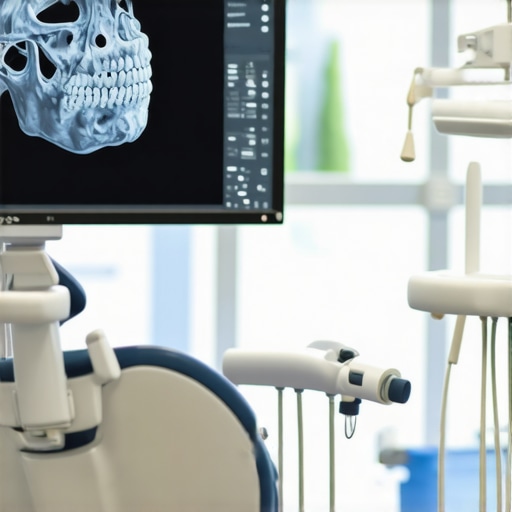
Why 3D Scans Beat Old-School X-Rays Every Time
Traditional 2D X-rays are flat, which means they hide the thickness of your bone. During my consultation, I learned that I had a thin ridge of bone that wouldn’t have been visible on a standard film. Because we caught this early, we could plan for a minor bone graft simultaneously. This level of precision is a hallmark of modern family dentistry where the goal is long-term stability rather than a quick fix.
What Actually Happens While You Are in the Chair
When you finally sit down for the procedure, the environment should feel more like a focused workshop than a scary surgery suite. First, the area is profoundly numbed. I made the mistake of not speaking up during a previous teeth cleaning when I felt a sharp twinge, but here, I learned to be vocal. If you feel anything other than a dull pressure, your dentist needs to know immediately. Once you are numb, a small incision is made in the gum tissue. Then, using a series of specialized drills that run at very low speeds to prevent heat damage to the bone, the site is prepared. The ‘drilling’ sound is the most intimidating part, but honestly, it felt similar to the vibration of an electric toothbrush—just deeper.
How to Distinguish Between Pressure and Pain
You will feel ‘thumping’ or ‘pushing’ as the titanium post is threaded into place. This is normal. It is the sensation of your jawbone accepting the new anchor. I remember gripping the armrests the first time I felt the torque wrench, thinking it would hurt. It didn’t. It just felt like someone was pressing firmly on my chin. Understanding this distinction is the key to staying calm.
Don’t Let the Swelling Catch You Off Guard
The real ‘work’ starts when you get home. I once tried to drink a thick protein shake through a straw immediately after a dental visit, and I nearly jumped out of my skin from the sudden pressure change in my mouth. Never use a straw for at least 72 hours. Suction can dislodge the blood clot that is vital for healing. You should also expect some puffiness; the reason your face swells up is simply your body sending a massive amount of white blood cells to the area to start the repair process. Ice is your best friend here—20 minutes on, 20 minutes off, for the first full day. Keeping the area clean is equally critical, as regular teeth cleaning and proper home care prevent bacteria from compromising the new implant site before it even has a chance to fuse.
While I was busy worrying about the physical sensation of an implant, I completely missed the most dangerous myth in modern dental care: the idea that if your teeth look white and feel ‘squeaky,’ you are in the clear. In reality, some of the most persistent oral health myths suggest that aesthetic perfection equals biological health. This is a dangerous trap. You can have a Hollywood-ready smile and still be battling underlying periodontal issues that threaten the very bone your new implant relies on.
The Myth That White Teeth Are Always Healthy Teeth
Everyone says a bright smile is the ultimate sign of hygiene, but in my experience, focusing solely on the shade of your enamel is a recipe for disaster. This is where the ‘Oops’ factor hits hard. Many people fall into the trap of over-using abrasive whitening products. I’ve seen cases where people scrub so hard they actually wear down the translucent enamel layer, exposing the yellowish dentin underneath, and then—ironically—scrub even harder to ‘fix’ the color. If you are obsessed with the science behind teeth whitening, you must understand that healthy enamel has a natural, slightly off-white hue. Chasing a porcelain-white look with drugstore chemicals can lead to permanent sensitivity and gum recession.
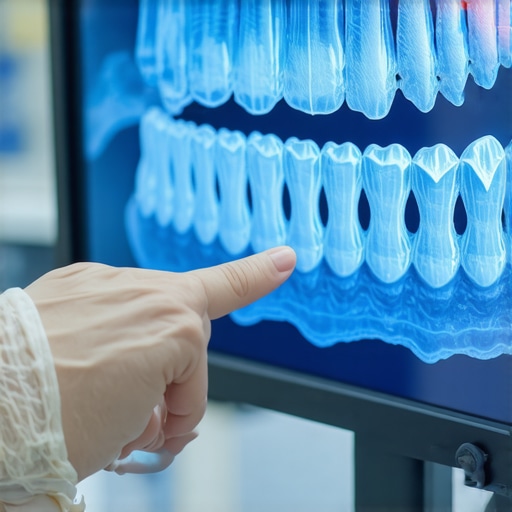
A study published in the Journal of Periodontology highlights that the presence of specific anaerobic bacteria in the mouth—often hidden deep in the gum pockets—is a better predictor of systemic health issues, including cardiovascular disease, than the visible cleanliness of the tooth surface. This is why why some people are more prone to cavities regardless of hygiene; it’s about the microbiome, not just the brush. If you’re only cleaning the parts of your teeth that show up in selfies, you’re ignoring 60% of the problem.
Why You Should Stop Scrubbing Your Gums Into Submission
One of the most common mistakes I see involves the ‘aggressive brusher’ syndrome. We think that more pressure equals a better teeth cleaning, but your gums aren’t a kitchen floor. They are delicate soft tissue. When you use a hard-bristle brush, you aren’t just removing plaque; you are literally pushing the gum line back. This creates ‘black triangles’ or exposed roots that are far more susceptible to decay than the crown of the tooth. If you’ve noticed how to stop your gums from bleeding is a constant struggle, it might not be a lack of flossing, but rather the way you are doing it.
How Can You Tell if Your Daily Routine is Quietly Destroying Your Enamel?
Advanced dental health requires looking for the subtle ‘micro-cues’ your mouth is giving you. Are your teeth feeling ‘fuzzy’ just hours after brushing? That’s a sign of a biofilm imbalance, not a lack of effort. Are you seeing black triangles appearing between your teeth? That is a sign of tissue loss that needs professional intervention, not a stronger mouthwash. In the world of family dentistry, we focus on the foundation first. If the foundation is crumbling, no amount of cosmetic dentistry innovations will save your smile in the long run. Have you ever fallen into this trap of ‘over-cleaning’ only to find out you were making things worse? Let me know in the comments, and let’s talk about how to pivot to a gentler, more effective routine.
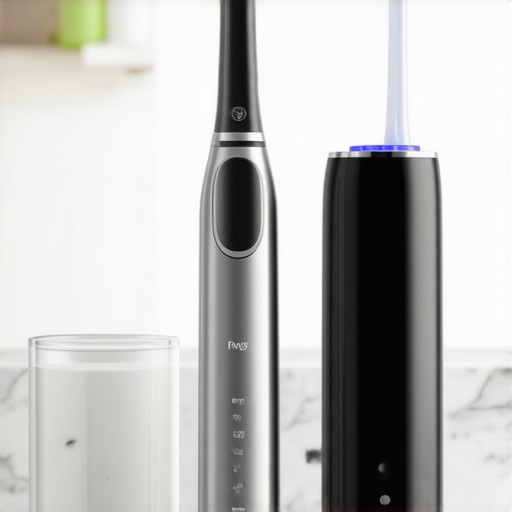
If you want to protect your investment—whether it’s a single implant or a full set of veneers—you need to move beyond the drugstore bargain bin. Personally, I stopped using manual brushes years ago after I realized I was applying nearly triple the necessary force. I switched to a brush with a built-in haptic pressure sensor. It glows red the second I press too hard, which is the best way to ensure I’m not contributing to why your gums are receding only on one side of your mouth. When you have hardware like implants, your cleaning technique needs to be surgical in its precision.
Level Up Your Routine With Tech That Actually Works
Another non-negotiable tool in my cabinet is a medical-grade stainless steel tongue scraper. Most people think a quick brush of the tongue is enough, but the reason why your dentist wants you to use a tongue scraper is actually about removing volatile sulfur compounds that a brush just smears around. It’s the difference between sweeping a floor and truly mopping it. I also swear by a high-pressure water flosser. If you use a nightguard, you should also be looking into ultrasonic cleaners; how to clean a nightguard properly involves more than just soap and water if you want to avoid bacterial buildup.
How Do I Keep My Dental Work Pristine for Decades?
The short answer is: treat it better than your natural teeth. Since implants don’t have the same sensory nerves as a natural tooth root, you won’t feel a ‘cavity’ forming in the surrounding tissue. You have to be proactive. This is where maintaining oral health expert advice for a lifetime of healthy teeth becomes your daily manual. A study published in the International Journal of Oral Science found that pulsating water pressure is significantly more effective at disrupting subgingival biofilm—the invisible slime where bacteria hide—than traditional string flossing alone. By using a water flosser on the medium-high setting, you are physically flushing out the debris that can cause peri-implantitis, the leading cause of implant failure.
Why the Future of Oral Health Is Personalized Bio-Hacking
Looking ahead, I see the cosmetic dentistry trends that transform your smile this year moving toward ‘biological integration.’ We are moving away from just ‘fixing’ teeth and toward bio-hacking our oral microbiome. In the next few years, we’ll likely see smart-brushes that analyze your saliva in real-time to tell you if your pH levels are too acidic before a cavity even starts. This shift from reactive to proactive care is the hallmark of top 5 secrets to maintaining perfect oral health as a family. We are no longer just cleaning; we are managing a complex ecosystem.
Try this tonight: swap your plastic tongue scraper for a stainless steel one and use it before you brush. You’ll be shocked at how much cleaner your mouth feels, and it might even change how your morning coffee tastes. It’s a small change with massive long-term results.
Why Ignoring the Pressure Cues is Your Biggest Mistake
Looking back at my first implant, the biggest ‘lightbulb moment’ came when I stopped confusing pressure with pain. I spent years falling for common oral health myths that every sensation in a dental chair is a warning sign. In reality, feeling a dull ‘thump’ is just your body recognizing the new structure. I also realized that waiting for the perfect time only makes the process harder; your jawbone doesn’t wait for your schedule. The most successful outcomes in family dentistry happen when you address the gap before the neighboring teeth begin to shift.
[IMAGE_PLACE_HOLDER_E]
Tools That Protect Your Cosmetic Investment
To ensure my implant lasted, I had to upgrade my toolkit. I personally trust three specific items to maintain my oral ecosystem. First, a haptic pressure electric toothbrush is essential to prevent over-brushing. Second, a stainless steel scraper is the only way to effectively clear the bacteria that cause bad breath; there is a real science behind why your dentist wants you to use a tongue scraper. Lastly, a water flosser on a medium setting allows for thorough cleaning without irritating the gum-to-implant seal. These teeth cleaning techniques are your insurance policy for a lifetime of healthy chewing.
Stop Letting Dental Anxiety Steal Your Smile
The transition from hiding my smile to laughing freely was the best decision I ever made. With the incredible cosmetic dentistry in 2025, you aren’t just getting a prosthetic; you’re getting your quality of life back. Whether you are just starting or you are enhancing confidence with cosmetic dentistry after years of delay, the first step is always the hardest. Once you are in the chair, you will realize the ‘what-ifs’ were the only painful part. Have you ever put off a dental appointment because the ‘what-ifs’ got too loud in your head? Let me know your story in the comments below!