
I was leaning so close to my bathroom mirror that my breath was fogging up the glass. There it was—a tiny, dark, menacing speck on my back molar. My heart did that annoying little flip. I immediately started calculating the cost of a root canal in my head. I spent three days poking it with a toothpick, convinced I could feel a ‘dent.’ When I finally rushed into the dentist’s office, practically trembling with anxiety, my dentist just chuckled, wiped it with a professional tool, and said, ‘It’s just a bit of roasted bean, neighbor. You’ve got a coffee stain.’ I felt like a total amateur. It’s a common panic, and honestly, I’ve seen it happen to the best of us. Whether you are obsessed with cosmetic dentistry trends or just trying to maintain your oral health, knowing what is a surface-level blemish and what is a structural disaster is crucial. Today, I’m going to share the exact checklist I use now to keep my sanity—and my wallet—intact.
My $200 Coffee Stain Embarrassment
I made a classic mistake early on by assuming that any discoloration that didn’t disappear after one frantic brushing session was a sign of decay. I didn’t realize that some stains are incredibly stubborn, especially if you enjoy a morning latte or a glass of red wine. This is why regular dental cleanings can save you money; they clear up the ‘fake’ problems before you convince yourself they are expensive emergencies. If you’ve ever looked at your teeth and wondered if you’re seeing a hole or just a shadow, you’re in the right place. We’re going to break down the physical signs, the sensations, and the simple ‘at-home’ tests that can help you distinguish between a harmless pigment and a trip to the dentist for a filling.
Is every dark spot actually a dental emergency?
Most of us think a dark spot is an automatic ‘game over’ for that tooth. It’s a terrifying thought, especially if you have dental anxiety or a tight budget. But the reality is that our teeth are like sponges for everything we eat and drink. According to the American Dental Association, extrinsic stains from food and tobacco can look remarkably like early-stage decay to the untrained eye. Not every speck requires a drill, and sometimes the fix is as simple as achieving a bright smile through better cleaning techniques rather than restorative work.
How to spot the difference before you call the office
If you are staring at a spot right now, I want you to try something. Grab a flashlight and a mirror. A stain is typically a surface-level change in color; it might be brown, yellow, or even gray, but the surface of the tooth remains smooth. A cavity, however, is a physical hole. If you feel a pit or a ‘catch’ when you run a clean fingernail (gently!) over the area, that’s a sign the enamel has softened. Furthermore, keep an eye on how it feels when you eat. While a stain is silent, a cavity often speaks up. If your tooth feels fine during the day but throbs at night, or if it reacts sharply to a spoonful of ice cream, you’re likely dealing with decay. Have you ever spent a night convinced you needed a filling, only to find out it was just a stubborn piece of food or a harmless stain? Let’s dive deeper into the specific visual cues that will help you tell them apart for good.
Ditch the Panic and Use These Tactical Checks
To start your self-exam, you need more than just the overhead bathroom light. I usually grab my phone’s flashlight and a high-quality hand mirror to get a clear angle at those tricky back molars. When you illuminate the spot, look at the edges of the discoloration. A stain, like the one I panicked over, often has fuzzy, feathered edges and sits on top of the tooth. It looks like someone took a watercolor brush to your enamel. A cavity, conversely, often has a very defined, dark border or looks like a tiny crater. If you see a dark spot that seems to ‘sink’ into the tooth, you aren’t just looking at pigment; you’re looking at a structural change. Using proper teeth cleaning techniques and benefits can often scrub away the former, but no amount of brushing will fill a hole once it has started. 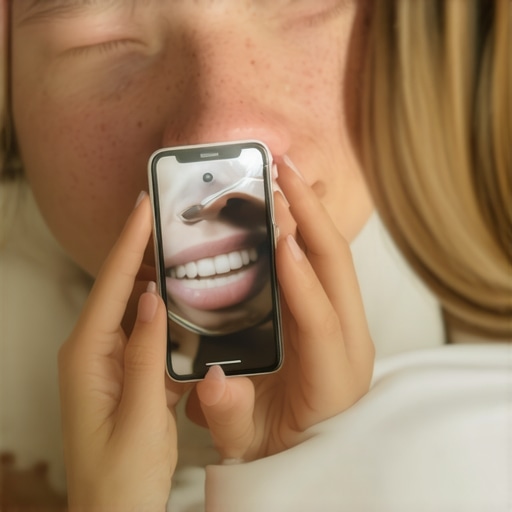
Test your reaction to sugar and cold
One of the most reliable indicators of decay isn’t visual—it’s sensory. Enamel is like a shield, and when it’s intact, you shouldn’t feel much of anything. When a cavity forms, that shield is breached. I remember a summer where I couldn’t enjoy a single popsicle because of a sharp, stinging sensation on my left side. I thought I just had sensitive teeth, but it was actually a small cavity hidden in a groove. If your teeth hurt when you take a bite of ice cream, or if you notice the reason your teeth feel sensitive to sugar but not cold is because the bacteria are reacting to the glucose, you are likely dealing with decay. Stains are silent. They don’t care if you’re eating a candy bar or drinking ice water; they just sit there looking ugly while your tooth feels perfectly fine.
The fingernail test for surface texture
This sounds a bit primitive, but it’s what many dentists do with an explorer tool. Wash your hands thoroughly, then gently run a clean fingernail across the spot. A stain will feel as smooth as the rest of your tooth. However, if your nail ‘catches’ or drops into a tiny divot, that’s a red flag. I once spent ten minutes trying to ‘scrape’ a black dot off my toddler’s tooth, only to realize his tooth had a deep natural groove. This is why we often recommend sealants for children with deep grooves; it levels the playing field so food and pigment can’t get trapped. If you feel a physical pit, you should tell if your filling is leaking or if a new cavity is forming.
Watch for spots that change over time
Stains usually stay the same size or grow very slowly over months of coffee drinking. A cavity is an active infection. If you notice a spot that was a tiny speck last week is now a noticeable smudge this week, it’s time to act. In my house, we use family dentistry tips to keep everyone’s hygiene consistent, which makes it much easier to spot when something new appears. If you’re unsure, try a round of whitening. If the spot lightens, it was likely extrinsic. If it stays dark while the rest of the tooth gets whiter, the problem is deeper than the surface. Understanding the science behind teeth whitening helps you realize that peroxide can only reach so far; it won’t fix a hole in the boat.People often think cosmetic dentistry is just for the Hollywood elite, but in my experience, it’s actually a diagnostic powerhouse. I used to believe that focusing on whitening was purely a sign of vanity until I learned how cosmetic dentistry in 2025 actually works as a preventive tool. Here is the contrarian truth: a whiter smile isn’t just about looks; it’s about visibility. When your teeth are professionally brightened, it’s ten times easier to spot those ‘red flag’ structural changes or early-stage decay that hide behind years of coffee buildup. However, there’s a massive ‘oops’ factor many people fall into—the DIY whitening trap. I’ve seen people use lemon juice, baking soda, or even activated charcoal thinking they are being ‘natural,’ but they are actually sandblasting their enamel away.
The ‘natural’ remedy trap that ruins your enamel
When you try to save a few bucks with home-brewed whitening, you risk permanent damage. The truth about whitening toothpaste and DIY powders is that many are far more abrasive than professional treatments. A study published in the Journal of the American Dental Association (JADA) confirms that while professional bleaching agents are safe for enamel, many unregulated charcoal products can lead to significant surface loss and increased sensitivity. If you strip away the protective layer of your teeth, you aren’t just making them whiter; you are making them more vulnerable to the very cavities you’re trying to identify. 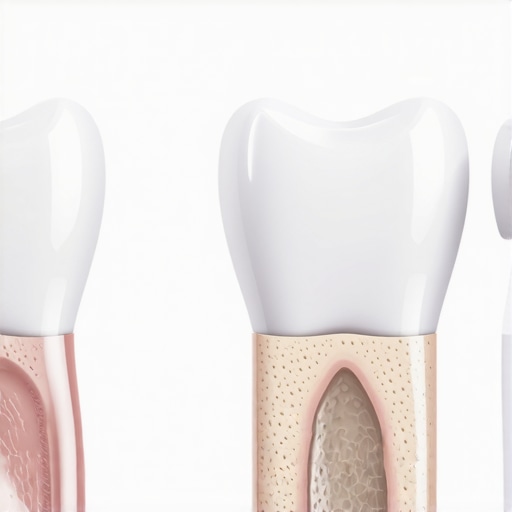
Can your saliva’s pH level actually protect you from cavities?
This is the advanced nuance most people miss: some people have a highly ‘alkaline’ mouth. While this sounds like a win because it protects you from the acid erosion that causes cavities, it is actually a double-edged sword. An alkaline environment causes minerals to precipitate out of your saliva faster, leading to heavy tartar and deep, dark staining. This is why some people are more prone to cavities while others are ‘stain magnets’ despite having identical diets. It’s not just about how well you brush; it’s about your internal chemistry. If you’ve been skipping regular teeth cleaning because you think ‘I don’t have cavities, I’m fine,’ you might be ignoring a massive buildup of calculus that is slowly irritating your gums. Oral health myths debunked in recent years suggest that the most dangerous dental issues are the ones that don’t hurt until they reach the nerve. Have you ever fallen into the ‘it doesn’t hurt so it’s fine’ trap? Let me know in the comments below.I shifted from a basic manual brush to a high-end sonic model not just for the clean feel, but for a phenomenon called ‘hydrodynamic flow.’ This isn’t just marketing fluff; at 30,000+ strokes per minute, the vibrations create pressure waves in your saliva that reach deep into the gaps between your teeth—places where traditional bristles simply cannot fit. I also swear by a surgical-grade copper tongue scraper every single morning. If you have ever wondered why your dentist wants you to use a tongue scraper, it is because removing that overnight bacterial biofilm is the single fastest way to stop extrinsic stains before they ever have a chance to bond to your enamel. This level of technical detail is one of the many teeth cleaning secrets I have picked up that turned my dental visits from anxiety-filled lectures into quick, boring checkups.
How can I keep my dental work looking brand new?
The secret to long-term success with fillings or veneers is managing your oral pH. Dr. Gordon Christensen, a titan in dental research and founder of the Clinicians Report, has long argued that the mouth’s environment is just as important as the dentist’s skill. If your mouth remains in an acidic state, the bond between your tooth and any restorative work will eventually degrade. I now follow the top 5 secrets to maintaining perfect oral health as a family, which includes the simple habit of rinsing with plain water immediately after finishing a cup of coffee to neutralize those acids. By sticking to these preventive tips for long-lasting dental health, you effectively stop the ‘cycle of repair’ that most people get stuck in. 
The end of the wait and see era in dentistry
I predict that within the next five years, we will stop playing the guessing game with dental spots entirely. Looking at the cosmetic dentistry innovations you can’t miss, the next frontier is consumer-grade intraoral cameras with AI integration. Imagine a world where you snap a weekly photo of your molars and an app alerts you the moment a stain shows signs of demineralization. This technology will completely change the narrative on how regular dental cleanings can save you money, because we will be catching micro-cavities before they even require a drill. If you want to be proactive right now, try this advanced tip: in a completely dark bathroom, shine a high-intensity LED penlight against the back side of your front teeth while looking in the mirror. This technique, known as transillumination, can reveal hidden stress fractures and early decay that front-on lighting misses entirely. Give it a try tonight and see what your bathroom mirror has been hiding.
What My Dentist Finally Taught Me About My Mouth’s Chemistry
The biggest realization I had after years of panic was that oral health is a living ecosystem, not just a set of white blocks in your mouth. First, I learned that obsessing over a single spot is often less productive than looking at your overall habits. If you are following the top 5 secrets to maintaining perfect oral health as a family, you are already doing 90% of the work. Second, I realized that some of us are just ‘stainers.’ It isn’t a failure of hygiene; it’s just how our saliva interacts with our diet. Lastly, don’t let oral health myths debunked in the news scare you—science has advanced to the point where even a small cavity is a minor bump in the road, not a life sentence for your tooth.
The Few Tools I Actually Trust for Home Care
If you want to move beyond the basic drug-store aisle, here is my personal curated list of essentials. I swear by a high-quality sonic toothbrush because it makes achieving a bright smile feel effortless. I also recommend a copper tongue scraper; once you understand why your dentist wants you to use a tongue scraper, you’ll never go back to just brushing your tongue with bristles. Finally, keep a professional on speed dial. Nothing replaces the peace of mind that comes from knowing how regular dental cleanings can save you money by catching the real issues while they are still microscopic.
Your Path to a Stress-Free Smile Starts Tonight
It’s time to stop the midnight mirror-checks and the constant ‘poking’ at your teeth. By implementing preventive tips for long-lasting dental health, you shift from a defensive mindset to a proactive one. Whether you decide to explore cosmetic dentistry trends to perfect your look or just want to maintain a healthy baseline, remember that knowledge is your best defense against both stains and decay. Your oral health journey is unique, but it doesn’t have to be stressful. Have you ever been convinced you had a cavity, only for it to be a harmless stain? Let me know your story in the comments below!