
There I was, standing over my bathroom sink, staring at what looked like a scene from a low-budget horror flick. All I’d done was try to be a ‘responsible adult’ and use that minty string for the first time in… well, longer than I’d like to admit. My sink was pink. My gums were throbbing. And honestly? I wanted to throw the whole container of floss in the trash and never look back. It’s that initial shock that stops most people before they even get started. You try to do something good for your health, and your body reacts like you’ve just performed surgery on yourself without a license. I’ve been there, trust me. I used to think my mouth was just ‘broken’ or that I was destined for dentures by forty. But I learned the hard way that flossing isn’t about brute strength; it’s about gentle persistence.
Why Your Bathroom Sink Looks Like a Crime Scene
It is incredibly discouraging to see red. You decide to level up your oral health, maybe even inspired by a recent teeth cleaning that went slightly sideways, and suddenly you’re bleeding. I made a massive mistake early on by thinking that more force equalled a better clean. I was basically ‘power-washing’ my gums with string. Big mistake. Your gums aren’t tough leather; they are sensitive tissues that haven’t been ‘exercised’ in a while. When you stop flossing, bacteria move in and cause inflammation. The moment you start back up, those inflamed vessels break. It’s messy, but it’s actually your body trying to heal itself from the inside out.
Should you really be worried about a little blood?
We’ve all heard that if it bleeds, something is wrong. But here is the catch: why your gums bleed when you floss for the first time in weeks isn’t usually a sign to stop immediately. It’s actually a sign that the bacteria and plaque have been throwing a party in your mouth, and you’ve just crashed it. According to the Centers for Disease Control and Prevention (CDC), nearly 47.2% of adults aged 30 and older have some form of periodontal disease. That’s nearly half of us! So, if you’re seeing red, you’re definitely not alone. The real danger isn’t the bleeding itself; it’s the urge to quit because of it. If you quit now, that inflammation just gets worse. [image placeholder]
Stop the Bleeding Without Quitting Floss Forever
I promise you right now: we are going to fix this. You don’t have to choose between a healthy mouth and a bloody sink. Today, I’m sharing the exact routine I used to transition from ’emergency flosser’ to someone who actually enjoys the feeling of a clean mouth. We’re going to talk about gentle teeth cleaning best practices for sensitive gums so you can actually stick to the habit without dreading it. Have you ever felt like giving up on flossing because the blood just seemed too much for such a simple task? Tell me I’m not the only one who felt that frustration! Let’s get into the nitty-gritty of how to calm those gums down while keeping your smile bright and your sink white.
Master the Technique Without Hurting Yourself
The first thing you need to realize is that flossing is a skill, not a chore. Most of us were taught to just ‘get the string in there,’ but that’s like trying to mow a lawn with a chainsaw—it’s overkill and dangerous. To stop the bleeding, you have to change your approach from aggressive to strategic. We aren’t just moving food; we are disrupting a colony of bacteria that has set up shop in the tightest corners of your mouth. Just like you would learn how to choose the right toothbrush bristle strength for your gums, you must select the right flossing method for your unique smile.
Pick the Tools That Don’t Fight Back
If you have tight teeth, standard string floss can feel like a torture device. It snaps into the gum, causes a sharp pain, and inevitably leads to blood. I personally switched to ‘dental tape’ or waxed floss because it slides. If you have kids at home, teaching them this early on is the best way how to stop your kids from getting cavities between their teeth without making them fear the bathroom. Don’t be afraid to experiment with different brands until you find one that glides like it’s on ice.
The Secret Is Hugging Your Teeth
This is where most people fail. They go straight down and straight up. Instead, you need to perform the ‘C-Shape’ technique. Once the floss is between your teeth, wrap it around the side of one tooth until it forms a ‘C’ shape. Slide it gently under the gum line until you feel a slight resistance, then wipe the side of the tooth. It’s a literal hug for your tooth. This ensures you’re actually removing the plaque and not just poking your gums with a sharp string. 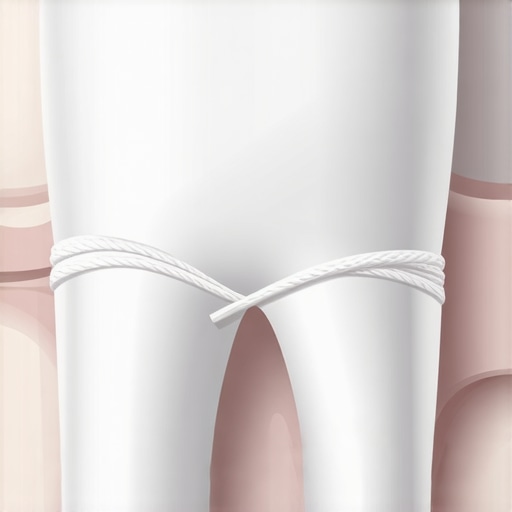
Stop Sawing and Start Gliding
I remember a Tuesday about three years ago when I was in a rush. I was ‘sawing’ the floss back and forth so fast I actually sliced into my gingival tissue. It was a mess, and I couldn’t floss that spot for a week. That setback cost me more than the thirty seconds I tried to save. The goal is a smooth, vertical motion. If you hit a snag, don’t yank it. Wiggle it gently. If you are struggling with a lot of inflammation right now, you might need to look into the ultimate guide to teeth cleaning techniques and benefits to reset your oral environment before trying to be a flossing champion.
Consider a Water Flosser for High-Maintenance Gums
If your hands are shaky or your teeth are just too crowded for traditional string, a water flosser is a total game-changer. It uses a pressurized stream of water to flush out the gunk. I found that the benefits of using a water flosser for patients with gum disease are massive because it provides a deep clean without the mechanical friction that causes bleeding. Think of it like a power washer for your mouth, but much, much gentler. It’s especially helpful if you’re already dealing with sensitivity and want to keep your habit alive without the pink sink syndrome.
The Biofilm Trap You’re Probably Falling For
Most people assume that if they’ve cleared the popcorn kernel from between their molars, their job is done. But here is the contrarian truth: flossing isn’t primarily about food removal; it’s about disrupting a microscopic city called biofilm. This sticky layer of bacteria matures every 24 hours, and simply ‘poking’ it isn’t enough. I used to think my mouth was clean just because I didn’t see any leftovers, but that’s one of those oral health myths debunked for a reason. If you don’t physically scrape that film off, it mineralizes into tartar within 48 hours—and once it’s hard, no amount of string will move it. Have you ever fallen into this trap? Let me know in the comments!
Is It Possible to Over-Floss Your Way to Receding Gums?
The ‘Oops’ factor in advanced oral care is something called a gingival cleft. I’ve seen enthusiasts get so aggressive with their new routine that they literally ‘saw’ into their own gum tissue. This doesn’t make your teeth cleaner; it creates a highway for infection. According to the American Academy of Periodontology, aggressive mechanical cleaning can actually contribute to recession, leading to those annoying gaps. If you’ve noticed gaps opening up, you might need to learn how to fix the black triangles between your teeth before they become a permanent feature of your smile. 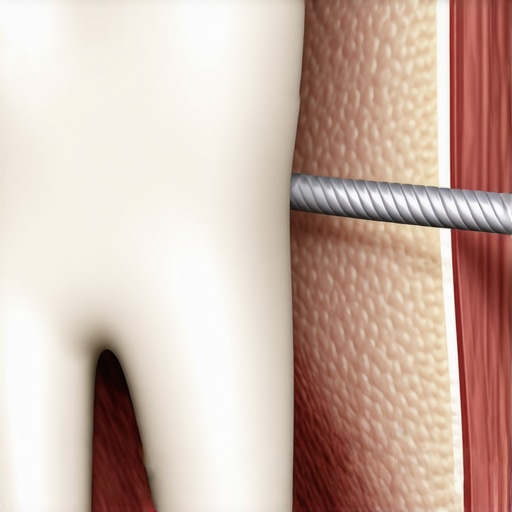
Why Your Daily Routine Can’t Replace a Professional Scale
Here’s the hidden nuance: even the most perfect flosser can’t reach every nook. There are ‘pockets’ around your teeth that naturally go deeper than a standard piece of floss can reach. I used to think I could skip my six-month appointment if my gums weren’t bleeding, but that was a costly mistake. Investing in preventative care is vital because how regular dental cleanings can save you money in the long run becomes obvious when you avoid a costly deep-scaling procedure later. A study published in the Journal of Clinical Periodontology highlights that professional intervention is the only way to effectively manage subgingival plaque that home tools simply cannot touch. Don’t wait for pain to be your guide; let the professionals clear the path so your home routine actually stands a chance.
The High-Tech Toolkit That Saved My Gums
Once I moved past the initial ‘bloody sink’ phase, I realized that my old manual toothbrush was basically a horse-and-buggy in a Tesla world. I upgraded to an oscillating-rotating electric toothbrush with a built-in pressure sensor. This was a total game-changer for me because it literally lights up red when I’m pressing too hard—preventing that aggressive ‘sawing’ motion I used to do. To keep these tools effective, you also have to know how to keep your toothbrush clean when you travel or even just at home, because a bacteria-laden brush is just moving the problem around. I also swear by my stainless steel tongue scraper. It’s a bit weird at first, but why your dentist wants you to use a tongue scraper becomes incredibly clear the first time you see what it removes from your mouth in the morning.
How can I keep my family’s smiles healthy for decades?
Maintenance isn’t just a solo mission; it’s a household culture. In my house, we turned oral care from a chore into a standard part of the evening wind-down. Using family dentistry tips that make oral care effortless and effective, like setting a two-minute timer or using disclosing tablets that turn plaque bright blue, helped my kids see exactly where they were missing. We’ve found that the top 5 secrets to maintaining perfect oral health as a family usually boil down to consistency and having the right supplies on hand. If you have any cosmetic work, the stakes are even higher. I’ve seen friends lose thousands in dental work because they didn’t learn how to maintain your porcelain veneers so they last twenty years. It’s all about protecting your investment with the same ferocity you use to protect your natural teeth.
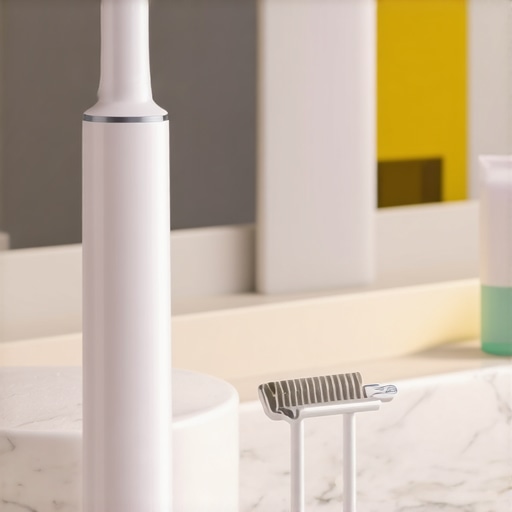
The Digital Future of Your Daily Brush
I’m predicting that within the next five years, our ‘dumb’ toothbrushes will be replaced by AI-integrated sensors that sync with our phones to provide a heat map of our mouths. We are already seeing cosmetic dentistry innovations you can’t miss this year that use 3D imaging to predict exactly how your gums will recede if you don’t change your habits. A study published in the Journal of the American Dental Association (JADA) confirms that patients who receive biofeedback—like seeing their plaque levels on a screen—are 40% more likely to maintain a long-term hygiene routine. This shift toward ‘precision dentistry’ means we won’t just be guessing if we brushed well enough; we’ll have the data to prove it. This is the cornerstone of maintaining oral health expert advice for a lifetime of healthy teeth. Don’t just wait for the next tech wave, though. Start with the basics: go buy a high-quality stainless steel tongue scraper today and use it every single morning for a week. You’ll never go back to just brushing alone.
The Most Surprising Truths About My Battle With Gingivitis
Looking back at that pink sink, I wish I had known that the blood was actually a signal that my body was fighting for me, not against me. First, I realized that bleeding usually stops within 7 to 10 days of consistent flossing—it is not a permanent condition. Second, skipping even one night resets the ‘biofilm clock’ and gives bacteria the upper hand. Third, I stopped seeing flossing as an optional extra and started seeing it as the foundation for family dentistry building a foundation of healthy smiles for all ages. Finally, I learned that reading about oral health myths busted what every family should know actually helped me stop feeling guilty and start feeling empowered.
The 3 Tools I Won’t Travel Without
I have tested dozens of products, but these are the ones that actually made a difference in my daily life. First, I always pack a spool of PTFE dental tape because it does not shred on my sharp molars. Second, I rely on a portable water flosser for when I am eating on the go; it is one of those teeth cleaning secrets achieve a bright smile in under 30 minutes that truly works. Lastly, my stainless steel tongue scraper is non-negotiable for keeping my breath fresh. If you are ever unsure about which tools are right for your specific needs, do not hesitate to contact us for a personalized recommendation.
Believe in Your Gums’ Ability to Heal
Your mouth is one of the fastest-healing parts of your entire body. If you give it the right environment—gentle cleaning, consistent flossing, and professional support—you will see a transformation. Do not let a little initial discomfort stop you from achieving the lifelong goal of maintaining oral health expert advice for a lifetime of healthy teeth. You have got this, and your future self will thank you for every single piece of floss you use tonight. Have you ever felt like your gums were just too sensitive to even try flossing? Let me know your story in the comments below!