
I was leaning into my bathroom mirror after a dinner party, frantically searching for the piece of black pepper I just knew was wedged between my front teeth. I scrubbed, I picked, and I rinsed, but that tiny dark shadow wouldn’t budge. That was the moment the lightbulb finally went off: it wasn’t food at all. It was a ‘black triangle’—a small, triangular gap where my gum tissue used to be. It felt like my smile was suddenly looking aged and ‘gappy’ overnight. If you’ve spent more time than you’d like to admit staring at these little voids in the mirror, wondering if your teeth are suddenly shrinking, you aren’t alone. Today, I want to walk you through exactly why these gaps happen and, more importantly, how we can close them for good so you can stop worrying about ‘spinach shadows’ that aren’t even there.
The Truth About Those Dark Gaps in Your Smile
For a long time, I blamed myself for those gaps. I thought I wasn’t flossing enough, or maybe I was flossing too much. In reality, these gaps—known clinically as gingival embrasures—happen for a variety of reasons, from the natural shape of your teeth to the way your bone structure supports your gums. When I first noticed mine, I made a classic rookie mistake: I started brushing with a heavy hand, thinking I could somehow ‘clean’ the dark spot away. Instead, I learned the hard way that using a hard-bristled brush actually makes gums recede faster, making the triangles even more prominent. It was a tough lesson in maintaining oral health through gentleness rather than force. The good news is that modern cosmetic dentistry in 2025 has made fixing these gaps easier and less invasive than ever before.
Is Fixing This Just an Expensive Luxury?
You might be wondering if you should just live with it. After all, it’s just a tiny gap, right? But beyond the hit to your confidence, those triangles can actually act as little ‘food traps’ that invite plaque to hang out where it doesn’t belong. According to a study published in the British Dental Journal, approximately 67% of adults over age 20 deal with some level of gum recession, which is a primary driver of these black triangles. When you decide to address them, you aren’t just vanity-fixing your look; you’re actually simplifying your daily cleaning routine and protecting the roots of your teeth. Whether you are looking into what to expect from cosmetic dentistry or just want your old smile back, there are solutions that don’t involve scary surgery. Have you ever caught yourself hiding your laugh because you’re worried someone might think you have food in your teeth? I’d love to hear your story in the comments below.
Stop Guessing and Start Targeting the Root Cause
When I finally sat in my dentist’s chair, I expected a lecture. Instead, I got an analogy that changed how I view my mouth. Think of your teeth like tall, thin skyscrapers. If they are wider at the top and narrow at the base, there is naturally going to be an alleyway between them. To close that alley, you either have to move the buildings or add more ‘bricks’ to the sides. This is essentially what happens during a consultation for cosmetic dentistry innovations. Your dentist will check your bone levels first, because if you have lost too much bone, the ‘foundation’ for your gums is gone, and that is often why the pink tissue recedes.
Build Up Your Teeth with Composite Bonding
One of the fastest ways to eliminate the dark triangle is by using a specialized resin. I remember watching my dentist work with a system called Bioclear; it was like he was shrink-wrapping my teeth in a new, slightly wider layer of enamel. It’s non-invasive, meaning no needles or drills were involved in my case. The result was immediate. By slightly widening the tooth right where it meets the gum line, the gap disappears, and the gum tissue has a ‘ceiling’ to sit against again. This is a huge win for anyone looking for what to expect from cosmetic dentistry without the fear of permanent tooth shaving.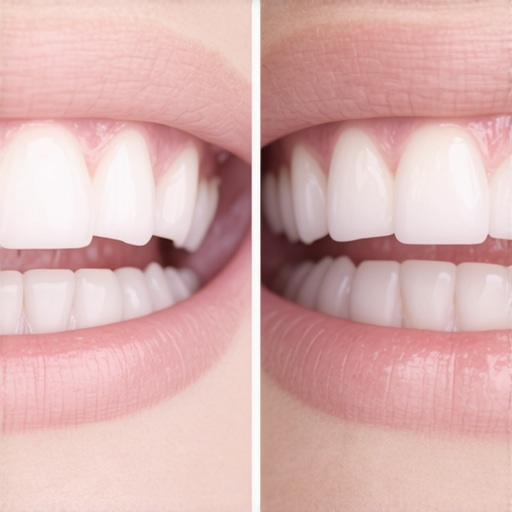
Consider Veneers for a Permanent Transformation
If your gaps are paired with stains or chips, contouring and veneers offer a more permanent solution. Unlike bonding, which can sometimes stain if you drink as much coffee as I do, porcelain is incredibly resistant. When I was weighing my options, I realized that maintaining your porcelain veneers is actually quite similar to natural teeth, but with the added benefit of closing those pesky shadows for good. It’s about creating a uniform shape that doesn’t leave ‘alleys’ for food to get stuck in.
Adjust the Fit with Interproximal Reduction
This sounds scary, but it’s actually a brilliant way to let teeth sit closer together. By gently smoothing a fraction of a millimeter from the sides of the teeth, a dentist can change the contact point from a single ‘dot’ at the top to a long ‘line.’ When the teeth lean into each other more broadly, the triangle below them naturally shrinks. I’ve seen this work wonders for friends who were also looking into how to stop your bottom teeth from shifting.
Protect Your Results with Gentleness
Once you’ve closed those gaps, the last thing you want to do is scrub the gums away again. I learned that you have to treat your gums like silk, not a dirty rug. Learning best practices for sensitive gums is non-negotiable. If you continue using a heavy hand, you’ll just push the tissue back up, undoing the visual fix. You also need to know how to choose the right toothbrush bristle strength to ensure you aren’t being too abrasive. I switched to an extra-soft brush and a water flosser, and the difference in my gum health was visible within weeks.Despite what social media might suggest, you cannot ‘pull’ or ‘scrub’ your way out of a structural gingival embrasure. A common belief is that a black triangle is a sign of neglect, leading many to over-clean in an attempt to ‘cure’ the gap. However, oral health myths debunked for 2025 emphasize that recession is often mechanical—caused by us, not by bacteria. When we discuss how regular teeth cleaning can prevent major dental issues, we are talking about the removal of calcified plaque that allows the bone to stay healthy, not an aggressive home routine that wears down the tissue. The real expertise lies in understanding the ‘Tarnow Rule.’ Dr. Dennis Tarnow’s landmark study in the Journal of Periodontology highlighted that the presence of the interdental papilla (the pink triangle) is directly tied to the distance from the alveolar bone to the tooth contact point. If that distance is 5mm or less, the gap is filled 100% of the time. Once it hits 6mm, your chances of having a full gum line drop to about 50%. This is why you can’t simply wish the tissue back; you have to address the underlying geometry. 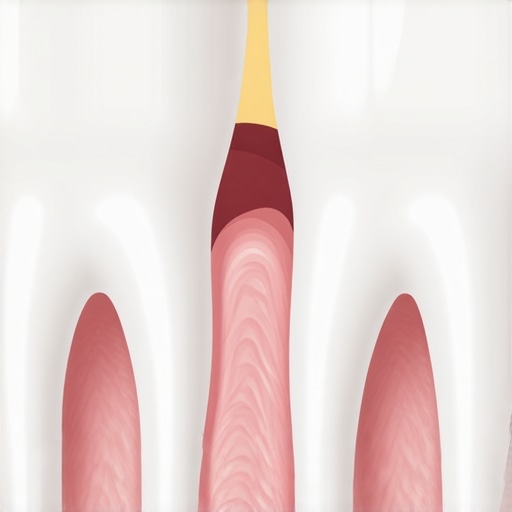
Why the 5mm Rule Decides Your Smile’s Future
Most of us are conditioned to think every dental flaw is a failure of discipline. But if your teeth are naturally tapered or ‘bell-shaped,’ you might have these gaps regardless of how many times a day you brush. The trap here is ‘aggressive compensation’—using a hard brush to try and ‘scrub out’ the shadow. As I mentioned before, this only makes the gums retreat further and can lead to tooth sensitivity. Instead, choosing the right toothbrush bristle strength is the first step toward stability and stopping the progression of these shadows.
Don’t Mistake Geometry for Poor Hygiene
I’ve seen patients spend thousands on products that promise to ‘regrow’ gums overnight. The ‘Oops’ factor here is significant: by using abrasive charcoal pastes or ‘natural’ acid-based cleaners, you actually thin your enamel. If you have naturally thin enamel, these methods can erode the tooth surface, making the edges look translucent and the black triangles even darker by comparison. We also see many families trying oil pulling as a way to fix recession. While oil pulling can be a supplemental part of family dentistry tips for reducing overall bacterial load, it cannot restore lost bone or move the contact point of your teeth.
Will Those Dark Triangles Disappear with Better Flossing?
I often get asked if a simple change in routine can reverse the ‘shadow’ once it appears. The hard truth is that once bone is lost, the tissue follows, and it doesn’t just grow back like skin. In fact, one major mistake is the misuse of ‘sawing’ flossing techniques, which can create a permanent cleft in the gum. Instead, focusing on best practices for sensitive gums and using the right tools like water flossers protects the remaining tissue. Real solutions require a professional to evaluate if the ‘foundation’ can support a change, perhaps through cosmetic dentistry innovations that reshape the teeth to meet that 5mm requirement. Have you ever fallen into this trap of over-cleaning or trying a home fix that didn’t work? Let me know in the comments.
Gear Up to Save Your Gum Line
Once I committed to fixing my black triangles, I realized the ‘standard’ tools weren’t going to cut it anymore. If you continue using a standard manual brush, you risk inconsistent pressure that can traumatize the delicate papilla. I switched to a sonic toothbrush with a built-in pressure sensor—specifically because it vibrates at a frequency that disrupts biofilm without requiring a ‘scrubbing’ motion. Maintaining those results requires more than a quick rinse; you need to understand maintaining oral health is about consistency over intensity. I also swear by a high-quality water flosser. I’ve found that the benefits of using a water flosser for patients with gum disease or recession are immense because it flushes out the ‘alleys’ between teeth where string floss often misses or causes friction. 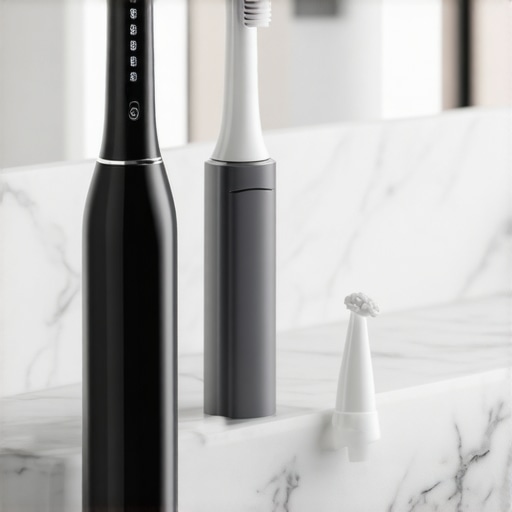
How do I keep my gaps closed for the next decade?
Stability is the name of the game. If you’ve invested in composite bonding or veneers, your home care needs to level up. Dr. Peter Schüpbach, a prominent researcher in oral histology, highlights that the stability of the gingival margin is heavily dependent on the quality of the connective tissue attachment—something you can’t see but must protect with non-abrasive tools. This means ditching any toothpaste with a high RDA (Relative Dentin Abrasivity) score. If you chose porcelain, knowing how to maintain your porcelain veneers will save you thousands in replacement costs down the road. Furthermore, scheduling how regular teeth cleaning can prevent major dental issues ensures that any tiny buildup of tartar—which can push the gums away—is removed before it does damage. I make it a point to see my hygienist every four months instead of six, just to stay ahead of the curve.
The Future of Smile Regeneration
Looking ahead, I suspect the way we treat these gaps will shift from ‘filling’ to ‘growing.’ We are already seeing incredible progress in tissue engineering and growth factors that might one day allow us to literally regrow the interdental papilla using your own stem cells. For now, however, we rely on the marriage of structural repairs and meticulous hygiene. I strongly recommend trying one specific shift this week: swap your manual floss for a water flosser for just seven days. You will be shocked at what your ‘clean’ teeth were still hiding. If you’re ready to stop guessing and start fixing, check out cosmetic dentistry in 2025 to see which high-tech solution fits your lifestyle.
Three Realizations That Changed Everything for My Gum Health
Reflecting on my own journey with those pesky dark shadows, there are a few things I wish I had known before I picked up a hard toothbrush. First, your gums are not a stain. For the longest time, I treated the dark space like a smudge that needed scrubbing, but I was actually accelerating the recession. Second, the ‘pink triangle’ is a privilege of good bone health; if the foundation shifts, the tissue follows. Third, fixing these gaps is as much about structural geometry as it is about hygiene. I finally understood that oral health myths debunked for this year prove that being ‘too clean’ can be just as damaging as neglect. My lightbulb moment was realizing that maintaining oral health is a game of finesse, not force.
My Daily Survival Kit for Healthy Interdental Gaps
I don’t leave my smile to chance anymore. After trying dozens of products, these are the few that actually made a difference in keeping my black triangles at bay. I swear by a Sonic Toothbrush with a pressure sensor—it’s the only way to ensure I am not accidentally bullying my gums. I also rely heavily on interdental brushes sized specifically for my gaps; they are far more effective than string floss for those of us with wider embrasures. Of course, the benefits of using a water flosser for patients with gum disease or recession cannot be overstated; it is my secret weapon for clearing out food traps without friction. Finally, I never skip my professional cleanings because how regular dental cleanings can save you money in the long run is a reality I have seen in my own dental bills. #IMAGE_PLACEHOLDER_E#
Take the First Step Toward a More Confident Smile
You do not have to settle for a smile that makes you feel older than you are. Whether you choose the quick fix of composite bonding or the long-term brilliance of veneers, the most important step is simply stopping the cycle of aggressive over-cleaning. Modern cosmetic dentistry in 2025 offers so many pathways to restore what you thought was lost forever. Do not let a tiny shadow keep you from laughing out loud or enjoying a meal with friends. Your smile is a reflection of your vitality, and you deserve to feel proud of it every time you look in the mirror. Have you noticed these ‘black triangles’ appearing after orthodontic treatment or as you have gotten older? Let me know your experience in the comments below!