
I was mid-sentence at a cozy backyard dinner when I caught a whiff of something that definitely wasn’t the grilled salmon. It was a sharp, sour scent—the kind that makes you want to close your mouth and never speak again. After a frantic tongue-check, I realized the culprit was my back-right molar. That expensive porcelain crown I’d gotten a few years back had turned into a tiny, hidden factory for “old food” smells. It is a gut-wrenching realization. You brush, you floss, you try to keep up with regular teeth cleaning, and yet, there is this persistent, funky odor that will not quit. If you have ever felt like you are carrying a secret compost bin in your jaw, I promise you are not alone, and more importantly, you are not doomed to a lifetime of minty-masking. We are going to fix this together.
Stop Worrying About That Weird Odor Under Your Crown
When I first noticed the smell, I made a classic mistake: I panicked and started scrubbing like I was trying to strip paint. I thought if I just brushed harder, I would reach the source. Instead, I learned the hard way that using a hard-bristled brush only makes your gums retreat in fear, leaving even more space for bacteria to hide. The truth is, a crown is a cap, and while the crown itself cannot decay, the tiny margin where the porcelain meets your natural tooth is a playground for anaerobic bacteria. According to the American Academy of Periodontology, biofilm buildup around dental restorations is a leading cause of localized malodor and tissue inflammation. If that margin is not perfectly sealed, or if you have noticed your crown feels loose when you eat certain foods, you have basically got a microscopic trap for everything you have eaten this week. Have you ever noticed a sudden, sour taste when you press on your gum line?
Is this smell a sign that my crown is failing for good?
It is the question that kept me up at night: do I need to shell out thousands for a replacement? Not necessarily. Sometimes the fix is as simple as changing your flossing technique or realizing your bite might be slightly off, creating tiny gaps when you chew. It is also worth looking into common oral health myths because many people assume a smell always equals a cavity, which is not always the case. We are going to dive into the exact steps I took to neutralize the scent and get my confidence back. We will look at the tools that actually reach those unreachable spots and when it is time to stop DIY-ing and call the professional.
How to Flush Out the Bacteria Hiding Under the Rim
If you want to stop the smell, you have to treat your crown like a storm drain that has been clogged with wet leaves. Standard brushing will not cut it because the bristles are too thick to slide under that microscopic lip where the porcelain meets the gum. I found that the only way to truly disrupt the ‘smell factory’ is through consistent mechanical irrigation.
Reach the Gaps Your Regular Floss Ignores
Traditional string floss is excellent for flat surfaces, but it often skips right over the concave areas around a molar’s roots. This is where the benefits of using a water flosser for patients with gum disease become incredibly obvious. I remember the first time I used one; I leaned over the sink and fired a stream of water directly at the base of my crown. I expected nothing, but what came out was a cloudy mess of debris that smelled exactly like the problem I was trying to solve. It was gross, but it was also the first time in weeks that my mouth felt truly clean. If you do not have a water flosser, interdental brushes—those tiny, tapered brushes—are your best friend for physically scrubbing the sides of the tooth. 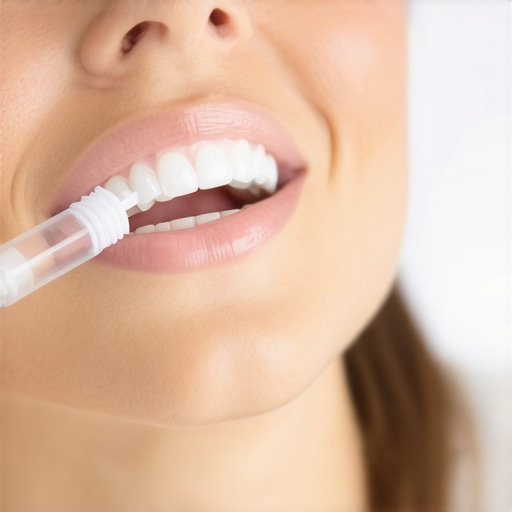
Check if Your Crown is Actually Leaking
Sometimes the smell is not just trapped food; it is a sign that the cement holding your crown in place has washed away. Think of it like a roof with a missing shingle. Water gets in, rot starts underneath, and you do not know it until you see the stain on the ceiling. You should learn how to tell if your filling is leaking or if your crown has a compromised seal. If you can taste something sour every time you bite down on a piece of bread, the seal is likely gone. In these cases, no amount of cleaning will fix the odor because the bacteria are living inside the tooth structure itself. This is often why we prefer zirconia for back tooth crowns, as they offer incredible durability and a precision fit that helps prevent these tiny margin failures.
The 30-Second Rinse Routine That Kills the Funk
After you have physically cleared the debris, you need to chemically neutralize the leftover anaerobic bacteria. These organisms thrive in environments without oxygen, which is why they love the space under your gums. I started incorporating family dental care hacks like using an alcohol-free antibacterial rinse that specifically targets sulfur-producing bacteria. Do not just swish and spit; you need to drive that liquid into the gum line by using your cheeks to create pressure. I spent years just doing a quick five-second gargle, which did absolutely nothing for my crown. Now, I focus the rinse on that specific corner of my mouth for a full thirty seconds. Combining this with teeth cleaning secrets like using a tongue scraper can drastically reduce the overall bacterial load in your mouth, making it much harder for that one crown to become a focal point of bad breath.One of the biggest lies we tell ourselves in family dentistry is that a lack of pain equals a lack of problems. In my experience, waiting for a tooth to ache before investigating a weird smell is like waiting for your car’s engine to smoke before checking the oil. You’ve likely heard that ‘cleaning is just for aesthetics,’ but that is a dangerous oversimplification. Modern revolutionary teeth cleaning techniques are less about the polish and more about managing the microscopic ecosystem under your gum line. If you are only focused on the surface, you are missing the war being waged in the sulcus—the tiny pocket between your tooth and gum. 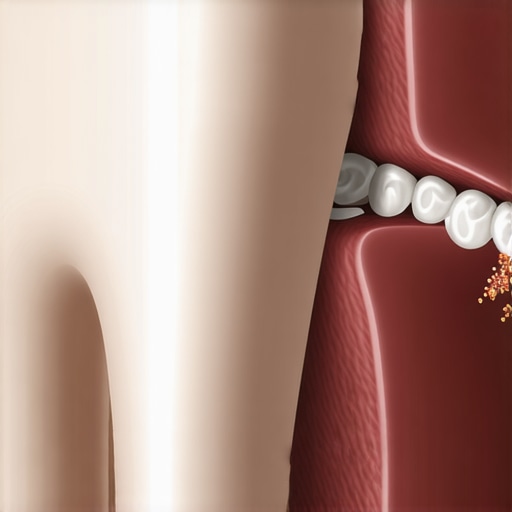
Stop trusting the ‘no pain, no problem’ rule
Most people assume that if their crown is not throbbing, the odor is just a hygiene quirk. This leads to the common ‘Oops’ factor: assuming a smell is superficial when it is often a sign of chronic inflammation or a failing internal seal. I have seen patients who ignored a slight scent for years, only to find that the underlying tooth had structural damage because of a slow-leaking margin. It is a common trap to think that the science behind teeth whitening or other cosmetic fixes will mask the issue, but a white smile can hide a decaying foundation. If you have ever noticed your crown feels loose specifically when you eat bread, you are already past the point of simple home cleaning.
Why does the odor persist even after a professional cleaning?
This is the nuance that separates basic care from advanced oral health. Even after regular dental cleanings, some people still deal with a localized funk. According to a study published in the Journal of Periodontology, localized malodor is often linked to niche environments created by aging dental work where standard tools struggle to reach. It is not always about how hard you brush; it is about the bio-compatibility and the physical fit of the restoration. This is why we often look toward cosmetic dentistry innovations like digital margin mapping. If the integrity of that seal is not checked with precision, you are just cleaning the door of a room where the trash hasn’t been taken out.
Don’t let your ‘squeaky clean’ routine destroy your smile
Here is a contrarian view: your obsession with being ‘squeaky clean’ might be making the smell worse. If you are scrubbing that crown area with a hard brush to get the stink out, you are likely causing micro-trauma to the gingival tissue. This creates a cycle of swelling and recession, providing even more spaces for bacteria to move into. Instead of more force, you need more precision. Incorporating family dentistry tips that make oral care effortless involves understanding that the gums need to be massaged, not sanded. Have you ever fallen into the trap of over-brushing because you were worried about your breath? Let me know in the comments below. If you are tired of the DIY guesswork and want a professional to take a look, you can always contact us to get to the bottom of it once and for all.Moving past the panic phase requires a tactical shift from scrubbing to precision irrigation. If you want to keep your dental work functioning for years, you need a toolkit that matches the complexity of modern restorations. Personally, I stopped relying on drugstore generic brushes and switched to a specific set of interdental tools with plastic-coated wires. Why? Because metal-on-metal contact between a brush wire and a crown margin can create micro-scratches where bacteria love to settle. Incorporating these into my preventive tips for long-lasting dental health for families was the turning point. I also started using a high-pressure water flosser with a specialized ‘orthodontic’ tip. This isn’t just for braces; the tapered bristles at the end of the nozzle allow you to physically agitate the biofilm while the water flushes it away, which is one of the most effective preventive tips for long-lasting dental health for families I can offer. 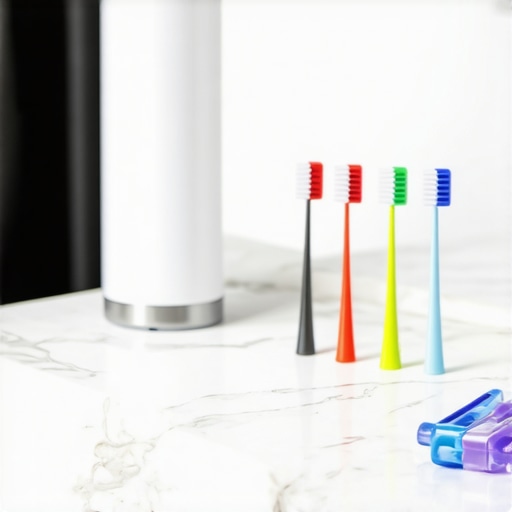
How do I keep my dental work lasting for decades?
Maintenance is a marathon, not a sprint. To truly protect your investment, you have to look at the long-term biological stability of the tooth. Dr. Gordon Christensen, a world-renowned authority on restorative dentistry and founder of the CR Foundation, often emphasizes that the ‘bio-management’ of the margin is more critical than the material of the crown itself. This means you need to be proactive about maintaining oral health expert advice for a lifetime of healthy teeth by scheduling cleanings every six months without fail. I learned that even if I am perfect at home, I cannot reach the calculus that hardens under the porcelain lip. Following specific expert advice for a lifetime of healthy teeth ensures that a professional can use ultrasonic scalers to vibrate away the debris I missed. If you are also balancing aesthetics, you should look into how to maintain your porcelain veneers so they last twenty years, as the maintenance protocols for crowns and veneers are very similar. Maintaining your porcelain veneers or crowns requires avoiding abrasive charcoals or whitening pastes that can dull the glaze of your restoration over time. Looking ahead, I predict we will soon see crowns with built-in pH sensors that alert your smartphone when the environment under your crown becomes too acidic, but until that tech arrives, your hands and a good water flosser are your best defense. We are already seeing cosmetic dentistry trends that transform your smile this year focusing more on these ‘smart’ materials and better bio-integration. Tonight, I want you to try this: mix a capful of alcohol-free antibacterial rinse into your water flosser reservoir and focus purely on that one problem tooth for sixty seconds. You will be amazed at the difference a targeted strike makes compared to a general brush. If the scent persists after three days of this routine, it is time to contact us and let a pro check that seal.
What My Smelly Crown Taught Me About True Oral Health
I used to think a crown was a set-it-and-forget-it solution, but I learned that restorations actually require more vigilance than natural teeth. One of my biggest lightbulb moments was realizing that oral health myths often lead us to ignore small warning signs like a faint sour taste or a localized scent. I also discovered that costly dental work doesn’t fail overnight; it fails in the microscopic gaps we neglect during our daily routines. Most importantly, I found that consistency beats intensity every single time—gentle, targeted cleaning is the real secret to longevity for any dental restoration.
The Specialized Gear That Finally Cleared the Air
To get the job done properly, I recommend a few specific tools that go beyond the standard toothbrush. First, a high-quality water flosser is non-negotiable for flushing out the margins where traditional bristles simply cannot reach. Second, I highly suggest adopting gentle teeth cleaning best practices for sensitive gums to ensure you are not causing recession while trying to stay clean. Finally, never underestimate the power of a professional’s eye; regular teeth cleaning by a hygienist ensures that plaque doesn’t calcify into tartar that traps odors permanently. #IMAGE_PLACEHOLDER_E#
Start Reclaiming Your Breath Right Now
You do not have to live in fear of your own breath or feel self-conscious during close conversations. By following expert advice for a lifetime of healthy teeth, you can ensure your dental work stays fresh and functional for decades. If you have tried the home routines and the funk is still there, it is time to stop the guesswork and ensure your foundation is still solid. Professional teeth cleaning and a quick seal check can save you from an expensive replacement down the road. If you are ready to stop worrying and start smiling again, feel free to contact us to schedule a thorough assessment. Have you ever dealt with a persistent dental odor that would not go away? Let me know your experience in the comments below!