
I’ll never forget the morning I finished my last dose of amoxicillin. I stood in front of the bathroom mirror, expectantly pulled back my lip, and… nothing. My gums were still as puffy and red as a ripe tomato. I felt totally defeated. I’d done everything right—taken the pills on time, avoided the sugary snacks—and yet, the inflammation wouldn’t budge. If you’re standing where I was, feeling like your body is failing you, take a deep breath. You aren’t doing it wrong, but there is a piece of the puzzle you’re probably missing. Today, we are going to dig into why those meds didn’t provide the ‘magic bullet’ result you were promised and how we can actually get that swelling down for good.
The Meds Finished But the Puffiness Stayed
Usually, we think of antibiotics as a cleaning crew that wipes out the bad guys and leaves everything sparkling. In reality, they are more like a temporary ceasefire. When I first dealt with this, I made the classic mistake of assuming the pills would dissolve the hardened gunk under my gumline. Spoiler alert: they can’t. Antibiotics travel through your bloodstream to fight infection, but they can’t reach the physical ‘fortresses’ of tartar and plaque that caused the problem in the first place. This is where oral health myths debunked come into play—medicine alone isn’t a substitute for physical removal. According to the Mayo Clinic, dental biofilm is a complex community that requires mechanical disruption to truly go away, rather than just chemical intervention.
Is this swelling a sign of a much bigger failure?
It’s the question that kept me up at night: ‘Is my immune system just broken?’ The answer is almost certainly no. Your gums stay swollen because the ‘irritant’—the bacteria’s home base—is still tucked away in those deep pockets. This is often why how regular teeth cleaning can prevent major dental issues is the actual hero of the story. If you haven’t had a professional cleaning recently, the antibiotics are just putting a band-aid on a splinter that’s still stuck in your finger. Have you ever finished a round of meds only to feel like you were right back where you started? It is incredibly frustrating, but it’s actually a very common hurdle in family dentistry. We need to look at what’s happening beneath the surface, especially if you have sensitive tissues that need gentle teeth cleaning. Let’s look at the mechanical reasons your body is still sounding the alarm.
Stop waiting for the pills to do the heavy lifting
The real reason your gums stay red and puffy is that bacteria have built a literal ‘city’ called calculus, or tartar, which is cemented to your tooth surface. Think of it like a barnacle on the hull of a ship. You can pour all the antibiotics you want into the surrounding water, but those barnacles aren’t moving until you physically scrape them off. This is a core pillar of family dentistry: recognizing when home care and medication need a professional assist to break the cycle of inflammation.
Break through the bacterial fortress
Antibiotics work through your blood, but the ‘fortress’ of tartar has no blood supply. It sits there, housing millions of bacteria that continue to irritate your tissues. I remember a specific time I tried to ‘power brush’ my way out of this exact situation. I thought if I just used more pressure, I could scrub the infection away. The result was messy; my gums bled for twenty minutes, and my face throbbed for hours. I learned the hard way why your gums throb after brushing too vigorously. I was adding physical trauma to an existing infection instead of removing the source. The source isn’t the surface film; it is the debris trapped deep in the pocket, much like the best way to deal with a piece of popcorn stuck in your gum involves precision, not brute force.
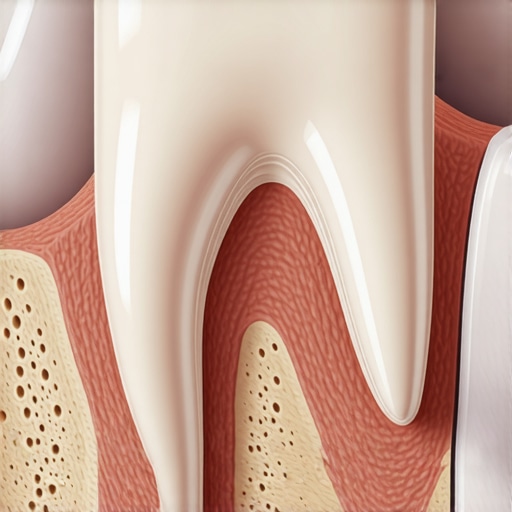
How a deep cleaning clears the path for healing
If you have finished your meds and the swelling persists, you likely need a procedure called scaling and root planing. This isn’t your standard polish; it involves a specialist going beneath the gumline to vibrate those bacterial fortresses loose. You can find more details in the ultimate guide to teeth cleaning techniques and benefits. Once that physical debris is gone, your body can finally use the ‘cleanup’ work the antibiotics started to actually close the tissue back up against the tooth. Without this step, you are just in a holding pattern of chronic irritation.
Treat your gums like fine silk instead of a dirty carpet
Once the ‘fortress’ is dismantled, your next step is to manage the recovery phase. This is where most people fail because they go back to aggressive habits. You need to use a soft-bristled brush to gently massage the area without reopening wounds. Learning how to choose the right toothbrush bristle strength for your gums is vital here. If you feel a strange sensation during this phase, don’t panic; it is often part of the healing process, similar to why your gums feel itchy after a deep dental cleaning. Your tissues are finally reattaching and blood flow is returning to normal. To speed things up, focus on gentle teeth cleaning techniques that emphasize circular motions rather than back-and-forth sawing. By combining professional removal with this delicate at-home approach, you stop the ‘revolving door’ of gum infections and move toward a permanent state of maintaining oral health.
Most people believe that if their teeth look white and their breath is fresh, they have conquered the battle of oral health. But here is the contrarian truth: some of the most diseased mouths I have ever seen belonged to people with blindingly white smiles. We often get so distracted by the aesthetic side of cosmetic dentistry that we ignore the ‘silent’ inflammation happening beneath the surface. If you are finishing your meds and still seeing red, you might be falling into the trap of treating the symptoms while ignoring the architecture of your mouth.
The whitening trap that stalls your healing
A common mistake I see is patients trying to ‘brighten’ their way out of a dental issue. They notice their gums are puffy, so they reach for over-the-counter kits, but this is a massive ‘oops’ factor. Using chemicals on inflamed tissue is like throwing gasoline on a campfire. If you aren’t careful, you will end up researching the most common mistakes people make with whitening strips the hard way. The peroxide can irritate the already sensitive gingival margin, causing the swelling to linger for weeks longer than it should. You have to earn the right to whiten by establishing a healthy foundation through regular teeth cleaning first.
Can my gums actually reattach to my teeth once a pocket has formed?
This is the ‘advanced’ question that separates a standard cleaning from true periodontal therapy. Once bacteria have pushed your gums away from the tooth, creating a ‘pocket,’ the tissue doesn’t just snap back like a rubber band the moment the bacteria die. According to a study published by the American Academy of Periodontology, systemic antibiotics often fail to penetrate the ‘extracellular polymeric substance’ (the slime layer) of a mature biofilm. This means even if the meds kill some bacteria, the physical structure remains, preventing your gums from reattaching. This is why you might still see the reason your gums recede even if you have good habits—the physical gap is still there, acting as a revolving door for new debris. 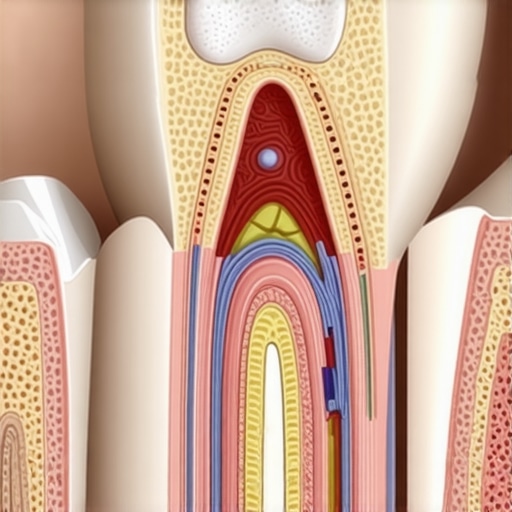
Why ‘clean’ isn’t a feeling you can trust
We are conditioned to think that if we can’t feel a piece of food stuck in our teeth, they are clean. This is the biggest myth in family dentistry. Microscopic tartar can hide in the ‘col’—the small dip in the gum tissue between your teeth—where no brush or floss can reach once it has hardened. If you are relying on that ‘squeaky clean’ feeling to tell you when you’re healthy, you’re already behind. True health is measured by the depth of your periodontal pockets during a check-up, not the smoothness of your enamel. We need to move away from reactive care and toward preventive tips for long-lasting dental health that account for these hidden biological spaces. Have you ever fallen into this trap of thinking white teeth meant healthy gums? Let me know in the comments below, and let’s talk about how to actually close those gaps for good.I used to think a standard toothbrush and some string floss were enough to maintain the work done during a deep cleaning. I was wrong. Once you’ve dealt with inflammation, your mouth changes. The anatomy of your gum line isn’t the same as someone who has never had a pocket. That’s why I’ve become obsessed with tools that provide mechanical disruption in places where a brush simply cannot fit. If you’re serious about maintaining oral health, you have to stop thinking like a generalist and start acting like a specialist of your own mouth.
The one tool that actually reaches the danger zone
I personally swear by a water flosser, but not with the standard tip most people use. I use the ‘Pik Pocket’ tip. While the standard jet is great for debris, the specialized soft rubber tip allows you to gently deliver a low-pressure stream of water or a diluted antimicrobial rinse directly into those 4mm or 5mm pockets. This is one of the top 5 secrets to maintaining perfect oral health as a family. It’s about precision. Dr. Paul Keyes, a renowned researcher in periodontal health, famously advocated for this kind of localized therapy because it addresses the bacteria right at the source of the infection.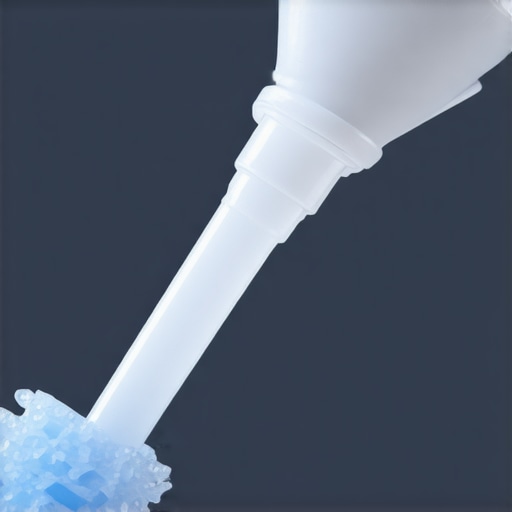
How can I maintain my gum health for the next decade?
The key to long-term success is consistency with interdental tools. Research published in the *Journal of Clinical Periodontology* indicates that interdental brushes are significantly more effective at removing plaque from between the teeth than traditional floss, especially in patients with a history of gum disease. I use these little brushes every single night before I even touch my toothbrush. It ensures that when I do brush, the fluoride or hydroxyapatite can actually reach the tooth surfaces that were previously blocked by gunk. This habit is the backbone of family dentistry tips that make oral care effortless and effective. If you’ve invested in your smile through cosmetic dentistry, this step is non-negotiable to protect that investment.
The future of bio-hacking your mouth
Looking ahead to 2025 and beyond, I predict we are moving away from ‘one size fits all’ cleanings. We are entering an era of revolutionary teeth cleaning techniques where we will use at-home DNA kits to test our oral microbiome. Instead of just guessing which bacteria are causing the puffiness, we’ll know exactly which strains are present and treat them with targeted probiotics. This will be a game-changer for preventive tips for long-lasting dental health. If you want to see a massive difference by tomorrow morning, try this: use an interdental brush on just your bottom front teeth tonight. You’ll be shocked at what your regular brush has been missing.
The Biggest Misconception That Kept My Gums Inflamed
I spent years thinking that if a pill didn’t fix me, my body was the problem. The hardest lesson I learned was that antibiotics are a tool, not a cure-all. They can reduce the bacterial count in your saliva, but they can’t penetrate the calcified ‘city’ that bacteria live in. Once I realized that I needed to partner with my dentist for a deep cleaning, everything changed. In fact, understanding how regular dental cleanings can save you money in the long run was a massive lightbulb moment for me; I was spending more on temporary fixes than the actual solution. It is also a core part of oral health myths debunked that meds alone can’t fix a mechanical problem.
The Daily Toolkit for Deep-Cleaning at Home
After my scaling and root planing, I had to change my approach. I stopped relying on luck and started using specific tools that I now trust implicitly. First, interdental brushes are non-negotiable for anyone who has experienced gum pockets. They reach the concave areas of your teeth that floss just skips over. Second, a water flosser with a soft-tip attachment helps flush out the debris that feeds inflammation. These are the real top 5 secrets to maintaining perfect oral health as a family. Using these tools means you aren’t just cleaning the surface; you are disrupting the architecture of the bacteria. You can find more of these teeth cleaning secrets to help speed up your morning routine.
#IMAGE_PLACEHOLDER_E#
Believe in Your Body’s Ability to Heal
If you are still seeing red in the mirror, don’t lose heart. Your body wants to heal; it just needs you to remove the physical barriers standing in its way. By combining professional care with these preventive tips for long-lasting dental health, you can stop the cycle of recurring swelling. Your journey to maintaining oral health starts the moment you decide to stop treating symptoms and start addressing the cause. Have you ever felt like your dental routine was a losing battle despite taking your medications? Let me know in the comments below!