
I remember the first time I bit into a crisp Granny Smith apple after getting my veneers. My heart didn’t just skip a beat; it stopped. I was terrified I’d hear that dreaded crack and see a small fortune of porcelain sitting in the fruit. That moment of pure, unadulterated fear is something every person with a new smile knows too well. You’ve invested time and money into enhancing confidence with cosmetic dentistry, and now you’re basically holding your breath every time you pick up a fork. I spent my first six months treating my teeth like they were made of fine crystal, which, honestly, wasn’t the way to live. But here’s the good news: you can stop being afraid. Today, we are going to solve the mystery of longevity. I’m going to show you how to move past the anxiety and create a routine that keeps those shells bonded and bright until your kids are grown. Most people think veneers are a ‘set it and forget it’ deal. They aren’t. But they also shouldn’t be a source of constant stress. We’re aiming for the twenty-year mark, and it is more achievable than you think.
Stop Scrubbing Your Veneers Like They Are Natural Enamel
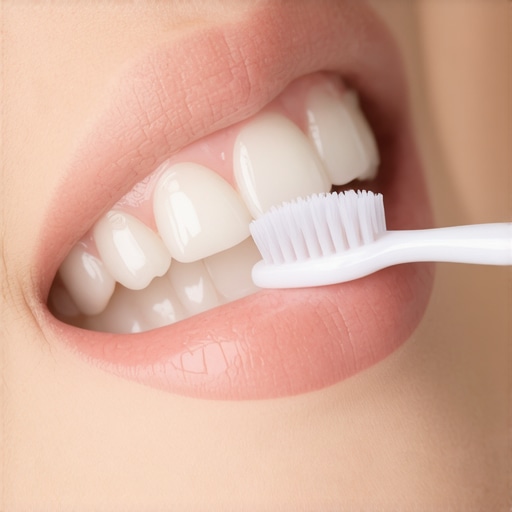
Early on, I made a massive mistake: I kept using my old ‘whitening’ toothpaste because I thought it would keep the porcelain bright. Big error. I didn’t realize that the abrasive grit in those pastes can actually micro-scratch the surface of the porcelain, dulling that gorgeous sheen over time. You need to be incredibly picky about your tools. If you’re still using a medium or firm brush, you’re essentially sanding down your investment. It’s vital to choose the right toothbrush bristle strength to protect the margins where the porcelain meets your gums.
Are These Things Actually Going to Last Half My Life?
It sounds like a tall tale, doesn’t it? We’ve all heard stories of veneers popping off in five years. But durability is largely in your hands. According to the American Academy of Cosmetic Dentistry (AACD), porcelain is significantly stronger than composite, and with the right expert advice for a lifetime of healthy teeth, reaching that 20-year milestone is entirely realistic. Have you ever felt that sudden jolt of panic when you accidentally bit down on a stray popcorn kernel? Tell me about your ‘veneer anxiety’ moments in the comments. I’ve lived through plenty, including the time I thought a cup of coffee had permanently stained my new smile. While you can’t use the same tricks as natural teeth, such as common whitening strips, you can master a specialized care system that works even better.
Protecting that bond means changing how you view your morning routine. You aren’t just cleaning teeth; you are managing a high-performance material. This is where the strategy shifts from general oral hygiene to specialized care. Think of your veneers as a custom paint job on a luxury car; you wouldn’t use steel wool to wash it, and you shouldn’t use harsh methods on your porcelain either.
Protect Your Porcelain Investment with These Daily Tactics
The first rule is to stop thinking about ‘whitening’ and start thinking about ‘polishing.’ Since porcelain is non-porous, it doesn’t stain like natural enamel. However, the surface can become etched and dull if you use the wrong products. I learned this the hard way during what I call ‘The Great Charcoal Scare of 2022.’ I thought I was being extra thorough by using a trendy charcoal-based paste. Within weeks, I noticed a tiny, dull patch on my lateral incisor. Panic set in. It turned out the abrasive particles were micro-scratching the finish. I immediately switched to a non-abrasive fluoride gel, and while the scratch was permanent, the rest of my smile was saved. It is helpful to know how to choose between a porcelain veneer and a composite bonding because the maintenance requirements for each differ significantly, but the ‘no-grit’ rule applies across the board.
Ditch the Grit and Choose a Gel Paste
When shopping, look for the RDA (Relative Dentin Abrasivity) value on your toothpaste. You want something below 70. Most whitening pastes are way above 100. A plain, smooth gel is your best friend here. If you are ever in doubt, rub a bit of the paste between your fingers; if you feel even the slightest grain, it’s too rough. This gentle approach is one of those teeth cleaning secrets to achieve a bright smile without risking the integrity of the porcelain bond.
Master the Art of the Sliding Floss
Most people ‘snap’ their floss up into the gum line. With veneers, that upward snap can put unnecessary pressure on the edge of the porcelain. Instead, slide the floss gently between the teeth and, most importantly, pull it out horizontally through the gap rather than snapping it back up. This prevents you from catching the edge of the veneer and potentially weakening the cement over time. Proper technique here is a cornerstone of how regular teeth cleaning can prevent major dental issues like margin decay.
Give Your Jaw a Break Every Night
Bruxism—the fancy word for teeth grinding—is the number one assassin of cosmetic dental work. Even if you don’t think you grind, the stress of a long day often manifests as clenching while you sleep. I didn’t think I was a grinder until my dentist pointed out the wear on my lower natural teeth. Now, my nightguard is my most prized possession. It acts as a shock absorber. There is a clear connection between stress and your worn down molars, and a custom-fitted guard ensures that if you do clench, the pressure is distributed across the plastic rather than concentrated on a single porcelain edge. Just remember to keep it sterile; learning how to clean a nightguard without using harsh chemicals will keep your breath fresh and your gums healthy.
Let the Pros Handle the Heavy Lifting
Finally, your six-month check-ups are no longer optional. When you go in, remind the hygienist that you have veneers. They will avoid using ultrasonic scalers or heavy-duty polishing pastes on those specific teeth. These professional visits are a vital part of expert advice for a lifetime of healthy teeth. They can spot a tiny bit of lifting or a marginal stain before it becomes a failure, and seeing how regular dental cleanings can save you money by preventing a full veneer replacement is the best motivation there is.
The Pressure Trap That Destroys Your Smile
I used to think that the more force I applied, the cleaner my teeth would be. This is perhaps the most persistent of the oral health myths busted what every family should know. In reality, high-pressure scrubbing is a primary cause of what we call ‘toothbrush abrasion.’ You aren’t just cleaning; you’re carving notches into the tooth structure. According to a study published in the Journal of Clinical Periodontology, excessive brushing force does not improve plaque removal but significantly increases the risk of gingival recession. If you’ve invested in porcelain, this is a disaster because it exposes the natural tooth underneath the margin. I’ve seen people who accidentally accelerated the rate at which their gums recede faster if you use a hard bristled brush by trying to be too thorough. Your veneers won’t wear away, but the foundation holding them will.
Why is my gum line retreating from my new veneers?
This is the advanced question every cosmetic patient eventually asks when they notice a tiny gap appearing at the top of their smile. Sometimes, it isn’t even your brushing technique; it’s the ‘Oops’ factor of using products that aren’t compatible with the dental bonding agent. For instance, some people try to use over-the-counter kits to whiten their remaining natural teeth, only to find the reason your gums look receded after using whitening strips is chemical irritation at the veneer site. The real nuance here is that porcelain itself is inert, but your living tissue is highly reactive. One of the most dangerous oral health myths debunked what you need to know in 2025 is the idea that ‘natural’ remedies are always safer. I’ve talked to many readers who used apple cider vinegar rinses to ‘brighten’ their porcelain, not realizing the acid was actually micro-etching the surface and weakening the bond.
The Dangerous Allure of DIY Whitening Hacks
Have you ever fallen into this trap of trying a ‘natural’ dental hack that backfired? Let me know in the comments. We need to shift the focus from ‘scrubbing’ to ‘biofilm disruption.’ This subtle change in mindset is the heart of the ultimate guide to teeth cleaning techniques and benefits. When you prioritize the health of the gum margin over the sheer force of the brush, you ensure the architecture of your smile remains intact for decades rather than just a few years. 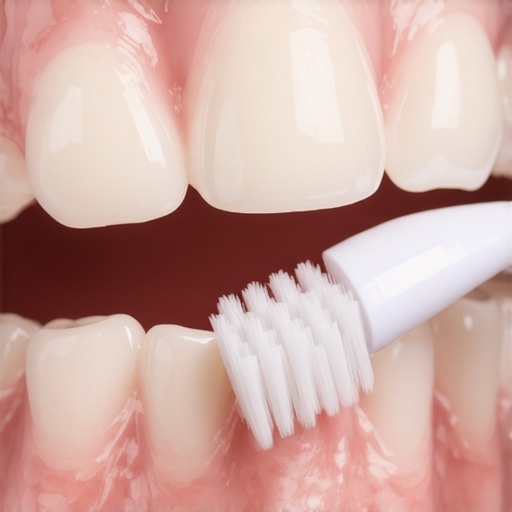 Understanding that your gums act as a frame for your porcelain ‘artwork’ is the first step toward true expertise in oral maintenance. If that frame retreats due to aggressive cleaning, the entire aesthetic investment is compromised, regardless of how white the porcelain remains.
The Hardware Upgrade Your Porcelain Deserves
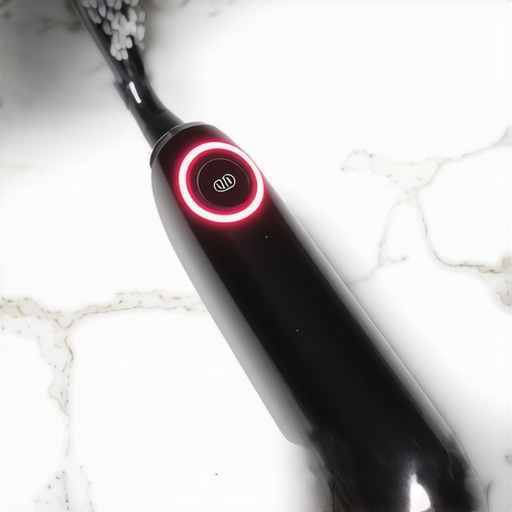
I’m a bit of a nerd when it comes to the hardware I use. Once you realize that transform your smile the impact of cosmetic dentistry in 2025 is as much about the engineering as the art, you start looking at your bathroom vanity like a laboratory. I personally transitioned to an electric brush with a built-in haptic pressure sensor. Most people brush like they are trying to remove rust from a car bumper, but with veneers, that’s a recipe for disaster. The sensor flashes a warning the second I apply more than 150 grams of pressure. This isn’t just about comfort; it’s about preserving the micro-thin glaze that gives your teeth their luster. This level of precision is one of the top 5 secrets to maintaining perfect oral health as a family, ensuring that even the most enthusiastic brushers in your household don’t do accidental damage.
My second non-negotiable tool is a high-quality water flosser. While traditional floss is essential for breaking the contact points between teeth, a water flosser allows you to clean the ‘gingival sulcus’—the shallow pocket where the porcelain meets your gum line—without any mechanical friction. If you’ve ever worried about your nightguard getting dingy, it’s worth learning how to clean a nightguard without using harsh chemicals because that same buildup can settle around your veneer margins. I use the water flosser on a medium setting twice a day, and it has practically eliminated the localized inflammation I used to see every morning.
How can I keep my cosmetic work looking brand new for decades?
The secret lies in shifting your focus from ‘cleaning’ to ‘preservation.’ In a study published in the Journal of Prosthetic Dentistry (Vol 121), researchers found that even small deviations in surface roughness can lead to significant plaque accumulation on porcelain. This is why professional cleanings at a clinic specializing in family dentistry building a foundation of healthy smiles for all ages are so critical. They use specialized non-abrasive polishing pastes that restore the surface tension of your veneers without thinning the material. Looking ahead, I suspect we are on the verge of a major shift where smile bright revolutionary teeth cleaning techniques for 2025 will include at-home UV scanners that help us identify biofilm before it hardens into tartar.
We are also seeing incredible progress in contouring veneers the future of cosmetic dentistry revealed, which will allow for even more seamless transitions between porcelain and natural tooth, making maintenance easier than ever. For now, your best defense is a gentle hand and the right gear. Tonight, I want you to try one thing: when you floss, don’t snap it back out. Instead, let go of one end and pull it through horizontally. It removes the risk of catching the edge of a veneer and is the single most effective way to protect your investment at home. It’s a small, technical tweak that makes a massive difference in the long-term integrity of your smile.
The Hard Lessons That Saved My Smile
One thing nobody tells you during the initial consultation is that your teeth will actually ‘sound’ different once the porcelain is bonded. There is a specific, subtle ceramic clink when a glass touches your veneers; it’s a tiny reminder of the high-tech materials involved in cosmetic dentistry. I also realized that while veneers are incredibly strong, I had to stop using my front teeth as ‘utility tools’—no more tearing open snack bags or biting tape. This mental shift is one of the most important preventive tips for long-lasting dental health for families who want to keep their work pristine. Another ‘lightbulb moment’ was realizing that my gum health was the true anchor. If you have little ones at home, sharing family dental care hacks to keep your kids smiling daily creates a culture of health that supports your own investment too.
Tools That Earned My Trust and My Teeth
If you were to peek into my cabinet today, you wouldn’t find a cluttered mess of generic products. You would see a haptic-sensor electric toothbrush that vibrates if I’m even a fraction too aggressive. You’d also see a high-powered water flosser, which I consider the ‘gold standard’ for teeth cleaning because it flushes out the gaps where the porcelain meets the natural tooth without any friction. #IMAGE_PLACEHOLDER_E# I also stay updated on the latest cosmetic dentistry innovations you can’t miss this year, which often highlight new, gentler polishing agents that won’t scratch the porcelain glaze. These tools aren’t just gadgets; they are the ultimate insurance policy for my long-term oral health.
Your Journey Toward Unstoppable Confidence Starts Now
Investing in a new smile is about more than just aesthetics; it’s about the way you carry yourself in every room you enter. By switching from a ‘scrubbing’ mindset to a ‘preservation’ mindset, you ensure that your investment pays dividends for decades. Don’t let fear dictate how you live—let knowledge empower how you clean. Your commitment to these small daily habits will keep your porcelain bright and your confidence even brighter. Cosmetic dentistry is a life-changing gift you give yourself, and now you have the map to keep it forever. Have you ever felt a bit of ‘veneer anxiety’ when eating something crunchy? Let me know your experience in the comments below!