
I’ve been there. You’re finally done with the drills, the molds, and the temporary crown that tasted like old plastic. You walk out of the clinic with a beautiful new tooth, feeling like a million bucks. Then, you try to eat. Suddenly, your jaw doesn’t close right. One side of your mouth hits first, and it’s all you can think about. It’s like having a pebble in your shoe, but you’re walking on it with every single bite. My mistake was thinking my mouth would just ‘figure it out.’ It didn’t. I spent a week chewing on one side of my face like a lopsided squirrel. Today, I’m going to walk you through the tell-tale signs that your crown is too high and why you need to call your dentist sooner rather than later. We’ll cover everything from that weird ‘clicking’ sound to the muscle tension that starts in your cheek and ends in a full-blown migraine.
Why Your Mouth Feels Like It’s Biting a Rock
When you get a new crown, you expect it to feel like a natural tooth. But if yours is even slightly out of alignment, it can throw your whole system into chaos. I learned the hard way that the reason your teeth feel taller isn’t always because of the filling material itself, but often because the crown’s anatomy doesn’t quite match the peaks and valleys of the opposing tooth. If you find that your crown feels loose specifically when you eat bread or other chewy foods, your bite is likely hitting that tooth before any others. This isn’t just an annoyance; it’s a mechanical issue. Your jaw muscles try to compensate for the ‘high spot,’ which eventually leads to a dull, throbbing ache. You might even start wondering if your jaw pain is from stress, when in reality, it’s just your body reacting to a tiny piece of porcelain that’s a fraction of a millimeter too thick.
Is it really possible for a tiny piece of porcelain to hurt this much?
The short answer is a resounding yes. Our mouths are incredibly sensitive instruments. In fact, research published in the Journal of Oral Rehabilitation indicates that humans can detect objects between their teeth as thin as 20 to 30 microns. That is thinner than a strand of hair! This is why a crown that isn’t perfectly flush feels like a mountain in your mouth. I remember feeling a bit silly calling my dentist back. I thought, ‘Surely I’m just being sensitive?’ But that was my first mistake. I waited, hoping the tooth would ‘sink’ into the gum or that I’d just get used to it. Neither happened. Instead, I developed localized inflammation that made the tooth sensitive to cold and pressure. If you’re currently dealing with this, don’t wait as I did. Have you ever felt like your teeth just don’t fit together the way they used to after a dental visit? Getting this fixed is usually a five-minute adjustment, but the relief is instantaneous. Whether you are at home or dealing with a lost crown during a business trip, understanding the mechanics of your bite is the first step to staying comfortable.
Identify the High Spot Before Your Jaw Pays the Price
Think of your bite like a perfectly balanced four-legged table. If one leg is even a fraction of an inch too long, the whole table wobbles every time you put weight on it. Your new crown is that long leg. To see if your crown is truly the culprit, try the ‘clench and slide’ test. Sit upright—gravity actually changes how your jaw sits—and slowly bring your teeth together. Do you feel that specific crown hit first? Now, try to slide your teeth side-to-side. If the crown ‘catches’ or feels like a speed bump, you’ve found your high spot. I remember sitting at my kitchen table, tapping my teeth together and realizing that the reason your jaw makes a popping sound when you yawn or chew might actually be your muscles straining to bypass that one high tooth. If you ignore this, you aren’t just dealing with a weird sensation; you’re risking a fractured crown or a bruised ligament.
The Tapping Test and What it Reveals
A quick way to self-diagnose is to tap your teeth together rapidly, like you’re shivering. In a healthy mouth, you should hear a solid, singular ‘thud.’ If you hear a ‘clatter’ or a double-tap sound, one tooth is making premature contact. When I finally went back to my dentist, I told him it felt like I was wearing one high heel and one sneaker. He used a thin strip of articulating paper—basically dental carbon paper—and had me bite down. That tiny blue mark on the porcelain showed exactly where the ceramic was overbuilt. By shaving down just a few microns, he balanced the load. This is a standard part of cosmetic dentistry innovations you cant miss this year, as modern tools allow for incredibly precise adjustments that save your natural tooth structure while ensuring the crown lasts for a decade. 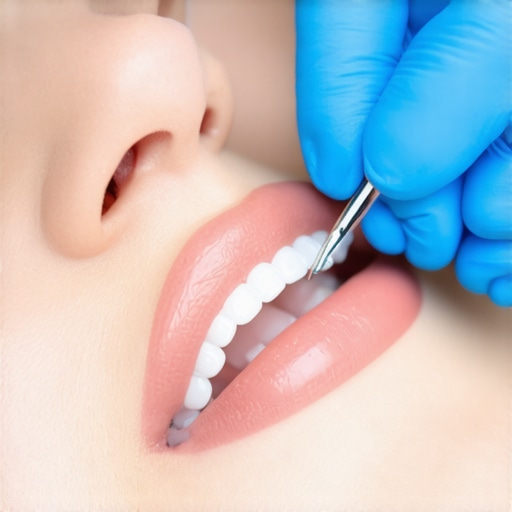
Communicate the Right Way with Your Dentist
When you call the clinic, don’t just say it ‘feels weird.’ Be specific. Tell them if the pain is sharp when you bite down or if it’s a dull ache that lingers. Specificity helps them differentiate between a high bite and a nerve that’s simply irritated from the procedure. I once made the mistake of downplaying my discomfort, thinking I was just being a ‘difficult’ patient. I ended up needing a longer appointment because the inflammation had worsened. You need to know how to tell if your jaw pain is from stress or a cavity versus a mechanical bite issue. If the pain vanishes when you aren’t eating, it’s almost certainly a high crown.
Avoid the Domino Effect of Muscle Tension
If you wait too long, your jaw muscles will begin to ‘guard’ the area, leading to a host of secondary problems. Chronic misalignment is often the connection between grinding your teeth and frequent migraines. Your body tries to grind down the high spot in your sleep, which stresses the temporomandibular joint (TMJ). This is why maintaining oral health expert advice for a lifetime of healthy teeth always includes prompt adjustments. A quick five-minute fix today prevents a month of physical therapy for your jaw later.
Why Professional Cleaning Matters After Adjustments
Once your bite is leveled, you might notice the area feels slightly different to your tongue. This is the perfect time to ensure you are staying on top of hygiene. Understanding how regular teeth cleaning can prevent major dental issues is vital because a crown that was once high may have caused slight gum recession during the period of inflammation. Keeping that margin clean ensures that your new, perfectly-leveled crown stays seated and healthy for years to come.One of the most persistent oral health myths debunked what you need to know in 2025 is the idea that you should give it a few weeks for a new crown to settle into place. In my experience, this is the single biggest mistake a patient can make. Your teeth are not like a new pair of leather boots that need breaking in; they are rigid structures anchored by a highly sensitive ligament. When you wait for a high tooth to settle, you aren’t actually seeing the tooth move into a better position. Instead, you are likely bruising the periodontal ligament (PDL) or forcing the opposing tooth to shift out of its natural alignment. This mechanical trauma can lead to a condition called pulpitis, where the nerve inside the tooth becomes so inflamed that it requires a root canal—all because of a tiny high spot that could have been polished down in minutes.
Stop Waiting for Your New Tooth to Settle
I’ve seen patients who tough it out for a month, thinking they are being a good patient. But oral health myths busted what every family should know often highlight that pain is a signal, not a suggestion. A study in the Journal of Prosthodontic Research found that even minor occlusal interferences—as small as 100 microns—can significantly alter the electromyographic activity of your jaw muscles within just 24 hours. This means your body is already overcompensating and straining before you’ve even finished your first day with the new crown. If you feel that clink before other teeth touch, the damage is already starting.
The Numbness Trap That Fools Most Patients
Here is the oops factor most people encounter: the chairside bite check. When your jaw is still frozen from local anesthesia, your proprioception—your body’s ability to sense its own position—is completely offline. You might bite down on that articulating paper and tell your dentist it feels fine simply because you can’t feel anything at all. This is where cosmetic dentistry trends that transform your smile this year are focusing on digital occlusal analysis rather than just colored paper. My advice? Never assume the bite is perfect until the numbness has worn off and you’ve tried to chew something of actual substance. If it’s wrong then, go back immediately. 
Why does my bite feel fine in the morning but wrong by dinner?
This is a common question from patients who are confused by a fluctuating sensation. The nuance lies in your spinal and jaw posture throughout the day. As you fatigue, your jaw muscles can tighten, and the discs in your temporomandibular joint can compress slightly. This change in vertical dimension can make a crown that felt acceptable at 8:00 AM feel like a massive obstacle by 6:00 PM. Furthermore, the material used for your restoration plays a role; for example, why we prefer zirconia for back tooth crowns instead of porcelain often comes down to its incredible durability, but its hardness means it won’t wear down to fit your bite like a natural tooth would. It must be adjusted perfectly by a professional. Staying proactive not only saves your jaw but also ensures that how regular dental cleanings can save you money in the long run remains true by preventing expensive emergency repairs. Have you ever fallen into the trap of waiting for a dental issue to fix itself? Let me know in the comments.If you are still feeling that annoying ‘clink’ or a sense of unevenness after your procedure, it is time to look beyond the basic blue carbon paper. In my own journey with restorative work, I discovered that the most critical phase of dental recovery isn’t the drilling—it’s the calibration. Most clinics still rely on the ‘bite and grind’ method with articulating paper, but this is often a subjective and imprecise test. I am a huge advocate for T-Scan digital occlusal analysis. This isn’t just another gadget; it is a computerized sensor that measures exactly how much pressure is hitting each tooth and in what millisecond it happens. When my dentist switched to this, we found a high spot on the lingual side of my crown that the paper hadn’t even marked because my saliva had washed the dye away. Following maintaining oral health expert advice for a lifetime of healthy teeth means ensuring your bite is balanced at a microscopic level.
How do I maintain my bite and crown alignment over time?
Consistency is your best friend when it comes to longevity. You cannot just set a crown and forget it. I personally recommend incorporating the ultimate guide to teeth cleaning techniques and benefits into your daily routine to prevent the slight gum shifts that can alter how a tooth sits in the socket. Furthermore, understanding how regular teeth cleaning can prevent major dental issues helps you spot those micro-changes in your bite before they lead to structural failures or tooth fractures. We are also seeing a massive shift in how we approach initial impressions; learning how we use digital scanners to avoid messy dental molds is key because these 3D models provide a much more accurate baseline for your bite than old-school putty ever could. According to research published in the Journal of Prosthetic Dentistry, digital occlusal sensors offer a 95% accuracy rate in identifying force imbalances compared to the roughly 20% accuracy of traditional subjective methods. Looking ahead, I predict we will soon see AI-integrated nightguards that sync with your smartphone to alert you when your bite force changes during sleep, catching misalignment before you even feel the first headache. 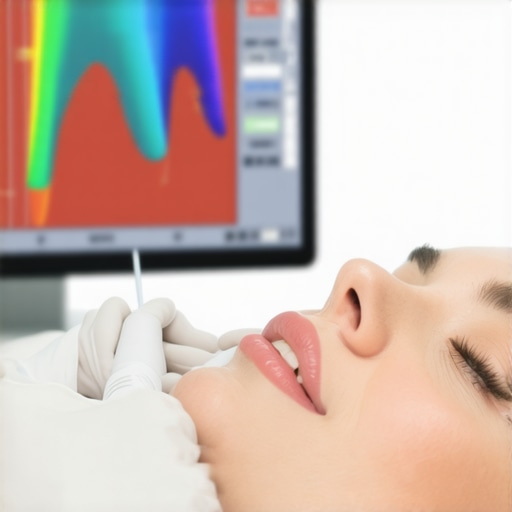 If you want to scale your oral health for the long term, you must treat your mouth like a fine-tuned engine. Don’t let a tiny misalignment cause a total mechanical breakdown. My specific advice? Check your bite tonight using the ‘clatter’ test—tapping your teeth together rapidly—and if it sounds like a double-tap instead of a solid thud, get a digital adjustment scheduled immediately.
The Hard Truth About Ignoring That Tiny Clink
After years of navigating dental procedures, I’ve realized that the most dangerous phrase in dentistry is ‘I’ll just get used to it.’ When a crown is high, your brain tries to rewire your chewing patterns, but your joints simply can’t keep up. One major lightbulb moment for me was learning that oral health isn’t just about being cavity-free; it is about mechanical harmony. Another lesson? Don’t be afraid to go back twice. Sometimes, as inflammation from the initial procedure goes down, a second tiny polish is needed to achieve perfection. Lastly, remember that your posture matters—if you only test your bite while lying down in the dentist’s chair, it will feel different when you’re standing up or sitting at your dinner table.
My Go-To Resources for a Perfectly Balanced Smile
To ensure your restorative work lasts a lifetime, I recommend looking into these specific tools and guides. First, ask your provider about how we use digital scanners to avoid messy dental molds, as these provide the most accurate bite data available today. For daily maintenance, I swear by the ultimate guide to teeth cleaning techniques and benefits to keep the gum line around the crown healthy. Finally, keep a copy of these oral health myths debunked what you need to know in 2025 bookmarked; it’s the best way to separate dental facts from outdated settling theories that lead to long-term jaw pain and how regular teeth cleaning can prevent major dental issues in the future.
Take Charge of Your Oral Health Before the Pain Starts
You do not have to live with a pebble in your mouth. Whether it’s a minor adjustment or a deeper look at your alignment, being proactive is the only way to safeguard your investment. By prioritizing your oral health and listening to your body’s signals, you are preventing migraines, fractures, and unnecessary stress. Go ahead and try that tapping test one more time tonight—your jaw will thank you for it. Have you ever had a dental crown that felt just a little bit off? Share your experience in the comments below!