
I’ll never forget the first time I sat in my car after a routine composite filling, tentatively nibbling on a soft granola bar. *Clunk.* It felt like my back molar had suddenly grown a second story. I looked in the rearview mirror, expecting to see a literal tusk, but everything looked perfectly normal. It is an incredibly frustrating, almost panicky sensation when your teeth don’t meet where they are supposed to. I remember thinking that maybe my jaw had just forgotten how to work. That “tall tooth” feeling isn’t just annoying; it changes how you talk, how you chew, and even how you think about your oral health for the rest of the day. If you are sitting there right now, clicking your teeth together and feeling like one side is hitting way before the other, I want you to take a deep breath. You aren’t crazy, and your tooth hasn’t actually grown. We are going to dig into why this happens, why your brain is overreacting, and exactly when you need to call your dentist back for a quick tweak. [image placeholder]
Your jaw is more sensitive than a high-end scale
Believe it or not, your mouth is one of the most sensitive parts of your entire body. While you might not notice a tiny crumb on your kitchen floor, your teeth can feel a microscopic difference. According to research published in the Journal of Oral Rehabilitation, the human periodontium can detect a vertical discrepancy as small as 10 to 20 microns—which is thinner than a single strand of hair! When you realize the difference between a root canal and a standard filling often comes down to precise margins, it makes sense that even a tiny bit of extra resin feels like a boulder. Years ago, I made the classic rookie error of thinking I could just “break in” a high filling like a new pair of leather boots. I spent three days chewing on the other side of my mouth, hoping the tooth would just sink into the gum or wear down. Spoiler alert: it didn’t. In fact, all I did was end up with a sore jaw and a headache. This is why maintaining oral health requires listening to those subtle signals. Sometimes, why your new fillings might feel sensitive to sugar is actually related to the pressure of a high bite rather than the decay itself.
Should I be worried my dentist made a mistake?
It is totally natural to feel a bit of skepticism when you leave the chair feeling worse than when you went in. You might wonder if the dentist was rushing or if the material just didn’t set right. But here is the reality: when you are numb from local anesthesia, your brain loses its internal GPS. When you bite down on that thin piece of articulating paper while frozen, you might be shifting your jaw slightly to compensate for the weird, heavy feeling of the anesthetic. This is why how we use digital scanners to avoid messy dental molds has become such a game-changer for accuracy, but the final manual adjustment still relies on your tactile feedback. If your jaw is slightly out of alignment during the ‘tap-tap’ phase, the filling will be shaped to that temporary, incorrect position.
Wait for the oven mitt effect to wear off
The most important first step is patience. Trying to judge your bite while numb is like trying to play a piano with oven mitts on; you simply lack the sensory input to be accurate. I remember a time I had a deep cavity filled on my lower right side. I was so convinced it was too high that I almost insisted the dentist keep drilling right then and there. Luckily, he told me to go home and wait. Three hours later, once the lidocaine vanished, the tooth felt perfect. Your first move is to wait at least four hours before making a judgment call.
Perform the simple tap-tap test at home
Once your feeling has fully returned, sit upright in a chair—don’t do this lying down, as your jaw naturally shifts backward when you are horizontal. Gently click your teeth together as if you are shivering. Do they all hit at the exact same time? If the new filling feels like it is ‘hitting’ first or taking the brunt of the force, that is a high spot. Next, try grinding your teeth gently from side to side. It should feel smooth. If you feel a ‘catch’ or a sharp ‘thud’ on the new restoration, the anatomy of the filling needs a slight tweak. 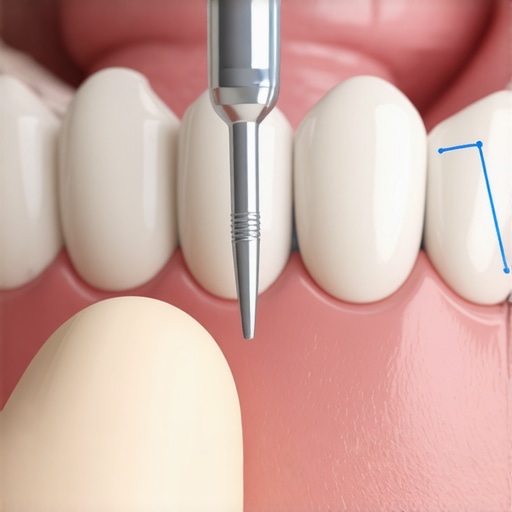
Identify the difference between healing and a mechanical error
It is vital to distinguish between normal post-procedure sensitivity and a mechanical bite issue. A tooth that is healing from a deep filling might be sensitive to temperature, which is normal. However, if you experience a sharp, localized pain specifically when you bite down on a piece of bread, it is a sign of a high bite. This happens because the periodontal ligament—the cushion around your tooth—is being bruised. I’ve seen patients ignore this for weeks, only to find that the reason your jaw makes a popping sound when you yawn is actually linked to the way their muscles are straining to avoid that one high tooth.
Watch for these three red flags
First, look for increased cold sensitivity that doesn’t improve after 48 hours. A high filling keeps the nerve in a state of constant ‘alarm.’ Second, check for a dull ache in the jaw joint (TMJ) on the side of the new work. Third, notice if you are subconsciously chewing on the opposite side of your mouth. If you find yourself avoiding the tooth entirely, it is time for an adjustment. Ignoring this can lead to issues similar to the connection between stress and your worn-down molars, where the uneven pressure causes premature wear on your healthy teeth.
Why a five-minute adjustment is a non-negotiable step
Many people feel like they are ‘bothering’ their dentist by going back for a bite adjustment. Please, throw that thought away. A bite adjustment is a standard part of restorative dentistry. The dentist will use a much thinner articulating paper to find the microscopic ‘high’ points and use a fine-grit polishing stone to buff them down. It is painless, takes less than five minutes, and provides instant relief. I once had a patient who waited two months to come back, and by then, the constant trauma had caused enough inflammation that they actually needed a more complex treatment. If you are wondering how to stop cold water from triggering sharp nerve pain in one tooth after a filling, the answer is often as simple as lowering the height of that resin by the thickness of a hair.
Stop waiting for your teeth to wear down
A very common belief—and one I see daily in family dentistry—is that a new filling will eventually ‘settle’ or wear down through normal chewing. I’m here to tell you that this is one of the most dangerous oral health myths debunked in recent years. Modern composite resins and ceramics, like lithium disilicate, are engineered for extreme durability. They are often significantly harder than your natural tooth enamel. If you try to ‘tough it out,’ you aren’t wearing down the filling; you are actually driving that tooth deeper into its socket or, worse, causing the opposing tooth to chip. This mechanical stress doesn’t just stay in the tooth; it radiates throughout the entire jaw. 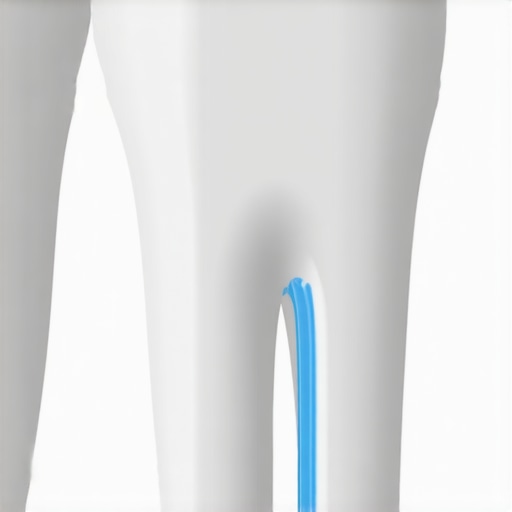
Can a tiny high spot actually trigger a migraine?
Absolutely. When your bite is off by even a few microns, your masticatory muscles—the ones you use to chew—never fully relax. Your brain senses the interference and subconsciously tries to ‘grind’ it away while you sleep. This constant muscular engagement is a direct pathway to tension headaches and facial pain. A study in the Journal of Prosthetic Dentistry highlights that chronic occlusal interferences can disrupt the harmony of the neuromusculoskeletal system, leading to persistent discomfort. This is often the missing link in the connection between grinding your teeth and frequent migraines that many patients overlook for months.
Avoid the trap of ‘compensatory chewing’
The biggest mistake you can make is adapting your lifestyle to a mechanical error. You might start chewing exclusively on the left side because the right side feels ‘tall.’ This shifts the entire workload of your jaw, leading to uneven wear on healthy teeth and potential issues with your jaw joint. When enhancing confidence with cosmetic dentistry, the goal is functional balance, not just a white smile. If you feel like you’re constantly shifting your jaw to find a comfortable resting spot, the ‘oops’ factor has already set in. You are training your muscles to work in a dysfunctional pattern that can take weeks of physical therapy to reverse if left unchecked.
Professional teeth cleaning won’t fix a structural bite issue
Some patients mistakenly think that their next regular teeth cleaning will somehow smooth out the high spot. While hygiene is vital for maintaining oral health, a hygienist’s tools are designed to remove biofilm and tartar, not reshape high-strength restorative materials. You need the specific high-speed finishing burs that only your dentist uses during a dedicated adjustment. Ignoring the issue also increases the risk of ‘pulpitis,’ where the nerve becomes so bruised from the constant hitting that it eventually becomes chronically inflamed. This is a high price to pay for avoiding a five-minute appointment. Have you ever fallen into this trap of waiting for a tooth to ‘fix itself’? Let me know in the comments. It’s a much more common experience than you might think, and catching it early saves your enamel from unnecessary trauma.I am a bit of a nerd when it comes to the tools I keep in my bathroom cabinet. For years, I thought I was doing a great job with a soft manual brush, but the clinical data eventually changed my mind. I personally switched to an electric toothbrush with a built-in pressure sensor because, like many people, I tend to scrub too hard when I am stressed. This isn’t just a minor habit; according to research in the Journal of Clinical Periodontology, excessive brushing pressure can lead to gum recession that eventually negates the benefits of enhancing confidence with cosmetic dentistry. I recommend the Oral-B iO series or the Philips Sonicare DiamondClean specifically because they provide haptic feedback—a red light or a vibration—the moment you push too hard. Using these tools is one of the best teeth cleaning secrets to keep your enamel thick and your fillings intact. 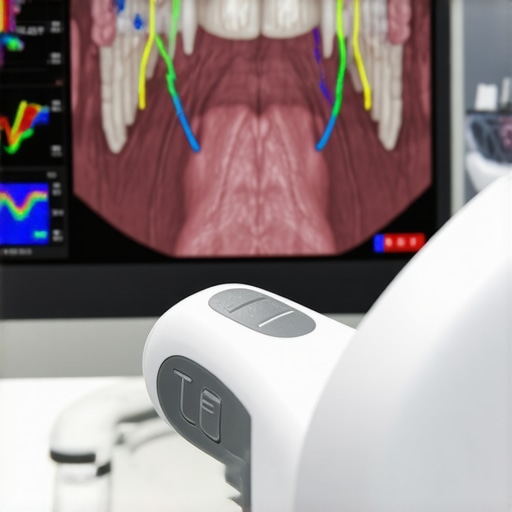
How can I maintain my dental work over time?
The secret to longevity isn’t just about what you do in the morning; it’s about what you do while you sleep. If you have invested in veneers, crowns, or high-quality composite bonding, you absolutely need a custom-fitted nightguard. I have seen too many patients lose thousands of dollars of dental work in a single night of stressful clenching. This is the primary connection between stress and your worn-down molars. I personally wear a custom-fabricated hard-soft guard every night to prevent my opposing teeth from exerting the 200-plus pounds of pressure that can occur during REM sleep. For households, focusing on preventive tips for long-lasting dental health for families means making these protective habits a priority as early as the teenage years when academic and sports stress peak.
Digital bite scanning is the future of comfort
Looking ahead, the way we handle bite adjustments is shifting rapidly from subjective ‘feel’ to objective ‘data.’ While articulating paper is the current standard, many high-end clinics are moving toward the T-Scan system. This is a digital sensor that measures the timing and force of your bite in real-time. A study in the Journal of Prosthodontic Research found that digital occlusal analysis is significantly more accurate than subjective patient reports for balancing dental restorations. I predict that within the next five years, we will see smart mouthguards that sync with your smartphone to alert you if your bite is shifting or if you need how regular teeth cleaning can prevent major dental issues through early detection of wear patterns. My advanced tip for you today? At your next check-up, ask your hygienist to show you exactly where your ‘occlusal wear facets’ are located. Knowing which specific teeth are taking the most heat will help you adjust your posture and habits before you ever feel that dreaded ‘tall tooth’ sensation again.
The most expensive mistake you can make with a new filling
After seeing thousands of patients, I’ve realized that the ‘wait and see’ approach is often the enemy of oral health. Here are three lightbulb moments that changed how I view dental restorations:
- Your brain is a precision instrument: If you feel like your bite is off by the width of a hair, it probably is. Your jaw muscles will fight that tiny discrepancy until they are exhausted, which is why the connection between stress and your worn-down molars often starts with a single high filling.
- Silence isn’t always golden: Many patients stay quiet because they don’t want to be a ‘bother.’ Your dentist actually needs your feedback to prevent long-term nerve inflammation.
- Anesthesia hides the truth: You should never judge your bite until the numbness is gone. If it still feels tall the next morning, that is a clear signal for an adjustment. Catching this early is the best way how to stop cold water from triggering sharp nerve pain in one tooth after restorative work.
Essential tools to keep your smile healthy at home
I am protective of the impact of cosmetic dentistry, and I believe the right tools make the difference between a filling that lasts five years and one that lasts fifteen. Here is what I personally recommend:
- Sonicare DiamondClean Smart: This brush is a game-changer because it vibrates the moment you apply too much pressure. This protects the margins of your new fillings from abrasive wear.
- Custom-Fit Occlusal Guards: If you have a history of ‘tall teeth’ feelings, you likely clench at night. A custom guard is the single best investment for maintaining oral health and protecting your jaw joint.
- High-Fluoride Toothpaste: Products like Prevident 5000 help remineralize the areas around a new filling, ensuring the seal remains airtight for years to come.
Don’t wait for your jaw to fix itself
You deserve a bite that feels effortless and invisible. Whether you are navigating family dentistry for your children or perfecting your own smile, comfort should be your baseline. If that new restoration still feels like a boulder in your mouth, make the call for a quick adjustment. It is a painless, five-minute fix that can prevent months of discomfort and protect the transformative impact of cosmetic dentistry in your life. Have you ever had a filling that felt like a ‘tusk’ for days before you finally called the dentist? Let me know about your experience in the comments below.