
I was sitting in a tiny bistro in Paris, the smell of fresh espresso filling the air, when I felt that sickening crunch. My crown had decided it didn’t like French baguettes as much as I did. Panic set in faster than the jet lag. There I was, thousands of miles from my regular dentist, staring at a piece of porcelain in my palm. It wasn’t just about the gap in my smile; it was the looming fear of a massive bill in a language I barely understood. We’ve all been there—or at least, we’ve feared it. Whether it’s a sudden throb during a long-haul flight or a lost filling while on vacation, dental emergencies don’t respect your itinerary. Today, I’m going to share the exact protocol for handling a dental emergency while traveling abroad so you can get back to your sightseeing instead of scouring foreign forums for help.
Find Your Bearings Before You Find a Dentist
The first thing I did back then? I panicked. I actually considered using superglue from a local convenience store to fix it—a massive mistake that could have caused permanent damage to the underlying tooth. Instead, you need to assess the situation realistically. If you are dealing with a lost crown during a business trip, it is often more of a cosmetic emergency than a surgical one. However, if there is blood or a knocked-out tooth, time is your biggest enemy. According to the Centers for Disease Control and Prevention, dental issues are one of the most common reasons travelers seek medical assistance, yet few of us actually pack an emergency kit. My early mistake was assuming my travel insurance covered every scenario. Spoiler alert: it didn’t. You need to know the fast way to soothe a sore tooth while you wait for a reputable clinic to open.
Is foreign dental care actually worth the risk?
This is the big one that keeps people up at night. You might worry that a clinic in another country won’t meet the standards of your family dentistry office back home. While standards vary by region, many international hubs offer world-class care that rivals what you’d find in any major US city. The key is knowing how to vet them. I’ve learned that looking for clinics that use digital scanners or modern sterilization techniques usually separates the professionals from the outdated offices. Have you ever had a toothache ruin a trip, or are you just here to prep for your next big adventure? I’d love to hear your survival stories in the comments. Before you book a thousand-dollar flight home, let’s talk about the immediate steps you can take in your hotel room to manage the pain and protect your long-term oral health. Knowing the best way to store a knocked-out tooth can be the difference between saving your smile and needing an expensive implant later.
Stop the Pain and Save the Piece
The moment an emergency strikes, your priority is stabilization. If you have a broken tooth or a loose restoration, do not touch the area with your tongue or fingers, as oils and bacteria can aggravate the nerve. I once spent a miserable night in a Tokyo hotel room trying to ignore a throbbing molar; I eventually found that a simple warm saltwater rinse and a cold compress on the outside of my cheek worked wonders to reduce the inflammation. This is often the fast way to soothe a sore tooth on a sunday when everything is closed. If a tooth has been knocked out entirely, you must act within 60 minutes. Do not scrub the root. Instead, place it in a small container of milk or a specialized tooth-preservation solution. Knowing the protocol for keeping a knocked-out tooth alive on the way to the clinic is the most critical piece of knowledge you can carry in your travel arsenal. 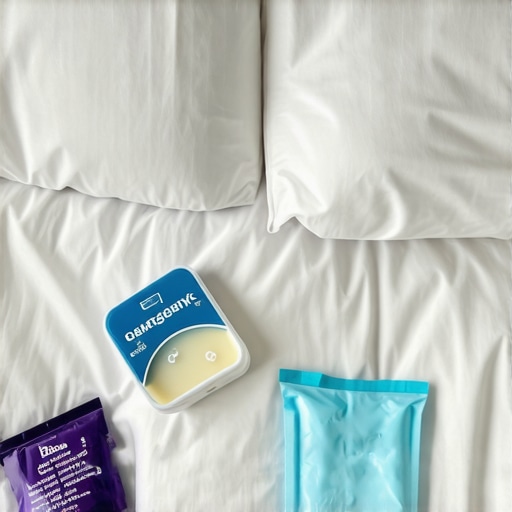
Vet the Clinic Like a Local Pro
Finding a dentist in a foreign city feels like a gamble, but you can stack the odds in your favor. Start by contacting your embassy or consulate; they often maintain a list of English-speaking medical professionals who meet specific quality benchmarks. When you look at a clinic’s website, look for evidence of modern technology. Offices that highlight how we use digital scanners to avoid messy dental molds are typically more invested in the latest global standards of care. During my mishap in Paris, I looked specifically for a clinic that advertised family dentistry building a foundation of healthy smiles for all ages because those practices tend to be more patient-centered and accustomed to handling nervous first-timers. Always ask for a written estimate before the work begins to avoid ‘tourist pricing’ and ensure they accept major credit cards, as many international clinics operate on a cash-only basis for walk-ins.
Don’t Let a Chipped Tooth Ruin Your Photos
If the damage is purely cosmetic—like a small chip—you might be able to buy yourself some time. Most major pharmacies abroad sell temporary dental repair kits containing zinc oxide or dental wax. While these aren’t permanent fixes, they can shield a sharp edge from cutting your tongue. I’ve used dental wax to cover a jagged edge while hiking in the Andes, and it saved me from three days of mouth sores. Learning how to fix a chipped tooth at home until you see a dentist can turn a potential disaster into a minor inconvenience. Just remember that these DIY solutions are temporary. Even if the pain subsides, an exposed inner layer of the tooth is a magnet for bacteria, which can lead to a root canal later. Maintaining your long-term oral health means getting a professional evaluation the moment you land back home, even if the ‘quick fix’ seems to be holding up fine.
The Hidden Dangers of the Hollywood Facade
Most people assume that if their teeth look white and “clean,” they are perfectly healthy. I call this the “Hollywood facade.” In reality, superficial aesthetics can mask deep-seated structural issues. I’ve seen travelers with perfect-looking veneers suffer sudden failures because they ignored the health of the underlying tooth. For instance, many don’t realize that cosmetic dentistry innovations you cant miss this year focus just as much on structural integrity as they do on the final shine. If you’re chasing a bright smile but neglecting the top 5 secrets to maintaining perfect oral health as a family, you’re essentially building a house on sand. A white tooth can still have a failing root or a hidden cavity that air pressure on a long-haul flight will turn into a painful nightmare.
Can you really trust DIY fixes for complex stains?
Let’s dig deeper into the nuances of staining. Many people try to “scrub away” deep discoloration with abrasive pastes, only to find that the reason your coffee stains are harder to remove than your friends is often genetic or based on your specific enamel porosity. If you’re dealing with something like why professional whitening is the only way to fix tetracycline stains, no amount of over-the-counter charcoal paste will help. In fact, you might just be wearing down your protective layer, leading to more staining in the long run. According to a study published in the Journal of Evidence-Based Dental Practice, aggressive at-home whitening without professional supervision can lead to a 25% increase in tooth sensitivity and potential pulpal inflammation, especially in travelers already dealing with dehydration and changing climates.
Protect Your Enamel from the Whitening Strip Trap
One of the biggest “oops” factors I see involves the improper use of whitening strips before a big trip. Everyone wants a glowing smile for their vacation photos, but using them incorrectly is a recipe for disaster. I’ve met travelers who couldn’t even enjoy a chilled gelato in Florence because the reason your gums look receded after using whitening strips is a very real biological reaction—chemical irritation can lead to acute gingival sensitivity. #IMAGE_PLACE_HOLDER_C#
Before you start any DIY treatment, it is vital to understand the safest way to whiten teeth if you have thin enamel. Have you ever fallen into this trap of trying to get a bright smile too quickly and ending up in pain? Let me know in the comments. Furthermore, stop thinking a “hard” toothbrush cleans better. It is actually a common myth that does more harm than good. In my travels, I’ve seen people pack the stiffest brushes thinking they’ll get a “deeper” clean, but they usually just end up with gums that recede faster. Switching to gentle teeth cleaning best practices for sensitive gums is a much smarter move for long-term health. Don’t let oral health myths busted what every family should know be the reason you spend your vacation in a dental chair instead of seeing the sights.
Throw Away Your Manual Toothbrush Already
If you are still using a manual plastic brush, you are essentially trying to clean a modern engine with a feather duster. After years of testing different gadgets, I’ve found that the only way to ensure maintaining oral health expert advice for a lifetime of healthy teeth actually works is to automate the process. I personally swear by the high-end sonic models that pulse at 62,000 movements per minute. This isn’t just about speed; it’s about the fluid dynamics that push water and toothpaste into the micro-gaps between your teeth. According to a study published in the International Journal of Dental Hygiene, these oscillating-rotating brushes can reduce plaque by up to 21% more than manual brushing over a three-month period. If you want to see how regular teeth cleaning can prevent major dental issues, look no further than the data on gum recession—manual brushers are far more likely to scrub their enamel away by applying too much pressure.
Why My Daily Routine Includes a Water Flosser
People often ask me if water flossing is just a lazy person’s alternative to string. It’s actually better. I use a Waterpik Aquarius every night because it flushes out the debris that string simply skips, especially around the gum line. This is the secret weapon for preventive tips for long-lasting dental health for families who want to avoid the ’emergency crunch’ I experienced in Paris. When you use the ultimate guide to teeth cleaning techniques and benefits, you realize that oxygenating the gum pockets with a water stream kills the anaerobic bacteria that cause bad breath and decay. 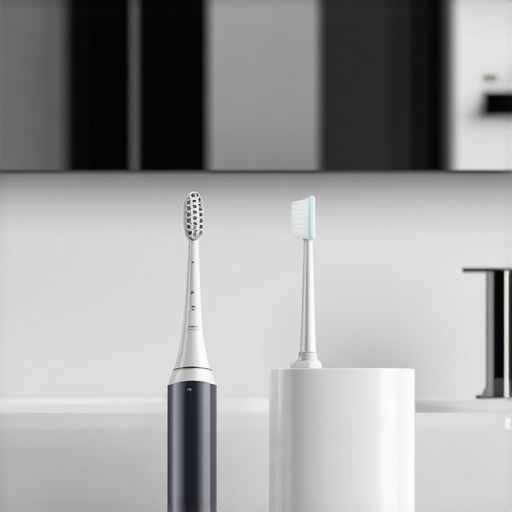
How do I keep my dental work looking brand new for decades?
Maintenance is where most people fail after they get work done. Whether you’ve had veneers or just a professional whitening, the real work happens in the 24 hours between your morning routines. I recommend a ‘double-clean’ method: use a water flosser to dislodge the heavy lifting, followed by an interdental brush dipped in a non-abrasive antiseptic. This keeps the margins of your crowns and fillings clean, preventing the dark lines that often appear at the gum line over time. Following family dentistry tips that make oral care effortless and effective means you’re not just cleaning; you’re preserving. I predict that within the next five years, we will see AI-integrated toothbrushes that use bio-sensors to detect early signs of acidity in your saliva, alerting you to a potential cavity before you ever feel a twinge of pain. These cosmetic dentistry innovations you cant miss this year are just the beginning of a shift toward true predictive health.
My advanced tip for today? Next time you brush, pay attention to the transition between the tooth and the gum. That 1mm gap is where 90% of dental failures begin. Use a pointed interdental brush there tonight and see how much debris your standard brush missed. It’s an eye-opening exercise that will change your routine forever.
The Hardest Lessons My Passport Taught My Teeth
Reflecting on that crunch in Paris, I realized that the most important tool in my suitcase wasn’t my camera—it was my preparation. Here are a few ‘lightbulb moments’ that shifted my perspective on travel dental health forever:
- Pain is a progressive signal: A minor twinge during takeoff is likely to become a full-blown emergency at 30,000 feet. Always address sensitivity before you board.
- Technology over aesthetics: A clinic with a gold-leaf sign is less reliable than one using digital scanners to avoid messy dental molds. Look for modern gear, not just fancy furniture.
- Insurance is a safety net, not a plan: Most basic travel policies only cover ‘pain relief,’ not the full restoration. Having a fund specifically for how regular dental cleanings can save you money back home is your best defense against international bills.
Pack These Three Lifesavers Before Your Next Flight
I never leave the country now without a very specific ‘smile toolkit.’ If you want to avoid the panic I felt, keep these items in your carry-on:
- A Portable Sonic Brush: Don’t rely on the flimsy plastic brushes provided by hotels. Stick to revolutionary teeth cleaning techniques for 2025 by using a compact, battery-powered sonic model that maintains your enamel health even in different climates.
- The ‘Wait-and-See’ Wax: Orthodontic wax is a miracle for covering jagged edges of a chipped tooth. It’s the simplest way to fix a chipped tooth at home until you see a dentist in a foreign city.
- Your Dentist’s Digital Record: Keep a photo of your most recent X-rays on your phone. If you end up in a chair in Tokyo or Rome, showing them your baseline health helps them avoid unnecessary ‘exploratory’ work.
Turn Your Next Adventure into a Success Story
A dental mishap doesn’t have to be the headline of your vacation. By shifting your focus from reactive care to proactive habits, you ensure that your memories are about the scenery, not the local pharmacy. Prioritizing maintaining oral health expert advice for a lifetime of healthy teeth means you can bite into that baguette or sip that iced gelato with total confidence. Don’t let oral health myths debunked in 2025 lead you astray; trust the science and stay prepared. Have you ever had a toothache strike while you were away from home? Let me know your survival stories in the comments below!